Whether Thyroid Sits Behind a Cockapoo’s Thinning Coat
It's incredibly distressing when you notice changes in your beloved Cockapoo's coat, especially if it starts thinning or looking dull. You're left wondering if it's just a normal part of aging, a diet issue, or something more serious. A thinning coat can indeed be a tell-tale sign of underlying health problems, and for many Cockapoos, one of the primary suspects is an issue with their thyroid function. This guide will walk you through understanding why your Cockapoo's coat might be thinning and how thyroid issues play a significant role.
Understanding Hypothyroidism in Cockapoos
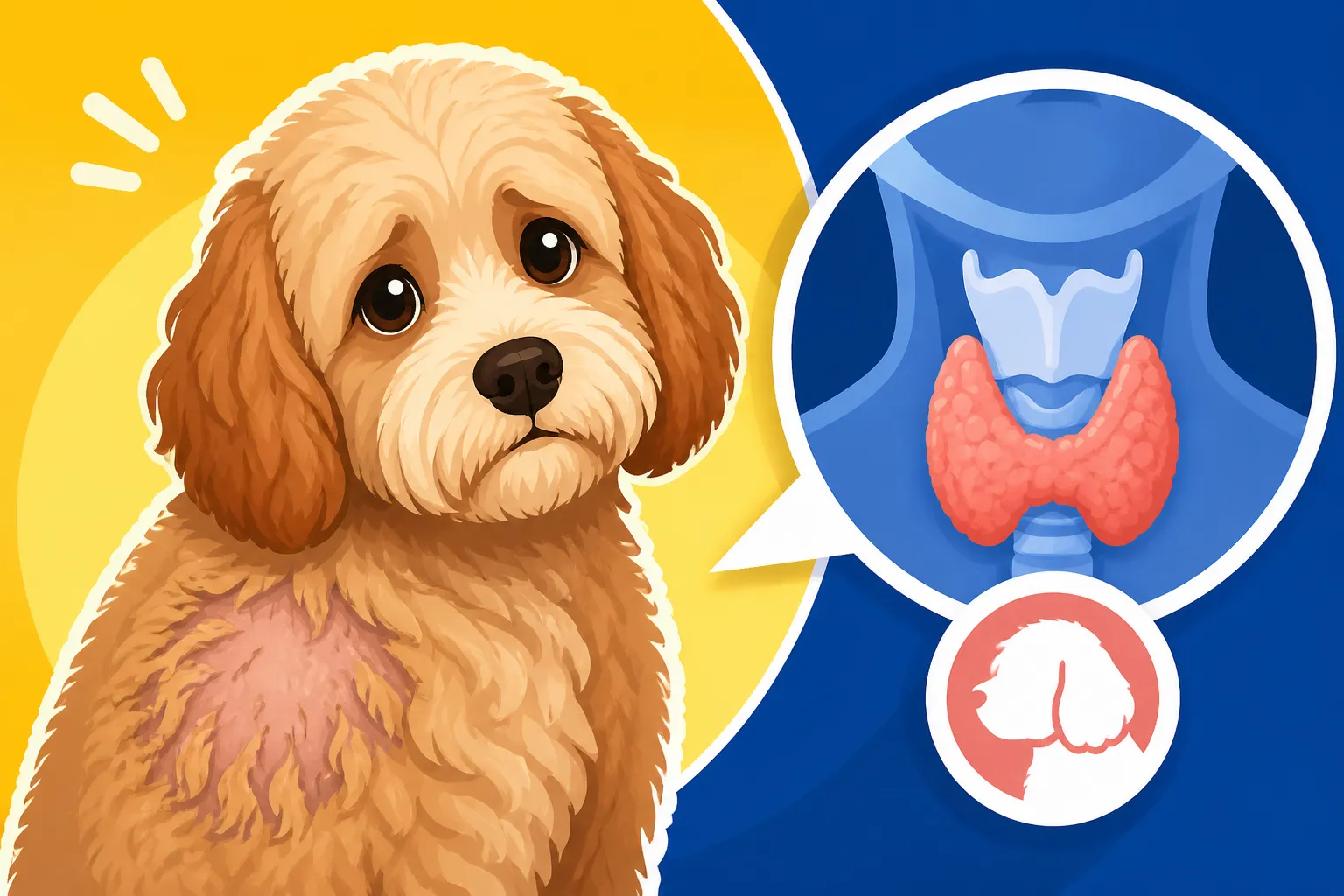
When we talk about thyroid issues in dogs, we're usually referring to hypothyroidism, which means an underactive thyroid gland. This little gland, located in your dog's neck, is responsible for producing hormones that regulate metabolism, affecting everything from energy levels to, yes, even coat health. It's a critical system, and when it's not working properly, the ripple effect throughout your Cockapoo's body can be quite noticeable.
What Hypothyroidism Actually Means for Your Dog
Imagine your Cockapoo's body is like a well-oiled machine, and the thyroid hormones are the essential fuel that keeps everything running smoothly at the right pace. With hypothyroidism, that fuel supply dwindles, causing the machine to slow down. This isn't just about feeling a bit tired; it impacts cellular function across the board. Every cell in your dog's body relies on these hormones to function correctly, so when they're deficient, you start to see a cascade of symptoms.
For instance, your normally bouncy Cockapoo might become noticeably less energetic, seeming lethargic even after a good night's sleep. They might gain weight despite no changes in their diet or exercise routine because their metabolism has slowed to a crawl. You might notice they're seeking out warm spots more often, as their body struggles to regulate its temperature. These aren't just vague signs; they're direct consequences of a system running on empty. It's common to see these changes emerge in middle-aged dogs, so if your Cockapoo is around that age and showing these signs, it's definitely worth investigating. If you've been noticing your dog slowing down, you might also be interested in what changes in a Cockapoo after ten, as many of these symptoms can overlap with general aging.
How a Cockapoo Inherits Thyroid Issues
The predisposition to certain health conditions often comes down to genetics, and hypothyroidism is no exception. While it can occur in any breed, some breeds are more commonly affected, and since Cockapoos are a mix, they can inherit tendencies from both the Cocker Spaniel and Poodle sides. English Springer Spaniels, Golden Retrievers, Doberman Pinschers, and Airedale Terriers are known to have higher incidences of primary hypothyroidism, as are various Poodle sizes. This means your adorable Cockapoo has a chance of inheriting that genetic vulnerability from either parent.
Responsible breeders are increasingly aware of genetic predispositions and often screen their breeding stock. However, even with the best intentions, some genetic factors can be complex and aren't always fully understood or testable in a simple DNA panel. This isn't to say your breeder did anything wrong, but rather to highlight that genetic tendencies are a reality we face with all purebreds and crossbreeds. Understanding this genetic link helps us be more vigilant as owners, knowing what potential health hurdles our furry family members might face down the line. It's why maintaining regular vet check-ups and being proactive about any changes you observe is so crucial, especially for conditions that might not be immediately obvious.
The Connection Between Thyroid and Coat Health
One of the most visible indicators of a deeper health issue can be found right on the surface: your Cockapoo's coat. A healthy coat is usually soft, shiny, and thick. When metabolic processes are disrupted by an underactive thyroid, the cells responsible for hair growth and skin health simply don't function as they should.
Why a Thinning Coat is a Red Flag for Thyroid Problems
Hair follicles, like all other cells in the body, require adequate thyroid hormones to thrive and produce healthy hair. When these hormones are in short supply, the hair growth cycle slows down significantly. Instead of shedding old hair and quickly replacing it with new, robust strands, the follicles enter a prolonged resting phase. This means less new hair is being produced, while existing hair continues to fall out or becomes brittle and breaks easily. The result is a coat that gradually thins, often symmetrically, meaning it looks sparse on both sides of the body.
You might first notice this thinning around the trunk of your Cockapoo's body, especially on the flanks, chest, and tail. It can manifest as bald patches, or just an overall sparse look where you can see more skin peeking through than usual. It's not just about aesthetics; this thinning can make your Cockapoo more susceptible to skin irritations and temperature changes. It’s a clear signal that something internal is out of balance.
Other Skin and Coat Changes to Watch For
Beyond just thinning, hypothyroidism can manifest in a variety of other skin and coat issues. Because the skin's metabolism is affected, it can become dry, flaky, and sometimes even greasy to the touch. It's a strange combination, isn't it? Dry flakes on the surface, but an underlying oiliness that can lead to a rather distinct, often unpleasant, odor. This can be particularly frustrating for Cockapoo owners who are used to managing their dog's luxurious coat, which normally requires specific care to prevent issues like the coat sitting greasy or dry.
You might also observe hyperpigmentation, where areas of the skin, particularly in the thinning or bald spots, turn darker, almost black. This is the skin's response to chronic inflammation and metabolic stress. Recurrent skin infections are also common. With a compromised skin barrier and an immune system that might not be running at full capacity due to the metabolic slowdown, bacteria and yeast can easily take hold, leading to itching, redness, and further hair loss. Some Cockapoos might develop a "rat tail" or "fat tail," where the tail loses most of its hair, becoming bare and thickened due to swelling. Don't dismiss these seemingly minor changes; they're your dog's way of telling you they need help.
Here’s a quick overview of common skin and coat signs associated with hypothyroidism:
| Symptom | Description | Why it occurs |
|---|---|---|
| Symmetrical Hair Loss | Thinning or bald patches, often on both sides of the body, flanks, and tail. | Slowed hair growth cycle due to hormone deficiency. |
| Dry, Brittle Hair | Coat loses its luster, feels coarse, breaks easily. | Poor follicle health and insufficient oil production. |
| Dull Coat | Lack of shine, overall unhealthy appearance. | Reduced nutrient delivery to hair, metabolic slowdown. |
| Hyperpigmentation | Darkening or blackening of the skin, especially in affected areas. | Chronic inflammation and skin changes. |
| Thickened Skin | Skin feels tougher, sometimes scaly, often in bald areas. | Accumulation of mucopolysaccharides in the skin. |
| Recurrent Skin Infections | Yeast or bacterial infections, redness, itching, odor. | Compromised skin barrier and immune function. |
| "Rat Tail" | Hair loss on the tail, often with a thickened, bare appearance. | Localized effect of hormone deficiency on tail follicles. |
If you're noticing several of these signs, especially alongside other general symptoms of lethargy or weight gain, it's definitely time to make an appointment with your veterinarian.
Diagnosing and Managing a Cockapoo's Thyroid Condition
Spotting these signs is the first crucial step, but getting an accurate diagnosis and starting effective management is where real relief begins for both you and your Cockapoo. It’s a journey that requires patience and a good partnership with your vet.
The Diagnostic Journey: What to Expect at the Vet
When you bring your Cockapoo in with concerns about a thinning coat and other symptoms, your veterinarian will start with a thorough physical examination. They'll ask you a lot of questions about your dog's history, diet, behavior changes, and any other symptoms you've observed. This comprehensive history is invaluable.
The next step is typically blood work. To diagnose hypothyroidism, specific thyroid hormone levels need to be measured. This usually involves testing total T4 (thyroxine), free T4, and sometimes TSH (thyroid-stimulating hormone). A low T4 and free T4, often accompanied by a high TSH, is usually indicative of hypothyroidism. However, it's not always a straightforward picture. Other illnesses, certain medications, or even non-thyroidal illnesses can sometimes affect thyroid hormone levels, leading to what's called "euthyroid sick syndrome." Your vet might recommend a full blood panel to rule out other issues, especially because symptoms of thyroid problems can sometimes mimic other conditions or even be present alongside them. This is part of the yearly bloodwork bill on an FN Cockapoo if they are dealing with that, making comprehensive testing a common part of their health management. Depending on the results, your vet might suggest repeating the tests after a certain period or referring you to a veterinary internal medicine specialist for more advanced diagnostics if the case is complex.
Living with a Hypothyroid Cockapoo: Treatment and Prognosis
The good news is that hypothyroidism is generally very manageable once diagnosed. The primary treatment involves daily thyroid medication for a Cockapoo, specifically a synthetic thyroid hormone called levothyroxine. This medication effectively replaces the hormones your Cockapoo's body isn't producing enough of.
The dosage will be carefully determined by your vet, often starting with a lower dose and gradually increasing it as needed. You'll typically need to bring your Cockapoo back for follow-up blood tests, usually a few weeks after starting medication and then periodically, to ensure the hormone levels are stabilizing within the normal range. These regular checks are vital to fine-tune the dosage and ensure your dog is responding well to treatment.
Once on the correct dosage, most Cockapoos show remarkable improvement. You'll likely notice their energy levels returning, weight stabilizing, and the thinning coat slowly but surely starting to improve. It can take several weeks or even months for the coat to fully recover, as hair growth is a slow process, but you should see positive changes. Skin issues often clear up as well.
It's a lifelong commitment; your Cockapoo will need to take levothyroxine every day for the rest of their lives. But with consistent medication and regular veterinary monitoring, most hypothyroid Cockapoos live full, happy, and active lives with excellent quality of life. Pet insurance providers like Healthy Paws can often help cover the costs of these ongoing medications and regular blood work, which can add up over the years. It's always a good idea to check with your provider about coverage for chronic conditions. Remember, managing this condition effectively means giving your Cockapoo the best chance at a long, comfortable life.
Disclaimer
This article is for general informational purposes only and does not constitute professional advice. Laws, prices and regulations vary by location and change over time. Consult a qualified professional for guidance on your specific situation.