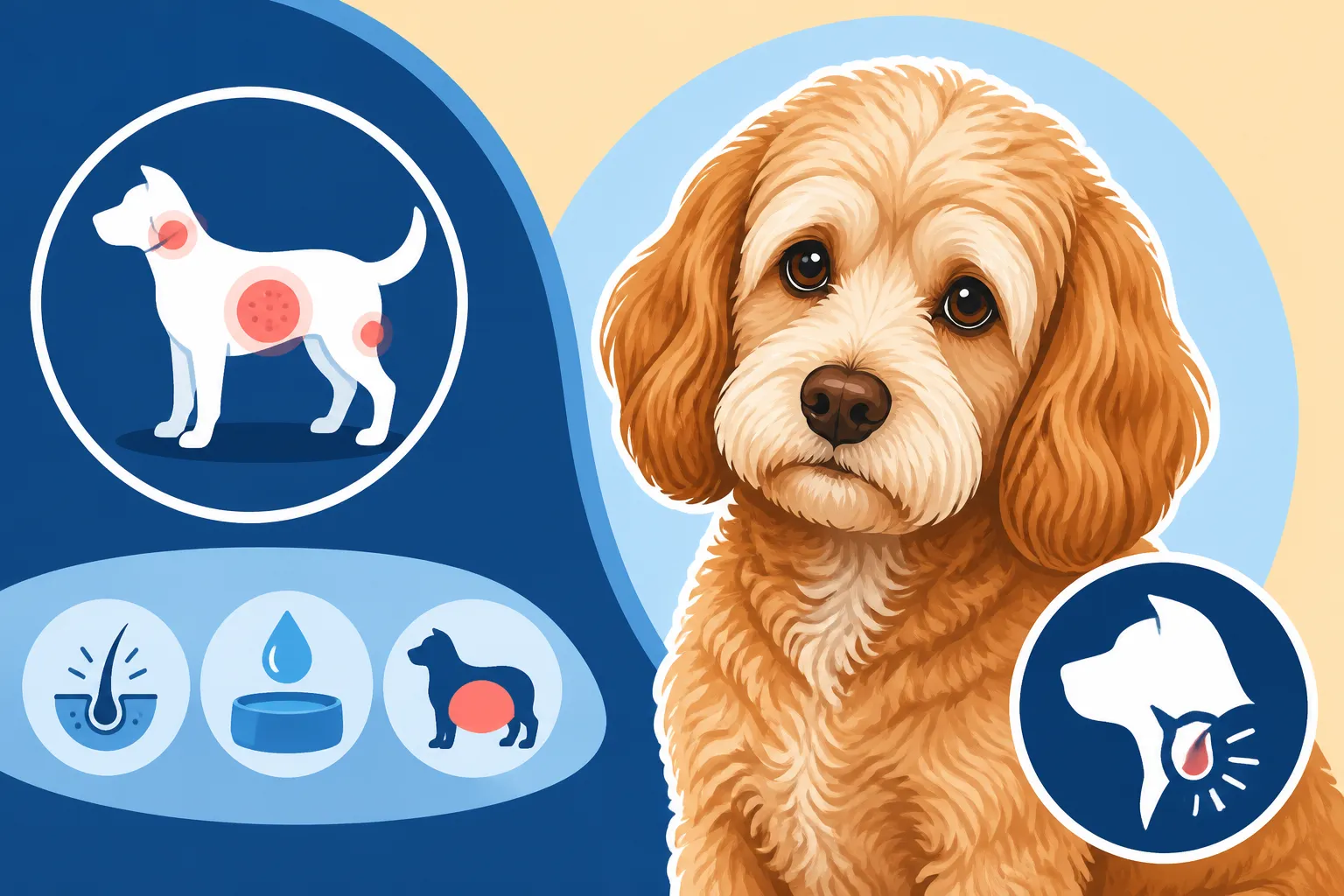
Cushing’s Disease in an Aging Cockapoo
It's heartbreaking to see our beloved Cockapoos start to show the tell-tale signs of aging, and often, what looks like just "slowing down" or "getting old" can actually be something more treatable. One such condition that often sneaks up on older dogs, including our cherished Cockapoos, is Cushing's Disease. This guide will walk you through what Cushing's is, how it's diagnosed, and the steps you can take to manage it, ensuring your senior Cockapoo enjoys their golden years as comfortably as possible.
Understanding Cushing's Disease in Older Cockapoos
When your Cockapoo enters their senior years, typically around age 7 or 8 for most sizes, you start to pay even closer attention to those subtle shifts in their behavior and appearance. Sometimes, these changes are just a normal part of getting older, but other times, they can point to something more specific, like Cushing's disease. It’s a condition that can be incredibly frustrating for owners to pinpoint because its symptoms often mimic other age-related issues.
What Exactly is Cushing's Disease?
At its heart, Cushing's disease, medically known as hyperadrenocorticism, is all about an overproduction of cortisol. Cortisol is often called the "stress hormone," and while it's essential for a whole host of bodily functions – regulating metabolism, responding to stress, suppressing inflammation – too much of it can wreak havoc.
Think of it this way: your dog has two tiny glands perched atop their kidneys called adrenal glands. These are the factories that produce cortisol. What tells these factories to ramp up production? A little master gland in the brain, the pituitary gland, sends out a hormone called ACTH (adrenocorticotropic hormone).
Most cases of Cushing's in dogs, about 80-85%, are pituitary-dependent. This means a small, benign tumor on the pituitary gland is constantly signaling the adrenal glands to churn out too much cortisol. It's like the boss (pituitary) just won't stop ordering new batches, even when the warehouse (body) is already overflowing. The remaining cases are adrenal-dependent, where a tumor directly on one of the adrenal glands itself is overproducing cortisol, independent of the pituitary's instructions.
Why does this matter for Cockapoos? Well, both parent breeds, Cocker Spaniels and Poodles (especially Miniature and Toy Poodles), have a documented predisposition to Cushing's. This means our lovely Cockapoos, carrying genetics from both sides, can be at a higher risk as they age. Understanding this genetic background can sometimes help you stay vigilant.
Common Signs and Symptoms to Watch For
The signs of Cushing's can creep up so slowly that it’s easy to dismiss them. You might think, "Oh, he's just getting a bit chunky," or "She’s drinking more because it's summer." But when these symptoms start piling up, it's a huge red flag.
One of the most classic signs is a "pot-bellied" appearance. Despite eating normally, your Cockapoo's abdomen might seem to sag. This isn't necessarily fat, but often a result of weakened abdominal muscles and a redistribution of fat, combined with an enlarged liver (another effect of excess cortisol).
Then there's the increased thirst and urination, often referred to as PUPD (polyuria/polydipsia). You’ll find yourself refilling the water bowl constantly and noticing more frequent accidents indoors, even with a previously perfectly house-trained dog. It's truly frustrating to wake up to a puddle when your dog has always been reliable. For more insights on general senior dog changes, you might find this article on What Changes in a Cockapoo After Ten helpful.
Other common symptoms include:
- Thinning Coat and Skin Issues: Your Cockapoo's lovely soft coat might start thinning, especially on their trunk, leaving their skin more exposed. You might notice dry, flaky skin, poor wound healing, or even recurring skin infections. Given that Cockapoos often have such a full, curly coat, it can sometimes be harder to spot these changes until they're quite advanced. If your Cockapoo tends to get Skin and Coat Disease in a Cockapoo, this can be particularly confusing to differentiate.
- Excessive Panting: Even when not exercising or hot, your dog might pant more than usual. This is often linked to muscle weakness and respiratory changes.
- Muscle Weakness: This can manifest as difficulty jumping onto furniture, climbing stairs, or a general reduction in energy. You might notice they're just not as enthusiastic on walks as they used to be, or they spend more time resting.
- Increased Appetite: Despite the pot belly, some dogs with Cushing's will act constantly hungry, even ravenous.
- Lethargy: A general lack of energy and enthusiasm. This is the symptom most often dismissed as simply "old age." However, a healthy Cockapoo, even an older one, typically retains a good amount of vitality well into their golden years, often living The Fourteen to Eighteen Years a Cockapoo Lives.
Recognizing these subtle changes, and understanding that they are not always just normal aging, is the first critical step to getting your Cockapoo the help they need.
Diagnosing Cushing's Disease in Your Cockapoo
Getting a definitive diagnosis of Cushing's disease can feel like a bit of a marathon, and honestly, it often is. The symptoms are vague, and there's no single, quick test that delivers an immediate "yes" or "no." It requires patience, careful observation, and a collaborative approach with your veterinarian. It’s natural to feel anxious during this process, especially when you just want answers for your furry family member.
Initial Veterinary Examination and Bloodwork
When you first bring your concerns to your vet, they’ll start with a thorough physical examination. They’ll look for that classic pot-bellied appearance, assess skin and coat quality, and feel for any changes in abdominal organs. They’ll also ask you a lot of questions about your Cockapoo’s routine, changes in thirst, urination, appetite, and energy levels. Be as detailed as possible – those small observations you've made at home are incredibly valuable clues.
Next, your vet will likely recommend routine blood tests, including a complete blood count (CBC) and a biochemistry panel, along with a urinalysis. These tests aren't definitive for Cushing's, but they can provide strong indicators. For example, a common finding in dogs with Cushing's is an elevated alkaline phosphatase (ALP) enzyme level, often significantly so. Other potential indicators include elevated cholesterol and glucose levels, and sometimes changes in electrolytes. The urinalysis might reveal diluted urine (consistent with increased drinking) or signs of a urinary tract infection, which can be a common secondary issue with Cushing's due to diluted urine not flushing bacteria as effectively.
These initial tests are crucial for two reasons: they help to rule out other conditions that might mimic Cushing's, like diabetes or kidney disease (which can also cause increased thirst and urination), and they provide strong evidence to suggest that Cushing's is a real possibility, warranting further, more specific diagnostic steps. It's often a process of elimination before you can zero in on the exact problem. If your vet mentions other endocrine issues, you might want to look into Whether a Slowing Cockapoo Has a Thyroid Problem as another common senior dog concern.
Specific Diagnostic Tests for Confirmation
Once routine tests suggest Cushing's, your vet will move on to more specialized diagnostic tests. These tests are designed to measure cortisol levels and how they respond to certain medications.
-
Low-Dose Dexamethasone Suppression Test (LDDST): This is often considered the gold standard for diagnosing Cushing's disease. Your dog will have a baseline blood sample taken to measure cortisol. Then, a small dose of dexamethasone, a synthetic steroid, is administered. In a normal dog, this steroid should signal the pituitary gland to stop releasing ACTH, thereby suppressing the adrenal glands' cortisol production. Blood samples are then taken again at specific intervals (typically 4 and 8 hours later) to see if the cortisol levels have been suppressed. If cortisol levels remain high, it indicates the body isn't responding normally to the "stop" signal, confirming Cushing's. This test can also sometimes help differentiate between pituitary-dependent and adrenal-dependent forms, which is important for treatment planning.
-
ACTH Stimulation Test: While the LDDST is great for diagnosis, the ACTH stimulation test is primarily used for monitoring treatment once Cushing's has been diagnosed. However, it can also be used as a diagnostic tool, particularly to rule out iatrogenic Cushing's (Cushing's caused by external steroid administration). In this test, a baseline cortisol level is taken, followed by an injection of synthetic ACTH, which should stimulate the adrenal glands. A second blood sample is taken an hour or two later. If the cortisol response is exaggerated, it points towards Cushing's.
-
Urinary Cortisol:Creatinine Ratio: This test involves collecting urine samples at home over a few days. It's a useful screening tool because it's non-invasive and relatively inexpensive. A normal result effectively rules out Cushing's. However, a high ratio doesn't confirm Cushing's, as stress or other illnesses can also cause an elevation. It just means further investigation is needed.
These tests can be a bit stressful for both you and your Cockapoo, involving multiple blood draws and time at the vet. But they are essential for a correct diagnosis. Sometimes, an ultrasound of the adrenal glands might also be recommended to look for tumors, particularly if an adrenal-dependent form is suspected. This can also help identify other potential issues, such as The Tumors a Cockapoo Develops in other parts of the body.
Managing Cushing's Disease in Your Aging Cockapoo
Receiving a Cushing's diagnosis for your senior Cockapoo can feel overwhelming, but it's important to remember that it's a manageable condition. While there's no cure, modern medicine offers effective ways to control the symptoms and significantly improve your dog's quality of life. This phase requires commitment, consistent care, and a good relationship with your veterinary team.
Treatment Options Available
The primary goal of treating Cushing's is to reduce the excessive cortisol production to normal levels, thereby alleviating the symptoms. The treatment approach largely depends on whether the disease is pituitary-dependent or adrenal-dependent, though medical management is the most common route for both.
-
Medications like Trilostane (Vetoryl): This is often the first-line treatment for most dogs with pituitary-dependent Cushing's, and sometimes for adrenal-dependent cases that aren't surgical candidates. Trilostane works by inhibiting an enzyme necessary for cortisol production in the adrenal glands. It doesn't cure the underlying pituitary tumor, but it effectively manages the symptoms by reducing cortisol. Your vet will start with a specific dose, usually given once or twice daily, and then carefully monitor your Cockapoo's response. Dosage adjustments are common, especially in the initial stages. While generally well-tolerated, side effects can include lethargy, vomiting, diarrhea, and decreased appetite. It’s crucial to report any adverse effects to your vet immediately.
-
Mitotane (Lysodren): This medication works differently, by selectively destroying the cortisol-producing cells in the adrenal glands. It's often used for pituitary-dependent Cushing's, particularly in cases that don't respond well to Trilostane. Mitotane requires careful dosing, often starting with a higher "induction" dose followed by a lower "maintenance" dose. The potential side effects are similar to Trilostane but can be more severe, including profound lethargy, weakness, and gastrointestinal upset. Again, close monitoring and communication with your vet are paramount.
-
Surgical Options (Adrenalectomy): For adrenal-dependent Cushing's, where a tumor is located directly on an adrenal gland, surgical removal (adrenalectomy) can be curative. However, this is a major surgery with significant risks and a potentially long recovery period. It's usually considered only for dogs with a single, identifiable adrenal tumor that hasn't spread. The decision to pursue surgery is a complex one, weighing the risks against the potential for a complete cure. For pituitary-dependent Cushing's, surgery to remove the pituitary tumor is rarely performed in dogs due to its complexity and invasive nature.
Choosing the right treatment involves a detailed discussion with your veterinarian, considering your Cockapoo's overall health, age, the specific type of Cushing's, and your family's capacity for the ongoing care and cost. These medications are not cheap, and this is where having a good pet insurance plan, such as one from Healthy Paws, can really make a difference in managing the financial burden of a chronic condition.
Living with a Cockapoo on Cushing's Medication
Once your Cockapoo starts medication for Cushing's, life shifts into a routine of careful monitoring. This isn't a "set it and forget it" kind of treatment; it's an ongoing partnership with your vet.
-
Monitoring at Home: You, the owner, become the most important observer. You'll need to watch for improvements in your Cockapoo’s symptoms, like reduced thirst, less panting, and a more normal appetite and energy level. Equally important is watching for potential side effects, such as excessive lethargy, vomiting, diarrhea, or anorexia, which could indicate the cortisol levels have dropped too low. It can feel like walking a tightrope, trying to balance the symptoms without over-medicating.
-
Regular Vet Check-ups and Follow-up Bloodwork: Your vet will schedule regular follow-up appointments, often starting within a few weeks of beginning medication, to perform an ACTH stimulation test. This test is crucial for ensuring the medication is working effectively and that cortisol levels are in the desired therapeutic range. Based on these results and your observations at home, your vet will adjust the medication dose as needed. These check-ups will continue throughout your Cockapoo’s life, initially more frequently, then perhaps every 3-6 months once stable. This diligent monitoring is how you prevent both under-dosing (meaning symptoms persist) and over-dosing (which can lead to a potentially life-threatening Addisonian crisis, where cortisol levels are too low).
-
Consistent Medication and Routine: Administering medication consistently, at the same time each day (or as prescribed), is vital for successful management. Skipping doses or inconsistent timing can lead to fluctuations in cortisol levels and symptom recurrence. Establishing a routine helps both you and your Cockapoo. If your Cockapoo needs to be on a specific diet for other health issues, like managing their weight or any concurrent conditions like Whether a Cockapoo's Scavenging Causes Pancreatitis, always discuss this with your vet in conjunction with their Cushing's medication.
Living with an Addisonian Cockapoo means accepting that it’s a marathon, not a sprint. Your dog might not return to their youthful self, but with proper management, they can enjoy a significantly improved quality of life, free from the debilitating effects of uncontrolled cortisol.
Long-Term Outlook and Supporting Your Cockapoo
Cushing's disease is a journey, not a destination. While the diagnosis can be daunting, understanding the long-term outlook and how best to support your Cockapoo will empower you to provide the best possible care during their senior years. This is about managing expectations and focusing on comfort and quality of life.
Prognosis and What to Expect
It’s crucial to understand that Cushing's disease is generally a manageable condition, not a curable one. Think of it more like diabetes in humans – it requires lifelong treatment and monitoring. The good news is that with appropriate medication and consistent veterinary care, most Cockapoos with Cushing's can enjoy a good quality of life for many years following diagnosis.
The goal of treatment isn't to eliminate every symptom completely, but to bring cortisol levels into a healthy range that alleviates the most troublesome signs, such as excessive thirst, urination, and panting. You might still notice some subtle changes, or they might not regain their full, thick coat, but their overall comfort and well-being should improve dramatically.
However, if left untreated or poorly managed, Cushing's can lead to significant health complications. These include:
- Diabetes Mellitus: Excess cortisol can lead to insulin resistance, making dogs more prone to developing diabetes. This is why it's important to monitor for signs of Whether Diabetes Shows Up in Cockapoo Lines.
- Pancreatitis: This painful inflammation of the pancreas can be triggered or exacerbated by high cortisol levels.
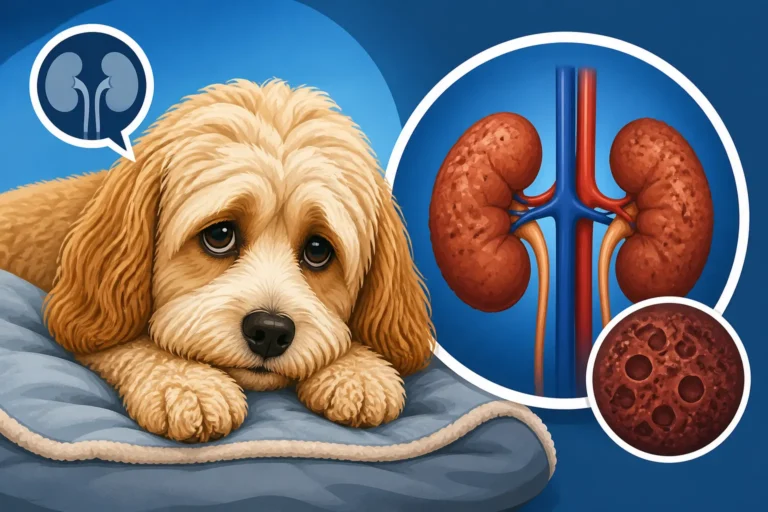
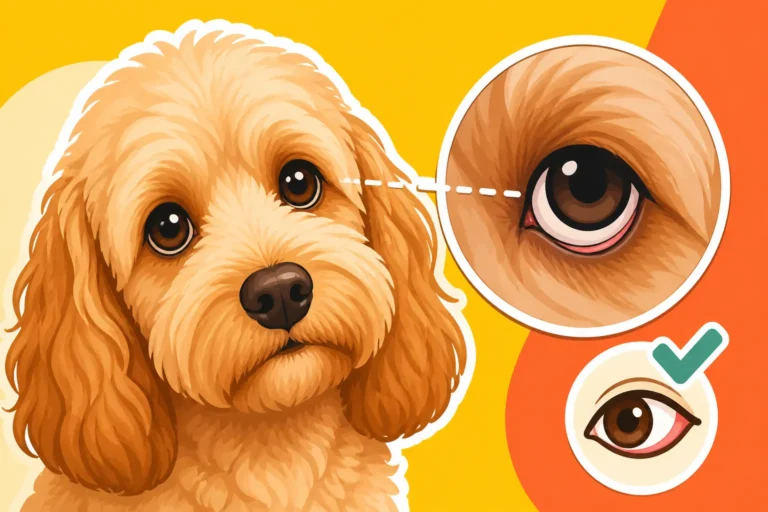
- Kidney Issues: While Cushing's doesn't directly cause familial nephropathy, it can put extra strain on the kidneys. Regular The Kidney and Eye Checks a Cockapoo Needs Yearly are important for senior dogs regardless.
- Fragile Skin and Secondary Infections: The thin, weakened skin makes them more susceptible to cuts, bruises, and bacterial infections.
- Blood Clots: An increased risk of blood clots, which can be life-threatening if they travel to the lungs (pulmonary thromboembolism).
- Muscle Weakness and Neurological Signs: In pituitary-dependent cases, if the pituitary tumor grows large enough, it can press on brain tissue, leading to neurological symptoms like circling, seizures, or behavioral changes.
The emotional toll on owners facing a chronic condition can be heavy. There will be good days and bad days. Remember, you're doing your best for your Cockapoo, and managing expectations, celebrating small victories, and focusing on their comfort is key.
Holistic Support and Comfort for Your Senior Cockapoo
Beyond medication, there are many ways you can support your aging Cockapoo with Cushing's, focusing on their overall well-being and making their golden years as comfortable as possible.
- Dietary Considerations: While there's no specific "Cushing's diet," a balanced, good-quality diet is always important. Some vets might recommend a diet that is lower in fat, especially if there's any concern about pancreatitis, and moderate in protein. Always discuss any significant dietary changes with your vet to ensure it complements their medication and overall health needs, particularly if you're already feeding a specific portion size like Feeding and Keeping a Twenty Pound Cockapoo.
- Gentle Exercise and Mental Stimulation: Your Cockapoo might not be able to bound through the park like they once did, but gentle, regular exercise is still beneficial for muscle tone, mental health, and maintaining a healthy weight. Short, frequent walks are often better than one long, strenuous outing. Continue to engage their brilliant minds with puzzle toys or gentle scent games to keep them sharp and happy.
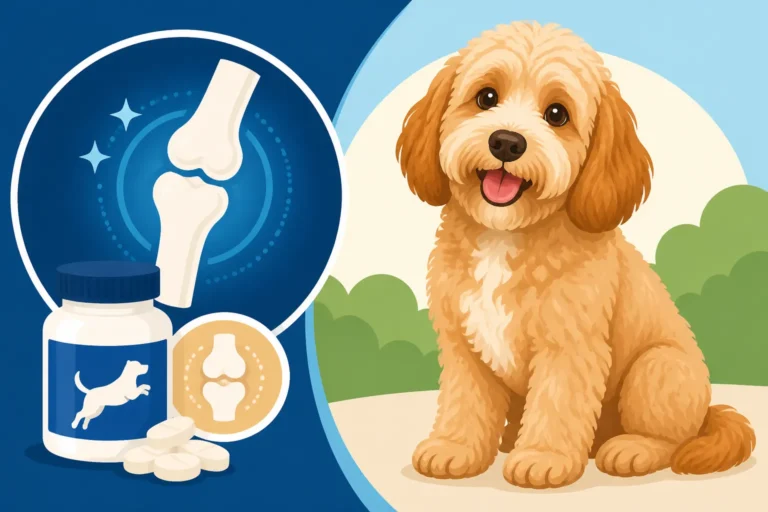
- Comfort and Environment: Make sure your home environment is senior-friendly. Provide soft, orthopedic beds to support their joints, especially if they have conditions like Arthritis in a Cockapoo at Eleven. Ensure easy access to water bowls and frequent potty breaks to accommodate their increased thirst and urination. Keep them cool in warmer weather, as panting can be a struggle for them.
- Grooming: Continue with regular, gentle grooming. While their coat might be thinner, regular brushing helps stimulate circulation and prevents matting, especially with the Cockapoo’s propensity for a The Three Cockapoo Coat Types and Their Upkeep. Be extra careful due to their fragile skin.
- Patience and Empathy: This is perhaps the most important aspect. Your Cockapoo relies entirely on you. They can't tell you if they feel nauseous from medication or if their muscles ache. Your patience, understanding, and consistent love will be their greatest comfort. Continue to shower them with affection, maintain routines, and be present. They might be older, and they might have Cushing's, but they are still your beloved companion, and their need for your love remains unchanged.
Disclaimer
This article is intended for informational purposes only and is not a substitute for professional veterinary advice, diagnosis, or treatment. Always seek the advice of your veterinarian or other qualified health provider with any questions you may have regarding a medical condition. Never disregard professional veterinary advice or delay in seeking it because of something you have read in this article.