Whether a Cockapoo Retrieves Naturally
It’s a common scenario: you toss a toy, and your adorable Cockapoo bounds after it with gusto, only to grab it, prance around triumphantly, and then zoom off in the opposite direction, daring you to chase. The frustration is real when you just want a nice game of fetch, but your dog seems to have invented their own version of "keep away." This guide will dive deep into whether Cockapoos naturally retrieve, what influences their inclination to bring things back, and how you can gently encourage and train them to become the fetch superstars you dream of.
Understanding the Cockapoo's Parentage and Instincts
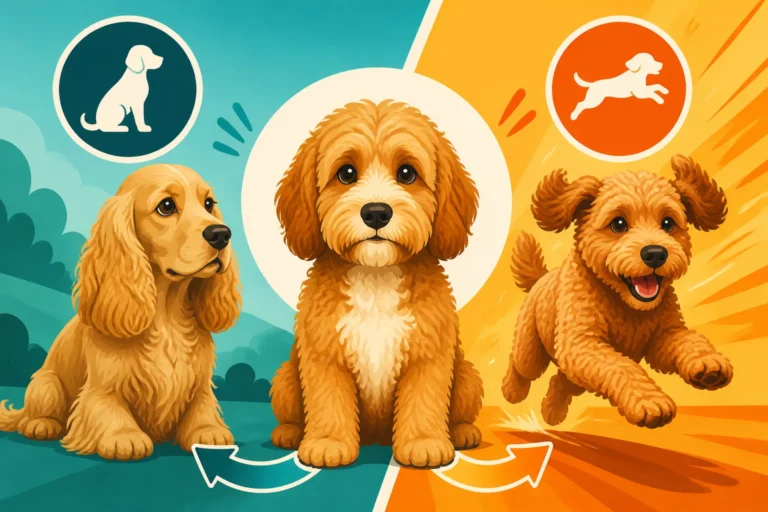
When we talk about a Cockapoo's natural inclination to retrieve, we really need to look at the two breeds that make them up: the Cocker Spaniel and the Poodle. Both bring distinct characteristics to the table, and how these blend can lead to a wide spectrum of retrieving behaviors in individual Cockapoos. It’s never a simple yes or no answer.
The Cocker Spaniel's Drive to Retrieve
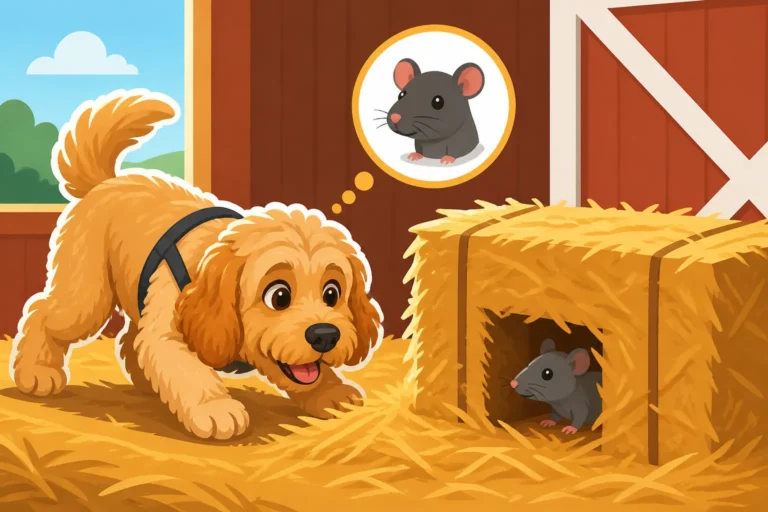
The Cocker Spaniel, whether American or English, was originally bred as a gundog. Their job was to flush game birds from cover and then retrieve them, usually unharmed, to their handler. This means they possess a strong, innate drive to find things and often to carry them. They are known for their "soft mouths," meaning they can carry objects gently without damaging them, which is a crucial trait for a retriever. This heritage often manifests as a love for carrying things around, sometimes even just for the sake of it. You might find your Cocker-leaning Cockapoo bringing you socks, toys, or even random household items, not necessarily to give them to you, but just to show you their prized possession. The Flushing Drive Still Alive in a Cockapoo is definitely something to consider here.
However, a "natural retriever" for a gundog doesn't always mean a "natural returner." A working spaniel might retrieve to hand, but a pet spaniel might just enjoy the chase and the feeling of having the object, perhaps preferring to play a game of tag rather than a polite drop. Their enthusiasm for the chase is undeniable, but the final step of delivery often needs a little human guidance.
The Poodle's Often-Overlooked Retrieving Abilities
Many people associate Poodles with fancy haircuts and dog shows, overlooking their historical role as highly intelligent, athletic water retrievers. Yes, Poodles were originally bred to retrieve waterfowl for hunters! This means they also possess a strong retrieving instinct, often coupled with an incredible eagerness to please their humans and a sharp mind for training. Poodles are known for their focus and their ability to learn complex tasks, which makes them excellent candidates for formal retrieve training. They often enjoy problem-solving and working closely with their owners.
A Poodle's retrieving style might be more methodical and less frantic than a spaniel's, but no less enthusiastic. They often enjoy the "work" of retrieving and can be incredibly dedicated to the task. If your Cockapoo leans more towards their Poodle heritage, you might find them to be more biddable and keen to understand what you want them to do with the retrieved item, making training a formal retrieve potentially smoother. They often have a strong bond with their owner and genuinely want to cooperate.
How Genetics Play Out in a Mixed Breed
The beauty and sometimes the challenge of a Cockapoo lie in the genetic lottery. You could have a dog that inherits a strong retrieving drive from both sides, making fetch an absolute joy. Or you might have a Cockapoo that leans heavily into the spaniel's "chase and keep" instinct, or perhaps a Poodle-dominant personality that's more interested in cuddles than chasing a ball. There's no guarantee which traits will be most prominent, even within the same litter. Some Cockapoos might be avid chasers but never bring the toy back, preferring to zoom around with it like a trophy. Others might bring it back right to your feet, while a few might show little interest in chasing a tossed object at all, preferring to Whether a Cockapoo Hunts With Its Nose Down for something more interesting on the ground. This variability is why understanding the training process is so important, as you can't always rely on "natural" ability alone.
The Nuances of the Cockapoo's Retrieve: What "Natural" Really Means
When we say a dog "retrieves naturally," what exactly are we picturing? For many, it's the classic image of a Golden Retriever or Labrador bringing a ball back politely and dropping it at their feet. While many Cockapoos can learn this, their inherent instincts might manifest in slightly different ways.
What a "Natural" Retrieve Looks Like and Doesn't Look Like
A natural retrieve in a Cockapoo might look like an immediate, enthusiastic chase after a thrown object. They often love the movement and the thrill of the hunt. They'll grab the item, often with a celebratory shake, and then… well, that's where the variation comes in. Some might bring it back half-heartedly, dropping it a few feet away. Others might run past you, expecting you to pursue them for the toy. It’s less about a perfect "to hand" delivery and more about the excitement of interaction. What it doesn't always look like is a perfectly trained, consistent retrieve where the dog brings the item back every single time and drops it when asked. That level of precision usually requires consistent training. For some Cockapoos, the joy is in the initial hunt and the capture, not necessarily the return.
The Difference Between Chasing and Returning
This is where the rubber meets the road for many Cockapoo owners. Almost all Cockapoos will chase a thrown object. Their spaniel heritage gives them that undeniable prey drive to pursue moving things, and their Poodle athleticism makes them quick. The chase itself is a huge motivator. However, the "return" part is a separate skill, and it’s the one that often needs the most deliberate shaping. Without proper training, a Cockapoo might just see the retrieve as a game of "I got it, you can't have it." They might run off with their prize, or even lie down a short distance away, chewing on it happily. It's crucial for owners to understand this distinction; enjoying the chase is instinctual, but returning the item to you is a learned behavior. Building a strong Building a Recall a Cockapoo Answers is actually a prerequisite for a reliable retrieve, as they need to understand that coming back to you, even with a prized possession, is always a good idea.
Why Some Cockapoos "Keep Away"
The "keep away" game, while frustrating for us, is often a natural canine behavior. For many dogs, having a valuable item means they're the "winner," and keeping it from you reinforces that feeling. It's not malicious; it's often rooted in play and sometimes a slight possessiveness over a high-value toy. If your Cockapoo thinks you'll chase them, they're getting a double dose of fun: the chase for the toy, and then being chased by you! This is why it's vital to avoid turning the retrieve into a chase game where you're always the one pursuing. You want your dog to associate bringing the item back to you with positive reinforcement, not with initiating a game of tag. Sometimes, if the toy is too precious, like a brand new squeaky toy from Amazon, they might be even more inclined to guard it or keep it to themselves.
Encouraging and Training a Cockapoo to Retrieve
While some Cockapoos might seem to get "fetch" right away, for most, it's a process of gentle encouragement and consistent training. The key is to make returning the item to you the most rewarding part of the entire game.
Starting with Play and Engagement
Before you even think about formal commands, focus on building a strong, playful bond with your Cockapoo. Use toys they genuinely love. Start in a small, enclosed space, like a hallway or a fenced yard, where distractions are minimal and they can't run too far.
Instead of immediately throwing, try simply wiggling a toy, making it exciting, and then gently tossing it a very short distance – just a few feet. When your Cockapoo grabs it, praise them enthusiastically. Instead of reaching for the toy, immediately squat down, open your arms, and use an excited, happy tone to call them to you. When they come even a little closer, mark that moment with praise and a high-value treat. The goal is to make coming back to you with the toy more interesting than running away with it. You might even want to look into an online puppy program like BAXTER & Bella, which often emphasizes positive reinforcement and building engagement from the start, as this lays a crucial foundation for all training, including retrieving.
Introducing Formal Retrieve Commands
Once your Cockapoo is consistently bringing the toy back near you, you can start introducing a formal command. "Bring it" or "Fetch" are common choices.
- The Two-Toy Method: This is a fantastic technique. Have two identical, highly desirable toys. Throw one a short distance. When your Cockapoo picks it up, immediately show them the second toy and make it even more exciting. Jiggle it, squeak it, move it around. As they approach with the first toy, praise them. The moment they drop the first toy to get the second one, immediately pick up the first toy and throw the second. This teaches them that dropping one toy means getting another exciting toy thrown. It makes the "let go" a positive experience.
- The "Drop It" Command: This is vital. When your Cockapoo brings the toy back but is hesitant to let go, hold a high-value treat right to their nose. As they open their mouth to take the treat, say "Drop it." The moment the toy hits the ground, give them the treat and lavish praise. Repeat this many times. Eventually, you'll be able to say "Drop it" without the treat right there, and they'll understand the command.
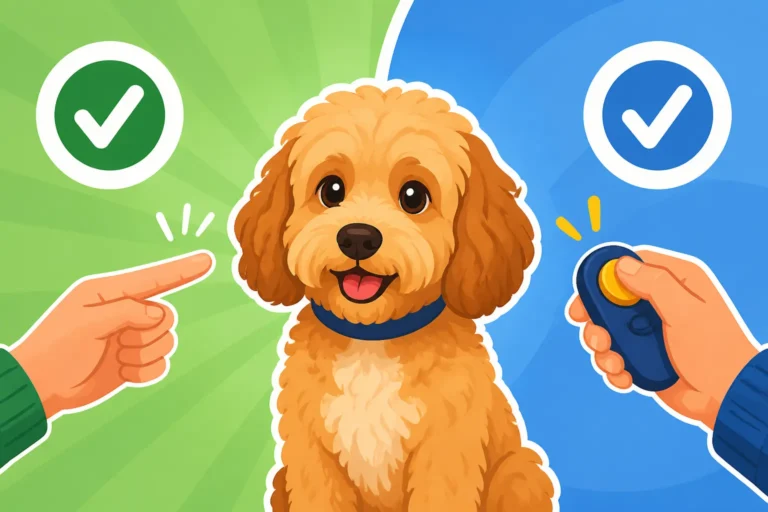
- Positive Reinforcement is Key: Always reward your Cockapoo immediately for any step in the right direction – looking at you, taking a step towards you with the toy, or dropping it. Rewards can be treats, enthusiastic verbal praise, or even another toss of the toy. Never scold or punish them for not returning the toy, as this will make them less likely to engage in the game with you. You want them to think of retrieving as a fun, cooperative activity. You can learn more about effective rewards in articles like Whether a Cockapoo Works Harder for Scent Than Food.
Using Different Toys and Environments
Once your Cockapoo is getting the hang of retrieving in a controlled environment, gradually introduce new challenges:
- Vary the Toys: Start with soft, easy-to-carry toys, then introduce balls, ropes, and even "dummies" if you're interested in more formal gundog-style retrieving. Some Cockapoos might prefer a specific texture or size. Experiment! A Kong frisbee from Amazon is often a good next step from a soft ball.
- Change the Location: Move from a small room to a larger room, then to a fenced yard, and finally to a safe, enclosed park. Each new environment brings new distractions, so be prepared to go back to shorter throws and higher rewards initially.
- Introduce Distractions Slowly: This is where you test the reliability of your retrieve. Start with very minor distractions and gradually increase them. If your Cockapoo struggles, simplify the environment again. Remember, the goal is success, not failure. Teaching a Cockapoo to Bring the Ball Back goes into more detail on these specific steps.
Common Challenges and Troubleshooting for Retrieving
Even with the best intentions and consistent training, you might hit a few snags. It's completely normal, and there are ways to work through these common challenges.
When Your Cockapoo Just Won't Bring it Back
This is arguably the most common issue. Your Cockapoo loves the chase, but the return is a hard pass.
- Make Yourself More Interesting: Are you just standing there waiting? Be exciting! Squat down, clap your hands, use a happy, high-pitched voice. Make yourself the most exciting thing in the yard.
- Run Away (Briefly): This counter-intuitive trick can work wonders. When your Cockapoo has the toy and is running away, turn your back and run away from them in the opposite direction, calling their name excitedly. Many dogs have a strong "herding" or "following" instinct and will chase after you, often bringing the toy with them. The moment they get close, praise and reward.
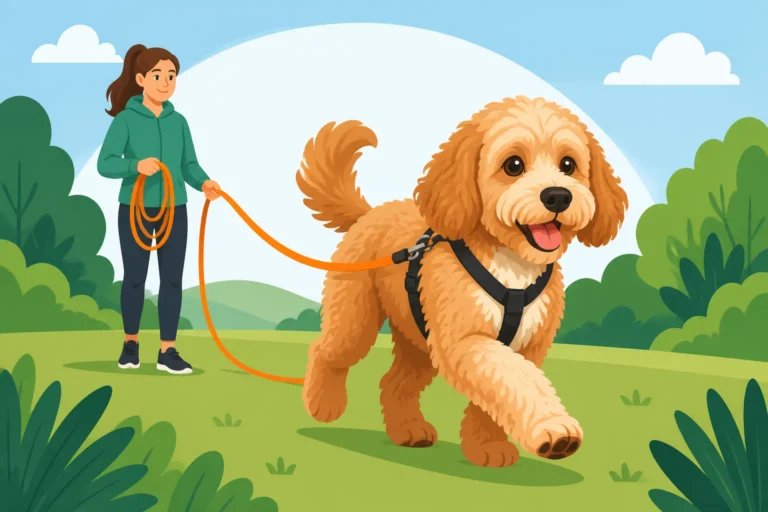
- Use a Long Line: If you're struggling in an open space, attach a lightweight long line to your Cockapoo. When they grab the toy but don't return, gently reel them in while continuing to be positive and encouraging. This prevents them from fully "keeping away" and allows you to enforce the return without punishment. Just be careful not to jerk or pull, as you want the experience to remain positive.
- Check the Value: Is the toy truly high-value? Sometimes a dog just isn't that invested in a particular toy. Try different toys, or even try tossing a treat for them to "retrieve" (and eat!) initially.
Dealing with Destructive Chewing During Retrieve
Some Cockapoos might retrieve the item, only to immediately start chewing on it, often destroying it in the process.
- Choose Durable Toys: This seems obvious, but it's the first line of defense. Opt for rubber, hard plastic, or specially designed durable fabric toys from places like Amazon.
- Interrupt and Redirect: If you see your Cockapoo starting to chew, immediately say a firm but calm "no" or "leave it," and then offer them a more appropriate chew toy (like a Kong stuffed with peanut butter) as soon as they drop the retrieved item. Praise them for dropping it and for taking the chew toy.
- Keep Retrieve Sessions Short: If chewing is a persistent issue, keep your retrieve sessions very short and focused. End the game before they get a chance to settle in and chew.
- Teach "Out" or "Drop It" Immediately: Work intensely on a solid "drop it" command the moment they get the toy. The less time they have to chew, the better.
Overcoming Distractions and High Drive
A Cockapoo's spaniel heritage can mean a high prey drive and an easily distracted nose. They might chase the ball, but then get sidetracked by a leaf, a scent, or a squirrel.
- Start in Low-Distraction Environments: As mentioned, begin training in quiet, enclosed spaces. Gradually introduce distractions.
- Increase the Value of Your Rewards: When training in distracting environments, your rewards need to be even more enticing than the distractions. High-value treats (chicken, cheese) or their absolute favorite toy will be more effective than plain kibble.
- Practice Short Bursts: Instead of long, drawn-out sessions, do short, frequent training bursts. Five minutes of focused retrieving practice a few times a day is more effective than one long, frustrating session.
- "Check In" Practice: On walks, practice having your Cockapoo "check in" with you frequently, even without a toy. Reward them for making eye contact and coming close. This strengthens their overall recall, which is fundamental to a reliable retrieve, especially for a dog whose nose might lead them astray. The Age a Cockapoo's Recall Falls Apart is a good read to understand recall challenges.
In conclusion, while a Cockapoo's retrieving abilities aren't always a guaranteed, polished performance straight out of the box, their genetic blend of a passionate gundog and a clever water retriever means they have all the raw ingredients to become fantastic fetch players. With patience, positive reinforcement, and a clear understanding of what you're asking, you can absolutely cultivate a love for bringing that ball right back to you. It's all about making it fun, rewarding, and a team effort.
| Trait/Behavior | Cocker Spaniel Influence | Poodle Influence | Result in Cockapoo (General Tendencies) |
|---|---|---|---|
| Chase Drive | Very High (flushing, pursuing game) | High (water retrieving, active) | Almost always high; loves to run after moving objects. |
| Retrieve Instinct | Strong desire to pick up and carry objects (soft mouth) | Strong desire to pick up and carry; biddable | Strong, but needs guidance for consistent return. |
| Delivery to Hand | Often prefers "keep away" or drops nearby; needs training | Eager to please; more inclined to learn formal retrieve | Variable; depends on individual and training. |
| Focus/Trainability | Can be easily distracted by scents; enjoys independence | Highly intelligent, focused, eager to learn commands | Generally intelligent and trainable, but can have spaniel distractions. |
| Motivation | Play, hunt instinct, carrying a "trophy" | Pleasing owner, mental stimulation, working together | Play, treats, praise, and owner interaction. |
Disclaimer
This article is for general informational purposes only and does not constitute professional advice. Laws, prices and regulations vary by location and change over time. Consult a qualified professional for guidance on your specific situation.