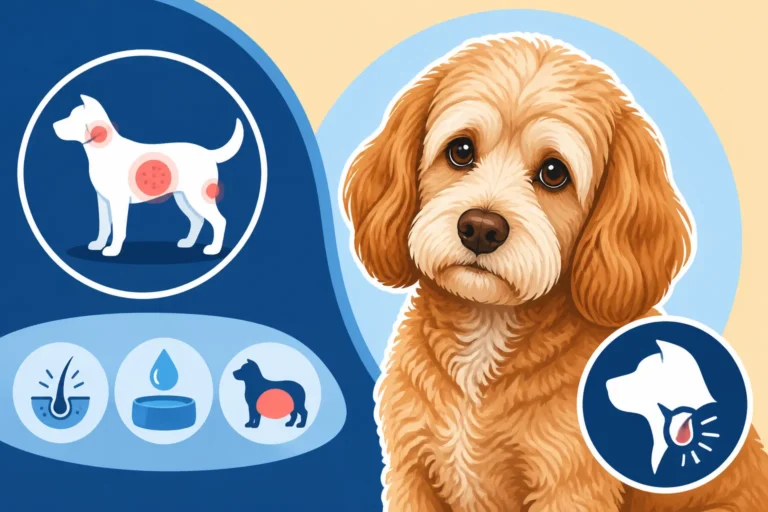
Whether a Cockapoo Carries a Bleeding Disorder
It’s truly unsettling to notice unexpected bruising, prolonged bleeding from a minor cut, or even blood where it shouldn't be in our beloved Cockapoos. As pet parents, our hearts sink at the thought of our furry companions being in discomfort or facing a serious health issue that isn't immediately obvious. This comprehensive guide aims to shine a light on bleeding disorders that can affect Cockapoos, helping you understand the risks, recognize the signs, and know what steps to take to keep your cherished pet as healthy and happy as possible.
Understanding Bleeding Disorders in Cockapoos
When we talk about bleeding disorders, we're referring to conditions that prevent the blood from clotting properly, or that lead to excessive bleeding, either internally or externally. For Cockapoo owners, this can be a particular concern because of the unique genetic blend their breed represents. Both parent breeds – the Cocker Spaniel and the Poodle – carry specific predispositions that can, unfortunately, converge in our adorable doodles.
The Genetic Blend: Cocker Spaniel and Poodle Influences
A Cockapoo is a wonderful mix, celebrated for its intelligence, affectionate nature, and often, a low-shedding coat. However, this hybrid vigor doesn't make them immune to inherited health conditions. The genetic lottery means they can inherit traits from either side of their family tree, including genetic predispositions to certain health issues. This is why understanding the health history of both parent breeds is so crucial for Cockapoo owners.
From the Cocker Spaniel side, there are concerns like Familial Nephropathy and the Kidneys a Cockapoo Can Inherit, but when it comes to bleeding, they can pass on traits that contribute to clotting deficiencies. Similarly, Poodles, especially Standard Poodles, are known to carry specific genetic markers for bleeding disorders. When these two breeds are combined, the potential for certain conditions to appear in their offspring exists, making responsible breeding practices absolutely paramount.
Why Bleeding Disorders Can Be So Frightening
Discovering that your Cockapoo might have a bleeding disorder is, understandably, terrifying. The very idea that a small cut could lead to a life-threatening situation, or that internal bleeding could occur without any visible signs, can fill any devoted pet owner with dread. There's also the anxiety of not knowing if seemingly minor incidents, like a bruise after a playful tumble, are actually indicators of a deeper problem.
Moreover, these conditions often require lifelong management, which can be emotionally and financially demanding. You want the best for your furry family member, and the thought of them enduring chronic health challenges or facing emergencies due to their blood not clotting correctly is a heavy burden. It’s a situation no one ever wants to find themselves in, but being informed is the first step toward effective care.
Von Willebrand Disease: The Most Common Concern
Among the various bleeding disorders, Von Willebrand Disease (vWD) is by far the most prevalent inherited clotting disorder in dogs, and it’s one that Cockapoo owners should be particularly aware of. This genetic condition affects the blood's ability to clot, leading to prolonged bleeding from even minor injuries or during surgery. It’s caused by a deficiency in Von Willebrand factor (vWF), a protein that helps platelets stick together and form a plug at the site of injury.
Types of Von Willebrand Disease in Dogs
Von Willebrand Disease isn't a single condition but rather a spectrum, categorized into three main types, based on the severity and specific characteristics of the vWF deficiency. Understanding these types can help clarify the potential impact on your Cockapoo.
- Type 1 vWD: This is the most common form and is characterized by a quantitative deficiency, meaning there is a reduced amount of normal vWF in the blood. Dogs with Type 1 vWD typically experience mild to moderate bleeding episodes. This type is found in many breeds, including Doberman Pinschers, Poodles, and Golden Retrievers. A Cockapoo inheriting this from its Poodle lineage is a possibility.
- Type 2 vWD: This type involves a qualitative defect, where the dog produces normal amounts of vWF, but the factor doesn't function correctly. This is a much rarer and more severe form of the disease, often leading to significant bleeding. Breeds like German Shorthaired Pointers and German Wirehaired Pointers are typically associated with Type 2.
- Type 3 vWD: The most severe form, Type 3 vWD, is characterized by a near-complete absence of vWF. Dogs with Type 3 vWD often suffer from severe, spontaneous, and life-threatening hemorrhages. This type is most commonly seen in Scottish Terriers and Chesapeake Bay Retrievers, though it can appear in others.
It’s important to note that while Poodles are primarily known for Type 1 vWD, the presence of different types across various breeds means that a Cockapoo's genetic makeup could potentially expose them to any of these types if the parent breeds carried such lines, though Type 1 is the most common risk.
Symptoms and Severity of vWD
The signs of Von Willebrand Disease in a Cockapoo can vary greatly depending on the type and severity of the condition. Some dogs might live their whole lives with a mild form and never show noticeable symptoms, while others might experience severe, spontaneous bleeding from a young age. This variability is what makes it so challenging for owners to identify without proper testing.
Common symptoms can include prolonged bleeding after injury, surgery (like neutering), or dental procedures. You might also notice nosebleeds (epistaxis), blood in the urine or stool, or excessive bruising that seems to appear without a clear cause. Females might experience unusually heavy or prolonged bleeding during their heat cycles or after giving birth. In severe cases, dogs might have spontaneous bleeding into their joints, leading to lameness and pain, or bleeding into body cavities, which can be life-threatening. If you observe any of these symptoms, especially if they are recurring or severe, it's critical to consult your veterinarian immediately.
Genetic Testing for vWD
The good news amidst the worry is that Von Willebrand Disease is a genetic condition for which reliable DNA tests exist. This means responsible breeders can screen their breeding stock to ensure they are not passing on the gene to their puppies. For prospective Cockapoo owners, asking a breeder for the health testing results of both parent dogs, particularly for vWD, is not just advisable; it's absolutely essential.
DNA tests can identify whether a dog is clear, a carrier, or affected by vWD. A "clear" dog has two normal copies of the gene, a "carrier" has one normal and one affected copy (and typically won't show symptoms themselves), and an "affected" dog has two copies of the affected gene and will likely develop the disease. For a Cockapoo, knowing this status, especially when considering a procedure like spaying or neutering, is invaluable. In fact, if your Cockapoo has not been tested, asking your vet, "Whether a Cockapoo Should Be vWD Tested Before Neutering," is a fantastic conversation starter. This foresight can prevent a lot of heartache and emergency situations down the line.
Other Potential Bleeding Disorders
While Von Willebrand Disease often takes center stage in discussions about canine bleeding disorders, it's not the only condition that can affect a Cockapoo. Understanding that other possibilities exist, both inherited and acquired, is vital for a comprehensive approach to your pet's health.
Hemophilia and Platelet Disorders
Beyond vWD, other inherited bleeding disorders can rarely manifest in Cockapoos. Hemophilia, for instance, is another significant genetic clotting disorder, though it’s far less common than vWD. It's typically an X-linked recessive trait, meaning it primarily affects males who inherit the defective gene from their mothers (who are usually carriers). There are different types, such as Hemophilia A (factor VIII deficiency) and Hemophilia B (factor IX deficiency), both of which lead to impaired blood clotting. Dogs with hemophilia can experience similar symptoms to vWD, including prolonged bleeding after injury or surgery, spontaneous bruising, and internal hemorrhages.
Platelet disorders, on the other hand, involve issues with the platelets themselves – the tiny cells that initiate the clotting process. This could be a deficiency in the number of platelets (thrombocytopenia) or a problem with their function (thrombocytopathia). Some breeds have inherited forms of these conditions. For example, some Cocker Spaniels can be prone to immune-mediated thrombocytopenia, where the body mistakenly attacks and destroys its own platelets. This is an autoimmune disease, and while not strictly a bleeding disorder in the same way as vWD or hemophilia, it results in similar symptoms of easy bruising and bleeding due to low platelet counts. If you notice signs like this, you might wonder, "Whether a Cockapoo Gets Immune Mediated Platelet Loss," and it's certainly worth discussing with your vet.
Acquired Bleeding Issues vs. Inherited
It's crucial to distinguish between inherited bleeding disorders, which your Cockapoo is born with due to genetics, and acquired bleeding issues, which develop later in life due to other factors. Many common health problems can lead to secondary bleeding issues, and these are often more prevalent than true inherited disorders.
For instance, certain medications (like NSAIDs or some antibiotics), exposure to toxins (such as rodenticides), severe liver disease (as the liver produces many clotting factors), kidney failure, or even severe infections can all disrupt the body's clotting mechanisms. Furthermore, some types of cancers, especially those that spread widely or affect the bone marrow, can lead to low platelet counts or dysfunctional clotting factors. Even physical trauma can lead to bleeding that, if not addressed, can become complicated. When your vet is investigating bleeding, they’ll carefully consider both inherited and acquired causes, and this is where comprehensive diagnostics come into play. It highlights why understanding issues like "The Tumors a Cockapoo Develops" is important for general health vigilance.
Recognizing the Signs of a Bleeding Disorder
As a Cockapoo owner, you're your dog's first line of defense. Being observant and knowing what to look for can make a significant difference in getting an early diagnosis and initiating treatment. Sometimes the signs are subtle, almost imperceptible, while other times they can be startling and alarming.
Subtle Clues and Early Warning Signs
It's easy to dismiss a small bruise or a momentary nosebleed as "just one of those things," especially with an active, playful Cockapoo. They bump into things, they play rough, and sometimes accidents happen. However, when these incidents become frequent, unexplainable, or more severe than expected, they should raise a red flag.
Look for recurrent nosebleeds, particularly if they are not triggered by obvious activity or trauma. Notice if your Cockapoo seems to bruise more easily than other dogs, or if the bruises are unusually large or take a long time to fade. Bleeding from the gums during brushing or after chewing a toy might seem normal, but if it's excessive or persists for an extended period, it's a concern. Even subtle signs like a dull coat, lethargy, or a decrease in appetite can sometimes be linked to underlying anemia caused by slow, chronic blood loss. Pay close attention if your Cockapoo seems unusually weak, tired, or less enthusiastic about their usual walks or playtime. These subtle changes in energy or behavior are often the first indicators that something isn't quite right.
When to Seek Emergency Veterinary Care
While subtle signs warrant a vet visit, certain symptoms demand immediate emergency attention. These are situations where every minute counts and can genuinely be the difference between life and death for your beloved pet.
If you observe any signs of significant, uncontrolled bleeding – whether it's from an injury, the nose, mouth, rectum, or vagina – do not delay. This includes persistent bleeding that won't stop with pressure, or bleeding that fills bowls or soaks towels quickly. Large, rapidly expanding bruises or swelling, especially if it seems painful or impacts movement, could indicate internal bleeding. If your Cockapoo suddenly collapses, becomes extremely weak, has pale gums (instead of a healthy pink), or shows signs of difficulty breathing, these could be indicators of severe blood loss or internal hemorrhage. Also, if you notice blood in vomit or diarrhea that is more than just a fleck, or if stools appear tarry black (melena), it suggests bleeding in the digestive tract. In these scenarios, bypass making an appointment and head straight to your nearest emergency veterinary clinic. Early intervention is absolutely critical in these emergencies.
Diagnosis and Management: What to Expect
If you suspect your Cockapoo might have a bleeding disorder, the journey ahead involves careful veterinary investigation and, if a diagnosis is confirmed, ongoing management. It can feel overwhelming, but your vet will be your best guide through this process.
Veterinary Investigations and Blood Tests
When you bring your Cockapoo to the vet with concerns about bleeding, they will start with a thorough physical examination and discuss your pet's full medical history, including any previous bleeding incidents, medications, and potential exposures. This initial conversation is vital for narrowing down possibilities.
The next step almost always involves a series of blood tests. A complete blood count (CBC) will assess red blood cells (checking for anemia), white blood cells, and platelet count. A low platelet count could point to immune-mediated thrombocytopenia or other issues. However, if the platelet count is normal but bleeding persists, the vet will likely move on to specific clotting tests. These include the prothrombin time (PT) and activated partial thromboplastin time (aPTT), which evaluate the different pathways of the coagulation cascade. For suspected vWD, a specific test to measure the Von Willebrand factor antigen (vWF:Ag) level in the blood is performed. This can confirm the diagnosis and help determine the type. If a genetic bleeding disorder is suspected, a DNA test for conditions like vWD, similar to "The FN DNA Test a Cockapoo Breeder Runs" for kidney issues, might be recommended to pinpoint the exact genetic mutation. Sometimes, additional tests, like a buccal mucosal bleeding time (BMBT), which measures how long it takes for a small cut on the inside of the cheek to stop bleeding, are used as a screening tool. This comprehensive approach helps ensure an accurate diagnosis.
Treatment Options and Long-Term Care
The treatment and long-term management of a bleeding disorder in a Cockapoo depend entirely on the specific diagnosis and its severity. For mild cases of Type 1 vWD, for example, affected dogs might not need daily medication but will require careful monitoring, especially around surgeries or injuries. When surgery is necessary, specific pre-treatment, such as administering a desmopressin acetate (DDAVP) injection which can temporarily increase vWF levels, or even a plasma transfusion, might be recommended to help prevent excessive bleeding. Your vet might also want to do a "Whether a Cockapoo Needs a Clotting Test Before Surgery" check just to be safe.
For more severe conditions, like Type 3 vWD or hemophilia, management can be more intensive. This might involve regular transfusions of fresh frozen plasma (FFP) to supply the missing clotting factors or vWF. Owners will need to be extremely vigilant about preventing injuries, perhaps limiting certain high-impact activities or ensuring a safe home environment. Medications might be prescribed to manage pain if bleeding into joints occurs, or to address underlying autoimmune issues if relevant, as with "How Long Immune Anemia Treatment Runs in a Cockapoo." It’s a commitment to lifelong care, focused on minimizing bleeding episodes and managing any that do occur. Having a strong relationship with your veterinarian and an open line of communication is paramount. It’s a journey, but with dedicated care, Cockapoos with bleeding disorders can still lead fulfilling lives. Remember, dealing with a diagnosis of a chronic condition can be financially daunting, which is why many owners find comfort in pet insurance providers like Healthy Paws, which can help cover unexpected veterinary costs, particularly for ongoing treatments and emergency care.
Prevention: Responsible Breeding and Testing
The thought of your sweet Cockapoo suffering from a preventable genetic condition is heartbreaking. The most effective way to minimize the risk of inherited bleeding disorders, like many other genetic health issues, lies squarely in responsible breeding practices and proactive testing.
The Importance of Responsible Breeders
Choosing a puppy from a responsible, ethical breeder is arguably the single most important decision you can make as a prospective Cockapoo owner. A good breeder prioritizes the health and well-being of their breeding dogs and their puppies above all else. They understand the genetic risks inherent in both Cocker Spaniels and Poodles and take proactive steps to mitigate those risks.
Responsible breeders will health test both parent dogs for a range of inherited conditions, including, critically, Von Willebrand Disease. They won't just tell you they test; they'll readily provide verifiable documentation and certificates, like "The Five Certificates a Cockapoo Breeder Should Show," from reputable genetic testing laboratories such as Paw Print Genetics or OFA (Orthopedic Foundation for Animals). They'll be transparent about their breeding lines, any known health issues in those lines, and will be eager to answer all your questions, even the tough ones. They won't breed carriers to carriers for conditions like vWD, as this dramatically increases the chance of producing affected puppies. While the initial cost of a puppy from a responsible breeder might be higher, it’s an investment in your Cockapoo's long-term health, potentially saving you immense emotional and financial strain down the road.
Pre-Surgical Screening for Your Cockapoo
Even if your Cockapoo comes from tested parents and appears perfectly healthy, pre-surgical screening is a non-negotiable step before any elective surgery, such as spaying, neutering, or even a routine dental cleaning. This is a critical safety measure that can detect potential bleeding issues that might otherwise go unnoticed.
Before any procedure that involves anesthesia and potential bleeding, your veterinarian will recommend a comprehensive pre-anesthetic blood panel. This panel typically includes a CBC (complete blood count) and a chemistry panel to assess organ function. More importantly, for bleeding disorders, it will also include a clotting profile, often looking at PT and aPTT values. If there's any concern based on these tests, or if your Cockapoo's breed mix or history suggests a higher risk, your vet might recommend additional specific tests, such as the vWF:Ag test. This proactive approach ensures that if an underlying bleeding tendency exists, it can be identified and addressed before surgery. This allows the veterinary team to take appropriate precautions, such as having blood products on hand or administering specific medications, to minimize bleeding risks during and after the procedure. It's an essential part of responsible pet ownership, helping to ensure your Cockapoo's safety during what can be a stressful time. Many pet owners rely on companies like Healthy Paws for pet insurance, and having a policy in place before these screenings can provide reassurance about covering necessary diagnostic tests or potential treatments.
Living with a Cockapoo and a Bleeding Disorder
While a diagnosis of a bleeding disorder can be daunting, it's certainly not the end of the world for your Cockapoo. Many dogs with these conditions, especially milder forms of Type 1 vWD, lead happy, full lives with careful management. The key is consistent, proactive care and a deep understanding of your dog's specific needs.
This might mean adjusting their lifestyle to minimize injury risks. For example, if they're prone to bruising or joint bleeds, ensuring a safe home environment, using ramps instead of stairs, or avoiding overly rough play with other dogs might be necessary. Regular communication with your vet is paramount, and you might find yourself becoming quite knowledgeable about "The Bloodwork That Catches a Cockapoo's Kidney Disease" or other health markers relevant to your dog's overall well-being. Keeping a detailed log of any bleeding episodes, their severity, and what might have triggered them can provide invaluable information for your vet. And remember, dogs are incredibly resilient. With your love, patience, and diligent care, a Cockapoo with a bleeding disorder can still enjoy many wonderful years, making memories with you and truly living out "What Sixteen Years With a Cockapoo Comes To."
Disclaimer
Please remember that this article is intended for informational purposes only and should not be considered a substitute for professional veterinary advice. Always consult with your veterinarian regarding any health concerns or before making any decisions about your pet's medical care.