The Price of Removing a Cockapoo’s Eye
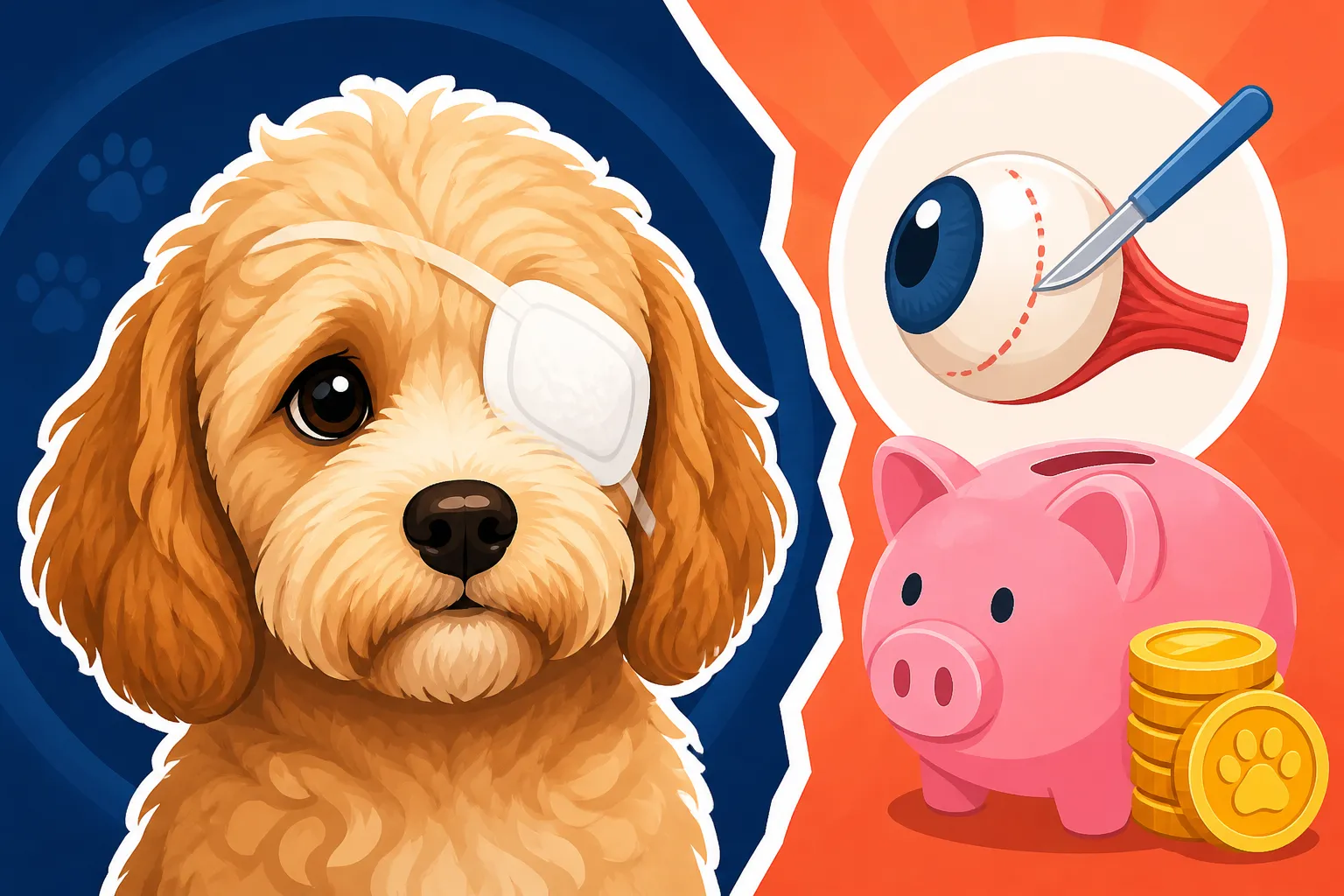
Finding out your beloved Cockapoo might need an eye removed can be a truly heart-wrenching moment. It’s not just the thought of your furry family member going through surgery, but the immediate concern about their comfort, their recovery, and, let’s be honest, the unexpected financial impact of such a serious procedure. This guide is here to walk you through the various aspects of enucleation, which is the medical term for eye removal, for a Cockapoo, focusing on what drives the costs and how you might manage them, so you can focus on giving your pup the best care.
Understanding Enucleation for Your Cockapoo
When a veterinarian recommends enucleation, it's never a decision taken lightly. It signifies that the eye is either causing immense pain, is beyond repair, or poses a significant risk to your Cockapoo's overall health and well-being. For any devoted Cockapoo owner, this news can feel like a punch to the gut. Our dogs are our companions, and seeing them suffer, or facing a procedure that changes their appearance, is incredibly difficult. But it's important to remember that this surgery, while drastic, is often the kindest solution for persistent pain or severe disease.
Why an Eye Might Need to Be Removed
There are several serious conditions that can lead to the necessity of eye removal in a Cockapoo. One of the most common reasons is severe, untreatable glaucoma. Glaucoma, particularly Glaucoma From the Cocker Side of a Cockapoo, can cause excruciating pressure inside the eye, leading to irreversible blindness and constant, throbbing pain. If medication isn't enough to control the pressure and pain, or if the eye has already lost its vision and is a source of chronic discomfort, removal becomes the most humane option. It's truly heartbreaking to watch a dog constantly squint or rub at a painful eye, and enucleation offers them relief.
Another significant reason for eye removal is severe trauma. Accidents happen, and sometimes an injury can be so severe that the eye globe is irreparably damaged. This could be from a fall, a fight with another animal, or an impact that causes a rupture or deep laceration that simply cannot be stitched or healed without complications. In such cases, removing the eye prevents infection, further pain, and ensures a clean recovery. Early intervention is key, and sometimes, even with prompt veterinary attention, the damage is just too extensive.
Furthermore, certain types of cancerous tumors can necessitate enucleation. While less common, tumors that develop within the eye or around the orbit can grow, become painful, and even spread to other parts of the body. If a biopsy confirms malignancy and the tumor is contained within the eye, removal offers the best chance for complete excision and prevention of metastasis. This is a terrifying diagnosis for any pet parent, and deciding on such surgery involves deep discussions with your veterinary oncologist about prognosis and quality of life. Sometimes, conditions like severe, unresponsive dry eye (keratoconjunctivitis sicca) or chronic, deep corneal ulcers that don't heal, despite aggressive medical and surgical treatments, can also reach a point where the eye becomes so diseased and painful that removal is the only way to restore comfort and prevent ongoing suffering. The goal is always to save the eye if possible, but when quality of life is compromised, tough decisions must be made.
The Urgency and Decision-Making Process
When your vet suggests enucleation, it's rarely a suggestion for a cosmetic improvement; it's almost always a critical medical intervention aimed at alleviating severe pain or preventing a more dire health outcome. Imagine living with a constant, severe headache or eye pain; that's often what your Cockapoo is experiencing. The urgency is often dictated by the underlying condition—for instance, acute, uncontrolled glaucoma can cause rapid, irreversible damage and intense pain, making prompt action vital. If you ever see The Red Eye That Means a Cockapoo Needs a Vet Tonight, it often signals an emergency that could lead to this discussion.
The decision-making process can feel overwhelming, burdened by emotions, concerns about your dog's future quality of life, and the financial implications. It's crucial to have open and honest conversations with your veterinarian or a veterinary ophthalmologist. They can explain the specific reasons for the recommendation, the expected outcomes, and what recovery will look like. Ask all your questions, no matter how small they seem. Understanding the prognosis for the eye in question and the potential for the disease to affect the other eye (especially with conditions like glaucoma) is key to making an informed choice.
Many owners worry about how their Cockapoo will adapt to life with one eye. The good news is that dogs are incredibly resilient. They often adjust far quicker than we anticipate, relying on their other senses, particularly their powerful sense of smell and hearing, to navigate their world. While there'll be an adjustment period, most dogs go on to live full, happy lives after enucleation, especially once the source of their pain is gone. Your vet can show you examples of how dogs thrive post-surgery, which can be very reassuring. It's about prioritizing their comfort and well-being above all else, even if it means accepting a permanent change to their appearance.
Breaking Down the Costs of Cockapoo Eye Removal
When you're facing something as serious as eye removal for your Cockapoo, understanding the financial side can feel like adding insult to injury. However, being prepared can help you navigate the process with a little less stress. It’s rarely a single fee; rather, it’s a mosaic of different services and medical necessities that contribute to the overall bill. Think of it as investing in your dog's future comfort and health, though the upfront cost can feel daunting.
Initial Consultation and Diagnostics
Before any surgery, there's always an initial assessment. If it's an emergency, this might be an emergency veterinary visit, which carries its own fees that are often higher than a regular office call. Following that, your Cockapoo will likely need a thorough examination by your primary vet, or more likely, a specialist veterinary ophthalmologist. These specialists have advanced training and equipment to accurately diagnose eye conditions. A consultation with an ophthalmologist can be a few hundred dollars alone, just for the specialized expertise and comprehensive eye exam.
Beyond the initial exam, several diagnostic tests are often necessary to pinpoint the exact issue, assess the eye's viability, and ensure your Cockapoo is healthy enough for anesthesia. These might include:
- Tonometry: Measuring the pressure inside the eye, especially critical if glaucoma is suspected.
- Ocular ultrasound: To visualize the structures inside the eye, detect masses, or assess the retina.
- Bloodwork: A full pre-anesthetic panel is essential to check organ function (kidneys, liver) and ensure blood clotting is normal. This helps minimize anesthetic risks. This is similar to The Bloodwork That Catches a Cockapoo's Kidney Disease but for a different purpose.
- Biopsy/Cytology: If a mass is present, samples might be taken to determine if it's cancerous, which guides treatment.
Each of these tests adds to the initial cost, often running into several hundred dollars before a single surgical incision is made. These steps are vital for a safe and successful outcome, ensuring that the surgery is truly necessary and that your Cockapoo is in the best possible condition to undergo it.
The Surgical Procedure Itself
The core of the expense for eye removal lies in the surgery itself. This isn't a simple procedure; it requires a skilled veterinary surgeon, sterile conditions, and careful monitoring. The costs are broken down into several key components:
- Anesthesia: This is a major factor. It includes the anesthetic drugs themselves, the time the veterinary team spends monitoring your Cockapoo under anesthesia (which can be a couple of hours or more), and the specialized equipment used to keep them safe. Factors like your dog's size, age, and any underlying health conditions can influence the complexity and cost of anesthesia.
- Surgeon's Fees: The fee for the actual surgical procedure performed by the veterinarian. This covers their expertise, time, and the intricate nature of the operation. If a board-certified veterinary ophthalmologist performs the surgery, their fees will naturally be higher due to their specialized training.
- Operating Room and Supplies: The cost associated with using a sterile surgical suite, disposable supplies (like drapes, sutures, blades), and any other equipment needed during the operation.
- Medications during surgery: Pain relief, antibiotics, and other supportive drugs administered during and immediately after the procedure.
The combined cost for the surgical procedure itself can vary widely, often ranging from several hundred to well over a thousand dollars, depending on the clinic, the region, and the specific surgeon. It’s a significant investment, but it’s for a procedure that will profoundly improve your dog's quality of life by eliminating chronic pain.
Post-Operative Care and Follow-up
The costs don't end once your Cockapoo leaves the operating room. Post-operative care is crucial for a smooth recovery and to prevent complications. This phase also contributes significantly to the overall bill:
- Pain Management and Antibiotics: Your dog will be sent home with a course of pain medication to keep them comfortable during recovery and often antibiotics to prevent infection at the surgical site. These prescriptions usually last for one to two weeks.
- Elizabethan Collar (E-collar): Commonly known as the "cone of shame," this is vital to prevent your Cockapoo from scratching or rubbing at the surgical site, which could cause the incision to open or become infected. If you don't already have one, the clinic will provide one, and this is another small but necessary cost. You can often find options on pet supply sites like Chewy for various sizes and comfort levels.
- Follow-up Appointments: One or more follow-up visits will be necessary to check the incision site, remove sutures (if non-dissolvable), and ensure healing is progressing correctly. These appointments incur additional consultation fees.
- Histopathology: If a mass or tumor was the reason for removal, the removed eye will almost certainly be sent to a lab for histopathology. This involves examining the tissue under a microscope to confirm the diagnosis, determine if the margins are clear of cancerous cells, and guide any further treatment recommendations. This lab work typically costs a few hundred dollars. It's a critical step in understanding the full picture and future prognosis.
All these post-operative elements contribute to the total expense, so it’s important to factor them into your budget. Providing diligent post-op care at home, including administering medications on time and ensuring your Cockapoo wears their E-collar, is key to avoiding complications that could lead to even more expenses down the line.
Factors Influencing the Total Cost
The total bill for removing your Cockapoo's eye isn't a fixed number you can easily find online. It's influenced by a whole host of variables, from where you live to the specifics of your dog's condition. Understanding these factors can help you anticipate the range of costs and prepare financially. Just like no two Cockapoos are exactly alike, no two surgical cases will have identical price tags.
Geographic Location and Veterinary Practice Type
One of the biggest drivers of veterinary costs is simply where you are located. Veterinary services, like most other services, tend to be more expensive in urban areas or regions with a higher cost of living. A clinic in a bustling city center in California or New York, for example, will likely charge more for an enucleation than a practice in a rural town in the Midwest. This is due to overheads like rent, staff wages, and even the cost of supplies.
Beyond general geography, the type of veterinary practice also plays a significant role. A specialized veterinary ophthalmology clinic, which has state-of-the-art equipment and board-certified specialists, will typically charge more than a general practice veterinarian who performs the procedure. While a general vet might be capable of performing an enucleation, complex cases or those with specific concerns might benefit from the highly specialized care an ophthalmologist provides. It’s about weighing the expertise against the cost, and for something as delicate as eye surgery, many owners opt for the specialist if it’s an option. This is similar to how you might seek out a specialist for Joints in a Cockapoo Bred From Four Sizes if they developed a complex orthopedic issue.
Cockapoo Size and Anesthesia Considerations
While a Cockapoo's size (whether they're a Teacup, Toy, Miniature, or Maxi) doesn't drastically change the cost of the surgical technique for eye removal itself, it can influence the anesthesia portion of the bill. Larger dogs generally require more anesthetic medication, and their monitoring might be more intensive or prolonged. The difference might not be enormous compared to a very small dog, but it's a factor.
However, a more significant consideration than just sheer size is the individual Cockapoo's health status and age. Older dogs or those with pre-existing conditions (like heart murmurs or kidney issues, which some Cockapoos can inherit, as discussed in Familial Nephropathy and the Kidneys a Cockapoo Can Inherit) might require more complex anesthetic protocols, additional monitoring equipment, and specialized staff dedicated solely to anesthesia. This enhanced safety protocol, while absolutely necessary, adds to the overall cost. Your vet will conduct thorough pre-anesthetic bloodwork and possibly other tests to tailor the safest plan for your specific dog.
The Underlying Cause and Complications
The reason why the eye needs to be removed can significantly impact the complexity and, therefore, the cost of the surgery. A straightforward enucleation due to irreparable trauma might be simpler and thus less expensive than removing an eye severely compromised by a large, invasive tumor. If the underlying cause is complex, such as widespread infection or a rapidly spreading cancer, the surgery might require more time, more intricate dissection, and potentially more advanced techniques. For example, if there's extensive inflammation or a tumor that has adhered to surrounding tissues, the surgeon's time and skill requirement will increase.
Furthermore, the potential for or actual occurrence of complications can drive up costs. While veterinary teams strive for seamless procedures, sometimes unexpected issues arise. This could be anything from excessive bleeding during surgery, which requires more resources and time to manage, to post-operative complications like infection, dehiscence (the incision opening up), or excessive swelling. Addressing these complications would necessitate additional veterinary visits, diagnostics, medications, or even a second surgical procedure, all of which add to the financial burden. This is why good post-operative care and vigilance on your part are so important for minimizing such risks.
Managing the Financial Burden
Facing an unexpected, significant veterinary bill can be incredibly stressful. For many Cockapoo owners, the thought of needing an eye removed for their beloved companion comes with immediate worry about how to afford it. It's a situation no one wants to be in, but thankfully, there are several avenues to explore to help manage these costs and ensure your Cockapoo gets the care they need. The emotional weight is heavy enough without the added burden of financial strain.
The Role of Pet Insurance
Pet insurance can be an absolute lifesaver in situations like an emergency eye removal, but its effectiveness depends heavily on when you enrolled your Cockapoo and the specifics of your policy. If your Cockapoo was enrolled in a plan before the eye condition developed or was diagnosed, there's a good chance a significant portion of the costs could be covered. Policies like those offered by Healthy Paws are designed to help with unexpected accidents and illnesses, which enucleation often falls under.
However, the critical detail with almost all pet insurance policies is the "pre-existing condition" clause. If your Cockapoo already had signs or a diagnosis of glaucoma, a tumor, or chronic eye issues before your policy's waiting period ended, the insurance company will likely classify it as a pre-existing condition and may not cover the treatment. This highlights the importance of enrolling your Cockapoo in a good pet insurance plan when they are young and healthy, even if it feels like an unnecessary expense at the time. It's a gamble, but one that can pay off immensely when unforeseen medical emergencies strike, potentially saving you thousands of dollars. Always read your policy's fine print and clarify coverage with your provider.
Exploring Payment Plans and Financial Aid
If you don't have pet insurance or if your Cockapoo's condition is deemed pre-existing, don't despair. Many veterinary clinics understand the financial challenges owners face and offer various options. It's always worth having a candid conversation with your vet's office manager about payment plans. Some clinics have in-house plans, allowing you to pay the total cost over several months.
Another popular option is veterinary credit cards, such as CareCredit. These work like a credit card specifically for healthcare expenses and often offer deferred interest or low-interest payment options for a certain period, which can be a huge relief. However, be mindful of the interest rates if you can't pay it off within the promotional period. Beyond these, there are numerous charitable organizations and foundations dedicated to helping pet owners with veterinary bills. Groups like The Pet Fund, RedRover, or specific breed rescue groups might offer grants or assistance for critical surgeries. A quick online search for "pet financial aid for veterinary care" in your area, or asking your vet for recommendations, can reveal resources you might not have known existed. It takes some legwork, but these programs can bridge the gap when you're in a tough spot.
Budgeting for Unexpected Emergencies
Ultimately, the best way to prepare for unexpected veterinary costs, including major surgeries like eye removal, is to have a dedicated emergency fund for your Cockapoo. Life with pets, much like life itself, is full of surprises, and not all of them are pleasant. Setting aside even a small amount each month, perhaps into a separate savings account, can build a safety net over time. Even if you have insurance, an emergency fund can cover deductibles, co-pays, or expenses not fully covered by your plan.
Consider it a proactive measure for your Cockapoo's lifelong health journey. This fund could also cover routine expenses or unexpected events like The Tumors a Cockapoo Develops or What Treating Immune Anemia Costs in a Cockapoo. While pet ownership brings immense joy, it also comes with significant responsibility, and financial preparedness is a huge part of that. Many owners also consider making healthy choices in diet, perhaps using a high-quality fresh food like Ollie, and ensuring regular exercise to promote overall well-being, which can sometimes reduce the likelihood of certain health issues arising, though emergencies can happen to any dog.
Typical Costs Associated with Cockapoo Eye Removal
To give you a clearer picture, here's a general breakdown of how the costs can accumulate. Remember, these are broad estimates and actual prices will vary significantly based on the factors we've discussed. It’s crucial to get a detailed estimate from your veterinary clinic.
| Cost Component | Estimated Range (General) | Notes |
|---|---|---|
| Initial Exam/Emergency Visit | $100 – $300+ | Higher for emergency hours or specialist consultations. |
| Diagnostic Tests | $200 – $800+ | Includes bloodwork, tonometry, ocular ultrasound, potential biopsy. |
| Surgical Procedure | $800 – $2,500+ | Covers anesthesia, surgeon's fees, operating room, intra-operative medications. Can be higher for specialists or complex cases. |
| Post-Operative Medications | $50 – $200 | Pain relief, antibiotics, anti-inflammatory drugs. |
| Elizabethan Collar (E-collar) | $20 – $50 | If not already owned or provided. |
| Follow-up Visits | $50 – $150 per visit | Usually 1-2 visits needed to check healing and remove sutures. |
| Histopathology (if applicable) | $200 – $400+ | Lab analysis of removed tissue to confirm diagnosis (e.g., cancer). |
| Total Estimated Range | $1,420 – $4,400+ | This is a very wide range, reflecting all the variables involved. |
It’s important to see this table not as exact prices, but as a guide to the shape of the costs. A small, simple case in a rural area might fall on the lower end, while a complex case needing a specialist in a major city could easily exceed the higher end. Always ask your vet for a comprehensive itemized estimate before proceeding. This transparency will help you understand exactly what you're paying for and allow you to make informed decisions for your Cockapoo. Keeping up with preventative care, such as The Kidney and Eye Checks a Cockapoo Needs Yearly, can help catch issues early, potentially avoiding more drastic (and costly) interventions.
The decision to have your Cockapoo's eye removed is never easy, but it’s often the kindest choice you can make to end chronic pain and ensure a good quality of life. While the financial aspect adds another layer of stress, remember that resources and options exist to help. Focus on your Cockapoo's comfort and recovery, and know that they are incredibly adaptable and will thrive with your love and support, even with one less eye. They still have their amazing personality and everything that makes them your cherished companion.
Disclaimer
This article is for general informational purposes only and does not constitute professional advice. Laws, prices and regulations vary by location and change over time. Consult a qualified professional for guidance on your specific situation.