Whether Adenitis Shows Under a Cockapoo’s Curl
It can be incredibly disheartening when you suspect something isn't quite right with your beloved Cockapoo's skin or coat, especially when that beautiful, often curly, fur makes it so difficult to see what's truly going on underneath. Many owners worry about common skin issues, but a less familiar, yet significant, condition is sebaceous adenitis, an inflammatory disease that can hide insidiously beneath their delightful curls. This guide aims to shed light on how to recognize, understand, and manage sebaceous adenitis in your Cockapoo, ensuring you know what to look for even when symptoms are obscured by their unique coat.
Understanding Sebaceous Adenitis in Cockapoos
Sebaceous adenitis, or SA, is one of those frustrating conditions that can creep up slowly, often disguised by a Cockapoo's dense, sometimes curly, coat. It's a genetic, autoimmune skin disease where the sebaceous glands, which produce the natural oils that keep skin and hair healthy, become inflamed and eventually are destroyed. Without these glands functioning properly, the skin and coat suffer immensely, leading to a cascade of problems that are often mistaken for simpler issues like allergies or dry skin. It’s a chronic condition, meaning it's something you and your Cockapoo will manage long-term, not cure.
Why Cockapoos Are Susceptible to This Condition
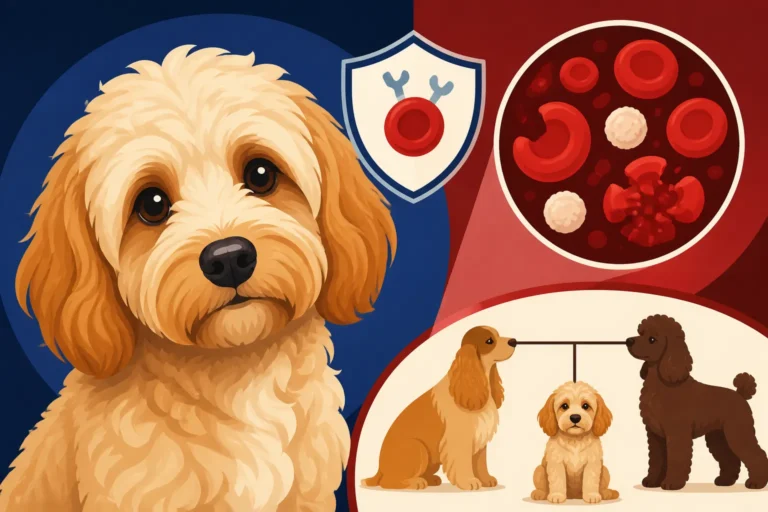
The Poodle side of your Cockapoo's ancestry unfortunately brings a predisposition to sebaceous adenitis. Standard Poodles, in particular, are well-known carriers and sufferers of this condition, so any Cockapoo with Poodle lineage is at a higher risk. This doesn't mean every Cockapoo will develop it, but it certainly means breeders should be diligent about testing their breeding stock. Responsible breeders will often share information regarding their Poodle's health history, which can offer insight into potential inherited conditions. You might even find yourself delving into topics like whether Adenitis Reaches a Cockapoo From the Poodle as you research this complex disease.
The inherited nature of sebaceous adenitis means it's not something your Cockapoo "catches" from the environment. It's a fault in their immune system, where it mistakenly attacks its own sebaceous glands. This autoimmune response is tricky because it varies in severity. Some dogs might have mild symptoms, barely noticeable, while others can suffer from extensive skin and coat damage. The mix of genetics that makes a Cockapoo so charming also makes them a bit of a genetic lottery when it comes to certain health conditions, combining traits from both the Cocker Spaniel and the Poodle.
The Impact of SA on Skin and Coat Health
When the sebaceous glands stop working, the consequences for your Cockapoo's skin and coat are profound. The skin becomes incredibly dry, flaky, and prone to secondary bacterial or yeast infections. Without those natural oils, the hair shafts become brittle and break easily, leading to thinning hair, dullness, and eventually, patchy hair loss. This is why discussions around Skin and Coat Disease in a Cockapoo are so crucial, as SA can severely compromise these aspects of their health.
This lack of natural lubrication also makes the coat incredibly difficult to manage. Matting can become a significant issue, even with regular grooming, because the hair isn't smooth and pliable. The debris from the flaking skin gets trapped in the coat, forming a thick, waxy, scaly layer that's uncomfortable for the dog and challenging for owners to deal with. It's a stark contrast to the healthy, vibrant curl that most Cockapoo owners adore, and dealing with it requires immense patience and dedication.
Recognizing Subtle Signs Underneath the Curl
The real challenge with sebaceous adenitis in a Cockapoo is that their glorious, often dense, curly coat can effectively hide the early warning signs. What might be glaringly obvious on a short-haired breed can be tucked away, only revealing itself when the condition has progressed significantly. This means you, as their dedicated owner, need to be extra vigilant, using your hands as much as your eyes to check their skin regularly.
Visual Clues Often Missed by the Eye
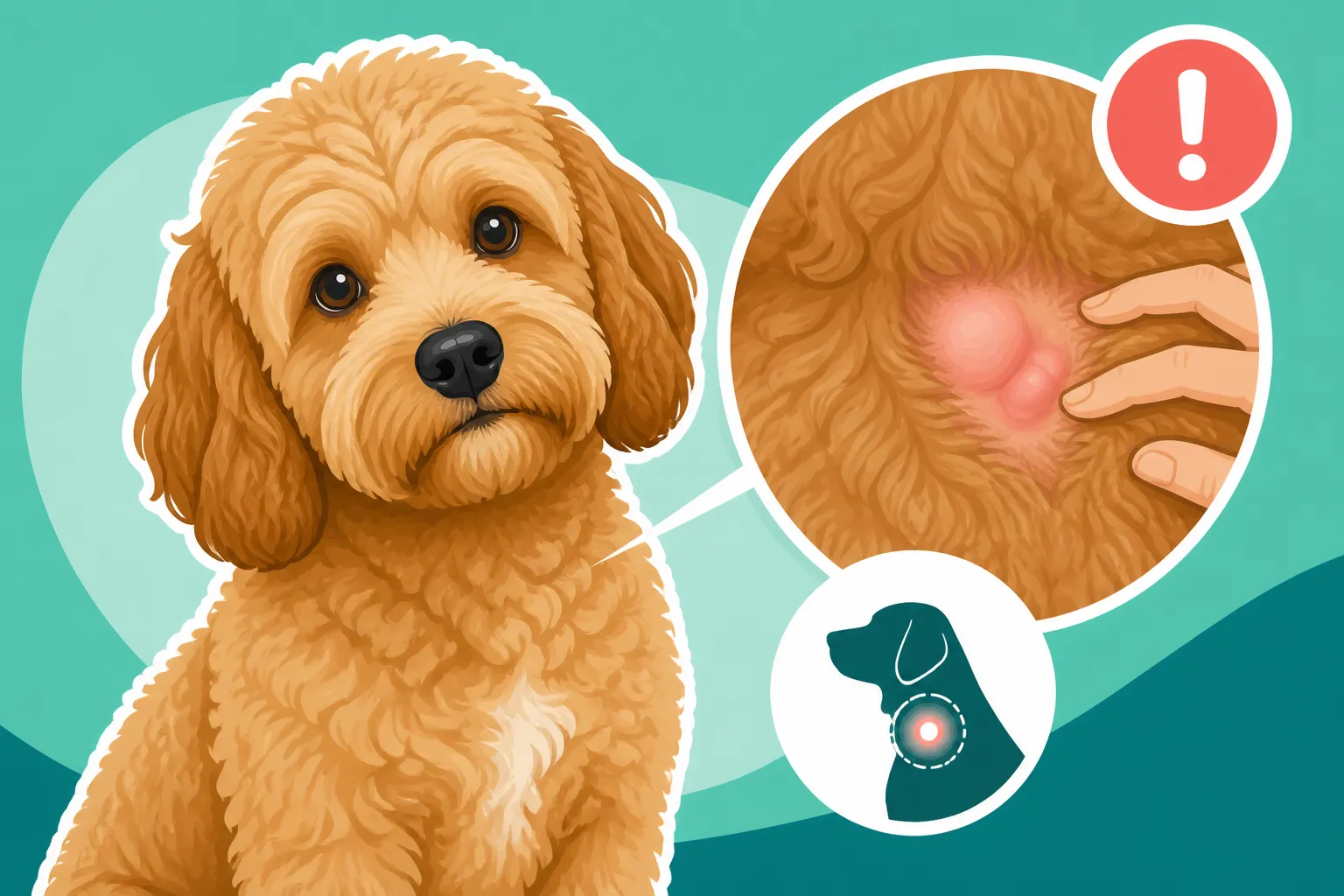
Initially, visual cues can be very subtle. You might notice the coat looking a little duller than usual, perhaps less vibrant in color, or feeling coarser to the touch. It's not uncommon for owners to attribute this to normal shedding cycles, seasonal changes, or even just needing a bath. However, if this dullness persists or seems localized, it's a red flag. Sometimes, the first visible signs are tiny, almost imperceptible flakes or scales caught in the fur, particularly along the back, ears, and tail. These can resemble dandruff, leading to misdiagnosis. You might think, "Oh, my Cockapoo just has some dry skin," but these scales are often a key indicator of underlying issues.
As the disease progresses, the hair loss becomes more apparent, often in patches that can be symmetrical. The Cockapoo might start to look like it has "moth-eaten" areas, or the curls might appear sparse, revealing the skin beneath. This is where the initial frustration kicks in because the beautiful curl you cherish is now becoming a liability, making it hard to assess the extent of the problem. It's worth considering if you're seeing signs that warrant further investigation, like whether a Cockapoo Loses Coat in Patches. The areas most commonly affected are the top of the head, back of the neck, along the spine, and the base of the tail, but it can appear anywhere.
Textural Changes and Other Symptoms
Beyond what you see, what you feel can be even more crucial. When you run your hands through your Cockapoo's coat, pay attention to any changes in texture. The hair might feel greasy and waxy in some spots, yet incredibly dry and brittle in others. The skin itself can feel thickened, bumpy, or unusually rough, especially in areas like the ears or neck. You might also notice small bumps or pustules, which are often the result of secondary infections taking hold in the compromised skin. This is why regular tactile examinations during grooming or cuddle time are indispensable.
Another significant symptom is an unusual odor. With the breakdown of the skin barrier and the presence of bacterial or yeast infections, your Cockapoo might develop a strong, unpleasant smell, even shortly after a bath. This isn't just a "doggy" smell; it's often a distinct, musty, or yeasty odor that lingers. Owners might also observe their Cockapoo scratching or licking excessively, as the dry, irritated skin can be incredibly itchy. This itching can lead to further skin damage and infections. Keeping an eye on behaviors like "Whether a Cockapoo Itches From the Cocker Side" can help you differentiate between common itchiness and more serious underlying conditions like SA. This is where insurance like Healthy Paws can be invaluable, covering diagnostic tests and ongoing treatment costs.
| Symptom Category | Early Signs (Often Hidden by Curl) | Advanced Signs (More Visible/Palpable) |
|---|---|---|
| Coat Appearance | Slight dullness, reduced luster, mild thinning | Obvious hair loss in symmetrical patches, broken hairs, sparse curls, "moth-eaten" look |
| Coat Texture | Slightly dry/coarse, less soft to touch | Greasy, waxy feel, brittle hairs, trapped scales/debris, matting |
| Skin Appearance | Mild flaking (dandruff-like), subtle redness | Thickened skin, prominent scaling, crusting, pustules, hyperpigmentation |
| Skin Texture | Dryness, minor bumps | Rough, leathery patches, oily/greasy film underneath coat |
| Odor | None or subtle "off" smell | Strong, musty, yeasty, or rancid odor |
| Behavioral | Occasional scratching/licking | Persistent scratching, rubbing, excessive licking, discomfort |
Diagnosing and Managing Adenitis in Your Cockapoo
If you've noticed any of the subtle or more overt signs of sebaceous adenitis, the next step is a trip to your veterinarian. Early diagnosis and consistent management are key to keeping your Cockapoo comfortable and preventing the disease from spiraling into more severe secondary issues. It can feel overwhelming, but remember, you're not alone in this journey. Many Cockapoo owners manage this condition successfully with dedication and veterinary guidance.
The Diagnostic Journey
Your vet will start with a thorough physical examination and discuss your observations regarding your Cockapoo's skin and coat history. They'll likely rule out more common skin conditions like allergies, parasites (fleas, mites), or fungal infections first. Because SA often mimics other dermatological issues, a definitive diagnosis usually requires a skin biopsy. This involves taking small tissue samples from the affected areas, which are then sent to a veterinary dermatopathologist for examination under a microscope. This is where the unique pattern of inflamed and destroyed sebaceous glands is confirmed. It's a critical step that helps distinguish SA from other problems, ensuring your Cockapoo gets the correct treatment rather than just addressing symptoms of something else.
Bloodwork might also be run to check for any underlying systemic issues or to assess general health, especially if your vet is considering specific medications. While the diagnostic process can feel a bit drawn out and sometimes expensive, especially if multiple tests are needed, it's absolutely essential for accurate identification of the problem. Having pet insurance, perhaps from a provider like Healthy Paws, can be incredibly helpful in covering these diagnostic costs, easing the financial burden during a stressful time.
Long-Term Care and Living with Adenitis
Managing sebaceous adenitis is a lifelong commitment, but with a consistent routine, most Cockapoos can live comfortable and happy lives. The cornerstone of treatment often revolves around topical therapies aimed at restoring skin barrier function and hydrating the skin. This typically includes specialized shampoos, conditioners, and rinses. Your vet might recommend a protocol that involves frequent bathing, sometimes even daily initially, using products designed to remove scales and loosen follicular plugs. Following these baths, moisturizing rinses or leave-in conditioners are crucial to rehydrate the skin.
Oral medications might also be prescribed, especially for more severe cases. These can include immunosuppressants like cyclosporine to calm the autoimmune response, or antibiotics if secondary bacterial infections are present. Omega-3 fatty acid supplements can also be beneficial for improving skin and coat health, reducing inflammation, and potentially minimizing the need for higher doses of other medications. You might find yourself implementing a meticulous grooming schedule, perhaps even more frequent than the weekly hours each Cockapoo Coat Type Takes, focusing on careful brushing to remove loose hair and scales without irritating the already sensitive skin.
Your vet will work with you to tailor a management plan specific to your Cockapoo's needs, often involving a combination of these approaches. Regular follow-up appointments are vital to monitor progress and adjust treatments as necessary. It’s also important to remember that living with a chronic condition like SA means being patient, observant, and proactive. Keeping their living environment clean, ensuring they have a high-quality diet, and maintaining open communication with your veterinary team are all crucial components of their long-term care. Organizations like the Cockapoo Club of America and the American Cockapoo Club also provide resources and community support for owners facing such challenges.
Disclaimer
This article is intended for informational purposes only and does not constitute veterinary advice. Always consult with a qualified veterinarian for any health concerns or before making any decisions about your Cockapoo's health care.