How Long a Cockapoo Takes to Stop Having Accidents
One of the most common frustrations new Cockapoo owners face is the never-ending battle with potty accidents indoors. You bring home this adorable, fluffy bundle of joy, full of dreams of long walks and cuddles, only to find yourself constantly cleaning up puddles and feeling like you're not making any progress. It's disheartening, and it can make you question if you're doing something wrong. But here's the thing: house training isn't always a quick fix, and understanding the nuances of your Cockapoo's learning process is key to finally getting those accidents to stop. This guide is here to walk you through what to expect, how to be consistent, and what to do when things don't go as planned, helping you navigate the journey to a reliably house-trained companion.
Understanding the Cockapoo's Learning Curve for Potty Training
Bringing a new Cockapoo puppy home is an exciting time, but it also means stepping into the world of potty training. It’s natural to wonder, "How long is this going to take?" The truth is, there's no single answer, as every puppy is an individual, but we can certainly set some realistic expectations based on typical canine development and the Cockapoo's unique blend of intelligence and energy.
Puppyhood Expectations: The Early Weeks
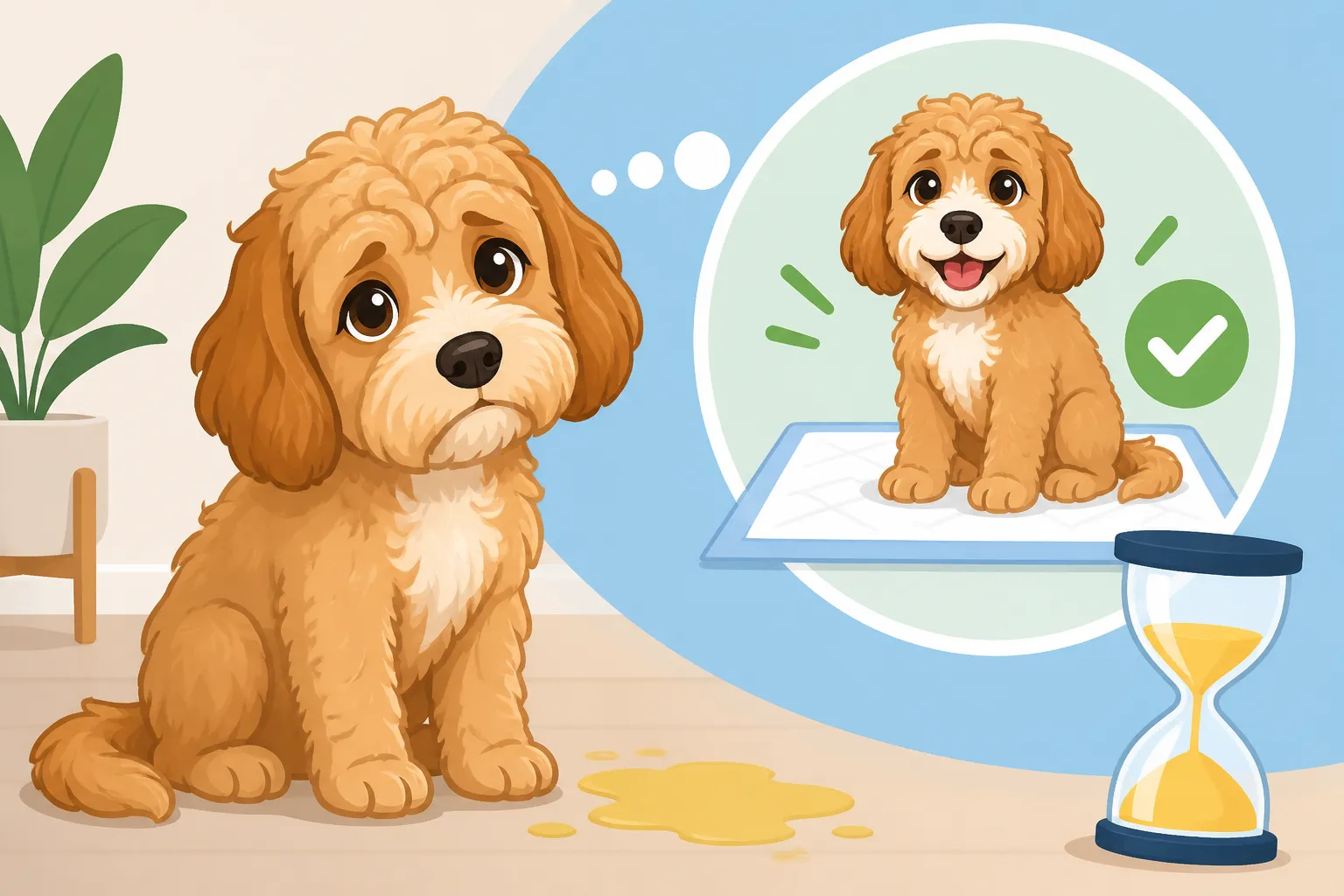
When you first bring home a Cockapoo puppy, especially one under 12-16 weeks, you need to prepare for frequent accidents. Their bladders are tiny, their muscle control is still developing, and they haven't yet learned the concept of holding it or associating certain areas with elimination. Think of them like human toddlers – they simply can't "hold it" for long periods. A good rule of thumb for how long a puppy can hold its bladder is roughly one hour per month of age, plus one. So, a two-month-old puppy might only manage three hours, max. This means a lot of trips outside, often every 30-60 minutes when they're awake, after waking up, after eating, and before bedtime.
During these early weeks, your primary goal isn't perfection, but consistency. Every accident indoors is a missed opportunity to reinforce going outside, but it's also a learning experience for you. You'll start to notice patterns: perhaps they always pee right after a nap, or a few minutes after a big drink of water. Your Cockapoo isn't being stubborn; they're just physically unable to control their urges for very long and haven't connected the dots between needing to go and asking to go out. Patience is your most important tool during this phase. For a deeper dive into what to focus on initially, check out The First Week With a Cockapoo Puppy.
Influences on Potty Training Speed
Several factors can significantly influence how quickly your Cockapoo becomes reliably house-trained. Firstly, the individual puppy's personality plays a huge role. Some Cockapoos, known for their intelligence from both the Poodle and Cocker Spaniel sides, pick things up remarkably fast. They're eager to please and quickly understand the routine. Others might be a bit more distracted, easily sidetracked by a leaf blowing in the wind when they should be focusing on their business.
The environment and your consistency as an owner are equally critical. A puppy raised in a clean environment from birth, where they learned not to soil their sleeping area, usually has a head start. If your Cockapoo came from a situation where they had no choice but to eliminate in their living space, it might take a bit longer to break that habit. More importantly, your dedication to a strict routine, constant supervision, and consistent positive reinforcement will be the biggest driver of success. If you're haphazard with potty breaks or inconsistent with rewards, your Cockapoo will take longer to understand what's expected of them. Their energy levels, often high, also mean they can be easily distracted, making it crucial to make potty breaks purely business at first.
Setting Realistic Timelines
So, how long does it actually take? For most Cockapoos, with consistent, dedicated training, you can expect a good level of house-training reliability somewhere between 4 to 6 months of age. This means they understand they should go outside, they can hold it for reasonable periods (appropriate for their age), and they'll likely signal you when they need to go. However, "reliably house-trained" doesn't mean "never an accident again." Occasional accidents can happen, especially if routines change, if they get sick, or if they're left alone for too long.
It's common for puppies to have accidents up to six months or even a year old, particularly if they are stressed or excited. Some smaller breeds, including smaller Cockapoos, can take a bit longer to fully develop bladder control, sometimes even up to 12-18 months. Don't compare your Cockapoo to your neighbor's dog or even another Cockapoo from the same litter; celebrate every small victory and stay patient. If your Cockapoo seems to be struggling significantly beyond these general timelines, or if they're showing signs of regression after being reliably trained, it’s always wise to rule out medical issues first.
The Foundation of Successful House Training: Consistency is Key
Potty training, at its heart, is all about clear communication and unwavering consistency from you. Your Cockapoo is trying to understand a new language – your language – and the more predictable and understandable you make it, the faster they'll catch on. This isn't just about showing them where to go, but teaching them when to go and how to tell you.
Establishing a Routine That Works
The bedrock of successful potty training is a consistent schedule. Your Cockapoo needs to learn that certain times mean potty time, every single day. This means scheduled trips outside first thing in the morning, last thing at night, immediately after waking from naps, right after meals and water breaks, and before and after any play sessions. Yes, it feels like you're constantly heading out the door, especially with a young puppy, but this repetition is what builds strong habits.
Crate training can be an incredibly valuable tool here. Dogs are naturally inclined not to soil their sleeping areas, so a properly sized crate becomes their den. If your Cockapoo is in their crate, they're much less likely to have an accident. This helps them learn to hold their bladder for longer periods and signals you when they need to go out. Remember, the crate should never be used for punishment, and your Cockapoo should never be left in it for longer than they can reasonably hold their bladder. For tips on managing overnight needs, take a look at How Long a Cockapoo Puppy Holds It Overnight. Integrate these routines: "Crate time means dry time, and outside means potty time."
Positive Reinforcement and Communication
Cockapoos thrive on praise and rewards; they are intelligent and generally eager to please, making positive reinforcement highly effective. When your Cockapoo eliminates outside, celebrate! Use a happy, enthusiastic voice, offer a high-value treat, and perhaps a quick game of tug. This immediate reward helps them connect the act of going potty outside with something wonderful happening. If you wait until you get back inside, the association won't be as strong.
Learning to read your Cockapoo's signals is also crucial. Before an accident, many puppies will exhibit clear signs: sniffing the ground intently, circling, suddenly looking antsy, or heading towards a quiet corner. If you see these signs, calmly and quickly scoop them up (if they're small enough) or leash them and hustle them outside to their designated potty spot. Once they do their business, reward them heartily. Avoid scolding them for accidents; they don't understand it, and it can just make them afraid to go in front of you, leading to them sneaking off to potty in hidden spots. Instead, interrupt, take them out, and if an accident happens, simply clean it up without fanfare.
Managing Accidents Gracefully
Despite your best efforts, accidents will happen. It’s part of the process, and how you handle them makes all the difference. The first rule: never punish your Cockapoo for an accident, especially if you didn't catch them in the act. Scolding them after the fact, rubbing their nose in it, or hitting them will only teach them to fear you or to hide their elimination from you, making training harder. Your Cockapoo won't connect your anger to the old puddle on the floor.
If you catch your Cockapoo mid-accident, immediately interrupt them with a quick, startling sound (like a clap) and rush them outside. If they finish outside, reward them. If they don't, bring them back inside and keep them closely supervised or in their crate, trying again in a few minutes. For cleaning, it's vital to use an enzymatic cleaner (like those found on Amazon) specifically designed to neutralize pet odors. Regular household cleaners might seem to work for us, but a dog's powerful nose can still detect residual smells, which can act as an invitation to go in that spot again. Thorough cleaning removes the scent markers that might encourage repeat offenses. Whether a Cockapoo Puppy's Needle Teeth Go might not be directly about accidents, but managing puppy behaviors often means handling various early challenges with grace.
Common Setbacks and How to Overcome Them
Just when you think you've got this potty training thing down, your Cockapoo might throw you a curveball. Regression, submissive urination, or marking behavior can feel like huge steps backward, but they're often manageable with the right approach and understanding.
Regression: When a Trained Cockapoo Starts Having Accidents Again
It's truly frustrating when your Cockapoo, who was doing so well, suddenly starts having accidents indoors again. This "regression" isn't a sign of defiance; it's usually a symptom of something else going on. The very first step is always a trip to the vet. An increase in accidents, or a sudden inability to hold it, can be a sign of a urinary tract infection (UTI), bladder stones, or even more serious kidney issues. Conditions like Familial Nephropathy and the Kidneys a Cockapoo Can Inherit or The First Signs of Kidney Failure in a Cockapoo can manifest as changes in urination habits, so it’s crucial to rule out medical causes. Your vet might also recommend checking for diabetes or other metabolic conditions if your Cockapoo is also drinking excessively, as discussed in Whether a Cockapoo Drinking Constantly Should Be Tested.
If the vet gives a clean bill of health, then consider behavioral or environmental factors. Has there been a change in your household? A new baby, a different work schedule, a move to a new house, or even a new piece of furniture can stress a sensitive Cockapoo and disrupt their routine. Go back to basics: reinforce your potty schedule with renewed vigilance, supervise them closely, and make sure you're rewarding every outdoor success. Sometimes, just a refresher course on the routine is all they need.
Submissive Urination and Excitement Pee
Some Cockapoos, particularly those on the more sensitive side, might exhibit submissive urination or excitement peeing. Submissive urination usually happens when a dog feels intimidated or overwhelmed. This might be when you greet them too boisterously, if someone looms over them, or during a scolding. The key here is to reduce perceived threats. Greet your Cockapoo calmly, get down to their level, and avoid direct eye contact or overly firm commands if they are prone to this. Let them approach you rather than rushing them.
Excitement peeing is similar but stems from being overly stimulated. This often occurs during exuberant greetings, intense play, or when they anticipate something exciting like a walk. It’s a completely involuntary response, so punishment is not only ineffective but harmful. The bladder simply lets go. To manage this, keep greetings low-key. When you arrive home, ignore your Cockapoo for a few minutes until they've calmed down, then calmly take them outside before any big hellos. Teach visitors to do the same. If they tend to get overly excited before a walk, try to take them out to potty before you even pick up the leash, breaking the association with the exciting event.
Dealing with Marking Behavior
Marking is a distinct type of urination where a dog leaves small amounts of urine to communicate their presence, often on vertical surfaces. It's more common in intact males but can occur in females, especially if they are unaltered or living with intact males. If your Cockapoo starts marking indoors, particularly after reaching sexual maturity, neutering or spaying can often resolve or significantly reduce the behavior. For more on this, you might find Whether a Neutered Male Cockapoo Stops Marking insightful.
However, even neutered dogs can mark if the habit is deeply ingrained or if they feel insecure or threatened by perceived "rivals" (even if those rivals are just other dogs' scents they pick up outside). In these cases, consistent management is crucial. Keep them on a leash indoors when not in their crate to prevent them from slipping off to mark. Use enzymatic cleaners religiously on any marked spots. You might also need to restrict access to certain areas of your home or block views of neighborhood dogs if that seems to be a trigger. Rebuilding confidence through positive training and a predictable routine can also help reduce the underlying anxiety that sometimes fuels marking.
When to Seek Professional Help or Veterinary Advice
While consistency and patience will solve most potty training challenges, there are times when you shouldn't hesitate to reach out for expert help. Ignoring persistent issues can lead to deeper behavioral problems or delay crucial medical treatment for your Cockapoo.
Recognizing Red Flags That Warrant a Vet Visit
Any sudden, drastic change in your Cockapoo's potty habits warrants an immediate vet visit. This includes:
- Increased frequency of urination: If your dog is going out much more often than usual, or straining to urinate.
- Changes in urine volume or appearance: Very small, frequent pees, or urine that looks cloudy, bloody, or has a strong, unusual odor.
- Difficulty urinating: Straining, crying out during urination, or being unable to pass urine.
- Increased thirst: If your Cockapoo is suddenly drinking significantly more water. Whether a Cockapoo Drinking Constantly Should Be Tested is a good resource here.
- Lethargy or changes in appetite: Any accompanying symptoms of illness.
- Accidents after being reliably house-trained for a long time: Especially if it's not clearly linked to a stressful event.
These can all be signs of underlying medical conditions, from common urinary tract infections and bladder stones (see Whether a Cockapoo Forms Urinary Stones) to more serious systemic diseases like diabetes, kidney disease, or even adrenal issues like Addison's disease. A vet can perform a thorough examination, run urine tests, blood work, or imaging to get to the root of the problem and provide appropriate treatment. It’s always better to be safe than sorry when it comes to your pet's health.
Consulting a Professional Dog Trainer
If medical causes have been ruled out, and you're still struggling with house training despite your best efforts, it might be time to bring in a professional dog trainer or behaviorist. An experienced trainer can observe your Cockapoo's behavior, assess your training techniques, and identify subtle cues or inconsistencies you might be missing. They can provide tailored advice and hands-on guidance, helping you implement a more effective plan.
Online resources, like BAXTER & Bella's online puppy school, can also be a fantastic resource for structured training programs and troubleshooting advice from certified professionals. They offer comprehensive lessons that cover everything from basic obedience to specific behavior challenges like potty training. Sometimes, an objective third party is exactly what you need to break through a plateau. They can help with persistent marking, submissive urination, or even just general training foundations like What a Cockapoo Puppy Should Learn First, which can impact overall compliance.
The Long-Term Commitment to Potty Training
It's important to remember that potty training isn't a destination, but an ongoing process, especially in specific situations. While your Cockapoo might be fully house-trained in your home, they might need a refresher when visiting new places, like a relative's house or a hotel. Always assume they need to go out more frequently in unfamiliar environments, at least until they've settled in. Stress and excitement can lower their ability to hold it, as we discussed with excitement peeing.
Even well-trained adult dogs can have accidents if their routine is severely disrupted, if they are left alone for excessively long periods (beyond their ability to hold it), or if they become ill in their senior years. The commitment to providing regular potty breaks, maintaining a clean environment, and staying attuned to your Cockapoo's needs is a lifelong one. A well house-trained Cockapoo is a joy to live with, and the effort you put in during those early months pays dividends for years to come.
Here's a quick overview of typical potty training timelines:
| Cockapoo Age | Bladder Control | Expected Accidents | Owner's Role |
|---|---|---|---|
| 8-12 Weeks (Puppy) | Very Limited | Frequent (daily) | Strict routine, constant supervision, crate training, frequent outdoor trips (every 30-60 min) |
| 3-4 Months | Improving | Decreasing (few per week) | Consistent routine, positive reinforcement, learn dog's signals, enzymatic cleaning |
| 5-6 Months | Good | Rare (occasional) | Continue routine, address distractions, monitor for signs of holding it longer |
| 7-12 Months | Reliable | Very rare (stress/illness) | Maintain routine, address specific issues (marking, excitement), vet check for regression |
| 1 Year + (Adult) | Excellent | Accidents usually indicate illness or significant stress | Annual vet checks, awareness of changes, continued appropriate access to outdoor potty area |
Disclaimer
This article is for general informational purposes only and does not constitute professional advice. Laws, prices and regulations vary by location and change over time. Consult a qualified professional for guidance on your specific situation.