Whether a Pet Cockapoo Can Do Bird Dog Training
Many Cockapoo owners find themselves captivated by their dog's boundless energy and keen interest in the world around them. You might be watching your furry friend pounce on a fallen leaf or eagerly follow a scent trail in the park, and a thought sparks: could my sweet, cuddly Cockapoo actually do some real bird dog training? This guide is here to tell you that not only is it possible, but it can be an incredibly rewarding journey for both of you, tapping into the natural instincts that make your Cockapoo so special.
Understanding the Cockapoo's Hunting Instincts
It's easy to look at a fluffy Cockapoo and only see the charming companion, but underneath that adorable exterior lies a fascinating genetic blueprint. The Cockapoo is a crossbreed, taking qualities from both the Cocker Spaniel and the Poodle, and both parent breeds bring something unique to the table when it comes to potential bird dog work. Understanding these inherent traits is the first step in unlocking your Cockapoo's hidden talents.
The Spaniel's Legacy: Flushing and Scent
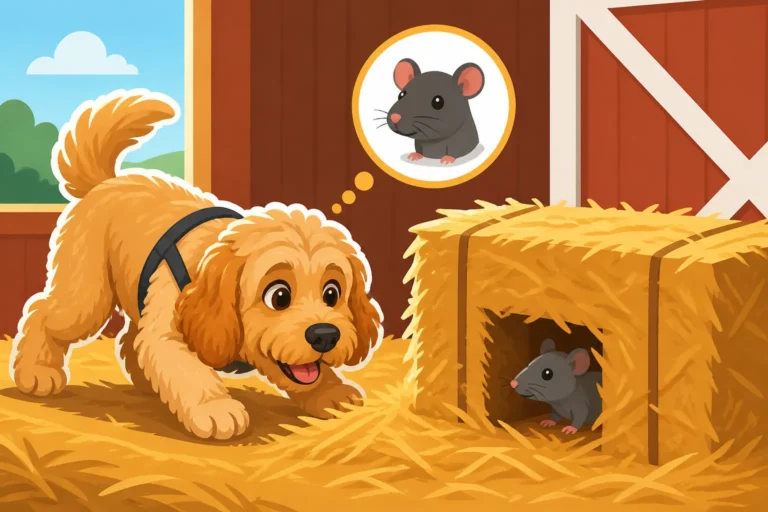
The Cocker Spaniel, whether American or English, was originally bred as a gundog, specifically designed to flush game birds from dense cover and retrieve them. This heritage means that many Cockapoos inherit a strong "flushing drive"—that instinct to quarter back and forth, weaving through grass or bushes, with their nose to the ground, trying to roust out any hidden treasures. This isn't just a playful quirk; it's a deep-seated desire to hunt and find. You might observe your Cockapoo exhibiting this natural behavior when walking through fields or even just exploring your backyard, pushing through shrubs with an intensity that's unmistakable. This inherited inclination is a fantastic starting point for bird dog training, as the fundamental motivation to find is already present. Think of it as a built-in GPS for locating hidden game, even if it's just a tennis ball at this stage. The Flushing Drive Still Alive in a Cockapoo delves deeper into this fascinating characteristic.
The Poodle's Intelligence and Retrieval Drive
Then there's the Poodle side, a breed often underestimated in its working abilities. Poodles were originally water retrievers, used to fetch downed waterfowl for hunters. This means they possess high intelligence, trainability, and a natural inclination to retrieve. They are often keen problem-solvers, eager to please, and highly athletic. These traits are invaluable in bird dog training, especially for tasks requiring complex commands, memory, and sustained focus. A Poodle's intelligence allows them to quickly grasp new concepts and respond to cues, making them highly adaptable students. Their inherent drive to bring things back to their handler is also a huge asset, as retrieval is a cornerstone of bird dog work. This combination of the Spaniel's seeking instinct and the Poodle's intelligent retrieving ability creates a wonderfully capable, albeit sometimes surprising, candidate for bird dog activities.
How Generation and Parentage Influence Drive
It's also worth noting that the specific generation and parentage of your Cockapoo can influence the strength of these working drives. An F1 Cockapoo (first generation, direct cross between a Cocker Spaniel and a Poodle) might have a more unpredictable mix of traits, while later generations (F1b, F2, etc.) might be bred to emphasize certain qualities, including coat type or temperament. For example, a Cockapoo bred from a working line Cocker Spaniel parent might exhibit a stronger, more intense drive than one from a show line. Similarly, the size of the Poodle parent (Toy, Miniature, or Standard) can influence physical stamina and prey drive. Some breeders focus on health and temperament, while others might lean into preserving some of the working instincts. Regardless, most Cockapoos will retain at least some echoes of their hunting heritage, ready to be nurtured and directed. Your Cockapoo's individual personality and enthusiasm are often more telling than a strict genetic formula.
Essential Skills for Bird Dog Training in a Pet Cockapoo
Before you even think about introducing actual birds or gun sounds, your pet Cockapoo needs to master some fundamental obedience and control. These aren't just polite manners; they are the bedrock of safe and effective bird dog training, ensuring that your dog is responsive and reliable, especially when instincts kick in.
Rock-Solid Recall and Impulse Control
A truly reliable recall is non-negotiable for any dog that will be working off-leash, and especially for one with a strong scenting drive. Imagine your Cockapoo catching the scent of a pheasant—their natural instinct will be to follow it, potentially straight into danger. A rock-solid recall means they will abandon that exciting chase and return to you immediately, no matter the distraction. Start training recall in a low-distraction environment and gradually increase the challenge, always making coming back to you the most rewarding option. Using a high-value treat or a favorite toy as a reward can make all the difference. Building a Recall a Cockapoo Answers offers some excellent techniques to strengthen this vital command.
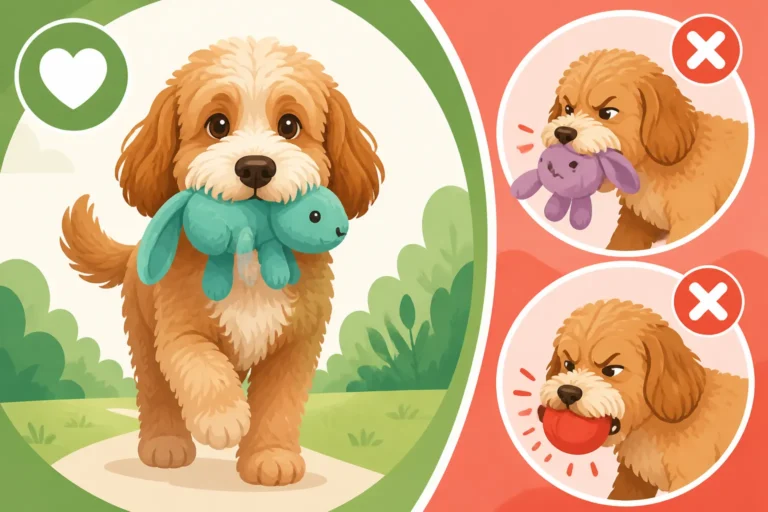
Equally important is impulse control. This involves teaching your Cockapoo to "wait" or "leave it" when presented with exciting stimuli, like a thrown bumper or a hidden bird wing. This isn't about crushing their spirit, but about teaching them to control their excitement and wait for your command. For instance, you might place a treat on the ground and teach them to only take it when you give a release cue. This patience and control will be crucial when they are expected to be "steady" around birds, not breaking until sent.
Steadiness and Quartering Drills
Steadiness refers to your dog's ability to remain calm and still when a bird is flushed or a shot is fired, only moving to retrieve when given the command. For a pet Cockapoo, this might start with teaching them to "stay" while you throw a dummy or even just walk a short distance away. Gradual exposure is key.
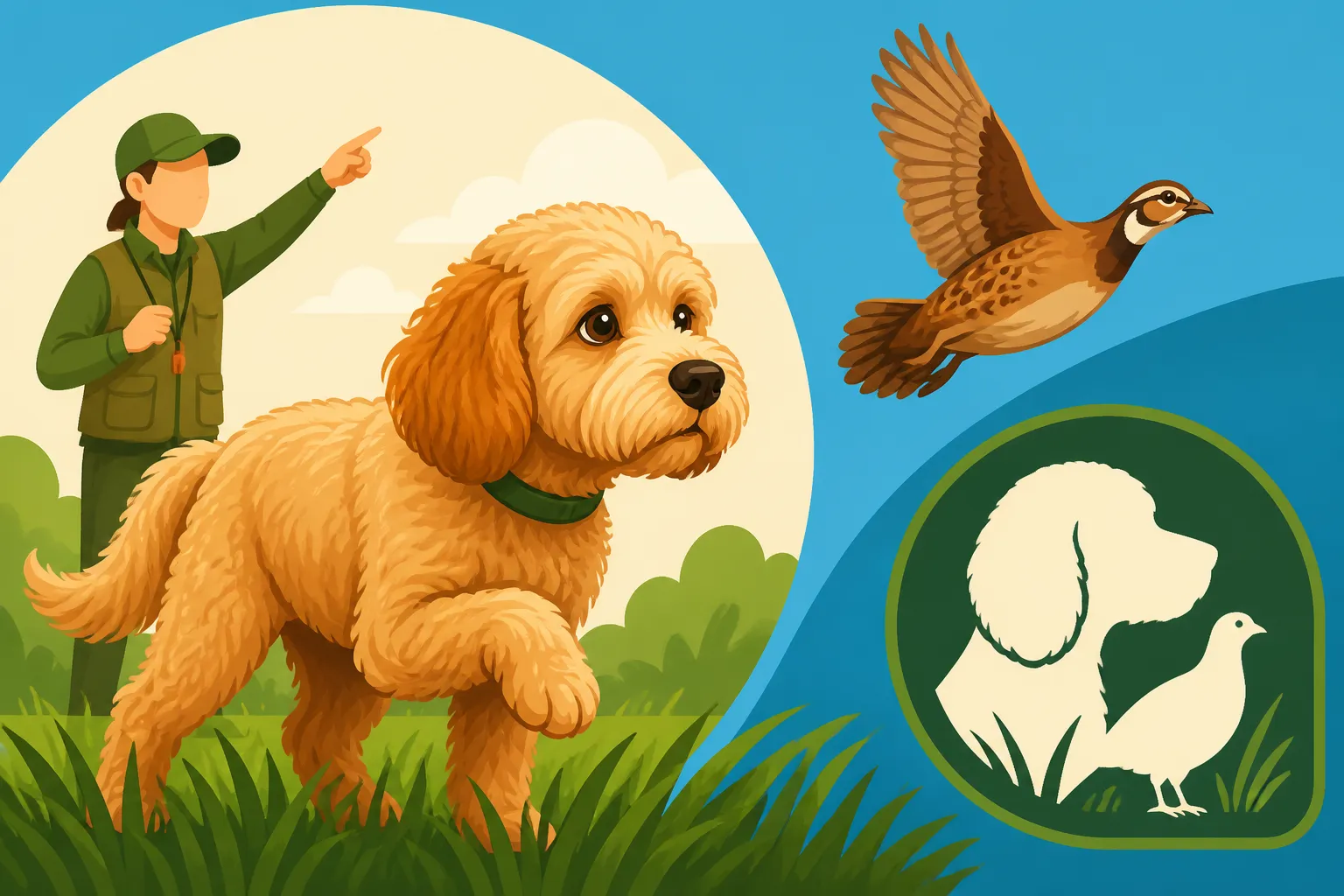
Quartering is the systematic search pattern a flushing dog uses to cover ground effectively. Your Cockapoo already has the instinct to zigzag; your job is to give it purpose and make it responsive to your direction. Start in an open field, encouraging your dog to work in front of you, moving from side to side. You can use verbal cues or a whistle to guide them. Teaching a Cockapoo to Quarter on Command provides practical advice for developing this skill. The goal is for your Cockapoo to work "within range," meaning close enough to you that they can hear your commands and you can manage their search. A long line, available on platforms like Amazon, can be an invaluable tool here to maintain control while allowing freedom of movement.
Introduction to Scent and Feathers
Once basic obedience is in place, you can gently introduce your Cockapoo to the scents and textures associated with game birds. This isn't about live birds at first, but about building positive associations. You can use training dummies or retrieved bird wings (often available from hunting supply stores) to get them accustomed to the smell and feel.
Start by simply letting them investigate a bird wing, praising their curiosity. Then, hide it in easy-to-find spots in the yard and encourage them to "find" it. The Poodle's drive to retrieve will be a huge asset here. Make it a fun game, not a chore. This foundational work helps them understand what they are looking for and what to bring back. Remember, this is a gradual process, building confidence and understanding step-by-step. Introducing a Cockapoo to Feathers shares more ideas for this initial exposure.
Setting Up a Training Program for Your Cockapoo
Embarking on bird dog training with your pet Cockapoo doesn't mean you need to immediately join an elite hunting club. There are many ways to approach this, from casual backyard games to more structured programs, all designed to engage your Cockapoo's natural abilities.
Finding the Right Resources and Guidance
You don't have to go it alone! There's a wealth of information available. Look for local dog training clubs that offer gundog or scent work classes. Even if they don't explicitly cater to Cockapoos, the principles apply. Online courses can also be incredibly helpful. For example, BAXTER & Bella offers comprehensive online puppy and dog training programs that lay a fantastic foundation of obedience and impulse control, which are directly transferable to more specialized bird dog work. You might also find books and DVDs on bird dog training for spaniels or retrievers on Amazon; adapt the techniques to suit your Cockapoo's size and temperament. Sometimes, connecting with local hunting dog enthusiasts or even a mentor can provide invaluable practical advice and hands-on demonstrations.
Step-by-Step Training Exercises
Here’s a simplified progression of exercises you can work on with your Cockapoo:
- Retrieve: Start with a simple "fetch" using a soft toy. Make it exciting, praise them lavishly when they bring it back. Gradually introduce a canvas dummy.
- Scent Games: Hide scented dummies (you can rub them with a bird wing or a commercially available scent) in your yard and encourage your dog to find them. Keep it easy at first, building their confidence. Scent Games a Cockapoo Never Tires Of offers creative ideas for this.
- Basic Quartering: In an open field, walk in a zigzag pattern. Encourage your Cockapoo to follow suit, staying relatively close to you. Use a whistle to signal changes in direction. Reward them for staying "in range."
- Whoa/Stay: Teach a strong "whoa" or "stay" command. This will be critical for steadiness. Practice with increasing distractions.
- Introduction to Flushing: With a dummy or a bird wing on a string, hide it in tall grass. Walk your dog towards it, encouraging them to find and "flush" it out. When it pops up, make sure they hold their "whoa" command before sending them to retrieve.
- Water Work (Optional): If your Cockapoo enjoys swimming, gradually introduce retrieving from water. Start in shallow, calm water. Introducing a Cockapoo to Water Safely provides tips.
Remember to keep sessions short, positive, and fun. Always end on a high note, even if it means doing one easy, successful retrieve at the end. Consistency is far more important than intensity.
Equipment You'll Need
You don't need a huge arsenal of specialized gear to start, but a few key items will make your training more effective:
- Long Line: Essential for teaching recall and quartering while maintaining control. Look for durable, comfortable options on Amazon.
- Training Whistle: A consistent sound for recall and direction changes. It cuts through wind and distractions better than your voice.
- Training Dummies: Canvas or plastic dummies are perfect for retrieve practice. Some are scented or have textured surfaces to simulate game.
- Bird Wings (Optional but helpful): Real or artificial bird wings can be used to introduce authentic scent and texture.
- High-Value Treats: Small, soft, incredibly tasty treats that your Cockapoo loves, reserved only for training.
- Appropriate Leash and Collar/Harness: For control and safety during walks to and from training areas.
Realistic Expectations and Enjoying the Journey
It's easy to get caught up in the idea of your Cockapoo becoming a champion bird dog, but it's crucial to maintain a realistic perspective. The journey is about connection, mental stimulation, and fun, not necessarily about producing a competitive hunter.
Pet vs. Competition: Shifting Your Mindset
Unless your Cockapoo comes from generations of proven working Cocker Spaniels and Poodles, it's unlikely they will become a field trial champion. And that's perfectly okay! The goal for a pet Cockapoo isn't to put food on the table, but to enrich their life and strengthen your bond. Embrace the process, celebrate small victories, and don't get discouraged if your Cockapoo has an "off" day.
Think of it as structured play that channels their natural instincts. Whether they're perfecting their quartering pattern for finding hidden treats in the park or excitedly retrieving a dummy from a shallow pond, these activities provide immense mental and physical stimulation. They help combat boredom, reduce destructive behaviors, and keep your Cockapoo engaged and happy. A Cockapoo with a job, even a "fun" job, is a fulfilled Cockapoo. Whether a Cockapoo Needs a Sport to Be Manageable further highlights the benefits of such activities.
The Joy of a Fulfilled Cockapoo
Watching your Cockapoo's instincts come alive, seeing their focus and determination as they follow a scent, or the sheer joy on their face when they successfully retrieve a dummy you've hidden – these are the true rewards. This kind of specialized training provides an incredible outlet for their intelligence and energy. It builds confidence in your dog, knowing they can perform tasks and solve problems. It deepens the trust and communication between you and your Cockapoo, as you learn to read their body language and they learn to rely on your guidance.
So, yes, a pet Cockapoo absolutely can do bird dog training. They might not be gracing the cover of a hunting magazine, but they can certainly enjoy the thrill of the chase, the satisfaction of a successful retrieve, and the immense joy of working alongside their favorite human. It’s an adventure waiting to happen, one feather-scented dummy at a time.
| Skill/Trait | Cocker Spaniel Contribution | Poodle Contribution | Benefits for Bird Dog Training |
|---|---|---|---|
| Scenting Ability | High; bred to find game | Moderate-High | Essential for locating hidden birds. |
| Flushing Drive | High; innate desire to roust | Low-Moderate | Natural inclination to search and find game. |
| Retrieval Instinct | Moderate; can be soft-mouthed | High; bred for water retrieval | Crucial for bringing downed game back. |
| Trainability | High; eager to please | Very High; intelligent | Quick to learn commands and adapt to new tasks. |
| Stamina/Energy | High; active working dog | High; athletic and energetic | Can sustain activity during extended searches and retrieves. |
| Water Aptitude | Moderate-High; enjoy water | High; bred for water work | Comfortable and capable when retrieving from water. |
| Temperament | Affectionate, merry | Intelligent, loyal | Forms a strong bond with handler, keen to work together. |
| Physical Build | Compact, agile | Athletic, sturdy | Allows for maneuvering through cover and endurance. |
Disclaimer
This article is for general informational purposes only and does not constitute professional advice. Laws, prices and regulations vary by location and change over time. Consult a qualified professional for guidance on your specific situation.