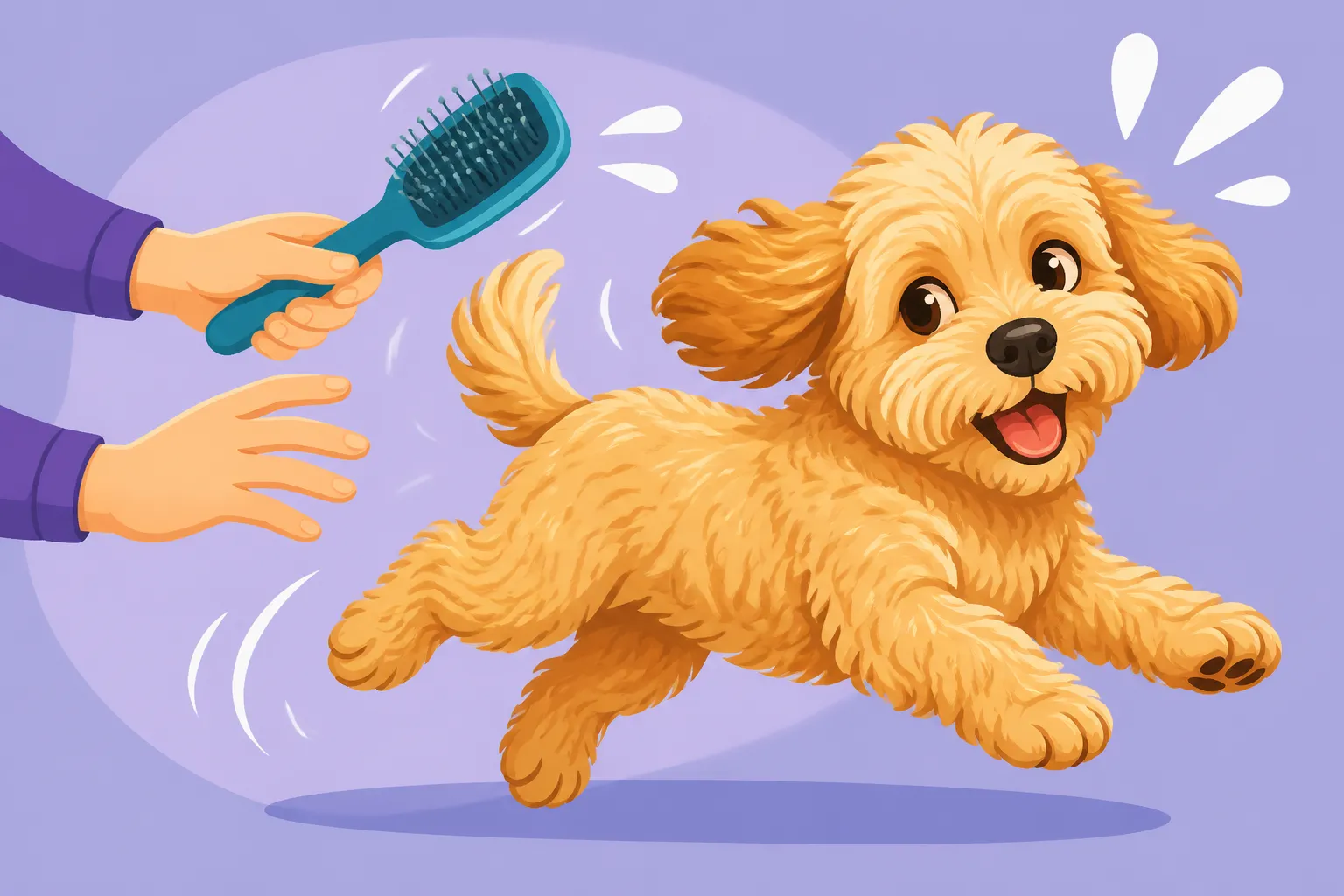
A Cockapoo That Will Not Sit Still to Be Combed
It’s a scenario many Cockapoo owners know all too well: you’ve got your brush in hand, ready to tackle those adorable curls, and your sweet, fluffy companion suddenly transforms into a wriggling, dodging, mouthy ball of puppy energy. Trying to groom a Cockapoo that refuses to sit still can be a truly exasperating experience, leaving you covered in dog hair and your furry friend looking decidedly unkempt. This comprehensive guide is here to help you understand why your Cockapoo behaves this way and, more importantly, equip you with the strategies and patience needed to transform grooming time from a wrestling match into a calm, bonding ritual.
Understanding Why Your Cockapoo Won't Sit Still
Before we can even begin to address the "how" of getting your Cockapoo to cooperate, we need to delve into the "why." There’s always a reason behind a dog’s behavior, and in the case of grooming, it’s rarely out of pure stubbornness. Often, it stems from a combination of factors related to their early experiences, their natural instincts, or even underlying discomfort. Getting to the root cause will inform your approach to making grooming a more positive experience for everyone involved.
Lack of Early Socialization and Handling
One of the biggest culprits behind a restless Cockapoo on the grooming table is a lack of proper early socialization and handling. Puppies, especially those from busy or less-than-ideal breeding environments, might not have been regularly touched, held, and manipulated in ways that prepare them for grooming. This isn't just about cuddles; it's about getting them used to having their paws touched, their ears examined, and their tails lifted. If these experiences were absent or inconsistent during their critical development window, grooming can feel intrusive and frightening.
Think about it from your puppy's perspective. Suddenly, these big hands are grabbing their sensitive paws, pulling at their coat, and getting into all the nooks and crannies. If they haven't been desensitized to this from a young age, their natural instinct is to squirm away, seeing it as an uncomfortable or even threatening situation. It’s not that they’re being “bad”; they simply haven’t learned that these sensations are safe and routine.
The good news is that even if your Cockapoo didn't get this early exposure, it's never too late to start. It just means you'll need a little more patience and a very structured approach to desensitization, working slowly and positively to introduce them to the various sensations of grooming. Establishing a foundation of trust and comfort is paramount.
Fear and Anxiety
Beyond just a lack of exposure, many Cockapoos genuinely experience fear or anxiety when it comes to grooming. This can manifest as anything from mild apprehension to full-blown panic. A dog might associate the grooming tools – the whirring of clippers, the pulling of a brush, the unfamiliar scent of shampoo – with unpleasant sensations or even pain. Perhaps they had a bad experience at a groomer, or a past owner struggled with matting that made brushing painful. These memories can stick with them, making them anticipate discomfort.
Cockapoos, with their sensitive natures, can pick up on our own stress, too. If you’re tense or frustrated during grooming, your dog will feel that energy and become more anxious themselves, creating a vicious cycle. They might tremble, try to hide, nip, or even growl, all as attempts to communicate their distress and make the scary thing stop. It's crucial to recognize these signs of anxiety and adjust your approach, prioritizing their emotional comfort over achieving a perfect groom. Ignoring these signals can escalate their fear, making future grooming sessions even more challenging. Whether Grooming Stress Makes a Cockapoo Snap is a very real concern for some owners.
Pain or Discomfort
Sometimes, a Cockapoo's reluctance to sit still for grooming isn't behavioral at all – it's physical. Underlying pain or discomfort can make brushing, combing, or handling unbearable. Matting is a huge culprit here; even a small mat can pull painfully on the skin, especially if brushed incorrectly. If your dog is constantly trying to escape or yelps when you hit a certain spot, it's worth investigating.
Beyond mats, conditions like skin allergies, hot spots, ear infections, or even arthritic joints can make being touched incredibly sensitive. Imagine if you had a sunburn and someone started vigorously scrubbing your back – you’d squirm too! If your Cockapoo suddenly develops a strong aversion to grooming or shows signs of pain, a vet check-up is essential to rule out any medical issues. Don't just assume they're being difficult; they might be trying to tell you something important about their physical well-being. Whether a Cockapoo Itches From the Cocker Side or Skin and Coat Disease in a Cockapoo can both make grooming a really uncomfortable experience.
Over-Excitement or Puppy Energy
On the flip side of fear and anxiety, some Cockapoos simply have too much joyful energy to settle down for grooming. This is particularly common in puppies and young adults who haven't quite mastered impulse control. They might see the brush as a toy, your hands as an invitation to play, or the whole situation as an opportunity for attention, even if that attention is negative. They’re not trying to be naughty; they’re just being a high-spirited Cockapoo!
This type of behavior often manifests as mouthing the brush, trying to chew the comb, pawing at your hands, or just a general inability to stay in one place for more than a few seconds. For these energetic pups, grooming becomes a game rather than a calm procedure. Addressing this requires channeling that energy, teaching them to settle, and making it clear that grooming time is a quiet, cooperative activity, not a playtime free-for-all. It also means managing your own expectations about how long they can stay still initially.
Setting Up for Success: Creating a Calm Grooming Environment
Once you have a better understanding of why your Cockapoo might be resisting, the next step is to control the environment. Creating a designated, calm, and predictable space for grooming can make a world of difference. It’s about minimizing potential stressors and establishing a routine that signals to your dog what’s expected of them. A haphazard approach in a chaotic environment is almost guaranteed to end in a struggle.
Choosing the Right Time and Place
Timing is everything when it comes to grooming a reluctant Cockapoo. Don't try to groom them right after an exciting walk, when they're bursting with energy, or when they're overtired and grumpy. Instead, aim for a time when they are naturally a bit more mellow. Often, this is after they’ve had some exercise, a potty break, and perhaps a short settling-down period. A tired dog is generally a more cooperative dog.
The location also plays a crucial role. Avoid busy, high-traffic areas of your home where family members are constantly moving or other pets are vying for attention. A quiet corner of a room, a bathroom, or even a laundry room can work well. The key is to find a space where distractions are minimal and your Cockapoo can focus solely on you and the task at hand. Some owners even use a specific table or elevated surface to get their dog accustomed to a "grooming station," which can help separate it from other activities.
Creating a Dedicated Grooming Station
Having a consistent, dedicated grooming station helps your Cockapoo understand that when they are in this spot, a particular activity (grooming) will take place. This predictability can reduce anxiety significantly. It doesn't need to be fancy; a non-slip mat on a sturdy table, a designated spot on the floor, or even a corner of the couch that you only use for grooming. The important thing is that it's always the same.
Before you even bring your dog to the station, ensure all your tools are laid out and ready. This prevents you from fumbling around, which can make a nervous dog even more anxious. A non-slip surface is non-negotiable, especially on a table. A wobbly or slippery surface will make your dog feel insecure, causing them to shift and struggle more. A simple bath mat or a dedicated grooming mat can provide the necessary grip and comfort. Remember, safety and comfort are paramount here.
Minimizing Distractions
Distractions are the enemy of calm grooming sessions. Even the most well-behaved Cockapoo will struggle to sit still if their favorite toy is visible, another dog is barking outside, or the mail carrier just walked by. Before you begin, take a moment to survey your chosen grooming area and eliminate as many potential distractions as possible. Close blinds if outside movement is a trigger. Turn off the TV or loud music. Ask family members to give you a few minutes of uninterrupted time.
If your Cockapoo is easily distracted by sounds, consider playing some calming classical music or a white noise machine in the background to mask other noises. For some dogs, a favorite chew toy (one they only get during grooming) can be a useful distraction if they're calm enough to focus on it. However, for a truly wiggly dog, removing all other stimuli so their attention is solely on you and the treats is often more effective. This focused environment is the foundation for successful desensitization and positive reinforcement.
Positive Reinforcement: Making Grooming a Pleasant Experience
The bedrock of training a Cockapoo to sit still for grooming is positive reinforcement. We want them to associate grooming with good things – treats, praise, and gentle handling – not with force or fear. This approach builds trust and willingness, transforming a dreaded chore into a tolerable, or even enjoyable, routine. It’s about rewarding the behavior you want to see, rather than punishing the behavior you don’t.
Starting Small: Desensitization
Desensitization means gradually introducing your Cockapoo to grooming tools and sensations in a way that doesn't overwhelm them. Think baby steps. Don’t start with a full body brush-out right away. Instead, begin by simply showing them the brush. Let them sniff it. If they interact calmly, give them a high-value treat. Then, gently touch the brush to their shoulder for a second. Treat. Slowly increase the duration and intensity.
For example, on day one, you might just touch the brush to their back three times, giving a treat each time. The next day, you might do five touches. The goal is to keep each session short, positive, and end before they get frustrated or squirmy. We're building positive associations little by little. This process needs immense patience. Consider an online training program like BAXTER & Bella, which often has modules dedicated to cooperative care and handling, breaking down these complex tasks into manageable steps. This step-by-step approach is vital when your Cockapoo reacts strongly to the grooming process. Teaching a Cockapoo to Accept the Groomer also details many strategies for desensitization.
High-Value Rewards
Not all treats are created equal! For something as challenging as grooming a squirmy dog, you need to bring out the big guns – high-value rewards. These are treats your Cockapoo absolutely adores and rarely gets otherwise. Think small pieces of cooked chicken, cheese, hot dogs, or liver paste in a lick mat. These aren't just snacks; they're powerful motivators that create strong positive associations.
Every time your Cockapoo tolerates a touch, stands still for a second, or allows you to brush a small area, immediately follow with one of these fantastic treats and verbal praise in a calm, happy voice. The timing is critical: the reward must come immediately after the desired behavior so your dog makes the connection. Keep these rewards exclusive to grooming sessions; this increases their value and impact. You'll be amazed at what a truly delicious treat can accomplish in terms of cooperation.
Incorporating Play and Breaks
Even with the best treats and a calm environment, long grooming sessions can be taxing for a high-energy Cockapoo. Incorporating short bursts of play and frequent breaks can help keep them engaged and prevent frustration from building up. If you notice your Cockapoo starting to get antsy or lose focus, call a quick play break. A few minutes of tug-of-war, chasing a ball, or even just some enthusiastic praise and cuddles can reset their mood.
After the break, return to the grooming station for another short session. These breaks act as a reward in themselves, signaling that grooming isn't an endless, boring ordeal. It also gives both of you a chance to decompress. Remember, we’re aiming for quality over quantity in the beginning. Five minutes of calm, cooperative grooming is far more productive than 20 minutes of wrestling and frustration. Over time, as their tolerance grows, you can gradually lengthen the grooming periods.
Essential Tools and Techniques for a Wriggly Cockapoo
Having the right tools and knowing how to use them effectively are paramount when dealing with a Cockapoo that doesn't want to sit still. The goal is to be efficient, gentle, and minimize discomfort, while also having strategies to safely manage their movement. The wrong tools or a clumsy technique can quickly undo all your positive reinforcement efforts.
Choosing the Right Brushes and Combs
A Cockapoo’s coat is beautiful but prone to matting, making the right brushes and combs absolutely essential. Don't skimp on quality here. You'll likely need a combination of tools:
- Slicker brush: This is your primary tool for detangling and removing loose hair. Choose one with soft, flexible pins, especially for a puppy or sensitive adult. You can find many options on Amazon.
- Metal comb: A good quality, sturdy metal comb with both fine and wide teeth is crucial for finding hidden mats and ensuring you’ve brushed down to the skin. The Comb That Finds Mats a Slicker Misses is a good read if you're struggling with this.
- Pin brush: Less aggressive than a slicker, a pin brush is good for general brushing and can be more comfortable for daily maintenance on less matted coats.
Using these tools correctly means line brushing, which involves parting the hair and brushing in sections, working from the skin outwards. This ensures you're not just brushing the top layer of the coat, which leaves mats underneath. Different The Three Cockapoo Coat Types and Their Upkeep will also dictate the specific brushes you reach for most often. Never use a brush or comb that pulls or causes pain; if you encounter a tangle, stop and gently work it out with your fingers or a mat splitter before resuming.
Grooming Aids and Gentle Restraints
For a truly wriggly Cockapoo, some gentle grooming aids and restraints can be invaluable, not as punishment, but as safety measures to protect both you and your dog.
- Grooming arm and loop: If you're using a grooming table, a grooming arm with a gentle loop (never tight around the neck!) can help keep your dog from jumping off or constantly turning around. This is a support, not a choke collar. It simply encourages them to stand still.
- Non-slip mat: As mentioned before, a good non-slip surface is a must, especially on elevated surfaces, to prevent slips and slides that can increase anxiety.
- Lick mat or slow feeder: Spreading a high-value treat like peanut butter (xylitol-free!) or pureed pumpkin on a lick mat can occupy your dog for several minutes, allowing you to get some brushing done. This is a fantastic way to redirect their attention positively.
- Grooming hammock/sling: For very small or particularly difficult dogs, a grooming hammock (found on Amazon, for example) can suspend them, taking pressure off their legs and preventing squirming, allowing you to access their paws and belly more easily. These are not for every dog, but can be a game-changer for some.
The key with any restraint is to introduce it gradually and positively. Never force your dog into a restraint or use it to punish them. The goal is to gently guide them into cooperative behavior, making the experience as comfortable and fear-free as possible.
Handling a Cockapoo Puppy Before Its First Groom
Preventative measures start early, long before your Cockapoo puppy is ready for a full professional groom or even extensive home grooming. From the moment you bring your puppy home, establish a routine of gentle handling. This means daily, short sessions where you touch their paws, look in their ears, examine their mouth, and gently run a soft brush over their body. These aren't grooming sessions; they're handling sessions.
Use lots of praise and tiny, irresistible treats during these times. Make it a fun game, not a chore. The more positive experiences your puppy has with being handled, the less likely they are to become a squirmy adult when it’s time for actual grooming. Focus on making these interactions consistent and predictable. Even something as simple as running your fingers through their coat for a few seconds while they're on your lap watching TV can build a solid foundation. These small, consistent efforts pay huge dividends down the line, preparing them for A Cockapoo's First Trim Costs at Sixteen Weeks or later professional grooming.
When to Seek Professional Help
There are times when, despite your best efforts, your Cockapoo's resistance to grooming goes beyond what you can comfortably manage at home. Recognizing these moments and knowing when to call in the professionals is a sign of responsible pet ownership, not failure. Sometimes, a fresh perspective and specialized expertise are exactly what's needed.
When Fear Becomes Aggression
If your Cockapoo's fear or anxiety during grooming escalates into aggression – growling, snapping, biting, or serious attempts to escape that could result in injury – it's time to stop home grooming and seek professional help immediately. This isn't just about their comfort; it's about safety for both you and your dog. Pushing a dog past their threshold of fear into aggression can damage your bond and make the problem significantly worse.
A certified professional dog trainer or a veterinary behaviorist can help you identify the root cause of the aggression and develop a structured behavior modification plan. They can teach you techniques for counter-conditioning and desensitization that are specific to your dog's needs, often involving collaboration with a skilled professional groomer. In these severe cases, it's not simply about teaching your dog to sit still; it's about addressing a deep-seated fear response.
Persistent Matting Issues
Cockapoos are notorious for their mat-prone coats. Despite your best efforts, if you find yourself consistently battling severe matting that you can’t safely or comfortably remove at home, a professional groomer is your best friend. Trying to brush out large, tight mats can be incredibly painful for your dog and can even cause skin irritation or injury if done incorrectly.
A professional groomer has specialized tools, techniques, and experience to handle matted coats with minimal stress. They can often demat more effectively or, if necessary, safely shave down a severely matted coat to give your dog a fresh start. They can also offer advice on specific brushes and routines for your Cockapoo's unique coat type, especially considering the different The Three Cockapoo Coat Types and Their Upkeep. Sometimes, getting a professional “reset” of the coat is exactly what’s needed to allow you to maintain it more easily at home afterward.
Professional Groomers and Trainers
Don't hesitate to consult with a professional groomer or a certified positive reinforcement trainer for guidance, even if your dog isn't exhibiting aggression.
- Professional groomers: A good groomer isn't just there to clip and trim. Many are excellent resources for cooperative grooming techniques. They can offer advice on tools, demonstrate proper brushing methods like Line Brushing a Cockapoo and Why the Top Coat Lies, and even help with desensitization. A groomer who understands dog behavior will prioritize your dog's comfort and build a positive relationship, taking extra time with nervous dogs. They can also advise on things like Whether a Cockapoo Needs Its Ears Cultured or how to manage excess ear hair.
- Dog trainers: A trainer specializing in cooperative care or fear-free techniques can provide personalized coaching. They can observe your interactions, point out subtle body language cues you might be missing, and help you structure your home grooming sessions more effectively. Some trainers offer one-on-one sessions where they work with you and your Cockapoo on specific grooming challenges. Services like BAXTER & Bella also provide virtual training and support for various behavioral challenges, including grooming cooperation.
Remember, seeking help is a proactive step toward ensuring your Cockapoo has a healthy, happy, and well-groomed life. It’s an investment in their comfort and your peace of mind.
Consistency and Patience: The Long Game of Grooming
Transforming a wriggly Cockapoo into a calm grooming companion doesn’t happen overnight. It’s a marathon, not a sprint, built on unwavering consistency and boundless patience. Every interaction, every short session, contributes to the overall picture. Don't get discouraged by setbacks; they're a normal part of the learning process for both of you.
Building a Routine
Dogs thrive on routine and predictability, and grooming is no exception. Establish a consistent schedule for your grooming sessions. This doesn't mean a full bath and brush-out every day, but rather regular, short periods dedicated to handling and light brushing. For example, every evening after their last potty break, you might spend five minutes brushing their belly or combing their ears.
When your Cockapoo knows when and where grooming will happen, it becomes a predictable part of their day, reducing anxiety and resistance. Consistency in your technique, your commands, and your rewards also reinforces what you're teaching them. This routine builds muscle memory for cooperation and helps your dog understand that grooming is just another part of their life, like meal times or walks, not a random ambush. For many Cockapoos, daily short sessions are far more effective than infrequent, long, and stressful battles. The Weekly Hours Each Cockapoo Coat Type Takes is a testament to the fact that regular grooming is not an option, but a necessity for this breed.
The Importance of Short, Frequent Sessions
This point cannot be stressed enough: short, frequent sessions are far more effective than long, drawn-out struggles, especially in the beginning. For a Cockapoo that won't sit still, a 30-minute grooming session is likely to be a nightmare for everyone involved. Instead, aim for 2-5 minute sessions, several times a day if possible.
During these mini-sessions, focus on one small area. Maybe you just brush one paw. Or only comb the hair behind their ears. Or simply practice holding them still for 30 seconds. The moment they show even a tiny bit of cooperation, stop, give a big reward, and end the session on a positive note. This leaves them wanting more, rather than feeling relieved it's over. As they get more comfortable, you can gradually increase the duration. But always err on the side of shorter, more positive interactions. This incremental approach prevents them from reaching their frustration threshold and ensures that grooming remains a positive experience. How Many Minutes a Wavy Cockapoo Takes or How Many Minutes a Curly Cockapoo Takes can give you an idea of the commitment required.
Celebrating Small Victories
It's easy to get frustrated when your Cockapoo isn't cooperating perfectly. But it's vital to acknowledge and celebrate every tiny step forward. Did they let you touch their paw without pulling it away? That's a victory! Did they stand still for an extra five seconds? Celebrate it! These small wins are building blocks, and recognizing them, both for your dog (with treats and praise) and for yourself, keeps motivation high.
Patience is your most valuable tool. There will be days when your Cockapoo seems to forget everything you’ve taught them, and that's okay. Don't get discouraged. Simply go back to basics, shorten the session, and end it positively. Remember that you are building a lifetime of cooperative care, and that takes time, understanding, and a whole lot of love. Your Cockapoo may never love being combed, but with consistency, patience, and positive reinforcement, they can learn to tolerate it calmly and cooperatively, making life better for both of you.
Disclaimer
This article is for general informational purposes only and does not constitute professional advice. Laws, prices and regulations vary by location and change over time. Consult a qualified professional for guidance on your specific situation.