Whether a Cockapoo Can Live With Chickens
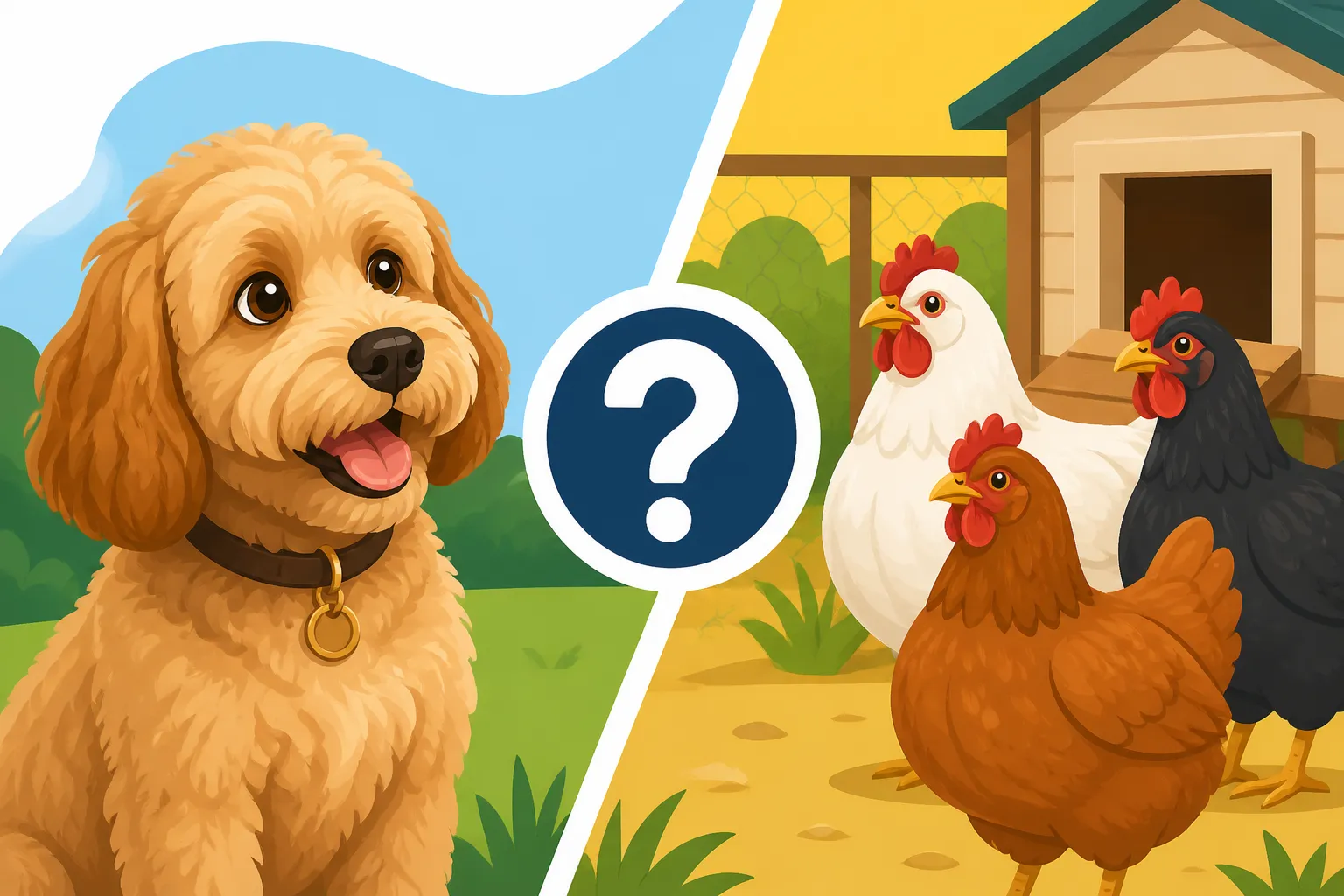
It’s a common dream for many of us who love the rural or semi-rural lifestyle: a charming flock of chickens pecking around the yard, and our beloved Cockapoo trotting happily beside us. But if you’re imagining these two worlds coexisting in perfect, harmonious bliss right off the bat, you might be setting yourself up for a rude awakening. The truth is, while it's possible for a Cockapoo to live alongside chickens, it's far from a given and requires an immense amount of consistent training, vigilance, and careful management. This guide will walk you through the realities, the risks, and the detailed steps you’ll need to take to even attempt this tricky integration.
Understanding the Cockapoo's Instincts
Before you even think about introducing your Cockapoo to a flock of feathered friends, it’s crucial to understand the deeply ingrained instincts that drive your furry companion. The Cockapoo, delightful as they are, is a blend of two distinct breeds, each contributing a set of traits that can either help or hinder their ability to coexist peacefully with prey animals like chickens. Ignoring these foundational instincts is like trying to build a house on sand – it's bound to collapse.
The Cocker Spaniel's Hunting Drive
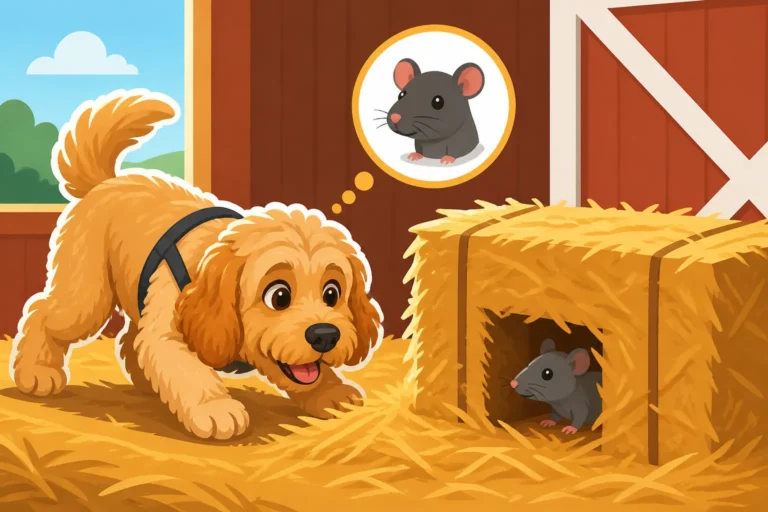
Let's start with the Cocker Spaniel side of your Cockapoo. American Cockers and English Cockers were both bred for hunting, specifically as "flushing" dogs. Their job was to dive into dense cover, flush out birds like pheasants or quail, and then often retrieve them for the hunter. This isn't just a learned behavior; it's hardwired into their DNA. Imagine generations of dogs whose entire purpose revolved around locating, startling, and pursuing small, fast-moving, noisy creatures.
This means your Cockapoo, no matter how cuddly they are on the sofa, carries this ancestral programming. A chicken's sudden flutter, squawk, or quick dash can instantly trigger this deeply rooted flushing drive. To your Cockapoo, that chicken isn't a pet; it's a "bird" in the most primal sense, and its natural instinct is to pursue. It's not about malice; it's about instinct. This is why you'll often see The Flushing Drive Still Alive in a Cockapoo even in the most domesticated pets – they'll quarter a field, nose to the ground, or show intense interest in squirrels and birds at the park.
The Poodle's Intelligence and Prey Drive
Then we have the Poodle influence. Poodles, particularly the smaller varieties often used in Cockapoo breeding, were originally water retrieving dogs. They were also bred to work alongside hunters, often retrieving game. While perhaps not as overtly "flushing" as the Cocker, Poodles possess a sharp intelligence and a keen prey drive. They are quick, agile, and incredibly smart, which means they learn fast – both good habits and bad ones.
This intelligence can be a double-edged sword. On one hand, it makes them highly trainable, a huge advantage when trying to teach them to ignore chickens. On the other hand, if a Cockapoo learns that chasing chickens is a fun, self-rewarding game, their intelligence will quickly find ways to repeat that behavior, circumventing your efforts. They also have excellent sight and hearing, making them acutely aware of any movement or sound from a nearby flock. For some Poodles, and therefore some Cockapoos, the chase instinct is strong, similar to what you might observe if you've ever seen Whether a Cockapoo Can Be Trusted With a Rabbit.
Assessing the Risks for Chickens
It’s easy to focus on your Cockapoo, but we also have to consider the chickens. They aren't just feathered lawn ornaments; they are living, breathing creatures with their own anxieties and defense mechanisms. Introducing a predator, even a beloved family dog, into their space carries significant and potentially fatal risks. Understanding these dangers is paramount.
The Threat of Injury and Death
The most obvious and devastating risk is that your Cockapoo could injure or kill a chicken. Even if your Cockapoo is "just playing," their hunting instincts, combined with their strong jaws and quick movements, can be lethal to a fragile bird. A simple nip that wouldn't harm another dog could easily crush a chicken's bone, sever a tendon, or cause internal bleeding. Chickens are surprisingly delicate, and even a playful pounce can lead to serious injury or shock.
I've heard countless stories from heartbroken owners who believed their dog was "gentle" or "just curious," only to find a beloved hen mauled or dead. It's not always an aggressive act; sometimes, it's just a tragic accident born from instinct and a lack of understanding of the consequences. Think about it: a chicken's natural reaction to a perceived predator is to run, flap, and squawk. This panicked flight further triggers the chase instinct in a dog, creating a deadly feedback loop. It's essential to accept that even the most well-meaning Cockapoo could, in a split second, cause irreversible harm.
Stress and Fear in Your Flock
Beyond direct injury, the mere presence of a dog can cause immense stress to your chickens. Chickens are prey animals, and their natural wiring tells them that a canine is a threat. Constant vigilance, fear of attack, and the inability to relax can lead to a host of problems for your flock. This chronic stress can suppress their immune systems, making them more susceptible to illness, reduce egg production, and even cause them to stop laying altogether.
A stressed flock is not a happy or healthy flock. You might notice them acting skittish, hiding more, or avoiding certain areas of their run if they feel threatened by the dog's presence. Even if your Cockapoo is tethered or behind a fence, if they are barking, lunging, or staring intently at the chickens, the birds will perceive this as a constant threat. Your goal should be not just physical safety, but also the psychological well-being of your chickens. A constant state of fear impacts their quality of life, which, as a responsible animal owner, is something we all want to avoid.
Strategies for Successful Integration
If you're still determined to try and foster a peaceful coexistence, know that it requires a multi-faceted approach. You can't rely on one single trick; you need a comprehensive strategy that addresses training, environment, and your constant supervision. This isn't a quick fix, but a long-term commitment.
Early Socialization and Exposure
If you're bringing a Cockapoo puppy into a home that already has chickens, or vice versa, early, controlled, and positive exposure is key. The younger your Cockapoo is, the more malleable their instincts will be. However, "exposure" doesn't mean letting them run wild with the flock. It means controlled observation. Start with your Cockapoo on a leash, at a safe distance from the chicken coop or run. The goal is for the puppy to observe the chickens without being able to interact. You want them to learn that chickens are part of the environment, not toys or prey.
Use high-value treats to reward calm behavior. If your puppy fixates, barks, or tries to lunge, calmly remove them from the situation. Never use punishment, as this can associate the chickens with negative experiences, potentially leading to fear-based aggression later. This process needs to be gradual, perhaps starting with a few minutes a day and slowly increasing the duration as long as calm behavior persists. Remember, what a puppy learns in their formative weeks can set the stage for their entire life, so this early work is critical, similar to what you'd focus on with What a Cockapoo Puppy Should Learn First.
Establishing Clear Boundaries and Training
Beyond simple exposure, you need to establish rock-solid boundaries for your Cockapoo. This means teaching them that the chickens' space is off-limits and that engaging with them is never acceptable. This involves intensive obedience training, focusing on commands like "leave it," "stay," and a strong recall. Your Cockapoo needs to understand that your word is law, especially when their instincts might otherwise take over.
The "leave it" command is your absolute best friend here. Practice it relentlessly in various environments, starting with low distractions and gradually increasing them. Your Cockapoo should be able to "leave" a dropped treat, a bouncing ball, and eventually, a wandering chicken. A reliable recall is also non-negotiable. If a chicken unexpectedly escapes its run, you must be able to call your Cockapoo back immediately, even if they're mid-chase. This requires consistent training, possibly with an online program like BAXTER & Bella, which offers structured lessons that can help reinforce these vital commands.
| Training Command | Goal in Chicken Context | Importance Level |
|---|---|---|
| Leave It | Ignore chickens on command | Essential |
| Stay | Remain in designated spot | High |
| Come/Recall | Return immediately, no matter what | Essential |
| Heel | Walk calmly beside you | Medium |
| Place | Go to a specific spot (e.g., bed) | High |
Secure Enclosures and Supervision
No amount of training can replace physical barriers and constant vigilance. Your chickens need a secure coop and run that your Cockapoo absolutely cannot access, especially when unsupervised. This means sturdy fencing that can't be jumped, dug under, or chewed through. Consider double-fencing or having a buffer zone between the dog's main exercise area and the chicken run.
Even with the best training and enclosures, never leave your Cockapoo unsupervised with your chickens, even for a moment. Accidents happen in a flash, and instinct can override training in an instant, especially if a chicken panics and runs. When your Cockapoo is out in the yard and the chickens are free-ranging (if you allow that), your full attention must be on both animals. This commitment to active supervision is non-negotiable for the safety of your flock and the peace of mind of your household. If you’re busy with other tasks, your Cockapoo should be safely contained away from the chickens, perhaps in a crate or a separate, dog-proof area. Consider this a permanent rule for as long as you have both types of pets.
Training Your Cockapoo for Poultry Harmony
Achieving harmony between your Cockapoo and your chickens isn't just about preventing chasing; it's about teaching your dog to be truly calm and indifferent to their presence. This takes dedicated, ongoing training that taps into your Cockapoo's intelligence and desire to please.
Building a Solid "Leave It" and Recall
As mentioned, "leave it" and recall are your absolute lifelines. Start practicing "leave it" far away from the chickens, in a low-distraction environment. Use a high-value treat to lure your Cockapoo away from a forbidden item, rewarding them heavily when they disengage. Gradually introduce more tempting items, always setting them up for success. Once they're proficient with inanimate objects, you can move to practicing with a distant, calm chicken, always with your Cockapoo on a long line or leash. If your dog has a high prey drive, you might also want to work on Teaching a Cockapoo to Ignore Birds as a foundational step.
For recall, make coming back to you the most exciting and rewarding thing ever. Practice in a fenced area, using enthusiastic praise, special toys, and the best treats. A consistent whistle recall can be incredibly effective, especially if your Cockapoo's nose sometimes takes over their ears, as discussed in Recall on a Cockapoo That Has Found a Scent. The key is to make yourself more appealing than any potential chase. Never punish your dog for a slow recall; always make coming back a positive experience. Programs like those offered by BAXTER & Bella often emphasize positive reinforcement for these critical commands, helping owners build a strong, reliable response from their dogs.
Reinforcing Calm Behavior
Beyond stopping unwanted behavior, you want to actively reward and encourage calm behavior around your chickens. This means recognizing and praising your Cockapoo when they aren't showing interest in the birds. If your dog is lying down calmly while chickens are visible in the distance, reward them. If they glance at a chicken and then look back at you, reward them. The goal is to shift their perception of chickens from "exciting prey" to "boring background noise."
You can also incorporate parallel play or activities. For instance, if your chickens are safely in their run, you might play a calm game of fetch with your Cockapoo in a nearby, separated area, rewarding them for focusing on you and the game, rather than the chickens. Another strategy is to have your Cockapoo on a leash, sitting or lying down, while you go about your chicken chores. Every time they remain calm and attentive to you, offer a quiet reward. This helps them associate the presence of chickens with positive, calm experiences with you, their trusted leader. This is also where understanding Whether a Cockapoo Learns Faster Than a Cocker can be beneficial, as their intelligence allows for complex learning associations.
Managing the Environment for Safety
Even the most well-trained Cockapoo can have an off day, or an instinct can be triggered unexpectedly. This is why environmental management is just as crucial as training. Creating physical safeguards and managing their interaction zones provides layers of protection for your flock.
Physical Barriers and Protected Spaces
Your first line of defense is always robust physical barriers. The chicken coop and run need to be impenetrable to your Cockapoo. Think secure fencing that's tall enough to prevent jumping, buried deep enough to prevent digging, and strong enough to withstand enthusiastic paws and noses. Hardware cloth, not chicken wire, is often recommended for the run itself, as it's much more predator-proof against not just dogs, but also wild animals.
Consider adding a "double-entry" system to your coop or run, where there's a small gate or enclosed area before the main entrance. This prevents a quick dash by your Cockapoo if they slip past you, giving you a chance to react. Elevated coops also provide a safe retreat for chickens if a dog's presence becomes too overwhelming, even from outside the run. You can find a vast array of secure fencing materials, latches, and coop designs on online marketplaces like Amazon, allowing you to build a fortress for your flock.
Separate Exercise Areas
Ideally, your Cockapoo should have their own dedicated exercise area that is completely separate from where the chickens free-range or even their dedicated run. This eliminates the daily temptation and the need for constant, hawk-like supervision every time your dog needs to stretch their legs. If you have the space, a completely separate, securely fenced yard for your Cockapoo would be ideal.
If space is limited, consider a rotating schedule. When the chickens are free-ranging, your Cockapoo is safely indoors or in a separate kennel. When your Cockapoo is out for supervised exercise, the chickens are securely locked in their coop and run. This ensures that their paths rarely, if ever, cross unsupervised. It might sound like a lot of work, but it's the safest way to prevent tragic incidents. Remember, a Cockapoo's curiosity and drive can lead them to push boundaries, even if they aren't directly aggressive. Giving them a dedicated space where they can be dogs without worrying about chickens simplifies everyone's life. This also allows you to focus on appropriate energy outlets for your Cockapoo, which can help them be calmer when near chickens. If your Cockapoo has lots of pent-up energy, they might need Whether a Cockapoo Needs a Sport to Be Manageable to channel their drive positively.
Conclusion
Bringing a Cockapoo and chickens together to live in harmony is truly a big ask, and it’s not a venture to be taken lightly. Your Cockapoo's natural instincts, inherited from both their Cocker Spaniel and Poodle lineage, are incredibly powerful and are designed for flushing and pursuing small, fast-moving prey. While their intelligence and desire to please offer a glimmer of hope, it's a monumental training and management challenge that demands unwavering commitment from you.
You'll need to invest heavily in early, positive socialization, meticulously teach and reinforce commands like "leave it" and a rock-solid recall, and never, ever skimp on secure enclosures and constant, active supervision. The safety and well-being of your chickens, and indeed your Cockapoo's good habits, depend entirely on your diligence. If you're willing to dedicate the time, effort, and vigilance required, you might just achieve a peaceful, albeit carefully managed, coexistence. But always remember, a moment of lapsed attention can have heartbreaking consequences.
Disclaimer
This article is for general informational purposes only and does not constitute professional advice. Laws, prices and regulations vary by location and change over time. Consult a qualified professional for guidance on your specific situation.