Whether a Cockapoo Is Safe With the House Cat
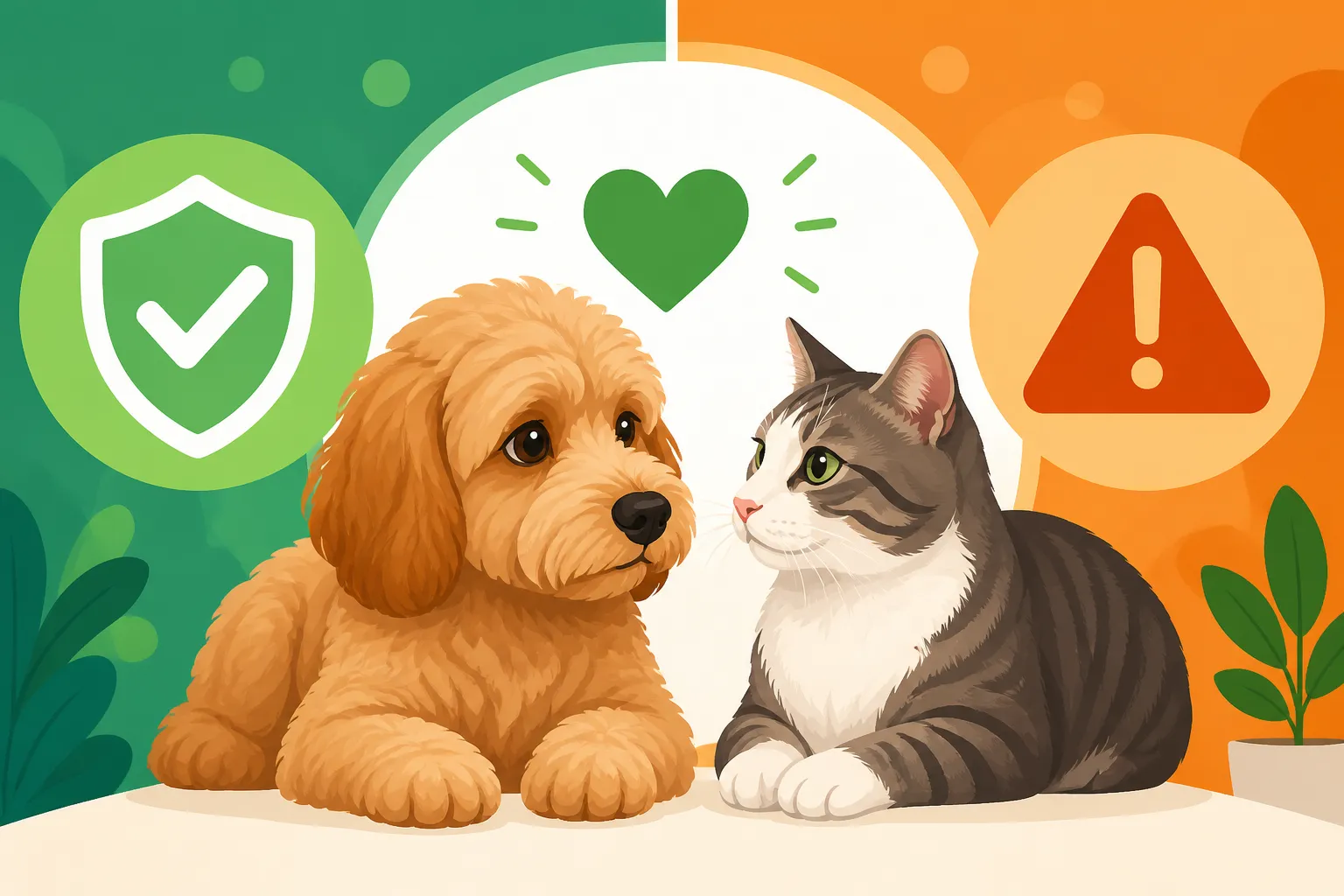
Bringing a new dog into a home with a resident cat can feel like navigating a minefield, especially when you're not sure how your new Cockapoo’s natural instincts might interact with your feline friend. Many Cockapoo owners worry about that strong prey drive lurking beneath the fluffy exterior, wondering if their beloved cat will ever truly be safe. This guide is here to walk you through understanding your Cockapoo's potential behaviors, preparing your home, and implementing a careful introduction plan to help foster a peaceful, multi-pet household.
Understanding the Cockapoo's Prey Drive
It’s completely natural to wonder about a Cockapoo’s instincts, especially when you have other, smaller pets in the home. The truth is, while Cockapoos are known for their loving, companionable nature, they are still dogs, and dogs come with inherent drives. Understanding these drives is the first step in ensuring a harmonious home where your cat feels safe and secure.
The Cocker Spaniel's Legacy: Flushing and Hunting Instincts
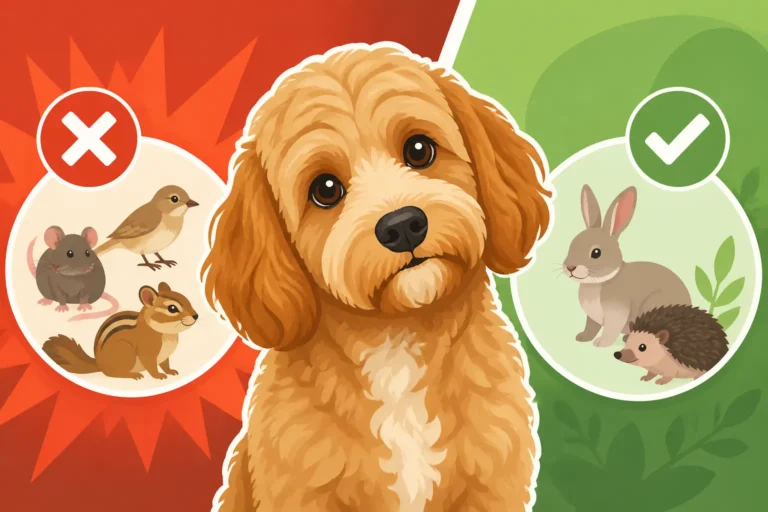
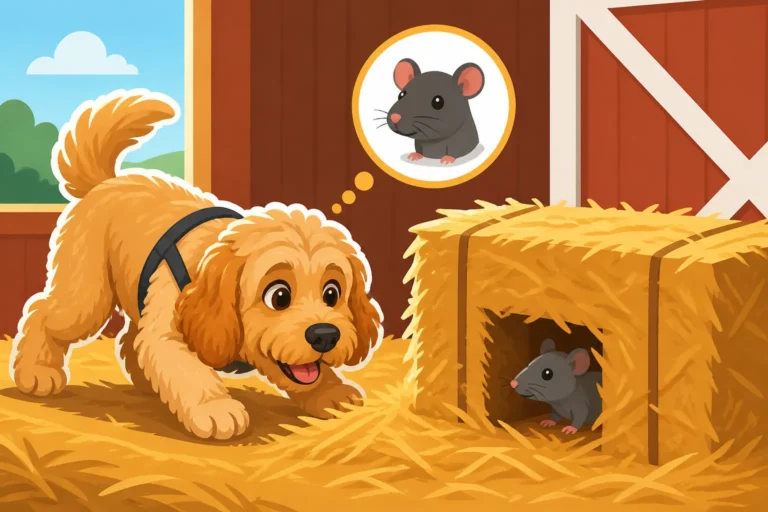
One half of your Cockapoo's lineage, the Cocker Spaniel, was originally bred as a gundog. Their job was to "flush" game birds from cover, making them visible to hunters. This means they possess a strong instinct to sniff out, chase, and pursue small, fast-moving objects. When we talk about "prey drive" in a Cockapoo, this is often what we're referring to – that sudden burst of energy and focus when something zips by.
Imagine you're out on a walk with your Cockapoo, and a squirrel darts up a tree. You'll likely see that intense focus, the tail flagging, the sudden pull on the leash as they try to follow the scent and movement. This isn't aggression; it's an ingrained behavioral pattern. For a house cat, especially one prone to sudden sprints or darting movements, this can trigger that same chase response in a Cockapoo. It’s not about malice; it’s about instinct. A Cocker Spaniel's job was to work in close quarters with hunters, but that doesn't negate the fundamental drive to find and flush prey. This is why you might notice The Flushing Drive Still Alive in a Cockapoo even in a pampered pet. This instinct, if not managed, can unfortunately be directed towards a household cat, leading to unwanted chasing and stress for the feline.
The Poodle's Intelligence and Training Potential
On the other side of the genetic coin, you have the Poodle. Poodles, regardless of their size (Standard, Miniature, or Toy), are incredibly intelligent and biddable dogs. They were originally bred as water retrievers, meaning they are eager to please and highly trainable. This intelligence is a huge advantage when it comes to managing any undesirable instincts your Cockapoo might exhibit.
A Poodle's keen mind means they can learn commands quickly and are often very responsive to their handlers. This translates directly to your Cockapoo. While they might have that chase instinct from the Cocker side, their Poodle intelligence means they are often very capable of learning to control it. They can be taught impulse control, to ignore certain stimuli, and to respond to commands even in distracting situations. This capacity for learning is your greatest asset in teaching your Cockapoo to live peacefully with your cat. It's about channeling that intelligence and eagerness to work into constructive behaviors, rather than letting natural instincts run wild.
Assessing Your Individual Cockapoo's Temperament
Just like people, every Cockapoo is an individual. While we can talk about general breed tendencies, it's crucial to assess your specific dog's personality, history, and current behavior. Two Cockapoos from the same litter can have wildly different approaches to life, and certainly to house cats.
Puppyhood Socialization and Early Experiences
The formative weeks and months of a Cockapoo's life play a massive role in how they perceive and react to other animals, including cats. A puppy exposed to cats in a positive, controlled manner from a young age is far more likely to accept them as part of the family than a dog who has never met a cat or, worse, had a negative experience. This early exposure, known as socialization, helps them learn what is "normal" and safe.
If your Cockapoo puppy grew up in a household with a calm, cat-savvy feline, they might already have a good foundation for coexistence. They would have learned that cats are not toys to be chased, but rather quiet housemates to be respected. Conversely, a Cockapoo who spent their puppyhood chasing rabbits in the backyard or was never introduced to cats might see them as exciting prey. It’s also important to consider if they've ever been around other small animals; a history of chasing squirrels or birds could indicate a stronger natural drive that will need more dedicated training. What a Cockapoo Puppy Should Learn First includes crucial early socialization lessons that can positively impact their interactions with all living creatures.
Observing Body Language and Behavior Cues
Your Cockapoo is constantly communicating with you, and understanding their body language is key to predicting how they might interact with your cat. Pay close attention to subtle signals, not just overt actions.
When your Cockapoo sees your cat, what do they do? Do their eyes lock on with intense focus, tail wagging rapidly and stiffly, body tensed and ready to spring? This is a strong indicator of prey drive. Do they give a soft blink, a loose body, and perhaps a casual sniff? This suggests curiosity and a less intense reaction. Watch for signs of arousal: dilated pupils, stiff posture, raised hackles, or a low growl. Conversely, a relaxed tail wag, a soft gaze, or even ignoring the cat completely are good signs.
Also, observe your cat's reaction. Is your cat relaxed, purring, or ignoring the dog? Great! Is your cat flattened to the ground, ears back, hissing, or constantly seeking high ground? These are clear signs of stress and fear, indicating that the current dynamic isn't working for them. Understanding these cues helps you intervene before an undesirable interaction escalates, rather than reacting after the fact.
Preparing Your Home for a Multi-Pet Household
Setting up your living space thoughtfully before your Cockapoo and cat even meet can drastically improve the chances of a peaceful coexistence. It’s all about creating boundaries, safe zones, and managing resources to minimize stress for both animals.
Establishing Cat-Only Zones
One of the most critical steps in ensuring your cat’s safety and comfort is to provide them with guaranteed dog-free spaces. Cats are masters of vertical space, and using this to your advantage is essential. High shelves, cat trees, window perches, and even the tops of bookcases can become safe havens where your cat can observe the dog without fear of being chased or bothered.
Consider installing baby gates or pet gates that the cat can easily jump over but the dog cannot. This creates entire rooms or sections of the house that are exclusively for your cat. For instance, a laundry room or a spare bedroom can be fitted with a gate. Some gates even have small cat doors built into them, allowing your feline friend free passage while keeping your Cockapoo contained. You can find excellent options for pet gates on platforms like Amazon, offering different heights and widths to suit your home layout. The cat's food, water, and litter box should always be placed in these cat-only zones. This prevents the Cockapoo from eating the cat's food (which can be bad for dogs) or, worse, raiding the litter box – a truly unappetizing habit! Giving your cat this sense of security and control over their environment reduces their stress levels, making them more likely to tolerate the dog's presence.
Managing Resources and Feeding Times
Resource guarding can be an issue in multi-pet households, even with the sweetest of dogs. To avoid potential conflict, ensure that each pet has their own designated bowls, toys, beds, and especially, feeding areas.
Feed your Cockapoo and cat in separate rooms, or at least far enough apart that they cannot see or reach each other's food. This prevents competition, which can escalate into snapping or even fights. Your cat's food should always be placed out of your Cockapoo's reach, preferably in their cat-only zone or on a high surface. Cockapoos are smart and often food-motivated, and they will absolutely try to eat the cat's food if given the opportunity. Similarly, make sure each pet has their own bed or resting space where they feel secure and can retreat if they need alone time. This reduces territorial disputes and helps both animals feel like they have their own safe corner. Keeping a variety of toys available for your Cockapoo, especially interactive ones, can also help redirect their energy away from the cat.
| Resource Category | Recommended Management for Harmony |
|---|---|
| Food Bowls | Separate feeding areas, ideally in different rooms. Cat's food elevated. |
| Water Bowls | Multiple bowls available, placed in different locations. |
| Litter Box | In a cat-only zone, inaccessible to the Cockapoo. |
| Beds/Resting Spots | Each pet has their own, comfortable, secure space. Cat's high up if preferred. |
| Toys | Individual toys. Rotate dog toys to keep interest high and prevent boredom. |
| Attention | Ensure equal, positive attention to both pets. Avoid favoritism. |
Introducing a Cockapoo to a Resident Cat
The introduction phase is critical and should never be rushed. Patience, control, and positive reinforcement are your best friends here. The goal is to create positive associations between your Cockapoo and your cat, building trust gradually.
Scent Swapping and Gradual Visual Introductions
Before they even lay eyes on each other, let them get used to each other's scent. This might sound minor, but scent is incredibly important in the animal world. Start by swapping blankets or toys that carry each animal's scent. Let your Cockapoo sniff a blanket your cat has slept on, and vice-versa. Offer treats while they're investigating the new scent, creating a positive association. You want them to think, "This new smell means good things!"
Once they're comfortable with each other's scent, move to visual introductions through a barrier. A baby gate or a glass door works perfectly. Keep your Cockapoo on a leash during these initial sightings, even if they seem calm. This allows you to maintain control and prevent any sudden lunging. Offer both animals high-value treats from opposite sides of the barrier. The goal is for them to see each other and associate that sight with something delicious and positive. Keep these sessions short and sweet, ending on a positive note before either animal shows signs of stress. Slowly increase the duration of these visual encounters over several days or even weeks. Introducing a Cockapoo to a Newborn shares principles of gradual introduction that can be adapted here.
Supervised Interactions and Leash Control
When you finally move to direct, in-room introductions, always, always keep your Cockapoo on a leash. This isn't about punishment; it's about safety and management. A lightweight house line or a standard leash will do. The leash gives you immediate control to prevent chasing or overly enthusiastic greetings that could scare the cat.
Have your Cockapoo on the leash, calm and under control, perhaps lying on their mat or in a "sit-stay." Let your cat enter the room on their own terms. Do not force interaction. Allow the cat to approach, sniff, or retreat as they feel comfortable. Reward your Cockapoo with treats for calm behavior, such as ignoring the cat or looking at you instead of staring intensely. If your Cockapoo starts to get overly excited, gives a hard stare, or tries to lunge, calmly redirect them with a "leave it" command (more on that below) and move them away. End the session if either animal shows significant stress. These supervised interactions should always be positive, short, and controlled. Never leave them alone together until you are absolutely certain they can coexist peacefully, which can take weeks, months, or even longer.
Training for Harmony: Commands and Management
Training isn't just for tricks; it's essential for safety and building a respectful relationship between your Cockapoo and your cat. Strong foundational commands are your toolkit for managing interactions and reinforcing calm behavior.
Teaching "Leave It" and "Come" Reliably
These two commands are arguably the most important for a multi-pet household. "Leave It" teaches your Cockapoo to disengage from something you don't want them to interact with, whether it's a dropped treat, a tempting shoe, or, crucially, your cat. Start teaching "Leave It" in low-distraction environments with low-value items, gradually increasing the difficulty.
To teach "Leave It":
- Place a treat on the floor and cover it with your hand.
- When your Cockapoo tries to get the treat, say "Leave It."
- Wait until they look away from the treat (even for a second).
- Immediately remove your hand, say "Yes!" or "Good!" and give them a different, higher-value treat from your other hand.
- Practice this repeatedly, gradually moving to uncover the treat for longer, and then placing it further away, always rewarding disengagement.
- Once mastered with food, practice with other objects, eventually including the cat (from a safe distance, of course). Whether a Cockapoo Can Be Taught to Leave the Cat is a good resource for this specific training.
"Come" (or recall) is vital for getting your Cockapoo back to you instantly if they start to chase the cat or get too fixated. Practice "Come" in various environments, always making it a super positive experience with high-value rewards. You want your Cockapoo to drop everything and race to you. Recall on a Cockapoo That Has Found a Scent emphasizes the importance of a strong recall, especially with a Cockapoo's natural inclinations.
Using Positive Reinforcement and Desensitization
Positive reinforcement is key when fostering good relationships between pets. This means rewarding desired behaviors with treats, praise, or toys. You want your Cockapoo to associate your cat with good things happening to them.
If your Cockapoo is calmly looking at the cat without excitement, reward them. If they walk past the cat without a second glance, reward them. If they choose to lie down calmly while the cat is in the room, reward them. The idea is to make calm, respectful behavior around the cat more rewarding than chasing or bothering them.
Desensitization involves gradually exposing your Cockapoo to your cat at a level where the Cockapoo doesn't react negatively, and then slowly decreasing the distance or increasing the duration while keeping the Cockapoo calm. For example, if your Cockapoo gets excited when the cat is 10 feet away, start by rewarding them for being calm when the cat is 20 feet away. Gradually, over days or weeks, decrease that distance, always staying below their threshold for excitement. This slow, controlled exposure, paired with positive rewards, helps them get used to the cat's presence without becoming over-aroused.
Training Session Examples for Cat Safety
| Scenario | Training Goal | Method | Expected Outcome |
|---|---|---|---|
| Initial Sighting | Calm observation | Cockapoo on leash, cat behind gate. Reward calm gaze at cat. | Cockapoo sees cat, remains relaxed. |
| Cat Moves | No chase instinct | Cockapoo on leash. Cat moves slightly. Reward Cockapoo for ignoring. | Cockapoo acknowledges cat, doesn't react. |
| Cat Passes By | "Leave It" cue response | Cockapoo on leash. Cat walks past. Cue "Leave It." Reward disengagement. | Cockapoo looks at you, not the cat. |
| Relaxed Together | Coexistence in same room | Cockapoo on mat. Cat on perch. Reward calm settle for both. | Both pets are relaxed in each other's presence. |
Consider exploring resources like BAXTER & Bella for their online puppy training programs. They often emphasize positive reinforcement and foundational skills, which are invaluable for teaching your Cockapoo good manners around all family members, including the feline ones.
Long-Term Management and Troubleshooting
Even with the best training and introductions, living with a Cockapoo and a cat is an ongoing process of management and observation. There will be good days and challenging days. Knowing how to recognize problems and when to seek help is crucial.
Recognizing Stress Signals in Both Pets
Being fluent in dog and cat body language is a superpower for a multi-pet owner. Both species have clear ways of communicating discomfort, and learning to spot these early can prevent escalation.
For Your Cockapoo, look for:
- Hard stare: Intense, unblinking eye contact with the cat.
- Stiff body: Rigid posture, often leaning forward slightly.
- Low growl or bark: More than just playful vocalization, this signals tension.
- Raised hackles: Hair standing up along their spine, especially at the shoulders.
- Lip licking/Yawning: These can be appeasement signals when stressed, not just sleepy.
- Freezing: Becoming suddenly still and unmoving, often before a lunge.
- Whether a Cockapoo Gets Immune Mediated Platelet Loss or other health issues can also impact behavior, making them more irritable or less tolerant, so always consider health if behavior changes.
For Your Cat, look for:
- Flattened ears or "airplane ears": Ears pinned back or turned to the side.
- Dilated pupils: Wide eyes, often a sign of fear or arousal.
- Hissing or growling: Clear vocal warnings.
- Piloerection: Hair standing up, making them look bigger.
- Tail tucked or thrashing: A tail low or rapidly thumping side-to-side.
- Hiding or constantly seeking high ground: A clear sign they don't feel safe.
- Blocking access to resources: Trying to prevent the dog from getting to their food, water, or litter.
If you see these signs, it's time to intervene, separate the animals, and re-evaluate your management strategy. Don't wait for a full-blown conflict.
When to Seek Professional Help
Sometimes, despite your best efforts, things just aren't clicking, or worse, they're deteriorating. There's absolutely no shame in seeking professional help. In fact, it's a sign of a responsible pet owner.
If your Cockapoo exhibits persistent chasing, aggression, or a dangerously high prey drive towards your cat that you can't manage, or if your cat is living in constant fear and stress, it's time to call in a certified professional. Look for a certified professional dog trainer (CPDT-KA) or, ideally, a veterinary behaviorist (DACVB). These professionals have the expertise to assess the specific dynamics in your household, develop a tailored behavior modification plan, and provide hands-on guidance. They can help you understand subtle nuances you might be missing and teach you advanced techniques for managing interactions. They can also rule out any underlying medical conditions that might be contributing to behavioral issues. Investing in professional guidance can be the difference between a stressful, potentially dangerous living situation and a peaceful, long-lasting companionship for all your furry family members.
Remember, the goal is not necessarily for your Cockapoo and cat to be best friends, but rather to coexist safely and without undue stress. With patience, consistent training, and smart management, many Cockapoo-cat households thrive.
Disclaimer
This article is for general informational purposes only and does not constitute professional advice. Laws, prices and regulations vary by location and change over time. Consult a qualified professional for guidance on your specific situation.