What a Cockapoo Puppy Chews Through in Six Months
You’ve just welcomed a fluffy Cockapoo puppy into your home, and while your heart is undoubtedly full of joy, you're likely bracing for, or already experiencing, the relentless chewing spree that is an inevitable part of puppyhood. Those first six months with a curious, energetic Cockapoo can feel like a gauntlet of chewed furniture, gnawed shoes, and a constant vigilance to keep precious items out of reach. This guide will walk you through what your Cockapoo puppy is likely to chew through, why they do it, and how you can manage this phase without losing your sanity (or your favorite pair of slippers).
The Inevitable Chewing Phase
Every puppy owner knows the drill: a new furry family member arrives, and suddenly everything within reach becomes a potential target for tiny, sharp teeth. For Cockapoo puppies, this instinct is particularly strong, blending the inquisitive nature of the Poodle with the robust mouth-exploration tendencies of the Cocker Spaniel. It’s not about malice; it’s fundamental to their development and understanding of the world.
Teething Terrors and Exploration
From about three weeks of age, a puppy’s baby teeth start to emerge, and by six weeks, they usually have a full set of 28 needle-sharp teeth. This is just the warm-up act. The real fun begins when those baby teeth start falling out to make way for adult teeth, typically between 3 to 6 months of age. This process can be quite uncomfortable for a Cockapoo puppy, leading them to seek relief by chewing on anything that offers counter-pressure to their aching gums. It’s their way of self-soothing, much like a human baby chews on a teether.
Beyond teething, chewing is also a crucial part of a puppy’s exploration. They don’t have hands like we do; their mouth is their primary tool for investigating new textures, tastes, and objects. A Cockapoo puppy will pick up, mouth, and chew on anything that smells interesting or feels novel. This includes toys, sticks, rocks, dirt, and, unfortunately, your expensive rug. They're learning about their environment, and chewing helps them process sensory information. Understanding this natural drive is the first step in channeling it appropriately. This period is critical for setting good habits, as discussed in Raising a Cockapoo Puppy.
The Cost of Ignoring the Urge
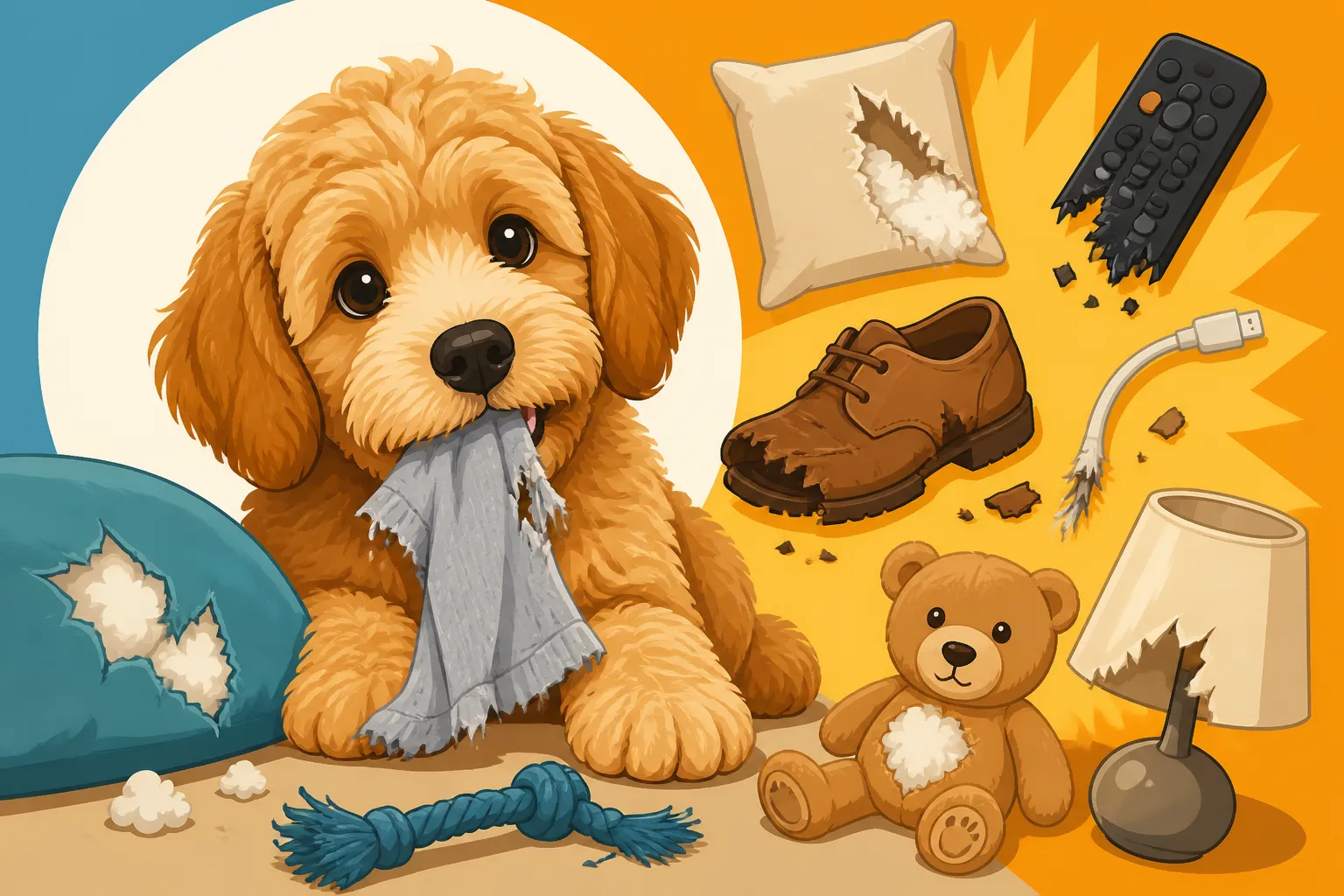
Ignoring your Cockapoo puppy's innate need to chew is like trying to stop the tide – it's going to find an outlet, and usually, that outlet will be something you value. Many a new puppy owner has walked into a room to find a table leg scarred, an important document shredded, or a favorite pair of shoes reduced to a slobbery, unrecognizable mess. It’s not just about the monetary cost of replacing these items; it’s also the emotional toll of frustration and disappointment.
More critically, an uncontrolled chewing habit can lead to serious health risks. Puppies don't discriminate between a safe chew toy and a dangerous electrical cord, a toxic houseplant, or a small object they could swallow. Ingesting foreign objects, especially those that splinter or are too large to pass, can lead to choking, internal blockages, or severe gastrointestinal upset requiring emergency veterinary intervention. The potential for a trip to the vet for x-rays or even surgery to remove an ingested item is a real and costly concern. Such emergencies can add significantly to What a Cockapoo Costs Before Its First Birthday, making proper chew management an investment in both your home and your puppy's health.
Essential Chewing Outlets and Replacements
Since chewing is a natural and necessary behavior for your Cockapoo puppy, the goal isn't to stop it entirely, but to redirect it towards appropriate items. Providing a wide variety of safe, engaging chews is paramount to your success. Think of it as building a chew toy arsenal!
Durable Chews for Every Stage
As your Cockapoo puppy grows, their chewing strength and preferences will change. It’s wise to have a selection of durable chews on hand that cater to different needs:
- Rubber Chews: Brands like Kong offer fantastic rubber toys that can be stuffed with treats, peanut butter, or even a bit of their regular kibble (perhaps from a brand like Ollie). Freezing these stuffed toys adds an extra challenge and provides soothing relief for teething gums. The unpredictability of getting the treats out keeps them engaged for longer. These are particularly great during the 3-5 month mark when teething is intense.
- Nylon Chews: For puppies that are really starting to exert their jaw strength, durable nylon chews can be a good option. They are designed to withstand aggressive chewing and come in various shapes and textures. Always supervise your puppy with these to ensure they aren't breaking off large pieces, and discard them when they become too small or worn.
- Dental Chews: These aren't just for cleaning teeth, though that's a bonus! Many dental chews have textures designed to massage gums, which can be a relief for a teething Cockapoo. Look for those appropriate for puppies and consider the ingredients.
- Edible Chews: Items like bully sticks, natural rawhide alternatives (if vet approved), or dental sticks can be excellent high-value chews. They are consumable, which can be highly motivating, but they should always be given under supervision to prevent choking or ingestion of large pieces too quickly. Rotate these with non-edible options to keep things interesting.
Remember to consider your Cockapoo's size when selecting chews. A toy Cockapoo will need different sized items than a maxi Cockapoo. Always check product descriptions for age and weight recommendations. Regularly inspect all chew toys for damage; replace them immediately if they become a choking hazard or can splinter.
Enrichment Toys to Distract and Engage
Beyond just raw chewing, mental stimulation plays a huge role in satisfying a Cockapoo’s busy mind and preventing destructive chewing out of boredom. These intelligent dogs, inheriting traits from both Poodles and Cocker Spaniels, thrive on challenges.
- Puzzle Toys: These toys require your puppy to figure out how to get treats or kibble out, engaging their problem-solving skills. Whether it’s a treat-dispensing ball or a more complex feeder, these can keep a Cockapoo occupied for a good stretch of time. They are fantastic for independent play, especially when you need a moment of peace.
- Snuffle Mats: A snuffle mat is a fabric mat with various pockets and folds where you can hide treats. Your Cockapoo has to sniff and forage to find them, mimicking natural hunting behaviors. This can be a calming and enriching activity that satisfies their innate scent drive, a trait often seen in both parent breeds. Scent Work That Satisfies a Cockapoo can take many forms, and a snuffle mat is a great start.
- Rope Toys (for supervised play): While not ideal for unattended chewing due to the risk of ingesting strands, rope toys are excellent for interactive games like tug-of-war. This helps satisfy your puppy’s instinct to grip and pull, and it’s a fantastic way to bond with them. Just remember to put it away when playtime is over.
A good selection of these toys can be found at pet supply retailers like Chewy, offering a convenient way to keep your puppy’s toy box well-stocked. Remember, variety is key! Rotate toys regularly to keep them novel and exciting for your puppy.
Protecting Your Home and Possessions
Even with the best chew toys, a determined Cockapoo puppy can still find ways to get into mischief. Puppy-proofing your home and implementing consistent training are crucial layers of defense against destructive chewing.
Puppy-Proofing Your Living Space
Think like a puppy! Get down on your hands and knees and look at your home from their perspective. What's at mouth height? What looks tempting?
- Secure Electrical Cords: This is non-negotiable. Electrical cords are incredibly dangerous if chewed. Use cord covers, tuck them behind furniture, or lift them out of reach. You can also use bitter apple spray on cords as a deterrent, though some determined puppies might chew through it anyway.
- Remove Valuables and Temptations: Shoes, remote controls, books, children's toys – anything small, soft, or that has your scent on it is a prime target. Keep them in closed cabinets, on high shelves, or in rooms that are off-limits to your puppy. This is part of Kitting Out a Cockapoo Before It Comes Home – preparing your house.
- Block Access to Restricted Areas: Use puppy gates to cordon off rooms where you can’t supervise your Cockapoo. This could be a home office with lots of wires, a bathroom with cleaning supplies, or a bedroom with tempting laundry.
- Cover Furniture Legs: While not aesthetically pleasing, temporarily covering wooden furniture legs with bitter spray, tin foil (which many puppies dislike the texture of), or even old towels can deter chewing during the worst of the teething phase.
- Check Plants: Many common houseplants are toxic to dogs. Either remove them from your home entirely or place them well out of reach. A quick online search can tell you which plants are safe and which are not.
Remember, a puppy-proofed home is a safe home, and it also sets your Cockapoo up for success by removing opportunities to make bad choices.
Training and Management Strategies
Puppy-proofing buys you time, but effective training and management are what build long-term good habits.
- Supervision, Supervision, Supervision: When your Cockapoo puppy is out of their crate or confined area, they should be under constant supervision. This means no leaving them alone in a room, even for a few minutes. Use a tether to keep them close to you, or have them in a secure playpen. This immediate oversight allows you to interrupt unwanted chewing before it becomes a habit.
- Redirection is Key: Catch your Cockapoo puppy in the act of chewing something inappropriate? Don't punish them harshly; they likely won't understand why. Instead, calmly interrupt them with a sound or a gentle "no," and immediately redirect their attention to an appropriate chew toy. Praise them enthusiastically when they start chewing on the right item. Consistency here is vital for What a Cockapoo Puppy Should Learn First.
- Crate Training: A properly introduced crate can be a lifesaver during puppyhood. It provides a safe, secure space where your Cockapoo can relax without the opportunity to chew destructively. Never use the crate as punishment, but as a cozy den. During the times you can't actively supervise, the crate is the safest place for your puppy. This also helps with house training, as detailed in How Long a Cockapoo Puppy Holds It Overnight.
- Consistent Exercise and Mental Stimulation: A tired puppy is a good puppy! Ensure your Cockapoo gets plenty of appropriate exercise for their age, including walks, playtime in a secure yard, and brain games. A bored or under-exercised Cockapoo is much more likely to resort to destructive chewing out of sheer frustration or excess energy. This helps avoid issues like What a Bored Cockapoo Chews Through.
Budgeting for the Chewing Spree
The financial aspect of puppy chewing isn't just about replacing ruined items; it's about proactively investing in the right tools to manage the behavior and prepare for potential accidents.
Estimating Initial Chew Toy Costs
When you first bring your Cockapoo puppy home, you'll want to have a starter kit of chew toys. This isn't a one-and-done purchase. Puppy chews typically range from a few dollars for basic rubber balls to higher-end interactive puzzles or durable nylon chews that can be in the tens of dollars.
Here’s a rough idea of what you might need to kick things off:
| Item Type | Description | Typical Cost (per item) | Quantity Recommended | Initial Estimate |
|---|---|---|---|---|
| Rubber Stuffable | Kong Classic, Kong Wobbler – great for teething and mental stimulation. | Moderate | 2-3 | Low-High |
| Durable Nylon | Nylabone, Benebone – for stronger chewers, comes in various flavors. | Moderate | 2-3 | Low-High |
| Dental Chews | Greenies, dental sticks – helps with oral hygiene and satisfies urge. | Low-Moderate | Pack of 7-14 | Low-Moderate |
| Puzzle Toys | Treat dispensing balls, slow feeders – mental enrichment. | Moderate | 1-2 | Moderate |
| Rope Toys | For supervised tug and fetch, helps with teething. | Low | 1-2 | Low |
| Snuffle Mat | For scent work and calming foraging. | Moderate | 1 | Moderate |
This initial investment is crucial. Don't skimp here, as cheap, inappropriate toys can break easily and become choking hazards. You might spend a bit more upfront, but it's far less than the cost of replacing your furniture or, worse, an emergency vet visit.
Recurring Expenses and Replacements
Chew toys are not indestructible, especially with a determined Cockapoo puppy. You’ll find yourself replacing them fairly regularly, especially during the peak chewing months (3-9 months). Edible chews are, by their nature, consumed, and even the most robust rubber or nylon toys will eventually show signs of wear and tear.
It's wise to budget for a monthly replenishment of chew toys and treats. Some items, like bully sticks or dental chews, might be a weekly purchase, while a durable rubber toy might last a few months. Keep an eye out for sales from retailers like Chewy to stock up when you can. Over six months, this could easily add up to a significant sum, but it's a necessary ongoing cost for a happy, well-adjusted Cockapoo who isn't destroying your home.
Considering Insurance for Accidents
Despite your best efforts in puppy-proofing and supervision, accidents can and do happen. A Cockapoo puppy, especially one exploring its world, might chew on something it shouldn't and ingest it. The cost of an emergency vet visit for an ingested foreign object can be substantial, often involving diagnostics like X-rays or ultrasounds, medications, and potentially even surgery. What the Operation Costs by Cockapoo Size can vary greatly depending on the complexity.
This is where pet insurance can offer invaluable peace of mind. Companies like Healthy Paws offer various plans that can help cover unexpected accident and illness costs. While specific coverage and deductibles will vary, having a policy in place before any incidents occur means you won't have to make difficult financial decisions in a stressful emergency situation. It’s an investment in your Cockapoo's health and your own financial well-being, especially during those unpredictable puppy months.
Disclaimer
This article is for general informational purposes only and does not constitute professional advice. Laws, prices and regulations vary by location and change over time. Consult a qualified professional for guidance on your specific situation.