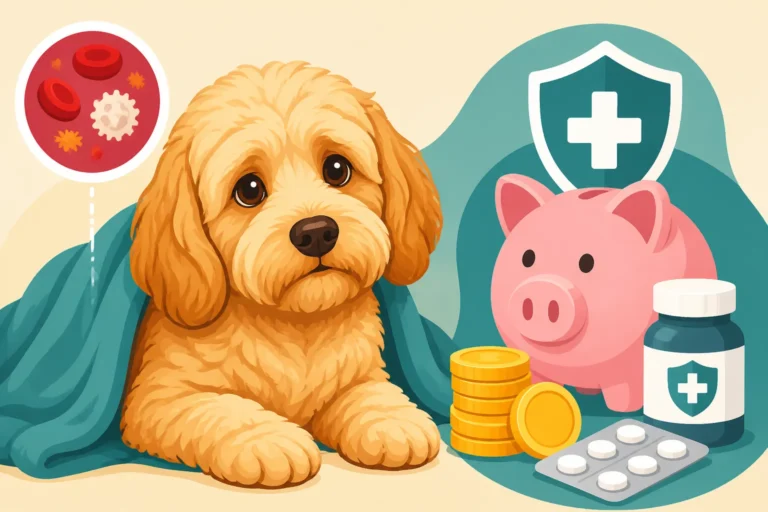
Whether Cockapoo Premiums Climb After Eight
It’s a natural worry for any loving Cockapoo owner: you’ve cherished your furry companion for years, watched them bound through their prime, and now as they approach their senior years, you start to think about what the future holds, especially regarding their health and the cost of keeping them well. One of the biggest questions that often pops up is about pet insurance – specifically, whether those premiums are going to skyrocket once your beloved Cockapoo hits that "after eight" mark. This guide is here to shed some light on the reality of pet insurance for aging Cockapoos, helping you understand the factors at play and how to prepare.
The Inevitable Rise of Pet Insurance Premiums with Age
Let's be honest, it's not just a feeling; pet insurance premiums generally do increase as your dog gets older. It’s a reality that can feel unfair, especially when you've been a loyal customer for years, but there’s a clear, if sometimes harsh, logic behind it.
Why Age is the Biggest Factor in Premium Increases
Think of it like human health insurance, or even car insurance as a driver ages. As a dog gets older, their risk of developing health issues, needing emergency care, or requiring ongoing treatment for chronic conditions escalates significantly. It’s simply an actuarial reality that older bodies are more prone to wear and tear, illnesses, and unforeseen accidents that can require expensive veterinary intervention.
For a Cockapoo, those joyful leaps and bounds can eventually lead to Joints in a Cockapoo Bred From Four Sizes starting to ache, or their once-boundless energy might be tempered by conditions like Heart Murmurs in an Aging Cockapoo. These aren’t just minor inconveniences; they often require diagnostic tests, medications, and potentially surgeries, all of which come with a substantial price tag. Insurers, being in the business of managing risk, adjust their premiums to reflect this heightened probability of claims. They know that a Cockapoo at eight or ten years old is statistically more likely to need a hip X-ray, specialized medication for an autoimmune disease, or treatment for The Tumors a Cockapoo Develops than a vibrant two-year-old pup. This isn’t a slight against your individual dog, but a reflection of broad demographic data across the canine population.
Understanding the "Sweet Spot" for Insurance Enrollment
This reality underscores why most pet insurance experts, myself included, strongly advocate for enrolling your Cockapoo in a policy when they are young. The "sweet spot" for enrollment is typically during puppyhood or young adulthood. Why? Because at this stage, your dog has a minimal history of veterinary issues, meaning fewer (if any) pre-existing conditions.
When you enroll a young Cockapoo, the policy covers new conditions that arise throughout their life, after any initial waiting periods. If you wait until your Cockapoo is, say, nine years old and suddenly starts showing signs of kidney trouble or develops cataracts, those conditions will almost certainly be classified as pre-existing conditions and excluded from coverage if you try to get a new policy. This is a crucial point many owners overlook. The financial gamble of waiting until issues arise can be immense. While the premium for a young Cockapoo might seem like an added expense on top of What a Cockapoo Costs Before Its First Birthday, it's often a small investment compared to the potential costs of managing chronic illnesses in their senior years without coverage. It offers genuine peace of mind, knowing that should something pop up later, you won't be faced with the heartbreaking choice between your dog's health and your bank account.
Factors Beyond Age That Influence Your Cockapoo's Premiums
While age is undoubtedly the heaviest hitter when it comes to premium costs, it's not the only factor. Several other elements play a significant role in how much you'll pay, and understanding them can help you make more informed decisions.
Breed-Specific Health Concerns and Their Impact
Even though our beloved Cockapoos are celebrated for their hybrid vigor, meaning they can sometimes be healthier than either of their purebred parents, they still carry genetic predispositions from both the Cocker Spaniel and the Poodle lines. Insurance companies are very aware of these potential breed-specific health concerns.
For instance, from the Cocker Spaniel side, Cockapoos can be prone to certain eye conditions like Glaucoma From the Cocker Side of a Cockapoo. They might also inherit sensitivities that could lead to Skin and Coat Disease in a Cockapoo or even more serious autoimmune issues like A Cockapoo's Autoimmune Anemia and the Cocker Line. From the Poodle side, concerns such as Addison's Disease, certain cancers, or even some joint issues like luxating patella can be inherited. While your Cockapoo might be an F1, F1b, or multigen, insurers assess the underlying breed risks. If your Cockapoo has developed any of these conditions, or conditions common to their parent breeds, the premium will reflect the increased likelihood of future claims related to these or similar ailments. Insurers use vast databases of breed health statistics to factor these risks into their pricing models, making sure they can adequately cover the typical health challenges a Cockapoo might face as they age.
Your Location and Veterinary Costs
Just like pretty much everything else in life, where you live dramatically impacts the cost of veterinary care, and by extension, your pet insurance premiums. A high-cost-of-living area, particularly large metropolitan centers, usually comes with significantly higher veterinary fees. This is due to higher overheads for clinics, greater demand for specialized services, and generally elevated operating costs.
If you live in a bustling city like New York or Los Angeles, you can expect vet visits, emergency treatments, and surgeries to be more expensive than in a rural town in, say, Kansas. Insurance companies adjust their premiums accordingly to ensure they can adequately cover the projected costs of treatment in your specific region. It's a simple supply and demand, and cost-of-doing-business equation. So, even if your Cockapoo is perfectly healthy, your zip code alone can influence your monthly insurance bill. It's not uncommon for someone who moves from a rural area to a major city to see their premiums adjust upwards at their next renewal, reflecting the new veterinary cost landscape.
The Level of Coverage You Choose
The type and extent of coverage you opt for also plays a huge role in your Cockapoo's premiums, both when they're young and especially as they age. Most pet insurance providers offer a range of plans, from basic accident-only coverage to comprehensive accident and illness plans, and sometimes even optional wellness add-ons.
- Accident-Only Plans: These are usually the most affordable, covering injuries from accidents (e.g., broken bones, swallowed objects). They don't cover illnesses, which become more prevalent in older dogs.
- Accident & Illness Plans: These are the most popular and comprehensive, covering a wide range of conditions from infections and allergies to cancer and orthopedic issues. As you might expect, these come with higher premiums.
- Wellness Add-ons: These typically cover routine care like vaccinations, annual exams, and flea/tick prevention. They are usually separate from the core insurance policy and come at an additional cost.
Beyond the type of plan, you also make choices regarding deductibles, reimbursement percentages, and annual limits.
- Deductible: This is the amount you pay out-of-pocket before your insurance coverage kicks in. A higher deductible usually means a lower monthly premium.
- Reimbursement Percentage: This is the percentage of eligible vet bills the insurance company will pay after your deductible is met (e.g., 70%, 80%, or 90%). A higher reimbursement percentage means a higher premium.
- Annual Limit: This is the maximum amount the insurance company will pay out in a policy year. A higher annual limit generally means a higher premium.
As your Cockapoo ages and the risk of claims increases, you might be tempted to lower your coverage levels (e.g., increase your deductible or decrease your reimbursement percentage) to keep premiums manageable. While this can reduce your monthly payment, remember it also means you'll be responsible for a larger portion of the vet bill if a major issue arises. It's a balancing act between monthly affordability and potential out-of-pocket costs during an emergency or chronic illness.
Navigating Premium Hikes for Your Senior Cockapoo
It's a fact of life that premiums will likely climb as your Cockapoo ages. The key is to be proactive and informed rather than caught off guard. There are strategies you can employ to manage these increases and ensure your furry friend still receives the best possible care.
Reviewing Your Policy Annually
This is perhaps the most critical step you can take. Don't just let your pet insurance policy auto-renew without a thorough review. When you receive your renewal notice, typically a month or two before the new policy year begins, take the time to understand exactly what's changing. Insurers often adjust premiums, and sometimes even tweak coverage terms, deductibles, or annual limits, based on your pet's age and claims history.
Look carefully at the new premium amount. Are there any significant jumps? Does the coverage still meet your needs, especially considering any new health conditions your Cockapoo might have developed in the past year? This annual check-in is also an excellent opportunity to shop around. While switching insurers might mean any conditions your Cockapoo developed while with the previous provider become "pre-existing" with a new one, it's worth understanding your options. If your Cockapoo has remained relatively healthy, you might find a better rate or more suitable coverage elsewhere. However, if your senior Cockapoo has developed significant chronic conditions, like a heart murmur or kidney issues, switching might not be viable as those conditions would then be excluded by a new insurer. In such cases, the best course of action is often to stick with your current provider, as they will generally continue to cover those conditions as long as the policy remains continuous. Companies like Healthy Paws are known for their comprehensive coverage, but even with them, you'll see age-related adjustments. Always check their specific terms at renewal.
Strategies to Mitigate Rising Costs
Facing rising premiums can be frustrating, but you're not powerless. There are several approaches you can consider to help keep costs in check:
- Adjusting Plan Parameters: As mentioned earlier, you can often adjust your deductible and reimbursement percentage. If your Cockapoo is older and you're willing to take on a slightly larger share of potential vet bills yourself, increasing your deductible (e.g., from a lower figure to a higher one) can lower your monthly premium. Similarly, reducing your reimbursement percentage (e.g., from 90% to 80%) will also bring down the premium. However, it's vital to fully understand the financial implications of these changes before making them. A major illness could leave you with a much higher out-of-pocket expense.
- Considering Accident-Only Coverage: For very old Cockapoos who may already have multiple chronic, pre-existing illnesses that full insurance won't cover, an accident-only plan might be a more affordable option. This ensures coverage for unexpected injuries like a broken leg from a fall, while you budget separately for ongoing illness management. However, this is a significant trade-off, as common senior ailments like Kidney Failure in an Old Cockapoo or advanced Heart Murmurs in an Aging Cockapoo would not be covered.
- Self-Insuring: Some owners, especially if their Cockapoo has pre-existing conditions that make comprehensive insurance prohibitively expensive or ineffective, opt to "self-insure." This means setting aside a dedicated amount of money in a high-yield savings account specifically for vet emergencies and ongoing care. This approach requires discipline, but it gives you full control over the funds. It can be a smart strategy for a senior Cockapoo with a well-documented medical history, allowing you to use those funds directly for their specific needs without waiting for claims or dealing with exclusions. Think about Setting Money Aside for a Cockapoo's Vet Bills early on in your dog's life.
Exploring Alternatives to Traditional Full Coverage
Beyond adjusting your existing policy, it's worth looking at broader financial strategies for senior pet care.
- Pet Savings Accounts: Many banks offer specialized savings accounts, or you can simply earmark funds in your existing accounts, solely for your pet's needs. Regularly contributing to this fund, perhaps the amount you'd pay in a premium, can create a safety net for those unexpected bills or routine senior care that insurance might not cover.
- Wellness Plans: These are distinct from pet insurance. Many veterinary clinics and some third-party providers (sometimes even through pet supply retailers like Chewy) offer wellness plans. These are essentially prepaid packages for routine care – vaccinations, annual exams, parasite prevention, and sometimes even basic dental cleanings. While they don't cover emergencies or major illnesses, they can help budget for predictable, non-insurable expenses.
- Payment Plans and Financing Options: If a sudden, large vet bill hits, and you don't have insurance or sufficient savings, options like CareCredit or similar medical financing programs can be a lifeline. These offer deferred interest or low-interest payment plans, allowing you to pay off significant vet costs over time. Always read the terms carefully, but they can provide necessary flexibility in a crisis. This is particularly useful for unexpected but costly treatments like What Glaucoma Costs a Cockapoo Owner or What Patella Surgery Costs on a Cockapoo that might arise in senior years.
Understanding What "After Eight" Really Means for Your Policy
The age of eight years old often feels like a milestone in a dog's life, and it definitely is for pet insurance. It's around this age that insurers typically classify a dog as "senior," and the implications for your policy can become more pronounced.
Age Caps and Enrollment Restrictions
One of the most significant changes you might encounter "after eight" is with new enrollments. While some insurers will still accept senior dogs for comprehensive accident and illness plans, many impose age caps. For instance, an insurer might not accept new enrollments for accident and illness coverage if your dog is older than eight, nine, or ten years old. This isn't universally true, as policies vary greatly, but it's a common practice to manage risk.
If they do accept older dogs for new comprehensive plans, the premiums will naturally be substantially higher than for a younger dog, and the underwriting process might be more rigorous. Accident-only plans, however, often have more lenient age restrictions, making them an option if you're looking for basic coverage for an older, uninsured Cockapoo. This is why having continuous coverage from a younger age is so incredibly valuable; it locks in your eligibility for comprehensive coverage throughout your Cockapoo's The Fourteen to Eighteen Years a Cockapoo Lives, even if the premiums adjust.
The Trade-Off: Higher Premiums vs. Peace of Mind
There's no denying that seeing your Cockapoo's premium climb after eight can cause a bit of sticker shock. It feels like a significant chunk of change each month, and it's easy to question its value. However, it's essential to view this through the lens of potential expenses. Senior dogs are simply more susceptible to a myriad of health issues.
Imagine facing a diagnosis of cancer, kidney disease, or a complex orthopedic injury in your older Cockapoo. The costs for diagnostics, treatments, medications, and specialist visits can quickly run into the thousands. What Treating an FN Affected Cockapoo Costs, for example, can be substantial for a specific inherited kidney condition. Without insurance, these bills can create immense financial strain, forcing owners into agonizing decisions. While a higher premium stings, it represents a commitment to providing your senior Cockapoo with the best possible care, offering immense peace of mind during what can be a stressful time. It’s a trade-off: a higher fixed monthly cost for protection against unpredictable and potentially astronomical bills.
Brand Mentions and Their Approach
When it comes to how different insurance providers handle aging pets, their policies can vary.
- Healthy Paws: This is a popular provider known for its comprehensive accident and illness plans. While they don't have an upper age limit for accident and illness enrollment, they do have an age restriction for new enrollments to plans with specific reimbursement levels. For pets over a certain age (often around 6 or 7), new enrollments might be limited to a 70% reimbursement level with a higher deductible. Their premiums, like all others, will naturally increase with age. They generally pride themselves on covering new conditions throughout a pet's life, which is a huge benefit for long-term policyholders.
- Comparing Plans: When exploring options, whether you're looking for a new policy or reviewing your existing one, websites or platforms that allow you to compare multiple providers are invaluable. Large online pet supply retailers, like Chewy, often have dedicated sections where they partner with various pet insurance providers, allowing you to compare quotes and coverage details in one place. This can be a great way to see how different companies structure their senior pet policies and what kind of premiums to expect. Remember, the goal is not just the lowest premium, but the best value in terms of coverage for your specific Cockapoo’s needs.
Ultimately, while Cockapoo premiums do climb after eight years old, it's a reflection of the increased health risks associated with senior pets. Being informed, proactive, and regularly reviewing your options will empower you to make the best financial decisions for your cherished companion's continued well-being. It's all about ensuring you can provide them with the care they deserve as they enjoy their golden years.
Disclaimer
This article is for general informational purposes only and does not constitute professional advice. Laws, prices and regulations vary by location and change over time. Consult a qualified professional for guidance on your specific situation.