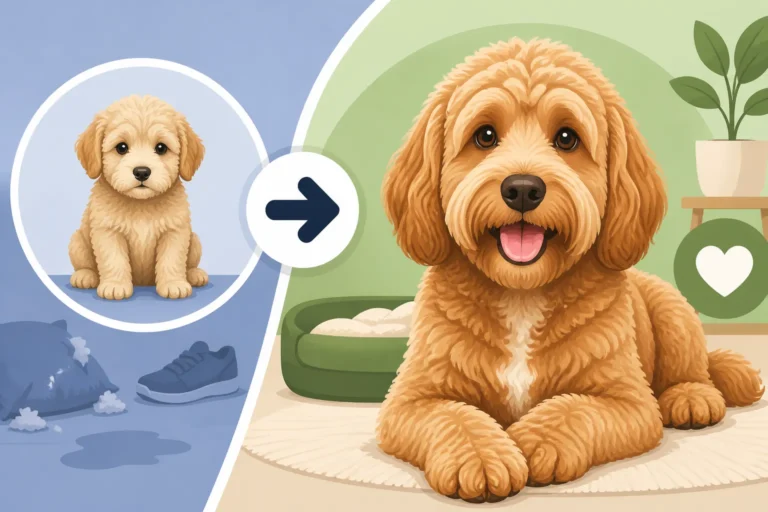
Whether a Cockapoo Breeder Returns Money
Bringing a Cockapoo puppy into your life is an incredibly exciting prospect, but the journey often starts with a significant financial commitment: the deposit. It's completely normal to feel a pang of anxiety when you hand over that money, wondering what happens if your circumstances change, or, heaven forbid, something goes wrong on the breeder's end. This guide is here to unravel the often-confusing world of Cockapoo breeder deposit policies and help you understand when, if ever, you might see that money again.
Understanding Breeder Deposit Policies
The concept of a deposit can feel like a gamble, especially when you're dreaming of a fluffy, four-legged addition to your family. But from a breeder's perspective, it's a vital part of their process, and understanding their reasoning can help clarify why policies are structured the way they are.
Why Breeders Ask for Deposits
Think about it from the breeder's side for a moment. They invest an incredible amount of time, effort, and money into planning litters, ensuring the health and well-being of the parent dogs, and raising puppies in a nurturing environment. This isn't just about feeding and cleaning; it involves extensive health testing, vet visits, specialized nutrition for the pregnant mother, whelping supplies, and countless sleepless nights. When someone commits to a puppy, it allows the breeder to gauge interest, manage their waiting lists, and allocate resources confidently. A deposit acts as a tangible sign of your commitment, essentially reserving a spot for you on their roster. If a potential buyer backs out at the last minute, especially when puppies are older and ready to go home, that breeder is left scrambling to find a suitable home, potentially losing weeks of crucial socialization time for the puppy and a significant financial hit. It’s a way for them to protect their substantial investment in the litter.
Common Deposit Structures
Breeder deposit policies aren't one-size-fits-all, and you'll encounter a few common structures. Most frequently, deposits are non-refundable. This means that once you pay it, if you change your mind for any reason, that money is typically not returned. This is the most common approach because, as mentioned, it protects the breeder from last-minute changes of heart that leave them with unsold puppies.
However, some breeders might offer deposits that are refundable under specific, limited conditions. These conditions almost always relate to something going wrong on the breeder's end. For example, if the litter isn't born, or if there aren't enough puppies of the desired sex, or if a severe, unmanageable health issue arises with the puppy you selected before it goes home. You might also find variations in the amount requested: some breeders ask for a fixed sum, perhaps a few hundred dollars, while others might ask for a percentage of the total puppy price. It's really crucial to get clarity on these terms before you put any money down, and a good breeder will be transparent about their specific policy.
The Importance of a Written Contract
This cannot be stressed enough: always get everything in writing. A verbal agreement, no matter how friendly or well-intentioned, is incredibly difficult to enforce if a dispute arises. A comprehensive, written contract from a reputable Cockapoo breeder should clearly outline all terms related to the deposit, including:
- The exact amount of the deposit.
- Whether it is refundable or non-refundable.
- The specific conditions under which a refund would be issued (e.g., if the desired sex is unavailable, if the puppy develops a life-threatening illness before pickup).
- The timeline for potential refunds or transfers to another litter.
- What happens if you cancel, versus if the breeder cancels the sale.
- Any health guarantees on the puppy, which might tie into deposit return or future compensation.
Without a clear contract, you're essentially relying on trust, which, while important, isn't enough when significant money and emotional investment are on the line. It's your peace of mind, and it ensures both parties understand their obligations. It’s also wise to check if Whether a Cockapoo Guarantee Covers Familial Nephropathy or Whether a Cockapoo Contract Covers Kidney Disease are specifically addressed.
Scenarios Where a Deposit Might (or Might Not) Be Returned
Life is unpredictable, and sometimes, even the best-laid plans go awry. Understanding the typical responses to different scenarios can help manage expectations.
Buyer-Initiated Cancellations
This is the most common reason a deposit is not returned. You've placed a deposit, you're eagerly awaiting your Cockapoo, but then your circumstances change. Perhaps a new job requires you to move to a place that doesn't allow pets, a family member develops severe allergies, or your living situation unexpectedly changes. Maybe you even found another puppy from a different breeder that felt like a better fit for your family.
In almost all these instances, if the cancellation comes from your side, the deposit will be considered non-refundable. The breeder has held a puppy for you, potentially turning away other interested families, and has incurred costs and time in that commitment. Your deposit compensates them for that lost opportunity and the administrative effort involved. It's a hard pill to swallow, but it's why breeders emphasize the "non-refundable" clause. They are selling a live animal, not an item on a shelf that can simply be restocked.
Breeder-Initiated Cancellations or Changes
This is where the terms of a good contract really shine. There are several reasons a breeder might need to cancel a sale or alter the arrangement:
- Litter Size/Sex Discrepancy: Sometimes, litters are smaller than expected, or the desired sex (male or female) isn't available in the number anticipated. If you put a deposit down for a female puppy, and the litter only produces males, a responsible breeder should offer you options: either a full refund of your deposit or the option to transfer it to a future litter.
- Puppy Health Issues: Imagine the heartbreak if the puppy you've chosen develops a serious health condition before it's ready to go home. If a puppy becomes unwell or is diagnosed with a severe, untreatable condition, a reputable breeder will not send that puppy home with you. In such cases, they should offer a full refund of your deposit or the opportunity to select another puppy from a different litter. This is particularly important with breeds like Cockapoos, where inherited conditions like Familial Nephropathy and the Kidneys a Cockapoo Can Inherit or Progressive Retinal Atrophy in a Cockapoo can be present despite careful breeding.
- Breeder Vetting Concerns: On rare occasions, a breeder might decide, after further conversation or a home visit, that your home isn't the right fit for one of their puppies. While frustrating, a good breeder's primary concern is the welfare of their dogs. If they initiate the cancellation for these reasons, they should typically return your deposit.
Unforeseen Puppy Health Issues
This scenario deserves its own discussion because it touches on both ethical breeding practices and the emotional investment involved. If a puppy you've committed to suddenly falls ill or is diagnosed with a condition that would make it unsuitable for pet life before you take it home, a truly responsible breeder will step up. They generally offer two main solutions:
- A full refund of your deposit: This allows you to walk away and seek a puppy elsewhere without financial loss.
- The option to transfer your deposit: You might be given the choice to apply your deposit to a puppy from a subsequent litter, allowing you to still get a puppy from that breeder when they are able to provide a healthy one.
What you shouldn't encounter is a breeder trying to force you to take an unhealthy puppy or refusing a refund when a serious health problem arises on their watch. This is why asking for The Five Certificates a Cockapoo Breeder Should Show and understanding the health of the parent dogs is so vital from the outset.
Here's a quick overview of common deposit scenarios:
| Scenario | Who Initiates? | Typical Refund Outcome (Good Breeder) |
|---|---|---|
| Buyer changes mind | Buyer | Non-refundable |
| Buyer's circumstances change | Buyer | Non-refundable |
| Not enough puppies of desired sex | Breeder | Full refund OR transfer to next litter |
| Puppy develops severe health issue | Breeder | Full refund OR transfer to next litter |
| Breeder finds buyer unsuitable | Breeder | Full refund (ethical breeder) |
| Puppy passes away before pickup | Breeder | Full refund OR transfer to next litter |
Navigating Disputes and Seeking Resolution
Even with the clearest contract and the best intentions, misunderstandings or disagreements can happen. Knowing how to approach these situations can save a lot of stress.
Communicating Effectively with Your Breeder
The first and most crucial step in any dispute is clear, polite, and documented communication. As soon as you foresee a potential issue with your deposit or puppy placement, reach out to your breeder. Start with a phone call, but always follow up with an email summarizing the conversation and any agreed-upon next steps. This creates a paper trail, which is invaluable if further complications arise.
Be direct but respectful. State your concerns clearly, refer back to your signed contract, and suggest potential solutions. For example, if you need to cancel, you might ask if they would consider transferring your deposit to a family member or if there's any flexibility given a specific hardship. While they are likely to stick to a non-refundable policy, a good relationship can sometimes lead to goodwill gestures. Always keep records of dates, times, and content of calls and emails.
What to Do if a Breeder Refuses a Contractual Refund
If your contract explicitly states that a refund is due under your specific circumstances, and the breeder refuses to honor it, you have a few avenues, though they can be time-consuming and emotionally draining.
First, review your contract again meticulously. Are you absolutely sure the conditions for a refund have been met? Sometimes, terms can be nuanced.
If you believe the breeder is in breach of contract, you could consider small claims court. This is designed for disputes involving smaller sums of money and typically doesn't require a lawyer, though legal advice is always recommended. Be prepared to present all your documentation: the signed contract, emails, texts, and any other evidence. However, be aware that pursuing legal action is a commitment of time and resources, and there's no guarantee of success.
You could also report the breeder to relevant Cockapoo clubs or ethical breeder associations they might be a part of. While these organizations often don't have direct legal authority to compel a refund, they can investigate ethical breaches and, in severe cases, revoke a breeder's membership or standing, which can be a strong motivator for a breeder who values their reputation. This applies if your breeder is registered with an organization like the American Cockapoo Club or the Cockapoo Club of America, as outlined in articles like Whether Two Registries Have Made Cockapoos Healthier.
Understanding When to Walk Away
Sometimes, the emotional and financial cost of pursuing a dispute can outweigh the potential recovery of your deposit. If the amount is relatively small, or if the breeder is clearly uncooperative and you lack solid contractual backing, it might be more prudent to cut your losses and move on. The stress of a protracted dispute can overshadow the excitement of getting a puppy.
Red flags that might indicate a breeder unwilling to be fair often appear early: a reluctance to provide a written contract, vague answers about health testing, or pushiness when discussing deposit terms. It's tough, but sometimes recognizing a bad situation early, even if it means losing a deposit, is better than pouring more money and emotional energy into a risky endeavor that could lead to much greater costs down the line. Remember, What an Untested Cockapoo Costs You in Year Two can be far more than just a deposit.
Protecting Your Investment and Peace of Mind
The best way to avoid deposit disputes is to be proactive and make informed decisions from the very beginning. Your investment isn't just financial; it's also deeply emotional.
Thorough Vetting of Your Breeder
This is the golden rule. Before you ever consider placing a deposit, do your homework on the breeder.
- Ask about their deposit and refund policies upfront: Don't be shy. A reputable breeder will be happy to explain their contract and answer all your questions.
- Request references: Speak to other families who have purchased puppies from them.
- Check for health testing: Ensure both parent dogs have been thoroughly health-tested for conditions common in Cockapoos and their parent breeds (Cocker Spaniel and Poodle). Ask for proof of testing, not just a verbal assurance. This directly impacts the long-term health and well-being of your future puppy.
- Visit the facility (if possible): See where the puppies are raised, meet the mother, and observe the environment. This helps you gauge the breeder's dedication and the puppies' early socialization.
- Ask detailed questions: Don't hesitate to inquire about their breeding philosophy, puppy socialization methods, and post-purchase support. Refer to guides like What to Ask a Cockapoo Breeder Before Paying for a comprehensive list of questions.
- Be wary of red flags: Unusually low prices (which can indicate a Spotting a Mill Bred Cockapoo Listing), a lack of health testing, or pressure to pay quickly are all warning signs. The price range for a Cockapoo, as discussed in The Two Hundred to Three Thousand Spread on a Cockapoo, should give you an idea of what to expect for a well-bred puppy.
Considering Puppy Insurance Early On
While puppy insurance doesn't cover a lost deposit, it's a critical financial safeguard once you bring your puppy home. Unexpected veterinary emergencies or chronic conditions can quickly add up, easily costing thousands. Investing in pet insurance soon after adopting your Cockapoo can provide immense peace of mind. Companies like Healthy Paws offer various plans that can help cover a significant portion of these costs, ensuring you can make decisions based on your pet's health needs, not just your wallet. Understanding What Insuring a Cockapoo Runs Monthly is a smart part of your overall financial planning.
Even if you choose not to get insurance, setting aside an emergency fund specifically for your Cockapoo's health is a wise move. Just like you'd prepare for a baby, preparing for a puppy means anticipating potential expenses beyond the initial purchase. Many owners also find value in subscription services like Chewy for regular supply deliveries or Ollie for fresh dog food options, helping them maintain their pet’s health and well-being efficiently.
Alternatives to Full Refunds for Buyers
If you find yourself in a situation where you need to back out and your deposit is non-refundable, it's still worth exploring alternatives with your breeder. Sometimes, rather than a direct refund, they might be willing to:
- Transfer your deposit to a future litter: If your circumstances are temporary, this could be a viable option, allowing you to get a puppy from them at a later, more suitable time.
- Allow you to find a suitable replacement buyer: While the breeder would likely still want to approve the new buyer, this could be a way to recoup your deposit if the breeder is agreeable. This is less common but sometimes an option if the breeder is accommodating.
The key takeaway is that an open, honest relationship with a reputable breeder, built on clear communication and a solid contract, is your best defense against deposit woes. Prioritize finding a breeder who values transparency and the well-being of their puppies above all else.
Disclaimer
This article is for general informational purposes only and does not constitute professional advice. Laws, prices and regulations vary by location and change over time. Consult a qualified professional for guidance on your specific situation.