Whether a Cockapoo Needs Its Ears Cultured
It's incredibly frustrating, isn't it? You spend countless hours carefully cleaning your Cockapoo's ears, follow all the vet's instructions, and yet, those pesky ear infections just keep coming back. Many Cockapoo parents wonder if there's a more targeted approach beyond endless rounds of ear drops. The answer often lies in a diagnostic tool called an ear culture, which can pinpoint exactly what's causing your furry friend's discomfort.
Understanding Cockapoo Ear Anatomy and Why They're Prone to Issues
Our adorable Cockapoos are a wonderful blend of two fantastic breeds: the Cocker Spaniel and the Poodle. While this mix often blesses them with intelligence, charm, and a low-shedding coat, it can also create a perfect storm for ear problems. It’s not just a coincidence that so many Cockapoo owners find themselves battling recurrent ear infections; it's a direct result of their unique inherited ear characteristics.
The Double Whammy: Cocker Spaniel and Poodle Influences
Let's break it down. From the Cocker Spaniel side, your Cockapoo inherits those lovely long, floppy ears. While undeniably cute, these ears create a natural flap that covers the ear canal, significantly reducing airflow. Imagine trying to keep a dark, warm, and humid room consistently dry – it's a constant battle, and the same goes for a Cockapoo's ears. This lack of ventilation means moisture gets trapped inside, creating a damp environment that is an open invitation for bacteria and yeast to multiply. It's a prime breeding ground for trouble, and even with the best intentions, keeping them pristine can feel like a losing battle.
Then, we factor in the Poodle influence. Poodles, and by extension many Cockapoos, often have hair that grows inside their ear canals. While the debate rages on about whether removing this hair helps or hinders, the fact remains that this internal fuzz can trap debris, wax, and moisture even more effectively. This dense hair acts like a tiny filter, holding onto everything that shouldn't be there, further exacerbating the warm, moist, and dark conditions. So, you have floppy ears combined with hairy canals – a real "double whammy" that sets many Cockapoos up for chronic ear irritation and infection. It's completely understandable why you might feel like you're constantly fighting an uphill battle, especially when you compare it to breeds with open, upright ears. You might even find yourself wondering if Whether a Cockapoo's Ears Are Better Than a Cocker's, given their predisposition to issues.
Common Culprits Behind Ear Infections
When an ear infection takes hold in your Cockapoo, it’s usually one of two main groups of microscopic invaders: bacteria or yeast. Sometimes, it’s even both! The most common bacterial culprits are often Staphylococcus or Pseudomonas, though others can certainly make an appearance. These bacteria thrive in the warm, moist environment we just discussed, leading to inflammation, itching, and often a foul odor. Yeast, particularly Malassezia pachydermatis, is another frequent offender. You'll often recognize a yeast infection by a distinct sweet, musty smell and thick, brownish discharge.
It's crucial to understand that these primary infections (bacteria and yeast) are often secondary to an underlying issue. Think of it like this: the bacteria and yeast are the party crashers, but something else invited them. The most common underlying issues are environmental allergies, also known as atopy, or food sensitivities. When your Cockapoo experiences an allergic reaction, their skin, including the delicate skin lining the ear canal, becomes inflamed. This inflammation changes the microenvironment in the ear, making it more hospitable for bacteria and yeast to take root. Less commonly, but still possible, foreign bodies like grass seeds or even ear mites can trigger an infection, particularly in puppies or dogs who spend a lot of time outdoors exploring. This cycle of inflammation, infection, and re-infection can be incredibly disheartening for owners and uncomfortable for your Cockapoo.
When to Consider an Ear Culture for Your Cockapoo
So, you've been to the vet, perhaps multiple times, and your Cockapoo's ear issues persist. When is it time to consider a more advanced diagnostic step like an ear culture? It’s a question many devoted pet parents ponder, feeling stuck in a loop of temporary fixes. The truth is, sometimes standard treatments just aren't enough to tackle the specific bug that's bothering your dog, and that's precisely where an ear culture shines.
Signs That Your Current Treatment Isn't Working
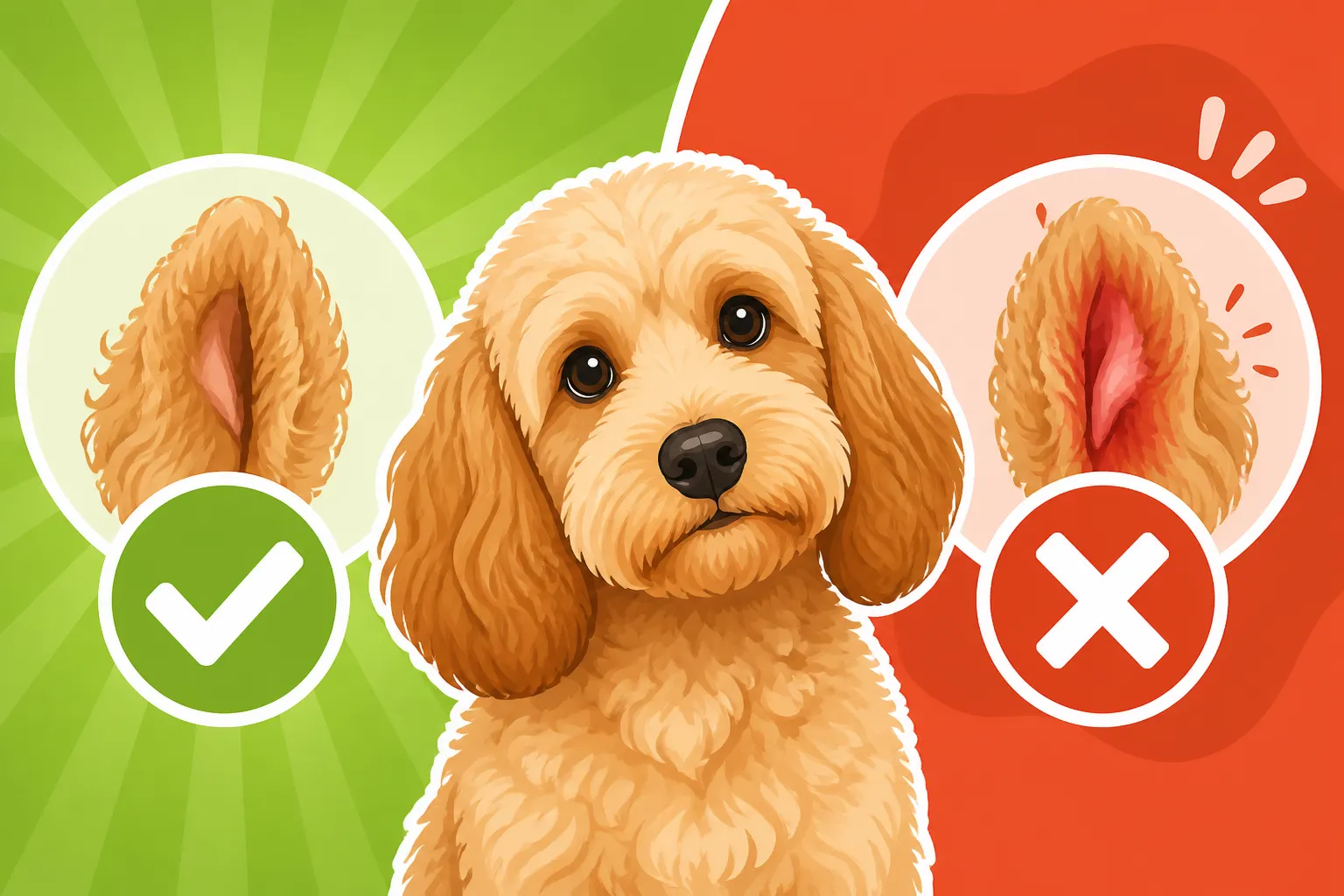
If you're noticing a pattern of your Cockapoo's ear infections clearing up only to return with frustrating speed, or if a particularly nasty infection just doesn't seem to respond to the usual ear drops, it's a big red flag. A culture might be recommended in several scenarios:
- Recurrent Infections: This is perhaps the most common reason. If your Cockapoo experiences more than two or three ear infections within a year, especially if they are always in the same ear or both ears, it's a sign that something deeper is at play or that previous treatments weren't fully effective. You might be treating the symptoms, but not completely eradicating the cause, allowing the infection to rebound.
- Persistent Infections: You've been diligently giving the prescribed ear medication for the full course, but your Cockapoo is still shaking their head, scratching their ears, or you still see discharge. This indicates that the medication might not be effective against the specific type of bacteria or yeast present.
- Severe or Unusual Discharge: If the discharge from your Cockapoo’s ear has changed dramatically in color (e.g., green, dark brown, or yellow), consistency (thick and gooey), or developed a particularly strong, offensive odor that's different from previous infections, it could point to a more aggressive or resistant pathogen.
- Lack of Response to Broad-Spectrum Treatment: Often, vets will start with a broad-spectrum antibiotic or antifungal ear drop that covers the most common culprits. If, after a few days, there's no noticeable improvement, it's a strong indicator that the bug in your Cockapoo's ear is resistant to that particular medication. This is a critical moment to consider a culture. You might also want to explore if Whether Ear Infections Mean a Cockapoo Has Allergies is at the heart of these recurring issues, as allergies often manifest as chronic ear problems.
The Benefits of a Targeted Approach
The beauty of an ear culture lies in its ability to provide a truly targeted solution, moving beyond guesswork to precise, effective treatment. It’s about fighting smarter, not just harder, against those stubborn ear infections.
First and foremost, a culture identifies the specific bacteria or yeast causing the infection. This is crucial because not all bacteria or yeast respond to the same medications. For example, a common bacterial infection might respond well to one type of antibiotic, while a different, more resistant strain might require something entirely different. The lab also performs what's called a "sensitivity panel" or "antibiogram/antifungigram" on the identified organisms. This incredible test tells your veterinarian exactly which antibiotics or antifungals will be most effective at killing that specific bug, and crucially, which ones won't work at all. It's like sending your dog's specific ear villain to a testing facility to find its kryptonite!
This targeted approach has several significant benefits. It helps avoid the overuse of broad-spectrum antibiotics, which can inadvertently contribute to antibiotic resistance – a growing concern in both human and veterinary medicine. By using the right medication from the start, you're more likely to clear the infection quickly and completely, reducing the chances of it immediately recurring. This saves you, and your Cockapoo, a lot of frustration, discomfort, and repeat vet visits. Imagine the relief of finally having a clear path forward after months of struggling! It can also save you money in the long run, avoiding wasted prescriptions on ineffective medications and reducing the need for continuous follow-up appointments. A well-placed ear culture, like those recommended by Dr. Chen at Companion Animal Hospital in Portland, Oregon, can be a game-changer for chronic cases. Plus, having a good pet insurance plan, such as one from Healthy Paws, can certainly help cushion the financial impact of these specialized diagnostic tests and subsequent treatments.
What Happens During a Cockapoo Ear Culture Procedure
When your veterinarian recommends an ear culture for your Cockapoo, it's a step toward finally getting clear answers. The process itself is relatively straightforward, but understanding what to expect can ease any anxieties you might have. It's a precise diagnostic tool that goes beyond simply looking into the ear.
The Collection Process
The first and most critical step in an ear culture is collecting a clean, representative sample from your Cockapoo's ear canal. Your vet will use a sterile swab – much like a long, thin Q-tip, but designed for medical use – to reach deep into the ear. They'll gently rotate the swab against the inflamed tissues and discharge, aiming to pick up as many of the offending microorganisms as possible. This isn't just a superficial swipe; it needs to be a good, solid sample from the site of the infection to yield accurate results.
It's important to remember that if your Cockapoo's ear is very painful or inflamed, this procedure can be uncomfortable. In some cases, especially if your dog is particularly sensitive, anxious, or has severe pain, your vet might recommend mild sedation to ensure they can get a thorough and stress-free sample. This isn't just for your dog's comfort; it ensures the vet can get the best possible sample without causing undue stress or having your dog react and injure themselves. A key piece of advice for you, the owner: do not clean your Cockapoo's ears before the culture appointment. Cleaning can wash away the very bacteria or yeast your vet needs to sample, leading to a false negative result and delaying proper diagnosis. So, resist the urge to help until after the vet has collected the sample. We want to identify the bugs at their strongest! Getting your Cockapoo accustomed to ear handling from a young age can also make these necessary vet visits much smoother, as discussed in Getting a Cockapoo Used to Ear Handling.
Interpreting the Results and Tailoring Treatment
Once the sample is collected, it's carefully placed into a transport medium and sent off to a specialized veterinary laboratory. There, technicians will "culture" the sample, meaning they'll grow any bacteria or yeast present on special plates. This takes time, usually a few days, as the microorganisms need to multiply enough to be identified. Once identified, the lab performs that all-important "sensitivity panel" we mentioned earlier. This involves exposing the isolated bacteria or yeast to various antibiotics or antifungals to see which ones inhibit their growth and which ones don't.
The results come back to your vet in a comprehensive report, detailing the specific type of bacteria and/or yeast found, and a list of medications categorized as "sensitive," "intermediate," or "resistant." "Sensitive" means the medication should be highly effective, "intermediate" means it might work at higher doses, and "resistant" means it won't work at all. This scientific data allows your veterinarian to prescribe the most effective ear drops, oral antibiotics, or oral antifungals, precisely tailored to your Cockapoo's infection. This is a huge leap forward from just trying different medications blindly. It ensures you're not wasting time or money on treatments that won't work and, more importantly, it gets your Cockapoo relief much faster. It's a more advanced step than a simple cytology, which only involves looking at the ear discharge under a microscope to get a general idea of what's present (yeast, bacteria, inflammatory cells) but doesn't identify the specific species or their sensitivities. Knowing this difference is key to understanding why your vet might recommend a culture over just a cytology, especially if your Cockapoo is still having issues even when Whether a Cockapoo's Ears Should Be Tied Back to Swim after playing in the water.
Here's a quick comparison of these diagnostic tools:
| Feature | Ear Cytology | Ear Culture and Sensitivity |
|---|---|---|
| Purpose | Identify type (yeast/bacteria/mites) | Identify species, test drug sensitivity |
| Speed | Immediate (in-clinic) | Days to weeks (lab) |
| Cost | Lower | Higher |
| Detail | General classification | Specific organism, effective drugs |
| Best For | First-line diagnosis, monitoring progress | Recurrent/resistant infections |
Long-Term Management and Prevention of Cockapoo Ear Issues
Getting a definitive diagnosis through an ear culture is a huge step, but for many Cockapoos, managing ear health is an ongoing journey. The goal isn't just to clear the current infection, but to prevent future ones, or at least minimize their frequency and severity. This often involves a combination of consistent home care and addressing any underlying health conditions that predispose your Cockapoo to ear problems.
Regular Cleaning and Maintenance
Even after a successful treatment based on culture results, diligent ear care at home is paramount for your Cockapoo. Their unique ear anatomy means they will always be at a higher risk for infections compared to some other breeds. Establishing a regular cleaning routine can make a world of difference. Your vet can show you the proper technique for cleaning, which typically involves gently flushing the ear canal with a veterinarian-approved ear cleaner and then massaging the base of the ear to help break up debris. After massaging, allow your dog to shake their head (which they will enthusiastically do!), and then use a soft cotton ball or gauze wrapped around your finger to wipe away any excess cleaner and debris from the outer ear flap and entrance to the canal. Never use cotton swabs deep inside the ear, as this can push debris further in and potentially damage the eardrum.
When choosing an ear cleaner, look for one that is pH-balanced for dogs and contains drying agents to combat moisture, or antiseptic ingredients like chlorhexidine for routine maintenance. Products like Epi-Otic Advanced Ear Cleaner or Zymox Ear Cleanser are often recommended by vets. Consistency is key – depending on your Cockapoo's individual needs, cleaning once a week or every other week might be appropriate. Furthermore, if your Cockapoo enjoys swimming, or after every bath, make sure to thoroughly dry their ears using a soft towel, or even a low-setting hairdryer (held at a safe distance) to remove any trapped moisture. Preventing that damp environment is your first line of defense against recurring infections. As your Cockapoo ages, their ear canal can sometimes narrow, as explored in Whether a Cockapoo's Ear Canal Narrows With Age, making consistent cleaning even more vital.
Addressing Underlying Allergies and Health Concerns
Remember how we talked about underlying causes? Treating the infection is crucial, but if you don't address what caused the infection in the first place, you'll likely be stuck in that frustrating cycle of recurrence. For many Cockapoos, recurrent ear infections are often a tell-tale sign of allergies – either environmental (atopy) or food-related. If your vet suspects allergies, they might recommend further investigation.
This could involve working with a veterinary dermatologist for allergy testing, such as intradermal skin testing or blood tests, to identify specific environmental allergens (pollen, dust mites, mold). Once identified, strategies can range from immunotherapy (allergy shots or oral drops) to managing exposure and using specialized shampoos. If a food sensitivity is suspected, a strict elimination diet trial will be prescribed, where your Cockapoo eats a novel protein or hydrolyzed protein diet for several weeks to see if symptoms improve. This is a commitment, but it's often the only way to truly determine if food plays a role.
Beyond allergies, ensuring your Cockapoo has a balanced diet and good overall immune health is important. Sometimes, chronic stress or other underlying health conditions (like A Cockapoo's Autoimmune Anemia and the Cocker Line) can indirectly impact their susceptibility to infections. Regular check-ups with your vet can help catch these issues early. While managing chronic conditions or undergoing allergy diagnostics can be costly, having pet insurance like Healthy Paws can be a real lifesaver, helping to cover a significant portion of these ongoing vet bills. Many Cockapoo owners find that investing in comprehensive allergy testing, which is discussed in more detail in Whether Allergy Testing a Cockapoo Is Worth It, ultimately saves them money and prevents countless uncomfortable ear infections down the line. It's a proactive approach that moves beyond temporary fixes to long-term health and comfort for your beloved Cockapoo, making full use of their inherited Whether the Poodle Ear Canal Helps a Cockapoo with a clear and healthy environment.
Disclaimer
This article is for general informational purposes only and does not constitute professional advice. Laws, prices and regulations vary by location and change over time. Consult a qualified professional for guidance on your specific situation.