Whether Legg Calve Perthes Affects Toy Cockapoos
It’s truly disheartening when your precious Toy Cockapoo, full of life and bounce, starts showing signs of discomfort or lameness. You might find yourself wondering about every little skip or reluctance to jump, worried about what could be causing such pain. This guide will meticulously explore Legg-Calve-Perthes Disease (LCPD), a condition that unfortunately can affect smaller breeds like our beloved Toy Cockapoos, helping you understand its causes, symptoms, and the crucial steps you can take for diagnosis and treatment.
Understanding Legg-Calve-Perthes Disease LCPD
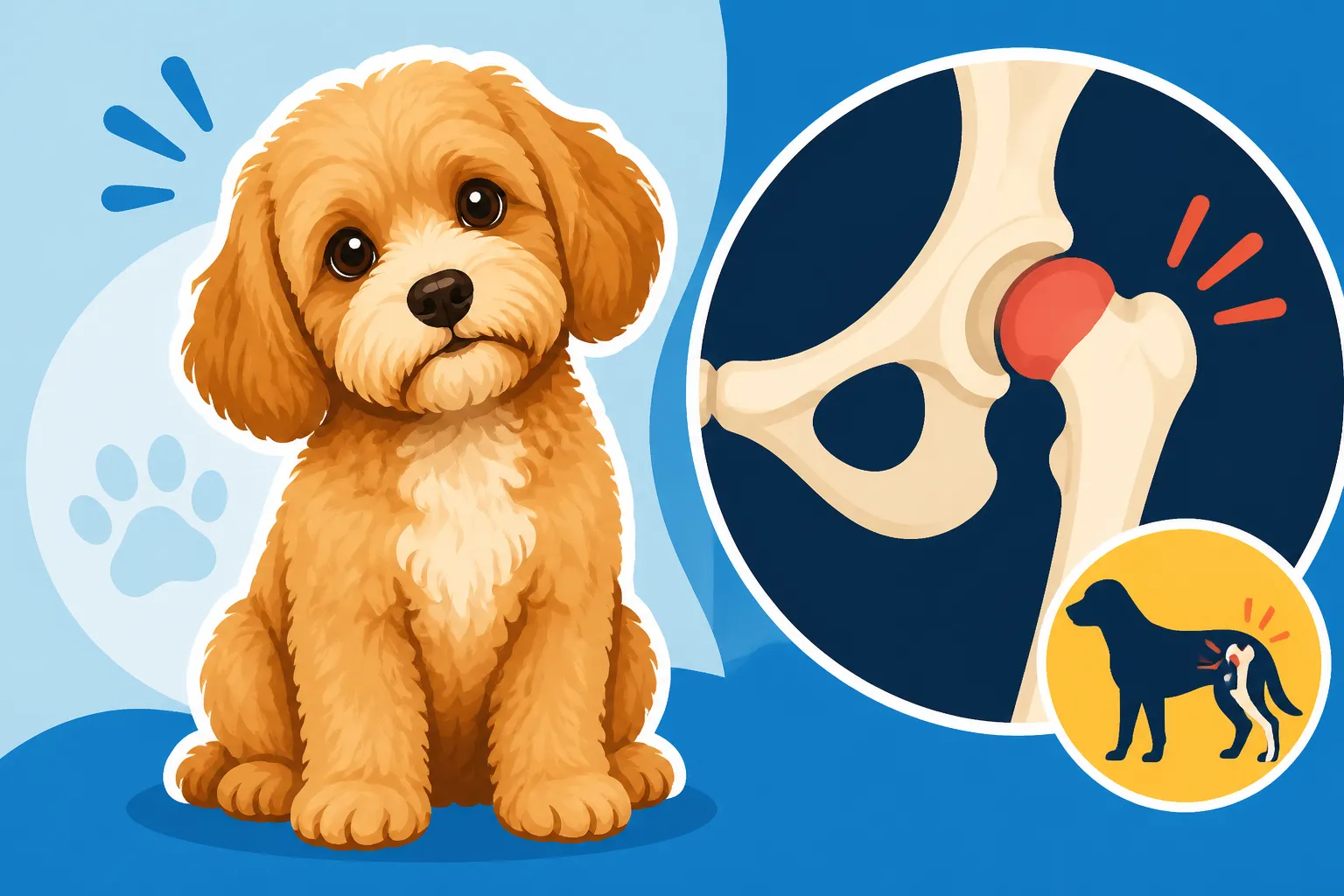
Legg-Calve-Perthes Disease, often shortened to LCPD, is a mouthful, but understanding what it entails is incredibly important for any small dog owner, especially those with Toy Cockapoos. This isn't just a simple sprain or a temporary limp; LCPD is a serious orthopedic condition that primarily affects the hip joint. Specifically, it involves the spontaneous degeneration of the head of the femur – that’s the ball part of the ball-and-socket hip joint – leading to bone tissue death due to an interrupted blood supply. Without proper blood flow, the bone cells can’t get the nutrients they need to survive, leading to the collapse of the femoral head and eventual arthritis.
Imagine the hip joint as a perfectly smooth, well-oiled hinge. In a dog affected by LCPD, that smooth, round ball on the top of the thigh bone starts to crumble and flatten. This breakdown causes immense pain, inflammation, and friction every time your dog moves their leg. It’s not something that happens due to trauma or injury in most cases, but rather an insidious process that typically begins in puppies between 4 to 12 months of age, though symptoms might not become obvious until they are a bit older. The exact cause isn't fully understood, but it's widely believed to have a genetic component, which is a big reason why responsible breeding is so vital. This genetic predisposition means it's not something you could have prevented by simply being more careful with your puppy's play.
While any breed can technically develop LCPD, it’s overwhelmingly common in small and toy breeds. This includes breeds like West Highland White Terriers, Miniature Poodles, Yorkshire Terriers, and Chihuahuas. Given that the Toy Cockapoo is a delightful mix of a Cocker Spaniel and a Miniature or Toy Poodle, they unfortunately carry a genetic susceptibility from their Poodle heritage. The Poodle side, especially the smaller varieties, has a known predisposition to this condition, making it a real concern for Cockapoo owners. This is a very different kind of hip issue than the kind of concerns larger breeds often face with conditions like Whether a Small Cockapoo Still Gets Hip Dysplasia, but equally debilitating for our tiny companions.
The Link Between LCPD and Toy Cockapoos
When you bring home a Toy Cockapoo, you're hoping for years of joyful companionship, not debilitating joint issues. However, the genetic blueprint passed down from their Poodle ancestry means that Legg-Calve-Perthes Disease is a very real possibility. While Cocker Spaniels themselves aren't particularly prone to LCPD, the Miniature and Toy Poodles, which are typically used to create Toy Cockapoos, do have a higher incidence of this condition. This makes the Toy Cockapoo a breed where vigilance is key, even if you never anticipated such a specific joint problem in a smaller dog.
It’s not simply about size, but about inherited tendencies. The precise gene or genes responsible for LCPD haven’t been definitively identified, making genetic screening a bit more complex than for some other hereditary diseases. However, breeders who prioritize health are acutely aware of the prevalence in certain lines and will often discuss the orthopedic health history of their breeding stock. If you ever wondered about the importance of thorough background checks on a puppy's parents, conditions like LCPD highlight just how crucial it is. The frustrating part for many owners is that this condition develops spontaneously, meaning it's not directly caused by an injury or rough play, but rather an underlying issue waiting for the right age to manifest.
The typical age of onset for LCPD in Toy Cockapoos, consistent with other small breeds, is usually between 4 and 12 months. This is a critical developmental period where puppies are full of energy, growing rapidly, and exploring the world. Any changes in their gait or activity level during this time should be taken seriously. Owners might initially dismiss a slight limp as a minor bruise or a consequence of over-exuberant play, especially in a breed as playful as the Cockapoo. However, understanding this predisposition means recognizing that what seems minor could be the early warning sign of something much more significant. It's a cruel twist that a dog bred for charm and companionship could face such an issue in their formative months.
Recognizing the Signs of LCPD in Your Toy Cockapoo
Spotting the early signs of Legg-Calve-Perthes Disease can make a huge difference in your Toy Cockapoo's prognosis and quality of life. Owners are often the first to notice subtle changes, and trusting your gut feeling that something isn't quite right is incredibly important. The symptoms typically begin gradually and can worsen over several weeks or months, making it easy to overlook in its initial stages. It’s not always an acute injury, but a progressive decline that can leave you scratching your head, wondering what’s going on.
The most common initial symptom is a progressive lameness in one of the hind legs. Your Cockapoo might start to limp slightly, especially after rest or exercise. This limp often becomes more pronounced as the disease progresses. You might notice them favoring one leg, or even holding it up occasionally. This isn't just a cute skip; it's a sign of pain and instability in the hip. Keep an eye out for changes in how your dog walks, often described as The Gait That Gives Away a Cockapoo's Bad Hips. This lameness can progress to a point where they are reluctant to bear weight on the affected limb at all.
Beyond limping, you might observe several other key indicators:
- Pain: Your Cockapoo may cry out when touched around the hip area, or even yelp when trying to stand up, jump, or climb stairs.
- Muscle Atrophy: Over time, as your dog avoids using the painful leg, the muscles in that thigh will begin to waste away. You might notice that the affected leg looks visibly thinner or less muscular than the healthy one.
- Stiffness or Reluctance to Move: They might be hesitant to engage in their usual playful activities. Jumping on and off furniture, running, or even going for walks can become difficult. You might also notice stiffness, particularly after lying down for a while.
- Chewing or Licking: Some dogs will obsessively lick or chew at the fur around their hip or thigh in an attempt to alleviate the discomfort. This can lead to skin irritation or hot spots.
- Irritability: Chronic pain can make even the sweetest Cockapoo irritable or withdrawn. They might not want to be handled or might snap if touched in a sensitive area.
It's crucial not to ignore these signs, no matter how subtle they seem at first. Catching LCPD early can influence the treatment approach and overall outcome for your pet.
| Symptom | Early Stage Observation | Advanced Stage Observation |
|---|---|---|
| Lameness/Limping | Intermittent slight limp, especially after activity or rest. | Consistent, severe limp; may carry the affected leg. |
| Pain | Mild discomfort when manipulated; reluctance to jump. | Cries or yelps when touched; avoids movement causing pain. |
| Muscle Atrophy | Subtle thinning of thigh muscles on affected side. | Noticeable difference in muscle mass between hind legs. |
| Activity Level | Reduced enthusiasm for play; hesitant with stairs/jumps. | Refuses to run or jump; struggles with basic mobility. |
| Behavioral Changes | Slight withdrawal; occasional licking at hip area. | Irritability, aggression due to pain; excessive licking/chewing. |
Navigating Diagnosis and Treatment Options for LCPD
Once you've noticed concerning symptoms in your Toy Cockapoo, the next vital step is a visit to your veterinarian. Don't delay, as early diagnosis can open up more effective treatment avenues. When you bring your Cockapoo in, be prepared to give a detailed history of their symptoms, including when they started, what makes them worse or better, and any changes in their behavior or activity levels. Your vet will conduct a thorough physical examination, paying close attention to the affected hip, assessing range of motion, and checking for pain response and muscle atrophy.
A definitive diagnosis of LCPD typically relies on X-rays of the hip joint. It’s common to hear the question, Whether a Lame Cockapoo Needs X Rays, and with LCPD, the answer is a resounding yes. These images will reveal the characteristic changes associated with the disease, such as a flattened or irregular femoral head, increased joint space, or signs of bone degeneration. Sometimes, your vet might recommend additional imaging, like an MRI, to get an even clearer picture of the damage. These diagnostic steps are crucial for confirming LCPD and ruling out other conditions that might present with similar symptoms, like luxating patella, which is another common issue in small dogs.
The good news is that LCPD is a treatable condition. Treatment options generally fall into two categories: conservative management and surgical intervention.
Conservative Management
Conservative management is usually attempted only in very mild, early cases, or if surgery is not an option due to other health concerns or financial constraints. This approach focuses on pain management and limiting further damage. It includes:
- Strict Rest: Limiting your dog's activity to allow the joint to recover without additional stress. This often means crate rest and leash walks only.
- Pain Relief and Anti-inflammatory Medications: Your vet will prescribe medications to control pain and reduce inflammation, making your Cockapoo more comfortable.
- Physical Therapy: Gentle exercises and stretches, sometimes guided by a certified canine rehabilitation therapist, can help maintain muscle mass and range of motion.
- Weight Management: Keeping your Cockapoo at a healthy weight is vital to reduce stress on their joints.
While conservative management can sometimes provide temporary relief, it often doesn't address the underlying structural problem, and many dogs eventually require surgery to achieve a pain-free life. It’s important to have realistic expectations if you go this route, and regular check-ups will be essential.
Surgical Intervention: Femoral Head Ostectomy FHO
For most Cockapoos diagnosed with LCPD, especially those with moderate to severe symptoms, surgical intervention is the most effective treatment. The most common and successful surgery for LCPD is a Femoral Head Ostectomy (FHO). During an FHO, the damaged femoral head (the ball of the hip joint) is completely removed. This might sound drastic, but hear me out. Without the damaged bone rubbing against the socket, the pain is eliminated. Over time, the body forms a "false joint" of fibrous tissue and muscle where the femoral head once was.
The recovery from an FHO involves a period of controlled exercise and diligent physical therapy. This isn't a quick fix, and you'll need to be committed to your Cockapoo's rehabilitation. Typically, aggressive physical therapy begins within days of the surgery, encouraging early weight-bearing and movement to build muscle strength and create that stable false joint. This can involve passive range of motion exercises, gentle walks, and even hydrotherapy. Your vet or a rehabilitation specialist will guide you through this process, providing specific exercises and timelines. Full recovery, where your dog can return to a good quality of life with minimal pain, can take several months.
The financial aspect of LCPD treatment can be daunting. Diagnostic imaging, surgery, medications, and rehabilitation can add up quickly. This is where pet insurance can be a real lifesaver. Many owners find policies from providers like Healthy Paws incredibly beneficial, as they often cover accidents and illnesses, including genetic conditions like LCPD, provided the condition isn't pre-existing. It's always a good idea to research pet insurance options like Healthy Paws well before any issues arise, as waiting until symptoms appear means the condition will likely be considered pre-existing and therefore not covered. Planning ahead can save a lot of stress and allow you to make the best medical decisions for your furry family member.
Preventing and Managing LCPD in Toy Cockapoos
While LCPD can strike seemingly out of nowhere, there are certainly steps you can take to mitigate risk and manage the condition effectively if your Toy Cockapoo is diagnosed. Prevention starts long before you bring a puppy home, and management involves a holistic approach to their care. Understanding these facets can give you peace of mind and help ensure your Cockapoo lives the happiest, healthiest life possible.
The Role of Responsible Breeding
The most significant preventative measure lies in responsible breeding practices. As LCPD is believed to have a strong genetic component, reputable breeders are proactive in screening their breeding stock. While there isn't a direct genetic test for LCPD in all breeds yet, breeders of Poodles and Cockapoos should be aware of the orthopedic health history of their lines. They should be transparent about any instances of LCPD in their dogs' pedigrees or among their offspring.
A responsible breeder will openly discuss the health testing they undertake on their parent dogs, which often includes evaluations for other joint issues like luxating patellas. While a clear hip score doesn't guarantee a puppy won't develop LCPD, it certainly reduces the risk when combined with generations of healthy ancestors. Don't hesitate to ask prospective breeders about the incidence of LCPD or other orthopedic problems in their lines. This due diligence is crucial, as some genetic predispositions can only be mitigated by careful selection of breeding pairs. For broader insights into joint health in the breed, consider reading about Joints in a Cockapoo Bred From Four Sizes.
Lifestyle Management and Supportive Care
Even if your Cockapoo has been diagnosed with LCPD or is predisposed due to genetics, lifestyle management plays a crucial role in minimizing symptoms and supporting recovery, especially after surgery.
- Controlled Exercise: While complete rest might be necessary during acute phases or post-surgery, maintaining appropriate, controlled exercise is important for overall joint health. Avoid high-impact activities like excessive jumping or long, strenuous runs, especially during their puppyhood when bones are still developing. Instead, focus on moderate, consistent exercise such as leash walks or swimming, which can build muscle without stressing the joints. If you're concerned about other impacts, you might consider Whether Furniture Jumping Wrecks a Toy Cockapoo's Knees.
- Nutrition and Weight Management: Keeping your Toy Cockapoo at an ideal body weight is paramount. Extra weight puts undue stress on all joints, including the hips. Feed a high-quality, balanced diet appropriate for their age, size, and activity level. If your Cockapoo is recovering from LCPD, your vet might recommend specific dietary adjustments or supplements.
- Joint Supplements: Your veterinarian might suggest joint supplements containing ingredients like glucosamine, chondroitin, and Omega-3 fatty acids. While these aren't a cure for LCPD, they can help support joint cartilage, reduce inflammation, and potentially slow the progression of arthritis later in life. You might find it useful to explore Whether Glucosamine Helps a Cockapoo for more detailed information.
- Comfort and Environment: Ensure your Cockapoo has comfortable, supportive bedding to rest on. Ramps or pet stairs can help them access furniture without painful jumping. Keep floors clear to prevent slips and falls, especially if they have some lameness.
- Regular Veterinary Check-ups: Ongoing communication with your vet is vital. Regular check-ups allow your vet to monitor your Cockapoo's joint health, assess the effectiveness of any treatments, and adjust pain management strategies as needed. As Cockapoos age, conditions like Arthritis in a Cockapoo at Eleven can become a concern, and proactive care for early joint issues can help manage these later challenges.
Thinking ahead about potential health issues and their associated costs is also a big part of responsible pet ownership. Having a robust pet insurance plan, such as those offered by Healthy Paws, can provide significant financial relief if your Toy Cockapoo requires extensive treatment for LCPD or other unforeseen conditions. Many pet parents appreciate the peace of mind that comes with knowing they can make healthcare decisions based on what’s best for their dog, rather than solely on their wallet. Choosing a plan from a reliable provider like Healthy Paws is a thoughtful step in safeguarding your Cockapoo's health throughout their The Fourteen to Eighteen Years a Cockapoo Lives.
Disclaimer
Please remember that the information provided in this article is for educational purposes only and should not replace professional veterinary advice. Always consult with a qualified veterinarian for any health concerns or before making any decisions about your pet's medical care.