Whether a prcd Carrier Cockapoo Ever Goes Blind
It’s truly disheartening when you bring a Cockapoo puppy home, full of joy and anticipation, only to start worrying about scary-sounding genetic diseases. One of the most common concerns I hear from fellow Cockapoo parents is about Progressive Retinal Atrophy, or prcd-PRA, and the anxiety around what it means if your beloved pup is a “carrier.” This guide is here to untangle the complexities of prcd-PRA carrier status and put your mind at ease about whether your carrier Cockapoo is actually at risk of going blind.
Understanding prcd-PRA in Cockapoos
When we talk about the health of our Cockapoos, particularly their eyes, Progressive Retinal Atrophy (prcd-PRA) often comes up. It's a genetic eye disease that can lead to blindness, and it's understandably a major concern for any dog owner. Knowing what it is and how it’s passed down is the first step in understanding its impact.
What is Progressive Retinal Atrophy?
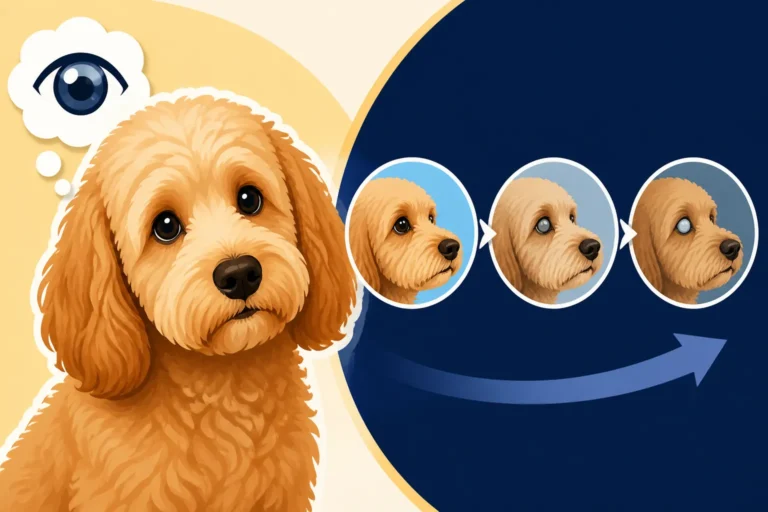
Progressive Retinal Atrophy, or PRA, isn't just one disease; it's a general term for a group of inherited eye disorders that affect the retina, the light-sensitive tissue at the back of the eye. Think of the retina as the film in an old camera – it's crucial for capturing images. In dogs with PRA, the cells in the retina (rods and cones) begin to degenerate over time. This degeneration means these cells, which are responsible for detecting light and transmitting visual information to the brain, stop working properly. The "prcd" part in prcd-PRA stands for "progressive rod-cone degeneration," which is a specific type of PRA. It typically starts with night blindness, as the rod cells (responsible for vision in low light) are affected first. As the disease progresses, daylight vision also deteriorates, eventually leading to complete blindness. The heartbreaking part is that there’s no cure for PRA, so early detection and understanding the genetic risks are paramount for responsible breeding and ownership.
How prcd-PRA is Inherited in Cockapoos
The way prcd-PRA is passed from parents to puppies is through a simple, yet crucial, genetic pattern known as autosomal recessive inheritance. This means a puppy needs to inherit two copies of the faulty gene – one from each parent – to actually develop the disease and go blind. If a puppy inherits only one copy of the faulty gene and one normal gene, it becomes a "carrier." A carrier dog will not develop the disease itself, nor will it go blind from prcd-PRA. However, it can pass that single faulty gene copy to its offspring. This is why testing the parent dogs is so incredibly important for breeders. They need to understand the genetic makeup of their breeding stock to avoid producing affected puppies. The goal is always to breed a "clear" dog with another "clear" dog, or a "clear" dog with a "carrier" dog, which ensures no affected puppies are born. Understanding this genetic pathway is key to preventing the spread of this devastating disease within the Cockapoo population.
The Role of the Poodle Parent in prcd-PRA
It's important to remember that the Cockapoo is a hybrid, a wonderful mix of Cocker Spaniel and Poodle. When it comes to prcd-PRA, the Poodle side of the family is typically where this particular genetic mutation originates. While some forms of PRA exist in Cocker Spaniels, the prcd variant is most commonly associated with Miniature and Toy Poodles. This doesn't mean every Poodle carries it, nor does it mean every Cocker Spaniel is immune to all forms of PRA. Rather, it highlights the importance of thorough genetic testing for both parent breeds used in Cockapoo lines. Responsible breeders will ensure that their Poodle parent, regardless of its size – whether it’s a Toy Poodle or Miniature Poodle – has been tested and cleared for prcd-PRA. This proactive approach helps to mitigate the risk of passing on the gene to Cockapoo puppies. Without this diligence, puppies could unknowingly carry or even be affected by the condition, leading to heartbreaking outcomes down the line.
The Genetics of prcd-PRA Carriers
The term "carrier" can sound alarming, conjuring images of a ticking time bomb. But in the world of genetic health, being a carrier for prcd-PRA has a very specific and reassuring meaning for your individual dog. Let's delve into what this status truly entails.
Decoding "Carrier" Status
When a Cockapoo is identified as a prcd-PRA "carrier," it means they possess one copy of the normal gene and one copy of the mutated gene responsible for prcd-PRA. Genetically, this is often represented as N/P (Normal/PRA gene). Because the disease is recessive, having one normal gene is enough to prevent the dog from developing the condition. Think of it like a recipe: you need two specific ingredients to bake the cake (develop the disease). If you only have one of those ingredients, the cake simply won't form. Carriers are perfectly healthy dogs with normal vision. They will never show symptoms of prcd-PRA, and they will never go blind from this particular condition. Their significance lies solely in their potential to pass on that single faulty gene if they are bred. This is why understanding this status is so important for breeders, but for a pet owner, it means your dog is safe from developing prcd-PRA blindness.
The Difference Between Clear, Carrier, and Affected
To truly grasp the implications, it's helpful to understand the three possible genetic statuses for prcd-PRA:
- Clear (N/N): A dog with two normal genes. They cannot develop prcd-PRA, and they cannot pass the gene on to their offspring. This is the ideal status for both pet and breeding dogs.
- Carrier (N/P): As we just discussed, a dog with one normal gene and one prcd-PRA gene. They will not develop the disease themselves, but they can pass the gene to approximately 50% of their offspring.
- Affected (P/P): A dog with two copies of the prcd-PRA gene. This dog will develop the disease and eventually go blind. They inherit one faulty gene from each parent.
Here's a quick summary in a table:
| Genetic Status | Gene Copies | Will the Dog Develop prcd-PRA? | Can the Dog Pass On the Gene? | Breeding Recommendation |
|---|---|---|---|---|
| Clear | N/N | No | No | Can be bred to any dog |
| Carrier | N/P | No | Yes (50% chance per pup) | Only to a Clear (N/N) dog |
| Affected | P/P | Yes | Yes (100% chance per pup) | Should not be bred |
This distinction is crucial. It’s the difference between a dog that might one day lose its sight and a dog that will live a full life with perfect vision, unaffected by prcd-PRA. Understanding these categories is empowering for both current and prospective Cockapoo owners. For more on this, you might find our article on Whether Both Cockapoo Parents Must Be prcd-PRA Clear particularly helpful.
Genetic Testing for prcd-PRA
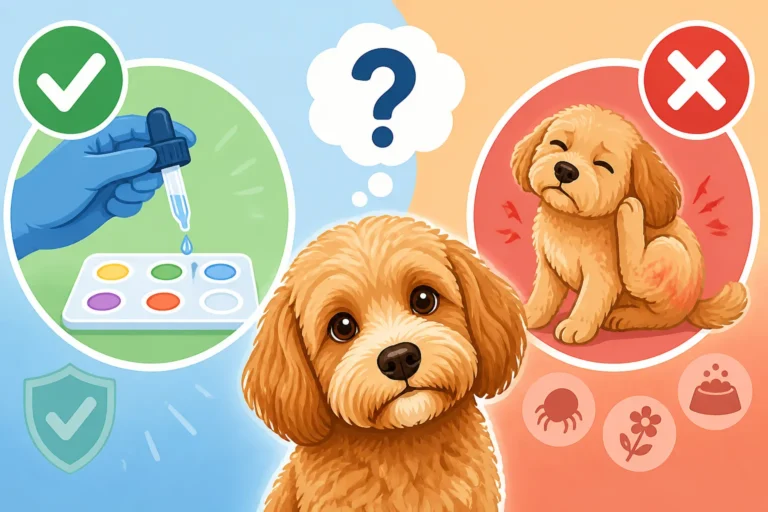
Thanks to advances in veterinary science, identifying a Cockapoo’s prcd-PRA status is straightforward and highly reliable through DNA testing. This isn't some invasive procedure; it's typically done via a simple cheek swab or a small blood sample. Labs like Embark or OptiGen offer comprehensive genetic panels that include prcd-PRA testing. Breeders usually send samples to these specialized labs, which then analyze the dog's DNA to determine if they are clear, a carrier, or affected. The results provide definitive proof of a dog's genetic makeup regarding this specific disease.
As a pet owner, if you're getting a puppy, asking to see the genetic health certificates of both parents is a non-negotiable step. A responsible breeder will have these readily available and understand why you're asking. If they can only show you results for one parent, or none at all, that's a huge red flag. This transparency allows you to purchase a puppy with confidence, knowing its genetic health status and ruling out the risk of prcd-PRA blindness from the start. You might even want to check out Asking a Cockapoo Breeder for the FN Certificate to understand the importance of asking for all health clearances.
Risk of Blindness in a prcd Carrier Cockapoo
This is the million-dollar question for many Cockapoo owners, and it's where a lot of confusion and unnecessary worry often arise. Let’s clear the air once and for all.
Direct Answer: Do Carriers Go Blind?
No, a prcd-PRA carrier Cockapoo will not go blind from prcd-PRA. This is the single most important takeaway for any owner whose dog has been identified as a carrier. The genetic mechanism of this specific disease means that a dog must inherit two copies of the mutated gene to be affected and develop the condition. A carrier only has one copy. That one healthy gene is sufficient to ensure their retinal cells develop and function normally throughout their life, unaffected by prcd-PRA.
It's natural to panic when you hear the word "carrier" in relation to a serious genetic disease, but with autosomal recessive conditions like prcd-PRA, carriers are functionally healthy. Their eyesight will not deteriorate due to this specific gene, and they will not experience the progressive vision loss that affected dogs do. So, if your vet records or breeder paperwork states your Cockapoo is a prcd-PRA carrier, you can breathe a huge sigh of relief about this particular condition.
Why Carriers Don't Develop the Disease
The reason carriers remain unaffected by prcd-PRA lies in the elegance of recessive genetics. Genes come in pairs, one from each parent. For a recessive trait to manifest, both genes in the pair must be the "recessive" or mutated version. If even one of the genes is the "dominant" or normal version, that normal gene takes charge and produces enough of the necessary protein for the retinal cells to function correctly.
Think of it like a light switch. You need both switches to be "off" for the light to stay off. If even one switch is "on," the light comes on. In this analogy, the "on" switch is the normal gene, and it's powerful enough to keep the "light" of vision on, even if there's an "off" switch (the mutated gene) present. Because carriers have that one functional, normal gene, their bodies can produce the healthy proteins required for retinal development and maintenance. This safeguards them from the debilitating effects of prcd-PRA, allowing them to enjoy full, clear vision their entire lives.
Understanding the Genetic Mechanism
To dive a little deeper, the prcd-PRA gene codes for a specific protein that is vital for the health and development of the photoreceptor cells in the retina. In an affected dog, both copies of this gene are mutated, meaning the dog cannot produce enough of this crucial protein, or the protein produced is non-functional. This leads to the deterioration and eventual death of the rod and cone cells, causing blindness.
In a carrier dog, however, one normal copy of the gene is present. This single normal gene is sufficient to produce enough functional protein to maintain healthy retinal cells. The body essentially compensates for the presence of the single mutated gene. It's a robust system where one good copy can carry the weight, preventing the disease from ever taking hold in the carrier individual. While the genetic code holds the potential for the disease, it simply isn't activated or expressed in a carrier dog. This sophisticated genetic understanding is what allows us to confidently state that a prcd carrier Cockapoo will not develop prcd-PRA related blindness.
Managing a prcd Carrier Cockapoo
So, you've established your Cockapoo is a prcd-PRA carrier, and you understand they won't go blind from it. That's fantastic news! But what does that mean for their daily life, especially if you had any thoughts about breeding, and what about general eye care?
Daily Life for a Carrier Dog
For a prcd-PRA carrier Cockapoo, daily life is, simply put, normal. There are no special dietary requirements, exercise restrictions, or environmental adjustments needed due to their carrier status. They are healthy, vibrant dogs with perfect vision, just like any "clear" Cockapoo. You won't see any signs of eye disease in them related to prcd-PRA. They can chase balls, navigate new environments, and enjoy all the wonderful sights the world has to offer without any impairment from this specific genetic condition.
Your focus for a carrier Cockapoo should be the same as for any other dog: providing a balanced diet, regular exercise, routine vet check-ups, and plenty of love and mental stimulation. Don't let the "carrier" label lead you to believe your dog is somehow sickly or predisposed to eye issues. They are not. This is particularly important for pet parents who might worry excessively. Consider discussing this with your vet if you still have concerns; they can further reassure you about your dog's health.
Breeding Considerations for Carriers
While a prcd-PRA carrier Cockapoo is perfectly healthy as a pet, their carrier status becomes critically important if there's any consideration of breeding. A carrier dog should only be bred with a dog that is genetically "clear" (N/N) for prcd-PRA. This pairing ensures that none of the offspring will ever be affected by the disease. Statistically, such a pairing would produce:
- Approximately 50% "Clear" (N/N) puppies
- Approximately 50% "Carrier" (N/P) puppies
Crucially, 0% "Affected" (P/P) puppies.
It is absolutely paramount that a carrier dog is never bred with another carrier dog, or with an affected dog. Breeding two carriers together carries a 25% risk of producing affected (P/P) puppies who will eventually go blind. Responsible breeders will meticulously plan their pairings based on DNA test results to eliminate the possibility of producing affected puppies. If your Cockapoo is a carrier, and you're not planning to breed, then this genetic status is simply information that safeguards the future of the breed but doesn't impact your dog’s health.
Routine Eye Care for All Cockapoos
Regardless of prcd-PRA status, all Cockapoos benefit from good routine eye care, simply because their parent breeds can be prone to other eye conditions. Cocker Spaniels, for example, can be susceptible to conditions like glaucoma, cataracts, and entropion (eyelids rolling inward). Poodles, while often robust, can also develop various eye issues, particularly as they age.
Here are a few tips for general eye health:
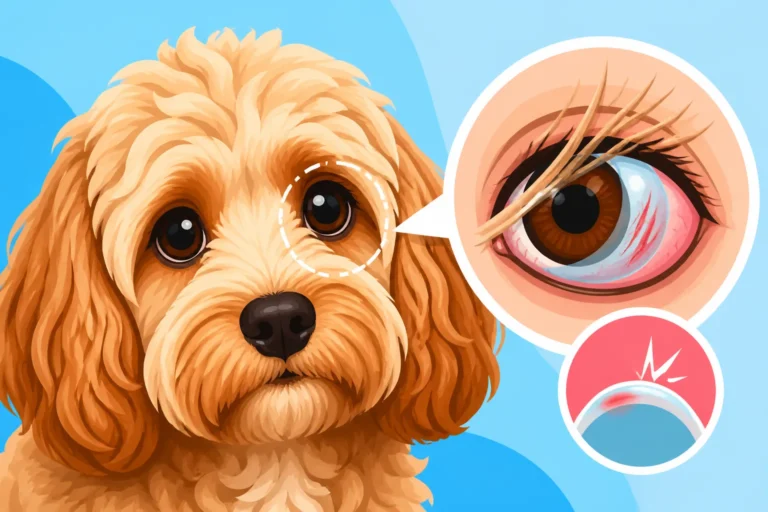
- Regular Cleaning: Gently wipe around your Cockapoo's eyes with a damp, clean cloth to remove any discharge or tear stains. Pay special attention to their furnishings (facial hair), which can sometimes irritate the eyes if not kept trimmed. You might find our piece on Whether Hair in a Cockapoo's Eyes Scratches the Cornea insightful.
- Professional Grooming: Keep the hair around their eyes trimmed short to prevent it from poking or irritating the corneas. Many owners choose a "puppy cut" or "teddy bear clip" to manage this.
- Veterinary Check-ups: Regular vet visits should include a basic eye examination. Your vet can spot early signs of issues that you might miss. If your Cockapoo is getting older, or you notice any changes in their eyes, don't hesitate to consult your vet. A good pet insurance plan, like those offered by Healthy Paws, can certainly help cover unexpected veterinary costs, including those related to eye health.
- Observe for Changes: Look out for squinting, redness, excessive tearing, cloudiness, pawing at the eyes, or any changes in their vision (e.g., bumping into furniture). These could be signs of other issues needing prompt veterinary attention.
The Importance of Breeder Testing
The existence of genetic conditions like prcd-PRA underscores why choosing a reputable breeder is so crucial. A good breeder isn't just selling puppies; they're safeguarding the health and future of the breed.
Why Reputable Breeders Prioritize DNA Testing
Reputable Cockapoo breeders consider genetic health testing for their breeding dogs an absolute necessity, not an optional extra. They understand the science behind inherited diseases like prcd-PRA, and they are committed to producing puppies that are as healthy as possible. This means investing in DNA tests for their breeding stock, typically through comprehensive panels that screen for a range of diseases common to Cocker Spaniels and Poodles.
By testing their adult dogs, breeders can make informed decisions about breeding pairs. For example, if they have a prcd-PRA carrier female, they will ensure she is only bred to a male who is certified clear of prcd-PRA. This responsible practice prevents the birth of affected puppies, saving future owners from the heartache and financial burden of managing a dog that will eventually go blind from the disease. It's a hallmark of ethical breeding and demonstrates a deep care for the welfare of every puppy they bring into the world. If you're wondering how two carriers could produce an affected pup, our guide on Why Two Carrier Parents Produce an Affected Cockapoo explains it thoroughly.
Asking for a Cockapoo's Eye Certificates
When you're looking for a Cockapoo puppy, you have every right—and indeed, a responsibility—to ask for proof of genetic health testing for both parents. Specifically for prcd-PRA, this would include documentation showing the parents' "clear," "carrier," or "affected" status. Reputable breeders will not only provide these certificates willingly but will often have them prominently displayed or included in your puppy pack.
These aren't just pieces of paper; they are scientific evidence of a breeder's due diligence. Look for official reports from recognized genetic testing laboratories, such as Embark, OptiGen, or Paw Print Genetics. The certificates should clearly state the names of the parent dogs, their microchip numbers, the date of the test, and the specific disease tested (prcd-PRA). If a breeder is hesitant, evasive, or claims such tests are unnecessary for their lines, consider that a major red flag. Your peace of mind is worth the extra scrutiny, and a transparent breeder will respect your thoroughness. For other essential health checks, you might consult The Kidney and Eye Checks a Cockapoo Needs Yearly.
The Impact of Untested Litters
Choosing a puppy from untested parents is, frankly, a gamble. When breeders skip genetic testing, they are effectively breeding blind, unaware of the genetic predispositions lurking in their lines. This can have devastating consequences:
- Producing Affected Puppies: The most tragic outcome is unknowingly breeding two carrier dogs together, which, as we discussed, results in a 25% chance of affected puppies in the litter. These puppies will develop prcd-PRA and eventually go blind, experiencing a significantly diminished quality of life.
- Perpetuating Genetic Diseases: Untested breeding can inadvertently perpetuate and even increase the prevalence of genetic diseases within the Cockapoo population. Each affected or carrier puppy from an un-tested line contributes to the gene pool, potentially spreading the faulty gene further.
- Financial and Emotional Strain: For owners, an affected puppy means not only the emotional heartbreak of watching their beloved pet lose its sight but also potentially significant veterinary costs for diagnosis, management, and adapting to a blind dog's needs. While pet insurance companies like Healthy Paws can help with unexpected conditions, preventing them through responsible breeding is always the best route.
- Undermining the Breed's Health: Over time, a lack of genetic testing can undermine the overall health reputation of the Cockapoo breed, making it harder for responsible breeders to distinguish themselves and for prospective owners to find healthy puppies.
Therefore, insisting on purchasing a puppy from fully tested parents isn't just about protecting your individual pet; it's about supporting ethical breeding practices and contributing to the long-term health and welfare of Cockapoos everywhere.
Other Eye Conditions to Monitor in Cockapoos
While we've focused extensively on prcd-PRA and the carrier status, it's important for Cockapoo owners to be aware that this isn't the only eye condition that can affect their furry friends. Both Cocker Spaniels and Poodles can carry genes for other ocular problems, making general vigilance and regular veterinary check-ups vital.
Glaucoma and Its Dangers
Glaucoma is a serious and painful eye condition that can affect Cockapoos, primarily inherited from their Cocker Spaniel lineage. Unlike prcd-PRA, which is a slow degeneration of the retina, glaucoma involves a sudden or gradual increase in pressure inside the eye. This increased pressure damages the optic nerve and the retina, leading to severe pain and irreversible blindness if not treated promptly.
There are two main types: primary glaucoma (inherited) and secondary glaucoma (caused by another eye disease or injury). Symptoms can include redness in the white of the eye, a cloudy or blue appearance to the cornea, dilated pupils, pain (the dog might rub or paw at its eye, or become withdrawn), and sudden vision loss. Because it's often painful and progresses quickly, glaucoma is considered a veterinary emergency. If you notice any of these signs, especially a red, painful eye, you need to seek immediate veterinary attention. Timely intervention can sometimes save vision in the affected eye, or at least manage the pain and preserve the other eye. For more detailed information, our article on The Glaucoma a Cockapoo Inherits From the Cocker offers excellent insights.
Cataracts: A Common Concern
Cataracts are another common eye condition seen in Cockapoos, often developing as dogs age, but they can also be inherited and appear earlier in life. A cataract is essentially a clouding of the eye's lens, which obstructs light from reaching the retina. Imagine trying to look through a foggy window – that’s what it’s like for a dog with cataracts. Early signs might include a slight cloudiness in the pupil, which gradually becomes denser and more opaque.
While prcd-PRA specifically affects the retina, cataracts affect the lens. It's possible for a Cockapoo to have both. Depending on the severity, cataracts can impair vision, ranging from slight blurriness to complete blindness. Not all cataracts require surgery, but for those that significantly impact a dog's quality of life, surgical removal can restore vision. This is a specialized procedure, and careful evaluation by a veterinary ophthalmologist is needed to determine suitability. Many pet owners find a comprehensive pet insurance plan invaluable for managing the costs associated with such specialized treatments. You can learn more by reading Whether a Cockapoo's Cataracts Are Worth Operating On.
Recognizing Other Ocular Issues
Beyond prcd-PRA, glaucoma, and cataracts, Cockapoos can experience a range of other ocular issues. Some of these can also have a genetic component, while others are environmental or age-related:
- Cherry Eye: This condition, often seen in younger dogs, involves the prolapse of the third eyelid gland, appearing as a red, swollen mass in the corner of the eye. It's more common in Cocker Spaniels and can occur in Cockapoos. While not typically painful, it can lead to dry eye and irritation if left untreated, and usually requires surgical correction. Our piece on Cherry Eye in a Cockapoo Puppy provides more context.
- Entropion/Ectropion: These are conditions where the eyelids roll inward (entropion) or outward (ectropion). Both can cause irritation, infection, and damage to the cornea, often requiring surgical correction.
- Dry Eye (Keratoconjunctivitis Sicca – KCS): A condition where the eyes don't produce enough tears, leading to dryness, inflammation, and potential corneal damage. It's more prevalent in Cocker Spaniels and requires lifelong management with eye drops or ointments.
- Distichiasis/Ectopic Cilia: These involve eyelashes growing in abnormal places, often rubbing against the cornea and causing irritation or ulcers. They can also require surgical intervention.
Regularly inspecting your Cockapoo's eyes, being attentive to any changes in appearance or behavior, and maintaining routine veterinary care are your best defenses against these and other potential eye problems. Being proactive allows for early detection and treatment, helping to preserve your Cockapoo's precious eyesight for as long as possible.
Disclaimer
The information provided in this article is for general informational purposes only and is not intended as a substitute for professional veterinary advice, diagnosis, or treatment. Always seek the advice of your veterinarian or other qualified animal health provider with any questions you may have regarding a medical condition or the health and welfare of your pet.