Whether Poodle Clubs Object to the Cockapoo
It's completely understandable to wonder about the broader perception of our beloved Cockapoos, especially from the established purebred dog communities. Many new and prospective owners worry if their adorable crossbreed might face a frosty reception or even outright disapproval from those dedicated to centuries of breed lineage. This guide aims to shed light on why purebred clubs, particularly Poodle clubs, often maintain a distinct stance regarding hybrid breeds like the Cockapoo, delving into their principles and the concerns that shape their views.
The Role and Purpose of Purebred Poodle Clubs
When you look at a beautiful, well-groomed Poodle, whether it's a tiny Toy, a stately Miniature, or a magnificent Standard, you're seeing the result of generations of dedicated breeding and strict adherence to a written standard. Purebred clubs exist to preserve these qualities, ensuring the future of their chosen breed. It's a passion, a calling for many, and it’s deeply rooted in history and tradition.
What is a Breed Club's Primary Purpose?
A purebred breed club, like a national Poodle Club, has a multifaceted mission. At its heart, it's about safeguarding the breed's integrity, health, and temperament. This involves maintaining a breed standard, which is a detailed description of the ideal Poodle – from its coat texture and color to its bone structure, gait, and even its personality. Breeders registered with these clubs strive to produce dogs that embody this standard, participating in conformation shows to assess how well their dogs measure up. It’s a continuous effort to improve the breed within those established parameters.
Beyond conformation, these clubs are often at the forefront of health testing initiatives. They advocate for and sometimes mandate specific health screenings to reduce the prevalence of hereditary diseases within the breed. They also serve as educational resources for owners and breeders, offering guidance on care, training, and responsible breeding practices. For a purebred enthusiast, these clubs are the bedrock of their breed's survival and flourishing.
The Poodle Club's Stance on Purity
From the perspective of a Poodle Club, their focus is singular: the Poodle. They are committed to the meticulous preservation of the Poodle's unique characteristics, which have been honed over centuries. This means they are dedicated to breeding Poodle to Poodle, ensuring that each generation contributes to the established genetic pool and phenotypic expression that defines the breed. The concept of introducing another breed, even one as wonderful as a Cocker Spaniel, into their carefully cultivated lineage simply doesn't align with their foundational principles.
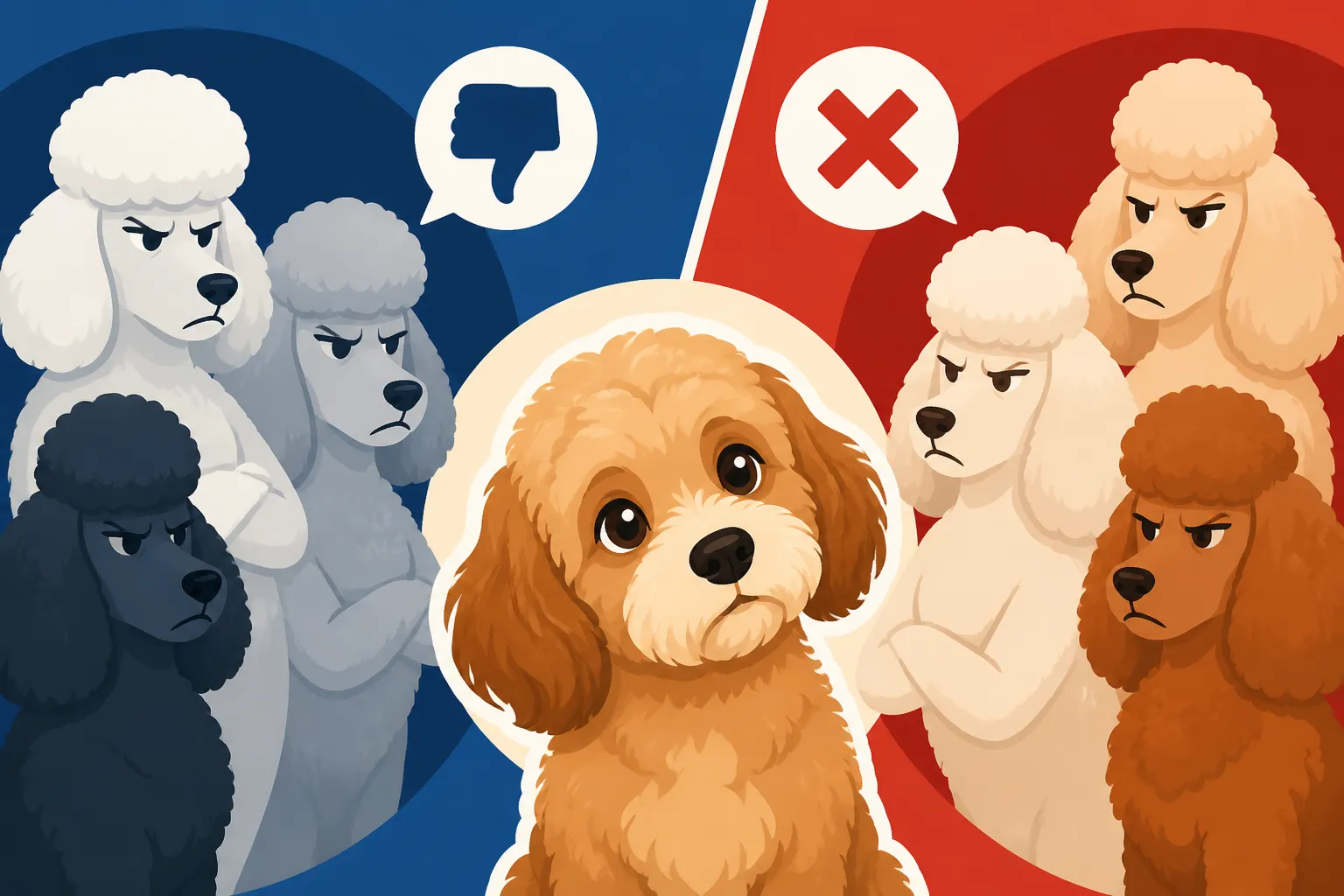
They don't necessarily object to a Cockapoo in the sense of disliking the individual dog, but rather they object to the concept of breeding outside the purebred standard. Their entire framework is built around maintaining genetic purity and predictability. A Cockapoo, by its very nature, is a deviation from this path, a blend that introduces variability that purebred clubs work so hard to control and define.
The Core Principles of Breed Purity
To understand why purebred clubs operate the way they do, it's important to grasp the core principles that guide them. These aren't arbitrary rules; they are the bedrock upon which the entire system of purebred dog breeding rests. This isn't just about showing dogs in a ring; it’s about a vision for the breed's future.
Defined Breed Standards and Predictability
One of the most appealing aspects of acquiring a purebred dog for many people is the predictability. When you choose a Poodle, you have a very good idea of what that dog will look like, what its temperament will generally be like, what its average size will be, and even what health predispositions it might have. This predictability comes directly from the strict adherence to the breed standard and generations of selective breeding within a closed gene pool.
For purebred clubs, this predictability is paramount. They have spent decades, sometimes over a hundred years, working towards a consistent ideal. The Poodle is known for its intelligence, its hypoallergenic coat (for many), and its elegant gait. Introducing the genes of a Cocker Spaniel, which has different physical traits, coat types, and temperamental nuances, instantly creates a dog whose characteristics are less predictable, especially across generations. This goes against the very grain of what a breed standard aims to achieve. This is a huge reason why purebred clubs don't officially recognize or support crossbreeds.
Maintaining a Closed Studbook
A fundamental principle of purebred dog breeding, as overseen by breed clubs and major kennel clubs like the AKC, is the concept of a closed studbook. This means that only dogs whose parents are both registered members of the same purebred breed can be registered as purebreds of that breed. For example, a dog can only be registered as a purebred Poodle if both its mother and father were registered purebred Poodles.
This practice is critical for maintaining the genetic purity and tracing pedigrees back through generations. It allows breeders to meticulously track lineage, identify genetic traits (both good and bad), and make informed decisions to improve the breed. The moment a dog from a different breed is introduced, the studbook is no longer "closed" for that line, and the offspring cannot be considered a purebred Poodle. This is the simplest, most direct reason why Poodle clubs do not recognize Cockapoos – they are not purebred Poodles.
Why the Cockapoo Doesn't Fit the Traditional Purebred Mold
The Cockapoo, despite its charm and popularity, exists outside the traditional purebred dog world. This isn't a judgment on the individual dogs, but rather a reflection of the different philosophies behind their creation. It’s important to understand this distinction, especially when you consider that the Cockapoo has been around for quite a while, preceding many of the "doodles" we see today. The Doodle That Predates the Word is a fascinating read on that very history.
The Definition of a "Designer Dog"
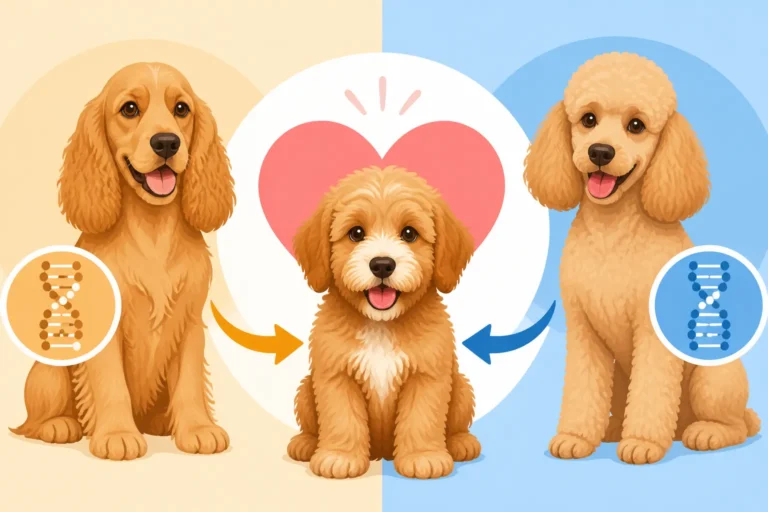
The term "designer dog" often gets thrown around, sometimes with a dismissive tone, but at its core, it simply refers to a first-generation crossbreed between two distinct purebred parents. In our case, an American or English Cocker Spaniel and a Poodle (usually Miniature or Toy, but sometimes Standard for a Maxi Cockapoo). These dogs are bred specifically for certain traits, often a combination of desirable qualities from both parents, such as the Poodle's low-shedding coat and intelligence, combined with the Cocker's merry disposition and smaller size.
From a purebred club's perspective, a designer dog lacks a unified, multi-generational standard. It's a blend, a hybrid. While these dogs are bred with intent, they don't have the long history of selective breeding within a single, defined breed to meet a specific, universally agreed-upon standard. This doesn't mean they aren't wonderful companions; it simply means they don't fit the established criteria for purebred status. You might also be interested in The 1950s American Litters Behind the Cockapoo to see how far back this trend goes.
The Lack of a Unified Standard for Cockapoos
One of the biggest hurdles for any crossbreed to gain purebred recognition is the establishment and consistent adherence to a breed standard. For Cockapoos, while there are Cockapoo clubs working towards this goal, there isn't one universally recognized standard that dictates precise physical characteristics, temperament, and health profiles across all lines. This means that a Cockapoo bred in one region might look quite different from one bred in another, even if both are considered "Cockapoos."
Contrast this with the Poodle, where the breed standard is meticulously defined and upheld globally by various Poodle clubs. This consistency is what purebred clubs value deeply. Without a consistent standard, and without the ability to predict traits reliably over many generations, a breed club cannot formally recognize or register a type of dog. This is precisely why efforts to get the Cockapoo officially recognized by major kennel clubs like the AKC face significant challenges, as explored in Whether the AKC Would Ever Take the Cockapoo. You can delve deeper into what these standards entail by reading What a Cockapoo Standard Actually Describes.
Addressing Concerns and Perceptions from the Purebred Community
It’s easy to feel like purebred enthusiasts are "against" Cockapoos, but it's often more nuanced than that. Their concerns stem from a deep-seated commitment to canine welfare and breed preservation, which they approach from a very specific, traditional viewpoint. It’s not about disliking your particular dog, but about systemic issues they perceive.
Health Testing and Ethical Breeding Practices
A significant concern within purebred circles, and a valid one, revolves around health testing and ethical breeding practices. Reputable purebred breeders are typically required by their clubs to perform a battery of health tests specific to their breed to screen for genetic conditions. For Poodles, this might include testing for conditions like Progressive Retinal Atrophy (PRA), hip dysplasia, von Willebrand's Disease, and certain cardiac conditions. The goal is to minimize the transmission of these conditions to offspring. Similarly, responsible Cocker Spaniel breeders conduct their own crucial tests for eyes, hips, and other breed-specific issues.
The worry among some purebred advocates is that not all Cockapoo breeders adhere to the same rigorous health testing standards. When a new owner, perhaps unaware of potential inherited conditions from both the Cocker and Poodle lines, purchases an untested Cockapoo, they can unknowingly contribute to the proliferation of preventable genetic diseases. This is why it is so crucial to ask for comprehensive health certificates from any Cockapoo breeder, which we discuss in depth in The Five Certificates a Cockapoo Breeder Should Show and Whether a Cockapoo Breeder Must Test Both Cockapoo Parents. Without proper testing, a buyer might face heartbreaking and costly vet bills down the line. Many purebred clubs see themselves as guardians against such practices.
Impact on Poodle Popularity and Welfare
Another concern that sometimes arises from purebred Poodle clubs is the perceived impact of hybrid trends, like the popularity of the Cockapoo, on the welfare and popularity of their own breed. While the Poodle is a magnificent dog with a rich history, some fear that the "doodle" craze might inadvertently lead to less appreciation or understanding of the purebred Poodle's unique qualities and needs.
This isn't about competition in a superficial way; it's about responsible dog ownership and breed integrity. If people are drawn to a Cockapoo solely for the "hypoallergenic" coat without understanding the Poodle side's grooming needs, exercise requirements, or potential health issues, it can lead to dogs ending up in shelters or rescues. The purebred community worries about any trend that could potentially devalue carefully bred dogs or encourage irresponsible breeding practices that prioritize novelty over health and temperament. Sadly, the phenomenon of dogs ending up in rescue due to unforeseen challenges is real, and you can learn more about it in Why So Many Cockapoos End Up in Rescue.
Understanding the Nuance: It's Not Always Personal
It’s important to remember that the purebred community's stance isn't usually a personal attack on your choice of dog. It's an institutional perspective rooted in a long-standing tradition of how they believe dogs should be bred and preserved. There's a lot of passion involved, and sometimes that passion can come across as resistance to change or new ideas.
Respect for Tradition vs. Acceptance of Hybrids
The tension often lies in the clash between a deep respect for established tradition and the growing acceptance of hybrid dogs. Purebred enthusiasts are driven by the desire to maintain the lineage and characteristics of breeds that have been developed over generations, some dating back centuries. They see themselves as custodians of a living legacy, and anything that deviates from that path is naturally met with caution. This isn't just about the Poodle; it applies to all purebred clubs across the board. Why the Cockapoo Has Been Sixty Years Becoming a Breed highlights the unique historical context of our breed that contributes to this dynamic.
On the other hand, many Cockapoo owners and breeders celebrate the hybrid vigor, the blend of temperaments, and the often charming appearance that comes from crossing two distinct breeds. They often argue that the focus should be on the individual dog's health and temperament, rather than strict adherence to pedigree. This difference in philosophy is at the heart of the divide. It’s less about a direct objection to your dog, and more about differing views on what constitutes responsible breeding and breed development.
Focusing on Individual Dog Welfare, Regardless of Pedigree
Ultimately, whether you own a purebred Poodle, a purebred Cocker Spaniel, or a beloved Cockapoo, the most important thing is the welfare of the individual dog. Responsible dog ownership transcends pedigree. This means providing proper nutrition (and you can find excellent options on platforms like Chewy for all stages of your dog's life), regular veterinary care, appropriate exercise, mental stimulation, and consistent training.
While breed clubs may not formally recognize or promote hybrid breeds, many individual members and enthusiasts hold no ill will towards individual Cockapoos. They understand that a happy, healthy dog, regardless of its lineage, is a wonderful addition to any family. The true measure of a dog's value isn't found in its papers, but in the love and joy it brings to its owners. What you, as a Cockapoo owner, can do is to be a vocal advocate for responsible breeding practices within the Cockapoo community, ensuring that your dog came from a breeder who prioritized health and temperament, thereby setting a positive example for all dog lovers. This helps combat the negative perceptions that arise when people experience issues from dogs bred without care, an unfortunate reality explored in The Thing Cockapoo Buyers Find Out Too Late.
Understanding the Breed's History and Future
The Cockapoo has a unique story, one that began organically in the 1950s and has continued to evolve. While traditional purebred clubs might not embrace the Cockapoo, its existence has paved the way for a broader conversation about health, temperament, and the evolving role of dogs in our lives. As Cockapoo breeders continue to work towards greater consistency and health standards, the conversation with the purebred world might shift. For now, it's about understanding their long-held traditions and recognizing the value of all well-bred, well-loved dogs. For more on the future of the breed, consider Whether the Cockapoo Will Ever Be Recognized.
| Feature | Purebred Poodle Clubs | Hybrid (Cockapoo) Community (Generally) |
|---|---|---|
| Primary Goal | Preserve and improve a single breed according to a standard | Create healthy, companion animals with combined traits |
| Breed Standard | Strict, written, and consistent for generations | Evolving, less formal, variable by breeder/club |
| Registration | Closed studbook; only same-breed parents | Often through hybrid registries or not formally registered |
| Health Testing | Often mandated by club rules; breed-specific panels | Varies widely; reputable breeders conduct parent testing |
| Predictability | High predictability of traits across generations | More variability, especially in early generations |
| Recognition | Recognized by major kennel clubs (e.g., AKC) | Not recognized by major kennel clubs |
| Focus | Breed integrity, historical lineage | Individual dog's temperament and health for companionship |
Disclaimer
This article is for general informational purposes only and does not constitute professional advice. Laws, prices and regulations vary by location and change over time. Consult a qualified professional for guidance on your specific situation.