Whether Cocker Clubs Object to the Cockapoo
It can be incredibly confusing and even a little disheartening when you start researching Cockapoos, only to find that some long-established dog clubs seem to look down on them. You might be wondering why certain purebred organizations, particularly those dedicated to the Cocker Spaniel, often express reservations or outright objections to this beloved crossbreed. This guide is here to shed light on those traditional perspectives, explore the reasoning behind them, and help you understand the historical context that shapes these views, so you can make informed decisions about your furry family member.
The Enduring Legacy and Purpose of Purebred Dog Clubs
To truly grasp why purebred clubs, including those focused on Cocker Spaniels, hold certain views about crossbreeds like the Cockapoo, it's essential to understand their very foundation. These organizations didn't just pop up overnight; they were formed over many decades, sometimes even centuries, with very specific goals in mind. They are the custodians of their respective breeds, dedicated to preserving characteristics that have been painstakingly developed and maintained through generations of careful breeding.
Preserving Genetic Purity and Predictability
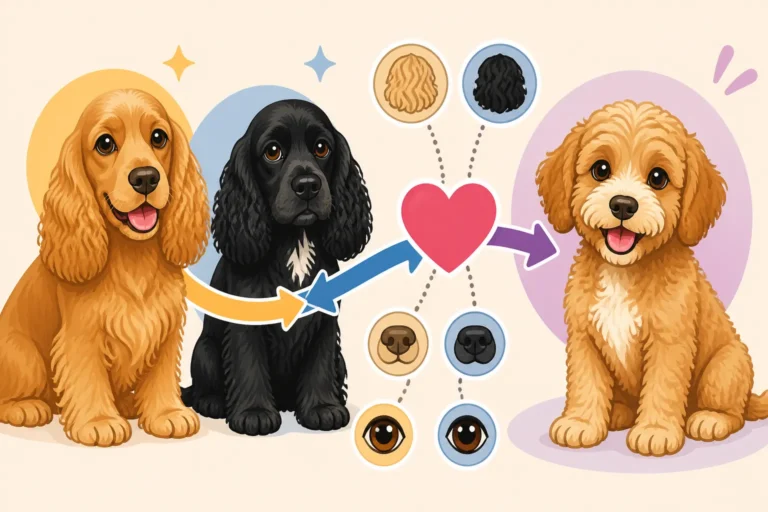
Imagine a tapestry woven over hundreds of years, each thread representing a specific trait, a particular look, or a unique temperament. That's essentially what a purebred dog represents to its dedicated clubs. They believe strongly in maintaining a closed gene pool, meaning dogs are only bred with other dogs of the same registered breed. This practice is aimed at ensuring predictability. When you get a purebred Cocker Spaniel, for instance, you have a very clear idea of what to expect in terms of size, coat, general health predispositions, and even common personality quirks. This predictability is seen as a hallmark of responsible breeding within their system.
The idea is that centuries of selective breeding have refined these traits, making the dogs' appearance and behavior largely consistent. Any deviation from this, such as introducing another breed, is viewed as undoing that historical work. It's not about snobbery; it's about a deep-seated commitment to a historical lineage and the specific genetic blueprint they have worked so hard to preserve.
Upholding and Maintaining Breed Standards
At the heart of every purebred dog club lies the breed standard. This isn't just a suggestion; it's a detailed written description of the ideal dog of that breed, covering everything from the tip of its nose to the end of its tail. It describes their size, weight, coat texture and color, ear set, eye shape, gait, and even their desired temperament. Think of it as the blueprint for what makes a Cocker Spaniel a Cocker Spaniel, and not, say, a Beagle.
These standards are critical for breeders. They act as a guide, helping them select breeding pairs that will ideally produce offspring that conform to these characteristics. Judges at dog shows use them to evaluate dogs, and breeders use them to measure their progress. When you introduce a Poodle into the mix to create a Cockapoo, you instantly deviate from both the Cocker Spaniel and the Poodle breed standards. From the perspective of a purebred club, a Cockapoo simply doesn't fit their established parameters, making it inherently outside their purview and purpose. They exist to uphold their breed, not hybrid variations.
Advocating for Specific Health Testing Protocols
Purebred clubs are often at the forefront of advocating for rigorous health testing within their breeds. They understand the genetic predispositions that can affect Cocker Spaniels, such as certain eye conditions like Glaucoma From the Cocker Side of a Cockapoo, or kidney issues like Familial Nephropathy and the Kidneys a Cockapoo Can Inherit. To combat these, they establish recommended health screenings that responsible breeders are expected to perform on their breeding stock. These tests are documented, often with certificates, to demonstrate that the parents have been screened for known hereditary conditions.
For a Cocker Spaniel club, ensuring these tests are done helps to reduce the incidence of these diseases over time, improving the overall health of the breed. When a Poodle is introduced, the genetic picture becomes more complex. While some argue for "hybrid vigor," purebred clubs often view the lack of standardized health testing across both parent breeds in many crossbreeding programs as a significant concern. They worry that breeders new to crossbreeds might not be diligently testing for both the Cocker and Poodle predispositions, potentially leading to puppies that inherit a wider range of issues. You'd want to be sure that your Cockapoo breeder is showing you The Five Certificates a Cockapoo Breeder Should Show for both parent lines.
Why Crossbreeds Often Face Opposition from Purebred Clubs
The term "designer dog" often elicits a strong reaction from purebred enthusiasts, and it really gets to the core of their objections to crossbreeds. While the sentiment behind these beautiful mixes is often pure, the motivations and practices of some breeders of designer dogs are often viewed with deep suspicion by the purebred community.
The "Designer Dog" Dilemma
The very phrase "designer dog" itself often feels dismissive to purebred clubs. They see their breeds as the result of serious, multi-generational dedication, not a fleeting trend or a "design" project. The idea that someone would simply combine two breeds, sometimes seemingly at random or for market appeal, without the historical context or long-term genetic planning, is a stark contrast to their philosophy. For them, it implies a superficiality that undervalues the deep genetic and historical work put into creating and maintaining a recognized breed.
Many purebred advocates worry that the popularity of designer dogs can inadvertently draw attention and resources away from efforts to protect and improve purebred lines. They also fear that the enthusiasm for a particular "look" might overshadow critical considerations like health, temperament, and responsible breeding practices.
The Lack of Formal Breed Standards and Registry
This is perhaps the most fundamental point of contention. Purebred clubs operate under rigid systems of breed standards and official registries. When a dog is registered with a club like the AKC, it means its lineage can be traced back generations, proving its purebred status. This registry helps track health information, maintains genealogical records, and ensures adherence to breeding guidelines.
Crossbreeds, by definition, do not have a formal, universally recognized breed standard or a centralized registry accepted by major kennel clubs. While Cockapoo-specific clubs have emerged, they are still relatively new and don't carry the same historical weight or universal recognition as organizations like the AKC. For purebred clubs, this lack of a formal, widely accepted structure makes it difficult to ensure consistency, quality, or responsible breeding across the board for Cockapoos. It's a Wild West scenario compared to their highly regulated environment, and that creates uncertainty and concern for them. This is why when you're looking for a puppy, Whether an Untested Cockapoo Litter Is a Gamble is a very real concern.
Concerns About Unethical Breeding Practices
Unfortunately, the rapid rise in popularity of any dog, purebred or crossbreed, can attract less scrupulous individuals looking to make a quick profit. Purebred clubs have a long history of battling Why Cockapoos Fill Puppy Mills and irresponsible backyard breeders. They worry that the lack of formal oversight and regulation for crossbreeds makes them particularly vulnerable to such exploitation.
When there isn't a universally accepted standard or strict registration process, it's easier for breeders to operate without the same level of accountability. This can lead to health and temperament issues being overlooked, dogs being bred too frequently, or puppies being raised in substandard conditions. The purebred community, having seen the devastating effects of such practices on their own breeds in the past, views the less regulated world of crossbreeds with a wary eye, concerned about the welfare of the animals. They want to see Whether a Breeder Must Test Both Cockapoo Parents for all offspring.
Specific Objections from Cocker Spaniel Clubs Regarding the Cockapoo
Now, let's zoom in on the specific concerns that Cocker Spaniel clubs might harbor regarding the Cockapoo. It’s not just about general objections to crossbreeding; it’s about their deep commitment to their own breed and the unique qualities they believe make the Cocker Spaniel so special.
Protecting the Cocker Spaniel Legacy
The Cocker Spaniel has a rich and storied history, particularly as a beloved companion and a capable sporting dog. Their clubs take immense pride in the breed's development, its distinctive appearance, and its affectionate, merry temperament. They've spent decades, even centuries, refining these traits, ensuring that a Cocker Spaniel consistently embodies certain characteristics.
From their perspective, introducing a Poodle, or any other breed, into the Cocker Spaniel lineage can dilute these carefully cultivated traits. They worry about losing the unique "Cocker look" or the quintessential "Cocker personality" that defines the breed. It’s a matter of preserving an identifiable and cherished heritage, and any deviation is seen as a threat to that legacy. They want to ensure that future generations can experience the pure Cocker Spaniel as it was intended to be.
Health: The Double-Edged Sword of Hybrid Vigor
One of the common arguments for crossbreeding is "hybrid vigor," the idea that mixing two breeds results in a healthier dog with fewer genetic issues. While there can be some truth to this in specific contexts, purebred clubs often view this claim with skepticism, and for good reason. They understand that a Cockapoo can inherit health problems from either parent breed, not just avoid them.
For example, a Cocker Spaniel club works diligently to screen for conditions prevalent in their breed, such as certain eye conditions or cardiac issues. Poodle clubs do the same for Poodle-specific ailments like luxating patellas or Addison's disease. The concern with a Cockapoo, if bred irresponsibly, is that you could end up with a dog predisposed to issues from both sides of its family tree. Without meticulous health testing of both the Cocker and Poodle parents for all relevant hereditary diseases, a Cockapoo can be a genetic gamble. It's not just about avoiding problems; it's about proactively breeding for better health, which means understanding all the potential genetic pitfalls from both parent lines. For example, Whether a PFK Affected Cockapoo Can Exercise is a concern that can come from the Poodle side, while A Cockapoo's Autoimmune Anemia and the Cocker Line can come from the Cocker.
Temperament and Predictability: The Core of a Breed
A dog's temperament is just as important as its physical appearance, especially for a family companion. Cocker Spaniel clubs focus on breeding for the breed's characteristic happy, outgoing, and gentle nature. They strive for a dog that is keen to please and eager to be part of the family. This predictability in temperament is a huge draw for purebred owners. The Cocker Puts Into a Cockapoo a lot of this charm!
When you cross a Cocker Spaniel with a Poodle, you introduce a wider range of genetic possibilities for temperament. While many Cockapoos inherit wonderful traits from both parents, there's a less predictable outcome compared to breeding two purebred Cockers or two purebred Poodles. For purebred clubs, this unpredictability is a serious concern. They dedicate themselves to producing dogs that reliably exhibit specific behavioral traits, making them suitable for certain roles or families. A mixed breed, without that long-standing selection pressure, can sometimes be more of a wildcard in terms of its personality. For example, while many Cockapoos are wonderful, The Flushing Drive Still Alive in a Cockapoo might be a surprise to some owners if they expected a calmer Poodle-like temperament.
The Emergence of Cockapoo-Specific Organizations and the Path Forward
Despite the traditional objections from established purebred clubs, the Cockapoo has undeniably captured the hearts of many, and its popularity continues to grow. This widespread appeal has led to the formation of dedicated Cockapoo clubs, which represent a significant shift in how these beloved crossbreeds are viewed and managed. These organizations are stepping up to provide the structure and guidance that traditional kennel clubs do not.
Filling the Void: Cockapoo Clubs and Their Goals
Recognizing the need for responsible breeding practices, health guidelines, and a sense of community for Cockapoo enthusiasts, several dedicated clubs have emerged. Organizations like the American Cockapoo Club and the Cockapoo Club of America are working to fill the void left by purebred registries. They've begun to create their own "standards" – not necessarily physical ones like purebred clubs, but certainly guidelines for health testing, ethical breeding, and even desired temperaments.
These clubs aim to bring consistency and accountability to Cockapoo breeding. They encourage breeders to perform genetic health screenings on both parent breeds (Cocker and Poodle) and provide educational resources for prospective owners. While they may not have the centuries of history that a purebred club boasts, they are actively working to legitimize the Cockapoo as a distinct and well-cared-for companion animal. You can see What the Cockapoo Club of America Set in 1999 or explore The Standard the American Cockapoo Club Wrote to understand their efforts.
The Importance of Responsible Breeding, Regardless of Breed Type
Ultimately, what truly matters, regardless of whether a dog is a purebred or a crossbreed, is responsible breeding. This is a principle that ethical breeders on both sides of the "purebred vs. crossbreed" discussion can agree on. Responsible breeding involves a commitment to the health, temperament, and welfare of every puppy. This means:
- Extensive Health Testing: Screening both parent dogs for known genetic conditions relevant to their breeds.
- Temperament Assessment: Ensuring parent dogs have stable, friendly temperaments suitable for breeding.
- Proper Care and Socialization: Raising puppies in a clean, stimulating environment with early socialization.
- Transparency: Being open with prospective buyers about health clearances, pedigrees, and breeding practices.
- Lifetime Support: Offering guidance and support to puppy buyers throughout the dog's life.
When you're looking for a Cockapoo puppy, it's crucial to focus on the breeder's practices above all else. A truly responsible Cockapoo breeder will go above and beyond to ensure their dogs are healthy and well-adjusted, just as a responsible purebred Cocker Spaniel breeder would.
Educating Prospective Owners: Your Role in the Equation
For you, as a prospective Cockapoo owner, understanding these different perspectives is incredibly empowering. It means you can ask intelligent questions and discern truly ethical breeders from those who are simply trying to capitalize on the popularity of the breed. Don't be swayed by marketing terms; instead, focus on concrete evidence of health testing, responsible raising practices, and a genuine commitment to the dogs.
Whether a Cocker club "objects" to the Cockapoo becomes less critical when you find a breeder who prioritizes the health and well-being of their animals above all else. Your job is to be an informed consumer, doing your homework and asking tough questions. Look for breeders who are part of Cockapoo clubs that promote health testing, and be prepared to ask for documentation. Many new owners, for example, find themselves needing to stock up on new pet supplies, and resources like Chewy can be a great place to find information about different food brands and products tailored for specific needs, so you can be prepared for whatever your new Cockapoo brings home. Building a strong bond with your new companion and providing lifelong care is the ultimate goal, and that starts with making a responsible choice at the beginning of their journey with you. Even if a breeder offers a guarantee, it's important to understand Whether a Cockapoo Guarantee Covers Familial Nephropathy or other inherited conditions.
A Look at Different Club Perspectives
To help illustrate the differing viewpoints, here's a quick comparison of the general stance of traditional purebred clubs (like a Cocker Spaniel club) versus emerging Cockapoo-specific organizations:
| Feature/Concern | Traditional Purebred Club Stance (e.g., Cocker Spaniel Club) | Emerging Cockapoo Club Stance |
|---|---|---|
| Breed Recognition | Solely focused on their recognized purebred, no recognition of crossbreeds. | Actively working towards legitimacy and potentially future recognition for the Cockapoo. |
| Breed Standard | Strict, detailed physical and temperament standard that all dogs must conform to. | Developing comprehensive guidelines for health, temperament, and desirable traits; not a rigid physical standard. |
| Genetic Purity | Absolute commitment to maintaining a closed gene pool; no outcrossing. | Focus on responsible crossbreeding to achieve specific traits and health goals. |
| Health Testing | Mandates specific, documented health tests for their breed; track lineage. | Strongly encourages comprehensive health testing for both parent breeds. |
| Registry | Centralized, historical registry for purebred lineage and tracking. | Developing their own registries and databases for Cockapoos. |
| "Designer Dog" Label | Often views the term negatively, implying superficiality or a lack of serious breeding. | Embraces the unique appeal of the Cockapoo while emphasizing responsible practices. |
| Breeding Goals | Preservation of historical breed characteristics and refinement over generations. | Creation of a healthy, adaptable companion dog with desirable traits from both parents. |
While these different perspectives exist, remember that the core desire of nearly all dog lovers, regardless of their preferred breed type, is the health and happiness of dogs. The methods may differ, but the passion for our canine companions remains strong. Before you commit to a breeder, make sure they align with your own values, and always remember to research thoroughly, whether that's through a breed-specific club, a Cockapoo association, or by looking up reputable suppliers on sites like Chewy for all your puppy needs.
Disclaimer
This article is for general informational purposes only and does not constitute professional advice. Laws, prices and regulations vary by location and change over time. Consult a qualified professional for guidance on your specific situation.