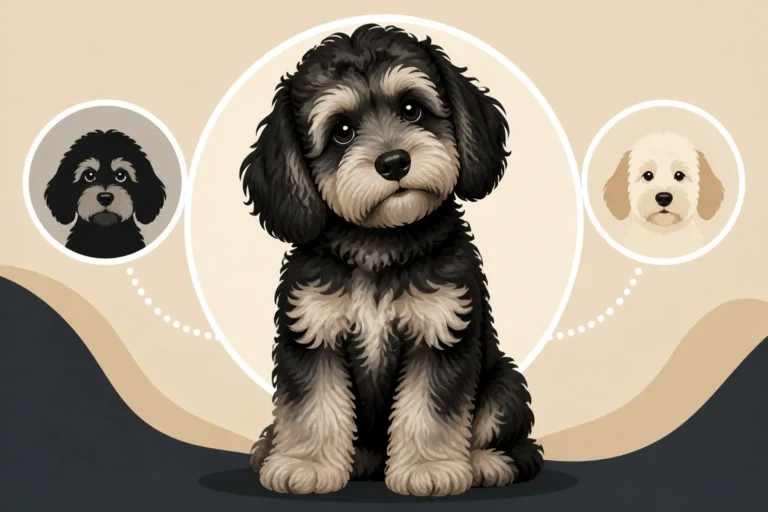
Whether Cockapoo Standards Agree on Size
One of the most common head-scratchers for anyone looking to welcome a Cockapoo into their home is the sheer variety of sizes advertised. It can feel like you're navigating a wild west of terms – Teacup, Toy, Mini, Maxi – and you're left wondering if anyone actually agrees on what these even mean. This guide is here to untangle the confusion surrounding Cockapoo size standards, helping you understand the influences at play and what to realistically expect when you bring one of these wonderful dogs into your life.
The Lack of Universal Breed Recognition for Cockapoos
When you're looking at a purebred dog, like a Labrador Retriever or a Poodle, there's a very clear, universally accepted breed standard set by major kennel clubs. This standard dictates everything from ear set and coat texture to, crucially, a defined height and weight range. For Cockapoos, however, it's a completely different ballgame, and understanding this is key to grasping why size can seem so inconsistent.
The "Designer Dog" Dilemma and What It Means
The Cockapoo, delightful as they are, falls into the category of a "designer dog" or hybrid breed. They aren't recognized by established kennel clubs like the American Kennel Club (AKC) or the Kennel Club (UK). This isn't a slight against them, but simply a fact of their lineage: they are a cross between a Cocker Spaniel and a Poodle. Because there's no overarching, official body dictating the breed standard, there's no single, universally agreed-upon blueprint for what a Cockapoo should look like, or how big it should be. This lack of official recognition is the root cause of much of the variation you see and the differing ideas about size categories. It means that what one breeder considers a "miniature," another might label a "toy," leading to a lot of grey areas and potential surprises for unsuspecting owners.
The Role of Enthusiast Clubs in Defining a Cockapoo
Despite the lack of major kennel club recognition, dedicated Cockapoo enthusiasts and breeders have formed their own clubs, such as the Cockapoo Club of America (CCA) and the American Cockapoo Club (ACC). These clubs were created out of a love for the breed and a desire to promote responsible breeding practices and a certain level of predictability. They strive to establish guidelines for health testing, temperament, and, yes, even size. These clubs often publish their own "standards" or recommendations, which can be incredibly helpful. However, it's important to remember that these are internal club guidelines, not legally binding or universally enforced rules across all Cockapoo breeders. Think of them more like a robust community consensus rather than an official decree. A breeder adhering to these club standards often provides more transparent information about their puppies, which can certainly offer peace of mind when you're trying to gauge potential size.
Why Recognition Matters (or Doesn't) for Size Consistency
The absence of an official, unifying standard from a major kennel club directly impacts size consistency. In recognized breeds, a breeder who consistently produces dogs outside the size standard would likely face scrutiny or be unable to register their offspring. For Cockapoos, without that centralized authority, breeders have more latitude. This isn't inherently bad – it allows for diversity and the creation of Cockapoos that fit various family needs and living situations. However, it also means that the terms "Teacup" or "Maxi" are often self-defined by individual breeders or loosely adopted across regions, rather than being precise, measured classifications. For a prospective owner, this translates into a crucial need for diligent research and direct communication with breeders to understand their specific lines and expected adult sizes. It means you can't just pick a "Toy Cockapoo" from an online listing and expect it to be the same size as another "Toy Cockapoo" from a different breeder.
What Existing Cockapoo "Standards" Say About Size
Even without official recognition, the dedicated Cockapoo clubs have put forward their own definitions and categories for size, trying to bring some order to the wonderful chaos of this hybrid breed. It's worth exploring these guidelines to understand the framework many responsible breeders attempt to follow.
Examining Club Guidelines and Their Size Categories
Both the Cockapoo Club of America (CCA) and the American Cockapoo Club (ACC) have worked to delineate different size classes for Cockapoos. While the exact numbers might have slight variations or interpretations, they generally converge on a few key categories. These guidelines are designed to give breeders a goal and to help prospective owners understand the general range their puppy might fall into. It’s their way of providing some structure where official kennel clubs do not. When a breeder states they adhere to a club's standard, it usually means they are aiming for these approximate size ranges. This kind of breeder is often transparent about the expected adult weight and height of their puppies, which can be a huge help when you're trying to figure out if a certain Cockapoo is the right fit for your living space and lifestyle. The Four Cockapoo Sizes article delves deeper into these specific classifications.
The Common Range of Cockapoo Sizes: Teacup to Maxi
Let's look at the general classifications you'll most often encounter. Keep in mind these are typically based on adult height at the shoulder and weight.
- Teacup Cockapoo: These are the smallest, often weighing under 6 pounds and standing less than 10 inches tall. They are usually bred from a tiny Poodle parent and a smaller Cocker Spaniel. How Big a Teacup Cockapoo Stays outlines the specifics of this dainty size.
- Toy Cockapoo: A very popular size, Toy Cockapoos typically weigh between 6 to 12 pounds and stand 10 to 12 inches tall. This size often fits well into a variety of homes and is usually a result of breeding a Toy Poodle with a Cocker Spaniel. You might also hear this referred to as a "Miniature" by some. How Big a Toy Cockapoo Gets explores this common size.
- Miniature Cockapoo: This category usually encompasses dogs weighing 13 to 18 pounds and standing 12 to 15 inches tall. These are often bred from Miniature Poodles and Cocker Spaniels. They offer a slightly more robust build than the Toy, without being overly large. How Big a Miniature Cockapoo Gets provides more detail on what to expect.
- Maxi Cockapoo: The largest of the Cockapoo sizes, Maxi Cockapoos typically weigh 19 pounds or more, and can stand over 15 inches tall. These often result from breeding a larger Miniature Poodle or even a small Standard Poodle with a Cocker Spaniel. While less common, they certainly exist and can be wonderful companions for families wanting a larger "doodle" type dog. How Big a Maxi Cockapoo Gets provides comprehensive information on this larger variety.
Here’s a simplified table illustrating these typical size categories:
| Size Category | Approximate Adult Weight (lbs) | Approximate Adult Height (inches) | Typical Poodle Parent Size |
|---|---|---|---|
| Teacup Cockapoo | Under 6 | Under 10 | Toy/Tiny Poodle |
| Toy Cockapoo | 6 – 12 | 10 – 12 | Toy Poodle |
| Miniature Cockapoo | 13 – 18 | 12 – 15 | Miniature Poodle |
| Maxi Cockapoo | 19+ | 15+ | Miniature/Standard Poodle |
The Parent Breeds' Influence on Cockapoo Size
The genetic lottery plays a huge role in a Cockapoo's ultimate size. You see, a Cockapoo is always a mix of a Cocker Spaniel and a Poodle. Both American Cocker Spaniels and English Cocker Spaniels have distinct size ranges, with English Cockers often being a bit larger and more substantial. Then, you have the Poodle side, which comes in various sizes: Toy, Miniature, and Standard.
When a breeder pairs a smaller American Cocker with a Toy Poodle, you're likely to get a smaller Cockapoo. If they use a larger English Cocker and a Miniature Poodle, the puppies will naturally tend to be larger. The variability comes in when you have parents at the upper or lower ends of their respective breed's size standards, or when mixed generations (like an F1b or a Multigen) introduce more genetic diversity. Even two parents of similar size might throw a puppy that surprises everyone by growing a little bigger or staying a little smaller, simply due to the complex inheritance of genes. This is why a reputable breeder will discuss the size of both parents and even grandparents to give you the best possible estimate.
The Practical Reality of Cockapoo Sizes
While club guidelines give us a starting point, the real-world experience of Cockapoo ownership often highlights the wonderfully unpredictable nature of these dogs. Many owners find that their puppy's size can be a bit of a moving target until they reach maturity.
Breeder Variability and Interpretation of "Standards"
Because there isn't one official rulebook, what one breeder considers a "Toy" might slightly differ from another. Some breeders might focus on weight, while others emphasize height, or they might simply use the term most commonly understood in their region. This isn't necessarily a bad thing, but it means you can't assume that all "Miniature Cockapoos" from different sources will be carbon copies in size. One breeder might specialize in smaller, more delicate dogs, carefully selecting parent stock that reliably produces them. Another might have a line of Cockapoos that tend to be a bit stockier or taller, even within the same general size category. This is why direct communication and seeing the parent dogs (if possible) are so important. A good breeder will be upfront about the size expectations for their particular puppies and can often provide estimates based on their lines and experience. They'll know the typical growth curve of their puppies and can give you a clearer picture than any general standard could.
The F1, F1b, and Multigen Factor in Size Predictability
The generation of a Cockapoo can also play a role in its size predictability.
- F1 Cockapoos are a direct cross between a purebred Cocker Spaniel and a purebred Poodle. In this first generation, the genetic blend is quite varied, and while the parents' sizes provide a good indicator, there can still be some spread in a single litter. You might see littermates where one takes more after the larger Poodle parent and another more after the smaller Cocker.
- F1b Cockapoos are a backcross: an F1 Cockapoo bred back to a purebred Poodle. This often creates a more Poodle-like dog in terms of coat, and sometimes in size, pushing them towards the Poodle parent's characteristics.
- Multigen (Multi-generational) Cockapoos are the result of breeding two Cockapoos together (F2) or subsequent generations (F3, F4, etc.). In theory, as breeders work with multiple generations of Cockapoos, they can start to select for more consistent traits, including size. However, the genetic pool is still diverse, and it takes many generations of careful breeding to truly "set" a type. So, while a multigen breeder might have a clearer vision for their Cockapoo line, surprises can still happen. Whether Generation Changes a Cockapoo's Size offers a deeper dive into how different generations might influence a Cockapoo's mature physical characteristics.
Growth Surprises: When a Cockapoo Doesn't Grow as Expected
It’s a tale as old as time: you fall in love with a tiny puppy, are told it will be a "Toy" size, and then suddenly, at six months, you realize you have a dog that's well on its way to being a Miniature or even a small Maxi! This happens more often than you might think in hybrid breeds. Puppy growth charts are estimations, and while many Cockapoos fall within the predicted range, some simply don't read the rulebook. Factors like nutrition, early spay/neuter, and simply individual genetic variation can all contribute to these surprises.
Imagine planning your small city apartment around a 10-pound Toy Cockapoo, only to find yourself with a boisterous 20-pound Miniature Cockapoo who needs more space to stretch his legs! This is a valid frustration that many owners face. Sometimes, a puppy might have a growth spurt later than expected, or continue to fill out even after their initial height growth seems to have plateaued. This unpredictability means that while you can get a good estimate, it's always wise to mentally prepare for a slight deviation from the predicted size. The Age Each Cockapoo Size Finishes Growing provides insights into when you can expect your Cockapoo to reach its full adult size.
Why Size Consistency Remains a Challenge for Cockapoo Owners
The journey of bringing a Cockapoo into your life often begins with an image in mind – perhaps a dainty lap dog or a sturdy companion for adventures. When a dog’s eventual size doesn’t align with those expectations, it can lead to practical challenges and emotional adjustments for owners.
Health Implications of Size Extremes
While most Cockapoos fall into a healthy mid-range, chasing extremely small sizes, like the "Teacup" variant, can sometimes introduce health concerns. Breeding for exceptionally tiny dogs can inadvertently select for other traits that aren't so desirable, such as fragile bones, difficulty regulating blood sugar, or even issues with organ development. These minuscule pups might need special care and can be more susceptible to injury. On the other end of the spectrum, larger Maxi Cockapoos can inherit some of the orthopedic concerns seen in larger breeds, though this is less common given their parent breeds. Responsible breeders, regardless of the size they specialize in, prioritize health testing above all else to mitigate these risks. It's crucial to always inquire about the health clearances of the parent dogs, especially when considering a very small or unusually large Cockapoo. What Breeding Ever Smaller Costs a Cockapoo further elaborates on the potential downsides of breeding for extreme smallness.
Lifestyle Compatibility: The Real-World Impact of Size
The ultimate size of your Cockapoo has tangible implications for your daily life. A smaller Toy or Teacup Cockapoo might be perfectly content in a smaller apartment and needs less space to run around, although they still require regular exercise and mental stimulation. Their compact size makes them easier to travel with, and they might even fit into a carrier under an airplane seat. On the other hand, a larger Miniature or Maxi Cockapoo will need more room, both indoors and out. They'll appreciate a bigger yard or more extended walks and runs.
Consider your home environment:
- Space: Does your home have enough space for a dog that might grow bigger than you initially thought? A larger dog means larger everything – larger crate, larger bed, larger food and water bowls. You might find yourself needing to upgrade from a small bed to something more substantial from Chewy as your pup grows.
- Exercise Needs: While Cockapoos are adaptable, a bigger dog generally means more energy to burn. If you were expecting a couch potato but got a canine athlete, you’ll need to adjust your exercise routine.
- Equipment: From harnesses and collars to toys and food bowls, everything needs to be appropriately sized. A toy for a Teacup Cockapoo won't last five minutes with a Maxi, and vice versa. Shopping for the right gear, whether online at Chewy or at a local pet store, is a constant consideration as your Cockapoo grows.
These are not minor details; they impact the happiness and well-being of both you and your furry companion.
Navigating Breeder Claims and Asking the Right Questions
Given the inherent variability in Cockapoo sizes, navigating breeder claims requires a keen eye and a good set of questions. Simply relying on a breeder's "Teacup" or "Miniature" label isn't enough. A responsible and transparent breeder will be happy to discuss their specific lines and provide a realistic estimate.
Here’s what you should ask:
- Parent Sizes and Weights: What are the exact weights and heights of both the mother and father? If they are multigen, what about their parents?
- Puppy Growth History: If the puppies are older, what have their growth patterns been like so far?
- Historical Litter Sizes: What were the adult sizes of previous puppies from the same parents or line?
- Poodle Parent Size: Was a Toy, Miniature, or Standard Poodle used in the breeding? This is often the biggest indicator of potential size.
- Health Testing: Always inquire about health testing for both parents. This helps ensure that regardless of size, your Cockapoo has the best chance at a healthy life.
Remember, Whether a Cockapoo Breeder Can Promise a Size is a critical question. While a good breeder can give you an educated estimate based on their experience and genetics, no one can guarantee an exact adult weight or height. By being prepared for a range and asking thorough questions, you can minimize surprises and ensure you're welcoming a Cockapoo that genuinely fits into your life. The clearer you are with your breeder about your size expectations and limitations, the better they can guide you toward the right puppy.
Disclaimer
This article is for general informational purposes only and does not constitute professional advice. Laws, prices and regulations vary by location and change over time. Consult a qualified professional for guidance on your specific situation.