Whether the Cockapoo Lost Ground to the Cavapoo
It's completely understandable to wonder about the shifting sands of popularity among our beloved doodle breeds. For years, the Cockapoo was undeniably the star, a charming mix that seemed to have it all. But lately, you might have noticed the Cavapoo popping up more frequently, leading many to ask if our original curly-haired darling has perhaps been overshadowed. This guide will delve into the nuances of breed popularity, exploring the characteristics that appeal to different owners and how preferences can evolve over time, rather than presenting a definitive answer on which breed is "winning."
Understanding the Rise of New Doodles and Shifting Preferences
When we talk about "designer dogs" or doodles, it's important to remember that this isn't a static landscape. New crosses emerge, older ones refine their reputation, and public perception ebbs and flows. The Cockapoo, being one of the original doodles, has a long history, but its very success paved the way for a whole host of other Poodle crosses. The Cavapoo is just one of many that have gained significant traction, and it often comes down to specific characteristics that align with what modern pet owners are looking for. It's less about the Cockapoo losing ground and more about the diverse market expanding to embrace other wonderful mixes.
Think about it this way: imagine a popular new restaurant opening in town. Does the established, beloved diner suddenly become bad? No, not at all! It just means there's another great option for people to choose from, often catering to slightly different tastes. The Cockapoo didn't suddenly become less wonderful; rather, the Cavapoo started to carve out its own niche with a distinct set of appeals that resonated with a certain segment of the dog-loving public. This diversification is actually a good thing for dog welfare in the long run, as it allows people to find a better match for their lifestyle.
The Appeal of the Cockapoo: A Classic for a Reason
The Cockapoo's enduring popularity isn't accidental. This delightful cross, typically between a Cocker Spaniel and a Poodle, embodies many of the qualities people adore in a canine companion. They're often described as intelligent, affectionate, and playful, striking a fantastic balance between the outgoing nature of the Cocker and the smart, often lower-shedding qualities of the Poodle. From the early days in the 1950s, people quickly fell in love with their charm and adaptability. They fit into many different family dynamics, from active singles to bustling households with older children, bringing a lively energy and a keen desire to be involved in everything. The 1950s American Litters Behind the Cockapoo speaks to this foundational appeal.
However, it's worth noting that "Cockapoo" is a broad term, encompassing various sizes from Teacup to Maxi, and a wide array of coat types, from flat to tightly curled. This variety can be a double-edged sword. While it means there's a Cockapoo for almost everyone, it also means that expectations can sometimes be unmet. A more energetic Cocker line might produce a pup that's bouncier than anticipated, or a coat that's more prone to matting than the owner expected if they weren't fully prepared for The Coat Change That Ambushes a Cockapoo Owner at Ten Months.
The Rise of the Cavapoo: What Drew People In?
The Cavapoo, a cross between a Cavalier King Charles Spaniel and a Poodle, often presents a slightly different package, which has resonated deeply with a specific demographic of dog owners. Cavaliers are renowned for their incredibly sweet, gentle, and eager-to-please temperaments. They are often described as "lap dogs" and thrive on human companionship. When crossed with a Poodle, the resulting Cavapoo often inherits this calm, loving disposition, combined with the Poodle's intelligence and reduced shedding coat. This combination creates a dog that is frequently perceived as being very adaptable to apartment living, excellent with small children, and generally lower energy than many Cockapoos.
The Cavapoo's smaller average size also plays a role. While Cockapoos come in various sizes, many Cavapoos are on the smaller side, making them ideal for urban dwellers or those who simply prefer a compact companion. Their often more predictable coat type, frequently a soft, wavy fleece, is also a significant draw for those seeking a lower-maintenance grooming routine than some of the more intensely curly Cockapoo coats. In a world where many people live in smaller spaces and have busy schedules, the promise of a gentle, smaller, and potentially easier-to-groom dog can be incredibly appealing.
Comparing Key Traits: Cockapoo vs. Cavapoo Appeal
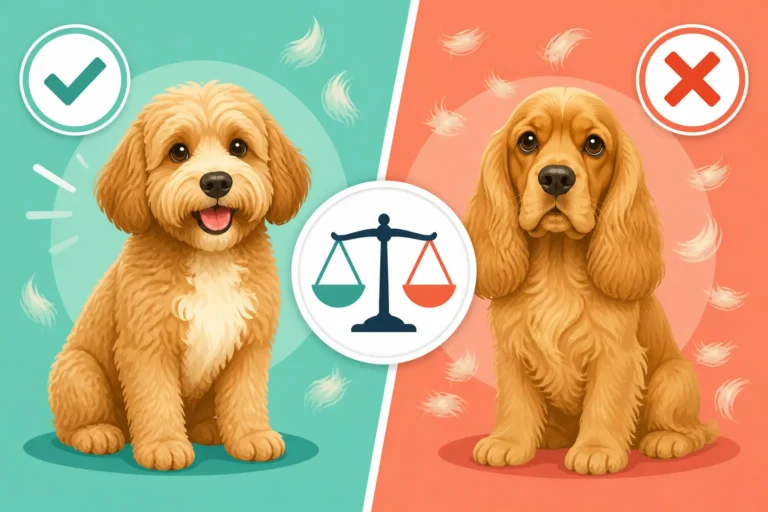
When looking at whether the Cockapoo has "lost ground," it's more accurate to consider how the unique strengths of each breed align with different owner priorities. It's not a zero-sum game; both breeds continue to thrive, but they cater to slightly different visions of the ideal canine companion.
| Feature | Cockapoo (Cocker Spaniel x Poodle) | Cavapoo (Cavalier King Charles Spaniel x Poodle) |
|---|---|---|
| Energy Level | Generally moderate to high; can be very playful and energetic. | Generally moderate; often calmer, enjoys lounging but still needs walks. |
| Size Range | Wide: Teacup, Toy, Miniature, Maxi (from ~6 lbs to ~30+ lbs). | Smaller: Typically Toy or Miniature (from ~9 lbs to ~20 lbs). |
| Grooming Needs | Varies widely by coat type (straight, wavy, curly); prone to matting. | Generally wavy/fleece coat; still needs regular brushing to prevent matting. |
| Temperament | Intelligent, outgoing, eager to please, spirited, can be vocal. | Affectionate, gentle, sweet-natured, adaptable, less prone to barking. |
| Prey Drive | Can have a higher prey drive from the Cocker Spaniel's flushing instincts. | Generally lower prey drive; bred more for companionship. |
| Health Concerns | Inherited conditions from both Cocker and Poodle lines. | Inherited conditions from both Cavalier and Poodle lines. |
| First-Time Owner Suitability | Excellent, but may require consistent training for energy/prey drive. | Excellent, often considered very forgiving and eager to please. |
As you can see, while there are overlaps, distinct differences can sway a potential owner. For someone seeking a slightly calmer, smaller, and perhaps more overtly "lap dog" personality, the Cavapoo often ticks more boxes.
Energy Levels and Lifestyle Fit
One of the most significant differentiators between the two breeds for many potential owners is their typical energy level. Cockapoos, particularly those with a stronger working Cocker Spaniel lineage, can be incredibly active dogs. They love to run, play, and explore. Their intelligence means they need mental stimulation as much as physical exercise. While a stroll around the block is appreciated, many Cockapoos truly thrive with longer walks, games of fetch, or even activities like Scent Work That Satisfies a Cockapoo. This energetic nature is fantastic for active families or individuals who enjoy outdoor adventures with their dog. However, for someone looking for a dog that's content with less rigorous activity, a Cockapoo might present a challenge, potentially leading to destructive behaviors or excessive barking if their needs aren't met.
Cavapoos, while still playful, generally have a reputation for being a bit more laid-back. The Cavalier King Charles Spaniel contributes a more sedate, companion-oriented disposition. This isn't to say they don't enjoy a good walk or a romp in the yard, but they're often just as happy snuggling on the sofa. This makes them highly appealing to individuals or families with less active lifestyles, or those living in smaller homes where extensive daily exercise might be difficult. Their adaptable nature means they can often be satisfied with moderate daily activity, followed by plenty of cuddle time.
Grooming Demands and Coat Type Expectations
Both breeds are often chosen for their Poodle heritage, which promises a low-shedding, allergy-friendlier coat. However, the reality of doodle coats can be far more complex, and this is another area where perceptions might influence preference. Cockapoos can inherit a huge spectrum of coats, from flat (improper coats that shed) to wavy fleece to tight curls. The Three Cockapoo Coat Types and Their Upkeep details just how varied this can be. A tightly curled Cockapoo, while potentially very low-shedding, requires diligent daily brushing to prevent painful matting, a task that some owners might underestimate. This regular upkeep, often requiring professional grooming every 6-8 weeks, is a significant time and financial commitment. You'll be spending plenty of time brushing, and probably making regular trips to the groomer, which means stocking up on supplies from places like Chewy.
Cavapoos, while also needing regular grooming, often present a slightly more uniform coat type, typically a wavy or fleecy texture. This coat, while still requiring consistent brushing to avoid mats, is sometimes perceived as being a bit more manageable than the full spectrum found in Cockapoos. Owners might find that a Cavapoo's coat is less prone to the extreme matting challenges that some curlier Cockapoo coats can experience, especially during the adolescent coat change phase. This perception of slightly easier maintenance, even if minor, can be a deciding factor for busy individuals.
Temperament and Family Dynamics
The foundational breeds deeply influence the temperament of their doodle offspring. Cocker Spaniels are known for being happy-go-lucky, enthusiastic, and often quite vocal. They have a strong desire to please but can also be quite spirited and sensitive. When this blends with the Poodle's intelligence and sometimes reserved nature, you get a Cockapoo that is generally smart, outgoing, and deeply devoted. They thrive on interaction and can be boisterous playmates, excellent with children who understand how to interact with a lively dog. A Cockapoo With Children covers more about this interaction.
Cavaliers, on the other hand, are almost universally beloved for their gentle, sweet, and calm demeanor. They are often described as having an innate desire to be near their human companions, making them wonderful lap dogs. The Cavapoo typically inherits this incredibly loving and gentle nature, often resulting in a dog that is less prone to excessive barking and generally more content with quiet companionship. This makes them incredibly appealing for families with very young children, seniors, or anyone seeking a calm, affectionate presence in their home. The Cavapoo is often seen as a dog that "doesn't have a bad bone in its body," an ideal for those prioritizing extreme gentleness.
Factors Influencing Perceived Popularity Shifts
Beyond specific breed traits, there are broader trends and factors that contribute to the perceived shift in popularity from one doodle to another. These often relate to changing lifestyles, media exposure, and even the natural progression of the "designer dog" movement itself.
The Appeal of the "New" or "Rare"
Human nature often gravitates towards what's new or what feels a little more unique. While the Cockapoo has been around for decades, the Cavapoo burst onto the scene with a slightly fresher appeal in some circles. The perception of rarity, even if it's fleeting, can generate significant buzz and demand. As more breeders began producing Cavapoos and their charming pictures filled social media feeds, they naturally captured attention. This doesn't mean Cockapoos are less desirable, but simply that the spotlight can shift as new variations gain traction. It's a bit like fashion trends – a classic black dress is always in style, but a new design might grab all the headlines for a season.
This phenomenon is also tied to the sheer volume of different doodle crosses now available. When the Cockapoo was one of the few options, it naturally dominated. Now, with Goldendoodles, Labradoodles, Bernedoodles, Cavapoos, Maltipoos, and many more, the market is far more fragmented. Each new mix draws a segment of the audience, leading to a broader distribution of popularity rather than one breed overwhelmingly dominating.
Breeder Practices and Ethical Considerations
The increasing demand for various doodles has unfortunately also led to a rise in less reputable breeding practices, often associated with puppy mills. With high demand comes the potential for unscrupulous breeders to prioritize profit over health and welfare. Historically, Cockapoos, being one of the most established doodles, have unfortunately been disproportionately targeted by puppy mills. Why Cockapoos Fill Puppy Mills details this concerning trend. This can, in turn, lead to a negative association or a sense of caution among potential buyers who are well-informed about ethical breeding.
While Cavapoos are certainly not immune to poor breeding, the conversation around the "mill-bred" Cockapoo has been ongoing for a longer period due to the breed's earlier popularity. Savvy buyers are increasingly doing their research, asking for health clearances like The Five Certificates a Cockapoo Breeder Should Show and scrutinizing breeder practices. When the market is flooded with poorly bred examples of one particular type of dog, it can naturally push some buyers towards newer options in hopes of finding healthier, better-socialized puppies.
Media Influence and Social Media Trends
In our interconnected world, social media plays an enormous role in shaping perceptions and driving trends. A single viral video or a celebrity owning a particular breed can significantly impact demand overnight. While it's impossible to quantify, the charming, often compact size and gentle demeanor of the Cavapoo might lend itself particularly well to appealing social media content. Their sweet faces and cuddly nature make them incredibly photogenic and shareable, which can accelerate their perceived popularity.
Furthermore, general media portrayals of dogs often lean towards smaller, more "manageable" breeds for urban or busy family settings. As more people move to cities or live in apartments, the demand for smaller dogs that can adapt well to these environments increases. This shift in lifestyle preferences naturally aligns more with the typical Cavapoo profile than with some of the more energetic or larger Cockapoo variations. Even when browsing for pet supplies on platforms like Chewy, marketing often highlights characteristics that appeal to specific lifestyles, subtly guiding preferences.
The Enduring Appeal of Both Breeds
Ultimately, the idea of the Cockapoo having "lost ground" to the Cavapoo is perhaps a simplification. It's more accurate to say that the market for designer dogs has matured and diversified. Both breeds offer unique and wonderful qualities that make them fantastic companions for the right families.
The Cockapoo, with its spirited personality, wide range of sizes, and often robust energy, remains an incredibly popular choice for active individuals and families who appreciate a playful, intelligent dog ready for adventure. They are true "people pleasers" who thrive on interaction and can excel in various dog sports and activities. From their beautiful, diverse coats to their often goofy personalities, Cockapoos continue to capture hearts and are far from "losing."
The Cavapoo, meanwhile, has carved out a strong niche with its gentle temperament, compact size, and often lower-key demeanor. For those seeking a calm, affectionate lap dog that fits seamlessly into a quieter home or urban apartment, the Cavapoo is an ideal match. They embody sweetness and devotion, providing comfort and companionship without demanding a high-octane lifestyle.
Choosing between a Cockapoo and a Cavapoo isn't about one being "better" or more popular; it's about understanding your own lifestyle, energy levels, grooming commitment, and what kind of canine companionship truly speaks to your heart. Both of these Poodle crosses bring immense joy to their families, and their continued popularity, whether in the spotlight or as an enduring classic, is well-deserved.
Disclaimer
This article is for general informational purposes only and does not constitute professional advice. Laws, prices and regulations vary by location and change over time. Consult a qualified professional for guidance on your specific situation.