Whether an Old Cockapoo’s Curl Loosens
It’s a natural thing to wonder, especially when your beloved Cockapoo starts showing the gentle signs of aging: "Is their beautiful, often curly coat going to change?" Many owners notice a subtle shift in texture, a slight loosening of those characteristic curls, or even a bit of thinning as their furry family member moves into their senior years. This guide is here to walk you through the common, and sometimes less common, reasons behind these coat transformations in older Cockapoos, helping you understand what's normal and when to give your vet a call.
Understanding the Cockapoo Coat Journey
The Cockapoo's coat is one of its most defining features, a delightful blend of the Cocker Spaniel's lush fur and the Poodle's renowned curl. This genetic lottery results in a variety of textures, from wavy and shaggy to tight curls, but one thing is almost universally true: it requires dedicated care. Over your dog's lifetime, this coat isn't static; it undergoes several transformations, each requiring a slightly different approach to grooming and care.
The Youthful Cockapoo's Coat
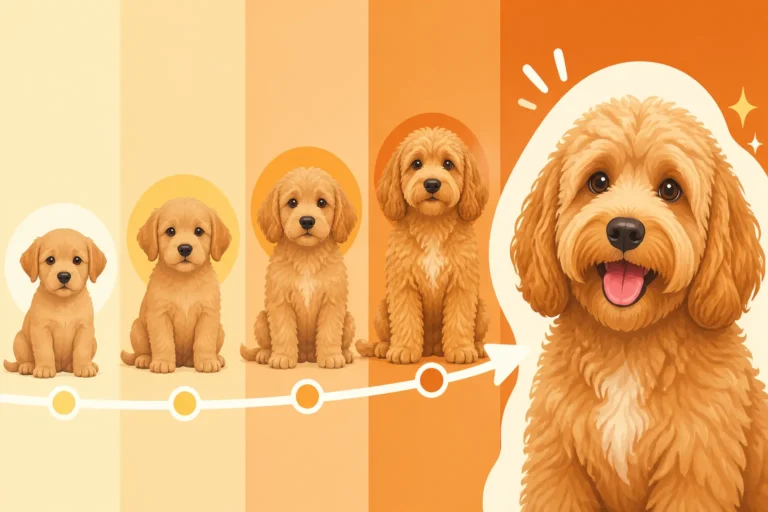
When you first bring home a Cockapoo puppy, their coat is often described as "puppy fluff"—soft, perhaps wavy, and not yet fully indicative of their adult texture. Around six to eighteen months of age, most Cockapoos go through what's affectionately known as "the coat change." This can be a challenging period for owners, as the puppy coat sheds out while the denser adult coat grows in, often leading to matting if not diligently brushed. It’s during this time that the true nature of their inherited curl and furnishings (the longer hair on the face, beard, and legs) really establishes itself. The presence of the RSPO2 gene dictates those coveted furnishings, while the KRT71 gene largely determines the tightness of the curl. Understanding these genetic factors can help breeders predict coat types, but even then, nature has a way of surprising us. You might find it interesting to delve deeper into The Curl Gene and Where a Cockapoo's Coat Lands or What KRT71 Says About a Cockapoo's Curl to truly grasp the genetic intricacies.
The expectation for many Cockapoo owners is a low-shedding, often hypoallergenic coat, and for most, this holds true, especially for those with dominant furnishing genes. However, as the years go by, the factors that influenced that youthful, vibrant coat can begin to shift, bringing about noticeable changes.
Why Coats Change Over Time
Just like human hair, a dog's coat is constantly growing, shedding, and regenerating, a process influenced by a myriad of internal and external factors. As our Cockapoos age, their bodies experience a natural slowdown in cellular regeneration, which can directly impact hair growth and quality. Think of it like a beautiful old tapestry; with time, the threads might become a little softer, perhaps a touch thinner, or even change hue.
Hormonal shifts are a significant player here. A younger dog's hormone levels are often stable and robust, supporting vigorous hair growth. As they enter their senior years, these levels can fluctuate, sometimes leading to subtle or even dramatic changes in coat texture and thickness. Environmental factors, like prolonged sun exposure, harsh weather, or even the cumulative effects of certain grooming products, can also take their toll over a lifetime. Furthermore, a dog's diet and overall health play a crucial role. A diet rich in essential nutrients and healthy fats supports skin and coat integrity, whereas deficiencies or chronic health conditions can manifest in a dull, brittle, or sparse coat. These changes aren't always a cause for alarm, but they do mean that your grooming and care routine might need to evolve alongside your aging companion.
Factors Influencing Curl Softening in Older Cockapoos
So, you've noticed your old pal's signature bouncy curls aren't quite as springy as they used to be. It's a common observation, and it's usually a combination of physiological changes that come with age. Let's explore some of the key culprits behind this softening.
Hormonal Shifts and Their Impact
Hormones are powerful messengers in the body, influencing everything from mood to metabolism, and yes, even coat quality. As a Cockapoo ages, their endocrine system, responsible for hormone production, can become less efficient, leading to imbalances. For example, hypothyroidism, a condition where the thyroid gland doesn't produce enough hormones, is surprisingly common in middle-aged and older dogs. One of the hallmark signs of hypothyroidism is a dry, brittle, thinning coat, often accompanied by changes in texture that can make curls appear looser or even disappear. If you're concerned about this, you might want to look into Hypothyroidism in a Middle Aged Cockapoo. Other hormonal shifts, perhaps related to reproductive hormones even in spayed or neutered dogs, can also play a subtle role in altering hair follicle function, making the hair grow back softer or finer.
Nutritional Changes and Hydration
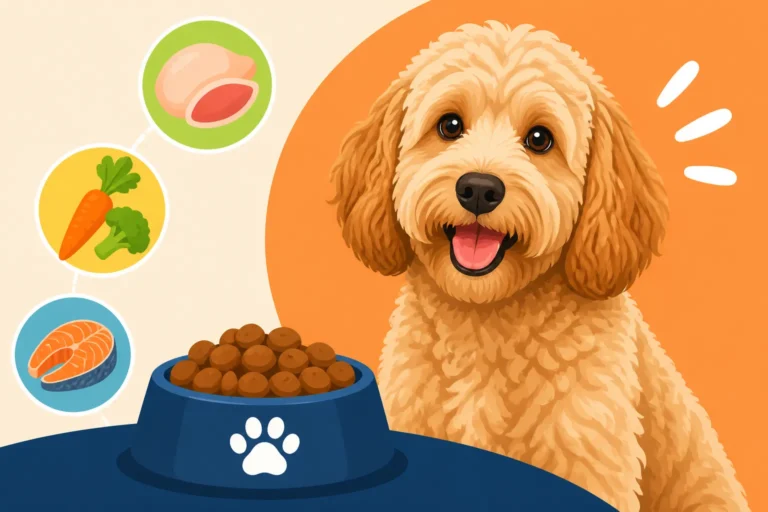
A shiny, healthy coat is often a direct reflection of a dog's internal health, and nutrition is paramount. As Cockapoos age, their dietary needs can change. They might require fewer calories but benefit from higher quality protein and specific nutrients to support their aging bodies. If their diet isn't providing the right balance, or if their digestive system isn't as efficient at absorbing nutrients, their coat can suffer.
Essential fatty acids, particularly Omega-3s and Omega-6s, are crucial for skin and coat health. A deficiency can lead to dry, flaky skin and a dull, coarse coat that lacks its usual luster and elasticity, which might affect the tightness of curls. Many senior dog foods or supplements available on platforms like Chewy or Amazon are specifically formulated with these needs in mind. Hydration is equally important; a dehydrated dog will often have dry skin and a less supple coat. Chronic health conditions, such as kidney disease or diabetes, can also impact nutrient absorption and overall body condition, which inevitably shows up in the coat. Ensuring your senior Cockapoo is on a high-quality, easily digestible diet, perhaps even exploring fresh food options like Ollie if it suits your budget, can make a world of difference. For broader health, consider if your senior pup needs The Kidney and Eye Checks a Cockapoo Needs Yearly.
Environmental and Grooming Practices
The world your Cockapoo lives in also plays a part in its coat condition over time. Prolonged exposure to harsh sunlight can bleach and dry out a coat, making it more brittle. Cold, dry winter air can also strip moisture from the skin and hair, leaving it feeling rougher or less defined. Think about how your own hair reacts to different climates!
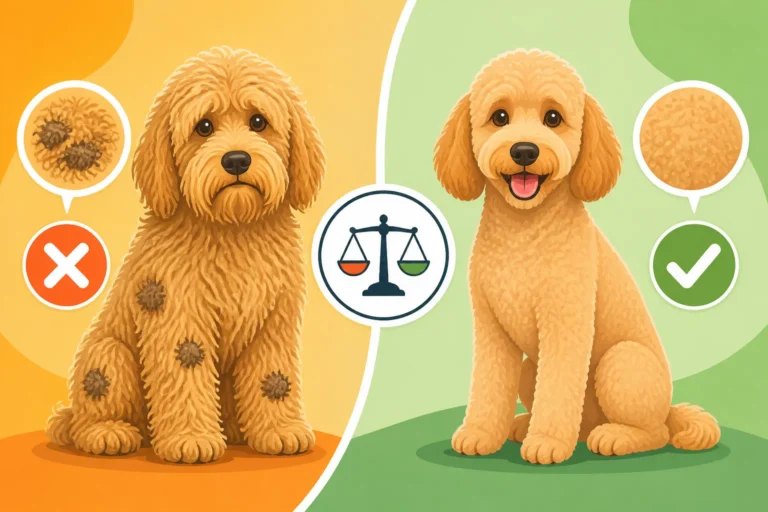
Additionally, years of grooming practices, both at home and professionally, can have an effect. While regular grooming is essential, using harsh shampoos, over-brushing with inappropriate tools, or frequent dematting sessions can gradually damage the hair shaft. Even simply not brushing regularly enough can lead to constant matting, which can distort the natural curl pattern and make the coat appear less curly overall. Conversely, a well-maintained coat, even if it's naturally softening with age, will always look and feel better. It's important to be gentle with an older dog's coat, especially if their skin is becoming more delicate. Whether a Cockapoo's Skin Dries Out From Washing is a good read to understand more about skin care.
Recognizing Normal Aging vs. Health Concerns
It's completely normal to see some changes in your Cockapoo's coat as they age. Just like our own hair, their fur can thin, change texture, or even go gray. However, it's important to distinguish between these natural aging processes and signs that might indicate an underlying health issue needing veterinary attention.
What Normal Coat Softening Looks Like
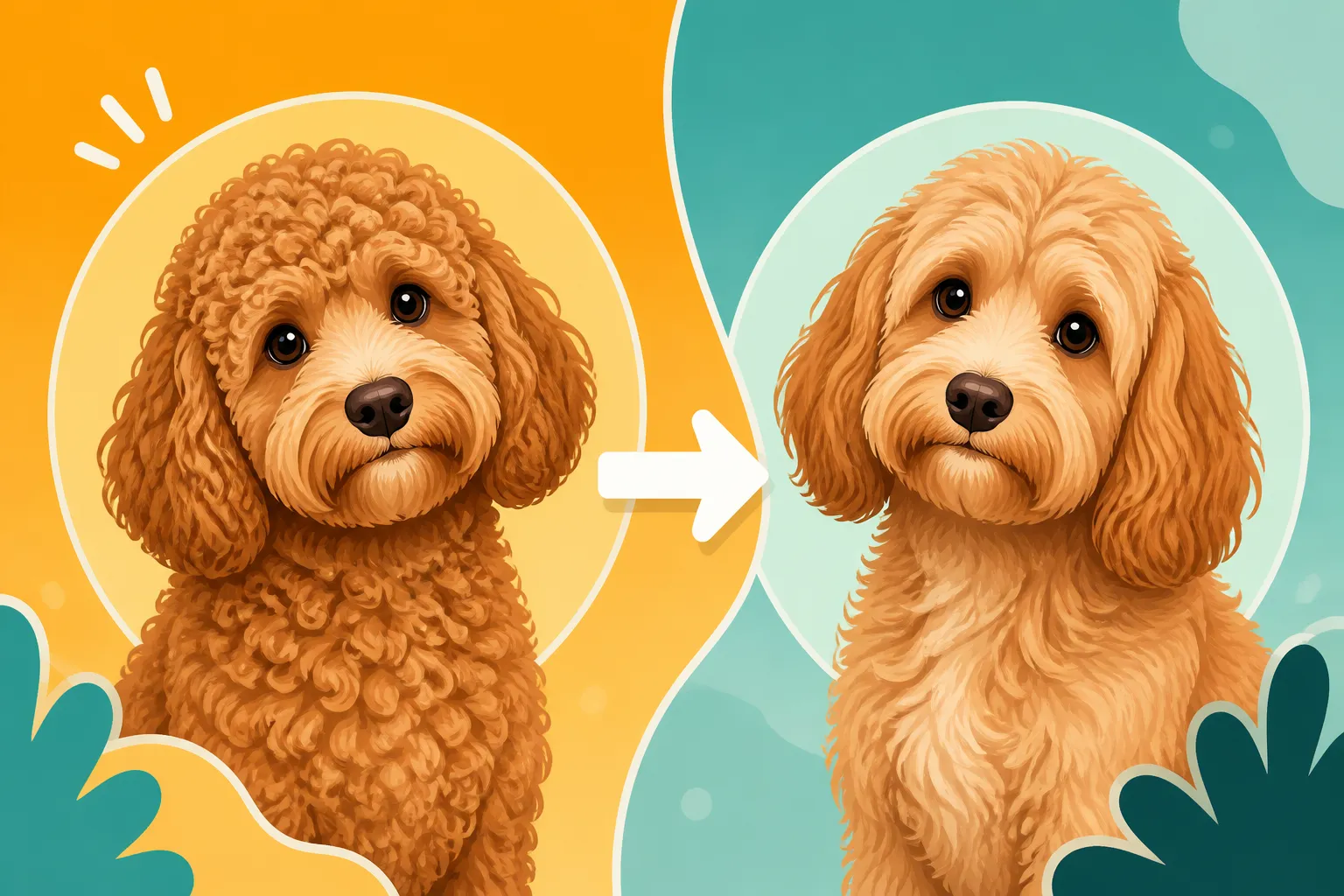
As your Cockapoo gracefully enters their senior years, you might observe a few subtle yet common changes in their coat. Often, the curls that were once tight and springy might become a bit looser, softer, and perhaps more wavy. The overall texture can feel finer, and you might notice a slight thinning of the coat, particularly over the back and flanks. This is often a slow, gradual process, not a sudden, dramatic change.
You'll also likely see some graying, especially around the muzzle and eyes, which can then spread to other areas of the body. This is the canine equivalent of silver temples and is a perfectly normal part of the aging process. The hair might also lose some of its vibrant color, appearing duller or lighter over time. These kinds of changes, happening slowly and without other alarming symptoms, are typically just signs that your Cockapoo is growing into their golden years.
Signs That Warrant a Vet Visit
While some coat changes are normal, others can be red flags for health problems. It’s crucial to know the difference. If you notice any of the following, it’s time to schedule a visit with your veterinarian:
- Excessive Hair Loss or Bald Patches: More than just general thinning, if large clumps of hair are falling out, or if bald spots appear, especially symmetrically on both sides of the body, this could indicate hormonal imbalances (like hypothyroidism or Cushing's disease), parasites, allergies, or other systemic illnesses.
- Skin Irritation, Redness, or Rashes: If the coat changes are accompanied by itchy skin, persistent scratching, redness, bumps, or flaky patches, it could point to allergies, skin infections, or autoimmune conditions.
- Sudden, Drastic Changes in Coat Quality or Texture: If your Cockapoo’s coat suddenly becomes extremely greasy, dry, brittle, or matted without any change in environment or diet, it warrants investigation.
- Changes in Skin Oiliness or Dryness: An excessively oily coat and skin can be a sign of seborrhea or metabolic issues, while very dry, flaky skin can indicate nutritional deficiencies, allergies, or thyroid problems.
- Persistent Odor: A strong, unusual odor from the skin and coat, even after bathing, can signal skin infections (bacterial or yeast) or other underlying health conditions.
Remember, your Cockapoo's coat is a window into their overall health. Any significant or rapid change that isn't explained by obvious factors like a new shampoo or severe matting should be discussed with your vet.
Managing the Older Cockapoo's Coat
Even if your senior Cockapoo's coat is undergoing normal age-related changes, it still needs diligent care, perhaps even more so. Their skin can become more sensitive, and their ability to tolerate long grooming sessions might decrease.
- Gentle Brushing Techniques: Their skin might be thinner and more prone to bruising, so opt for softer brushes and be incredibly gentle. Daily, shorter brushing sessions are often better than infrequent, longer ones. Focus on line brushing to get down to the skin without pulling.
- Appropriate Shampoos and Conditioners: Choose mild, moisturizing, and perhaps even oatmeal-based shampoos designed for sensitive skin. Follow with a good conditioner to hydrate the coat and skin. There are many excellent options available on Chewy that cater to sensitive skin.
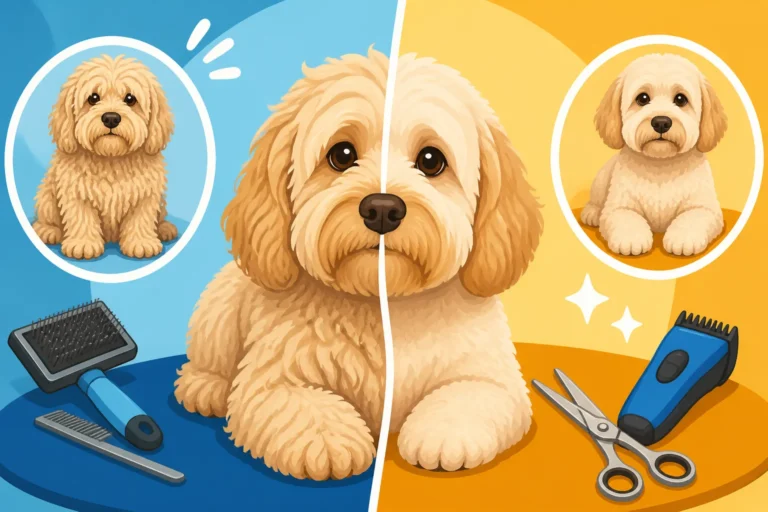
- Regular Professional Grooming: While home grooming is vital, regular trips to a professional groomer are still important. Discuss your Cockapoo's age and any sensitivities they have. A shorter, easier-to-maintain clip, like a "teddy bear clip" or a "puppy cut," can be ideal for older dogs, preventing mats and making them more comfortable. You can see examples of this in What a Teddy Bear Clip Looks Like on a Cockapoo. A shorter cut means less brushing at home and less stress for your dog.
- Supplements for Skin and Coat Health: Consult your vet about adding omega-3 fatty acid supplements (fish oil) to their diet. These can greatly improve skin hydration and coat luster. Many senior dog foods already contain these, but an additional supplement might be beneficial.
Living with a Changing Coat: Practical Tips
Embracing the changes in your old Cockapoo’s coat is part of the journey of loving an aging dog. It means being adaptable, attentive, and understanding that their needs are evolving.
Adapting Your Grooming Routine
As your Cockapoo ages and their coat changes, your grooming routine will naturally need to adapt. Those once-vigorous brushing sessions might need to become more frequent but gentler. Instead of tackling tough tangles, focus on preventing them in the first place.
- More Frequent, Gentler Brushing: If their curls are loosening, or if their coat is thinning, it may still be prone to matting, especially in friction areas like behind the ears, armpits, and groin. Aim for short, daily brushing sessions using a soft slicker brush and a good metal comb. This not only keeps mats at bay but also provides a gentle massage, improving circulation to the skin. If your Cockapoo develops arthritis, as many do with age (Arthritis in a Cockapoo at Eleven), standing for long grooming sessions might become painful. Consider grooming them while they're lying down or breaking up the session into shorter segments.
- Using Conditioning Sprays: A good leave-in conditioning spray can work wonders. It helps to hydrate the coat, reduce static, and make brushing easier, minimizing breakage on fragile older hair. Look for sprays with natural emollients and detanglers.
- Considering a Shorter, Easier-to-Maintain Clip: Don't be afraid to go shorter! A lovely, practical "puppy cut" or a utility clip can make your older Cockapoo much more comfortable, especially in warmer months. It significantly reduces the risk of matting, allows for better air circulation to the skin, and makes bathing and drying much quicker. Discuss blade lengths with your professional groomer to find what works best for your dog's comfort and your lifestyle. Remember, Whether a Cockapoo's Coat Grows Back the Same is a common concern, but a good groomer can manage it well.
Supporting Overall Health for a Better Coat
A healthy coat always starts from within. The best thing you can do for your aging Cockapoo's coat is to ensure their overall health is being meticulously managed.
- Regular Vet Check-ups for Senior Dogs: As your Cockapoo ages, annual or even semi-annual vet visits become even more critical. These check-ups can catch potential health issues like thyroid problems, kidney disease, or other metabolic conditions early, many of which can manifest in coat changes. Your vet can advise on age-appropriate bloodwork and screenings.
- Quality Diet: Review your dog's diet with your veterinarian. They might recommend a senior-specific formula that is lower in calories, easier to digest, and fortified with joint-supporting ingredients and omega fatty acids. Brands like Ollie offer fresh, customized meal plans, while reputable kibble options are readily available on Chewy. Investing in a good quality diet will provide the building blocks for healthy skin and a healthy coat. Remember to consider What a Month of Food Costs by Cockapoo Size when budgeting for these changes.
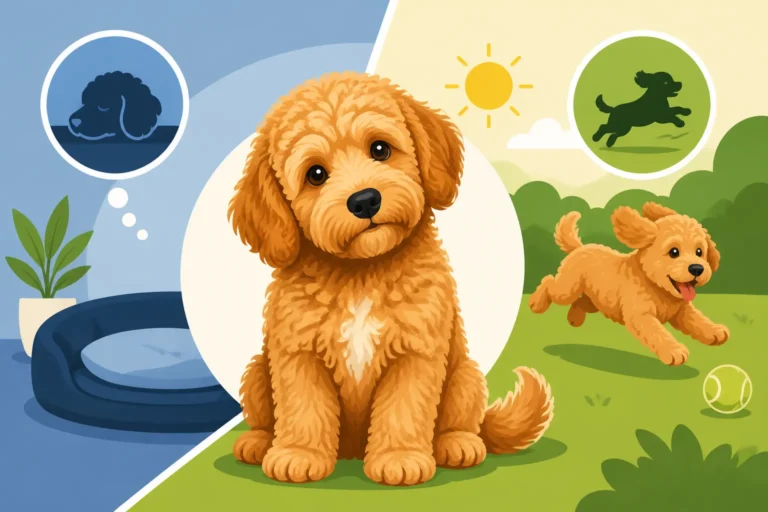
- Staying Active, But Gently: Regular, gentle exercise is important for maintaining muscle tone, healthy circulation, and overall well-being. Good circulation ensures that nutrients reach the skin and hair follicles efficiently. Adapt walks to their energy levels and joint health, opting for shorter, more frequent strolls if needed.
- Supplements: Beyond diet, your vet might suggest specific supplements to support skin and coat health, such as additional fish oil, coconut oil, or supplements containing biotin or zinc. Always discuss supplements with your vet before introducing them to ensure they are appropriate and won't interact with any existing medications or conditions.
By understanding these changes and adapting your care, you can help your beloved senior Cockapoo remain comfortable, healthy, and happy, even if their magnificent curls soften a little over time.
Disclaimer
This article is for general informational purposes only and does not constitute professional advice. Laws, prices and regulations vary by location and change over time. Consult a qualified professional for guidance on your specific situation.