Whether a Cockapoo Should Wear a Snood
If you're a Cockapoo parent, you know the struggle: those beautiful, floppy ears are absolute magnets for everything messy. From dipping into dinner to dragging through muddy puddles on a walk, keeping them clean can feel like a losing battle, and the worry of ear infections is always in the back of your mind. This guide is here to dive deep into whether a snood is the practical solution you might be looking for to protect your beloved Cockapoo's ears and maintain their well-being.
The Unique Challenges of a Cockapoo's Ears
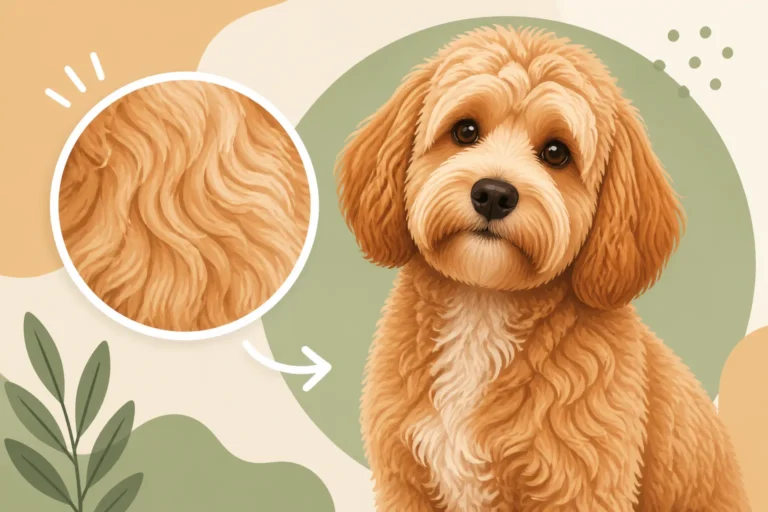
Let's face it, one of the most endearing qualities of a Cockapoo is often also one of its biggest challenges: those wonderfully soft, long, and often curly ears. While they add immense charm, they also come with a unique set of care considerations that many new owners might not anticipate. It's a tale as old as the breed itself, born from the blend of the Cocker Spaniel's luxurious ear furnishings and the Poodle's often abundant, curly coat.
Why Those Floppy Ears Get Into Trouble
The very design of a Cockapoo's ear, inherited primarily from the Cocker Spaniel side of their lineage, is a double-edged sword. They are pendulous, hanging low and framing that sweet face, but this also means they are perfectly positioned to act like tiny mops. Every mealtime becomes an exercise in ear management, as they inevitably dip into the food bowl, soaking up gravy or accumulating kibble crumbs. The same goes for water bowls; a quick drink can leave them dripping wet, creating a damp environment that’s less than ideal for skin health.
But it’s not just food and water. Think about your Cockapoo's natural curiosity and zest for life. Whether they're sniffing out an interesting scent in the tall grass, romping through fallen leaves, or digging enthusiastically in the yard, those ears are right there, gathering all sorts of debris. Burrs, twigs, dirt, mud – it all gets caught in the long, often curly hair that adorns their ears. This isn't just a cosmetic issue; it's a hygiene nightmare that can lead to discomfort and more serious problems down the line. The Poodle's influence often means their ear hair is thick and luxurious, providing even more surface area for grime to cling to, making the ears feel heavy and dirty. Owners often ask Whether a Cockapoo's Ear Feathering Traps Damp, and the answer is a resounding yes, which contributes significantly to the problem.
Beyond Just Mess – Health and Comfort Concerns
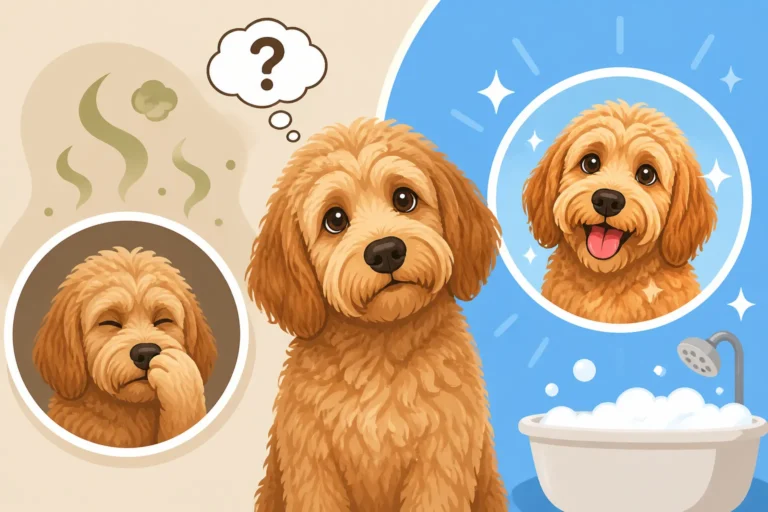
The constant exposure to moisture and debris isn't just unsightly; it creates a prime breeding ground for bacteria and yeast. Cockapoos, like their parent breeds, can be prone to ear infections, and damp, dirty ears are a major contributing factor. You might notice your dog shaking their head, scratching at their ears, or a foul odor emanating from the ear canal – all classic signs of an infection brewing. These infections can be incredibly painful for your dog and frustrating for you, often requiring vet visits, expensive medications, and diligent cleaning routines. If you find your Cockapoo scratching their ears a lot, it’s worth considering Whether Ear Infections Mean a Cockapoo Has Allergies as well, as underlying allergies can exacerbate ear issues.
Beyond infections, the hair around and inside a Cockapoo's ears can matt easily. When food, water, and outdoor grime get tangled in that soft, often curly coat, it can quickly form painful mats right at the base of the ear or along the ear leather. These mats pull on the skin, causing irritation and discomfort. In severe cases, they can even restrict blood flow or hide skin problems underneath. The skin inside and around a Cockapoo's ears is delicate, and prolonged dampness or irritation can lead to rashes, sores, or chronic itching. It's a battle to keep those ears not just clean, but truly healthy and comfortable for your furry friend, especially as they get older and their ear canals might change. You might even wonder Whether a Cockapoo's Ear Canal Narrows With Age, which can further complicate cleaning and air circulation.
What Exactly is a Snood and How Does it Work for a Cockapoo?
Given the ongoing saga of Cockapoo ear care, it's no surprise that many owners seek out practical solutions. This is where the humble snood often enters the conversation. Far from being just a fashion accessory, a snood is a practical piece of equipment designed specifically to address the challenges posed by long-eared breeds.
Understanding the Snood Design and Purpose
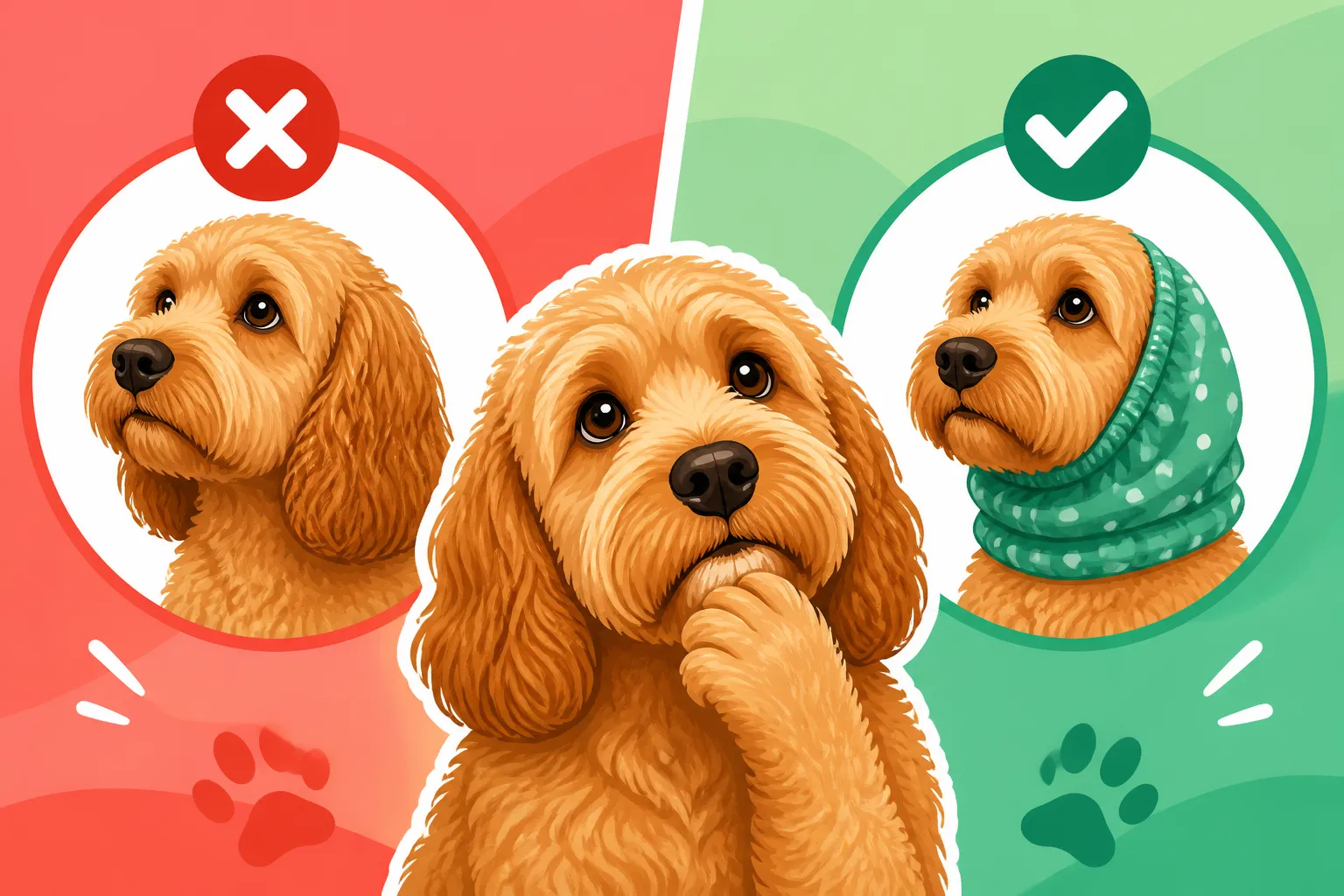
At its core, a snood is a simple tubular piece of fabric, typically made from a soft, stretchy, and breathable material. Think of it like a headscarf for dogs, but instead of wrapping, it slides over their head, encompassing their ears and holding them neatly back and up. Most snoods feature elasticized openings at both ends – one to fit snugly around the dog's neck, and the other to secure just behind the head, keeping the ears contained within the fabric tube.
The primary purpose of a snood is straightforward: to act as a protective barrier. It physically prevents your Cockapoo's long ears from dipping into their food or water bowls, from brushing against muddy terrain, or from getting tangled in burrs and leaves during outdoor adventures. By keeping the ears clean and dry, a snood helps to mitigate the risk of ear infections, reduce matting, and generally promote better ear hygiene. You'll find them in various materials, from lightweight mesh ideal for warm weather or active play, to thicker fleece for added warmth in cold climates, or even water-resistant fabrics for rainy walks. Different lengths and widths are also available to accommodate the various sizes of Cockapoos, from a tiny Toy to a robust Maxi.
When and Why a Snood Can Be a Game-Changer
A snood might seem like a small item, but for many Cockapoo owners, it proves to be an absolute game-changer in several key scenarios:
- Mealtime Protection: This is perhaps the most common reason owners turn to snoods. If your Cockapoo is a messy eater, or if you feed them wet food, raw meals, or anything with gravy, their ears are almost guaranteed to end up looking like they've had a second helping. A snood lifts and holds their ears out of the bowl, ensuring they stay clean and dry throughout the meal. This is particularly helpful if you feed specialized diets, like fresh food options from services such as Ollie, which can be quite moist and prone to getting stuck in ear hair.
- Outdoor Adventures: Whether your Cockapoo loves to explore the woods, dart through tall grasses in a field, or splash through puddles, their ears are vulnerable. A snood provides a barrier against burrs, foxtails, twigs, mud, and excessive moisture. It helps keep their beautiful ear feathering clean and tangle-free, reducing the amount of post-walk cleanup and preventing painful matting. It also offers a bit of protection from the elements, like cold wind or light rain, though it's not a substitute for proper rain gear.
- Grooming Aid: Even if you're not battling daily messes, a snood can be incredibly useful during grooming sessions. It keeps those long ears out of the way when you're brushing their face, cleaning around their eyes, or trimming their muzzle hair. After a bath, a lightweight snood can help keep the ears from flopping back into the water or getting in the way of the dryer, ensuring they dry thoroughly and evenly. When it comes to the intricate process of grooming a curly-coated Cockapoo, where every minute counts, you might appreciate any tool that makes the job easier, especially considering How Many Minutes a Curly Cockapoo Takes for a full groom.
- Specific Health Needs: For Cockapoos prone to ear hematomas (blood blisters on the ear flap) or those recovering from ear surgery, a snood can offer a gentle way to keep the ears protected and prevent further injury. It can also help keep topical medications contained on the ears, preventing them from being rubbed off too quickly. While Cockapoos often have better ear ventilation than some purebred Cocker Spaniels, they are not entirely immune to ear issues, and some owners might find it comforting to know if Whether a Cockapoo's Ears Are Better Than a Cocker's is a factor for them. If ear health is a constant concern, preventing extra moisture and debris can go a long way.
Choosing the Right Snood and Introducing It to Your Cockapoo
So, you're convinced a snood might be worth trying for your Cockapoo. Great! But with so many options out there, how do you pick the right one, and more importantly, how do you get your furry friend to actually wear it without a fuss? It’s all about careful selection and positive introduction.
Key Considerations for Selection
Just like buying a new outfit for yourself, choosing a snood isn't a one-size-fits-all situation. Here's what to keep in mind:
- Size Matters Immensely: This is paramount. A snood that's too tight will be uncomfortable, potentially restrict circulation, and your Cockapoo will likely try to paw it off immediately. One that's too loose will just fall off or allow the ears to slip out, defeating its purpose. You'll need to measure your Cockapoo's head circumference (around the forehead and under the chin, where the top opening will sit) and their neck circumference (where the bottom opening will sit). You'll also want to consider the length needed to fully encompass their ears. Most manufacturers provide sizing charts, so always double-check. Don't assume a "small" snood will fit all "small" dogs; Cockapoos come in various sizes from Teacup to Maxi, and their head shapes can differ.
- Material and Breathability: Think about when and where your Cockapoo will wear the snood.
- For meals: A simple, easily washable cotton or polyester blend works well.
- For outdoor activity in warmer weather: Opt for lightweight, breathable mesh or a thin, moisture-wicking fabric to prevent overheating.
- For colder weather: A fleece or thicker knit might offer a bit of warmth, but still prioritize breathability. Remember, you don't want to create a sweaty environment that could contribute to ear issues.
- Durability and Construction: Cockapoos are active, playful dogs. A well-made snood will have reinforced stitching, especially around the elasticized openings, to withstand regular use and washing. Look for soft, non-abrasive elastic that won't dig into their skin.
- Ease of Cleaning: Because snoods are designed to catch messes, they will get dirty. Choose a material that is machine washable and quick-drying. Having a couple of snoods on hand means you always have a clean one ready to go.
- Where to Buy: You can find a wide variety of snoods from online retailers like Amazon, dedicated pet supply stores like Chewy, or even independent craftspeople who specialize in dog accessories. Reading reviews from other long-eared dog owners can often provide valuable insights into fit and quality.
Making the Snood a Positive Experience
Introducing any new item to your dog can sometimes be met with skepticism or even outright rejection. The key to snood success with your Cockapoo is patience, positive reinforcement, and making it a comfortable experience.
- Start Slowly and Positively: Don't just yank the snood on and expect acceptance. Let your Cockapoo sniff the snood. Offer high-value treats and praise simply for being near it.
- Short Sessions First: Gently slide the snood over their head for just a few seconds, immediately followed by a treat and enthusiastic praise. Then take it off. Gradually increase the duration over several days or weeks.
- Associate with Good Things: Put the snood on just before a favorite activity (like mealtime, if that's when you plan to use it, or before a short play session). This helps them associate the snood with something positive they enjoy.
- Supervise Closely: Especially in the beginning, never leave your Cockapoo unsupervised while they're wearing a snood. They might try to paw it off, get it caught on something, or even try to chew it, which could be a choking hazard. Observe their reaction; if they seem genuinely distressed or uncomfortable, take it off and try again later, or re-evaluate the fit.
- Comfort is Key: If your Cockapoo is constantly trying to remove the snood, it might be uncomfortable. Check the fit – is it too tight around the neck or behind the head? Is the material irritating their skin? Could it be too warm? Ensure their whiskers aren't being pushed uncomfortably.
- Make it a Routine: Once your Cockapoo is comfortable, incorporate the snood into a consistent routine. For example, it goes on just before breakfast and comes off right after. This predictability helps them accept it as part of their daily life. Remember, positive handling is crucial for all aspects of their care, including Getting a Cockapoo Used to Ear Handling.
Potential Drawbacks and Alternatives to Snoods
While snoods can be a fantastic tool for many Cockapoo owners, they aren't a universal panacea. It's important to consider potential downsides and know that there are other effective strategies for ear care. Every dog is an individual, and what works wonderfully for one might be a source of irritation for another.
When a Snood Might Not Be the Best Fit
There are a few situations where a snood might not be the ideal solution for your Cockapoo:
- Discomfort or Aversion: Some dogs simply can't stand anything on their head, no matter how soft or well-fitting. If your Cockapoo consistently struggles, paws at it, or seems genuinely stressed despite your best efforts at positive reinforcement, forcing the issue isn't fair to them. Their comfort and emotional well-being should always come first.
- Overheating Risk: In very warm climates or during strenuous exercise, a non-breathable snood can trap heat around your dog's ears and head, leading to overheating. Always choose a lightweight, breathable material for warm weather use, or skip it entirely if your dog is prone to getting hot.
- Supervision Required: As mentioned, snoods are generally not meant for unsupervised, prolonged wear. They can get snagged, twisted, or chewed, posing potential hazards. If you need ear protection for extended periods when you can't supervise, a snood might not be the safest choice.
- Improper Fit: A snood that doesn't fit correctly can cause more problems than it solves. Too tight, and it can chafe or restrict; too loose, and it's ineffective and could become a tripping hazard or easily slip off. Ensure you've measured accurately and tested the fit thoroughly.
Other Strategies for Ear Care and Hygiene
If a snood isn't working out, or if you simply prefer other methods, there are plenty of effective ways to keep your Cockapoo's ears clean and healthy:
- Regular Grooming and Trimming: This is probably the most crucial step. Keeping the hair on and around your Cockapoo's ears trimmed relatively short can dramatically reduce the amount of debris and moisture they pick up. A good groomer can offer a "sanitary clip" around the ears, or you can learn to do it yourself with safety in mind. This also helps prevent painful matting that so often plagues long-eared breeds. For many owners, the battle with mats is real, and proactive trimming can save hours of brushing. The Weekly Hours Each Cockapoo Coat Type Takes can vary significantly based on how you manage their ear and body hair.
- Diligent Wiping and Drying: After every meal, a quick wipe of the ear tips with a damp cloth can remove food residue. After walks in wet or muddy conditions, use a towel to gently but thoroughly dry their ears. This simple act can prevent a lot of problems. Pay special attention to the underside of the ear flap where moisture can linger.
- Routine Ear Cleaning Solutions: Your veterinarian can recommend a gentle, pH-balanced ear cleaning solution for regular use. These solutions help break down wax, dry the ear canal, and prevent bacterial or yeast overgrowth. Consistency is key here; a quick weekly cleaning can make a huge difference. Never use cotton swabs deep inside the ear canal, as this can push debris further in.
- Elevated Feeders: For mealtime messes, simply raising your Cockapoo's food and water bowls can often do the trick. Elevated feeders bring the bowl closer to your dog's mouth, reducing the angle at which their ears might dip into the food. You can find many stylish and practical options from retailers like Chewy that will blend seamlessly into your home.
- Ear Banding/Tying: For dogs with exceptionally long ear feathering, some owners gently band or tie back the ear hair temporarily during meals or specific activities. This should only be done with soft hair ties and for very short periods, always under supervision, to avoid causing any discomfort or damage to the delicate hair and skin.
- Addressing Underlying Issues: If your Cockapoo frequently suffers from ear infections, there might be an underlying issue at play, such as allergies (food or environmental), excessive hair growth deep in the ear canal, or a narrower-than-average ear canal. Regular veterinary check-ups are essential to identify and manage these conditions. Sometimes, changes in diet might even impact their ear health and skin oiliness, a concern often pondered as Whether a Cockapoo's Coat Sits Greasy or Dry or What a Cockapoo's Skin Smell Means.
Ultimately, whether a snood is right for your Cockapoo depends on your dog's temperament, your lifestyle, and the specific challenges you face with their ear care. It's one tool in a comprehensive approach to keeping those beautiful, floppy ears healthy, clean, and comfortable for years to come.
Disclaimer
This article is for general informational purposes only and does not constitute professional advice. Laws, prices and regulations vary by location and change over time. Consult a qualified professional for guidance on your specific situation.