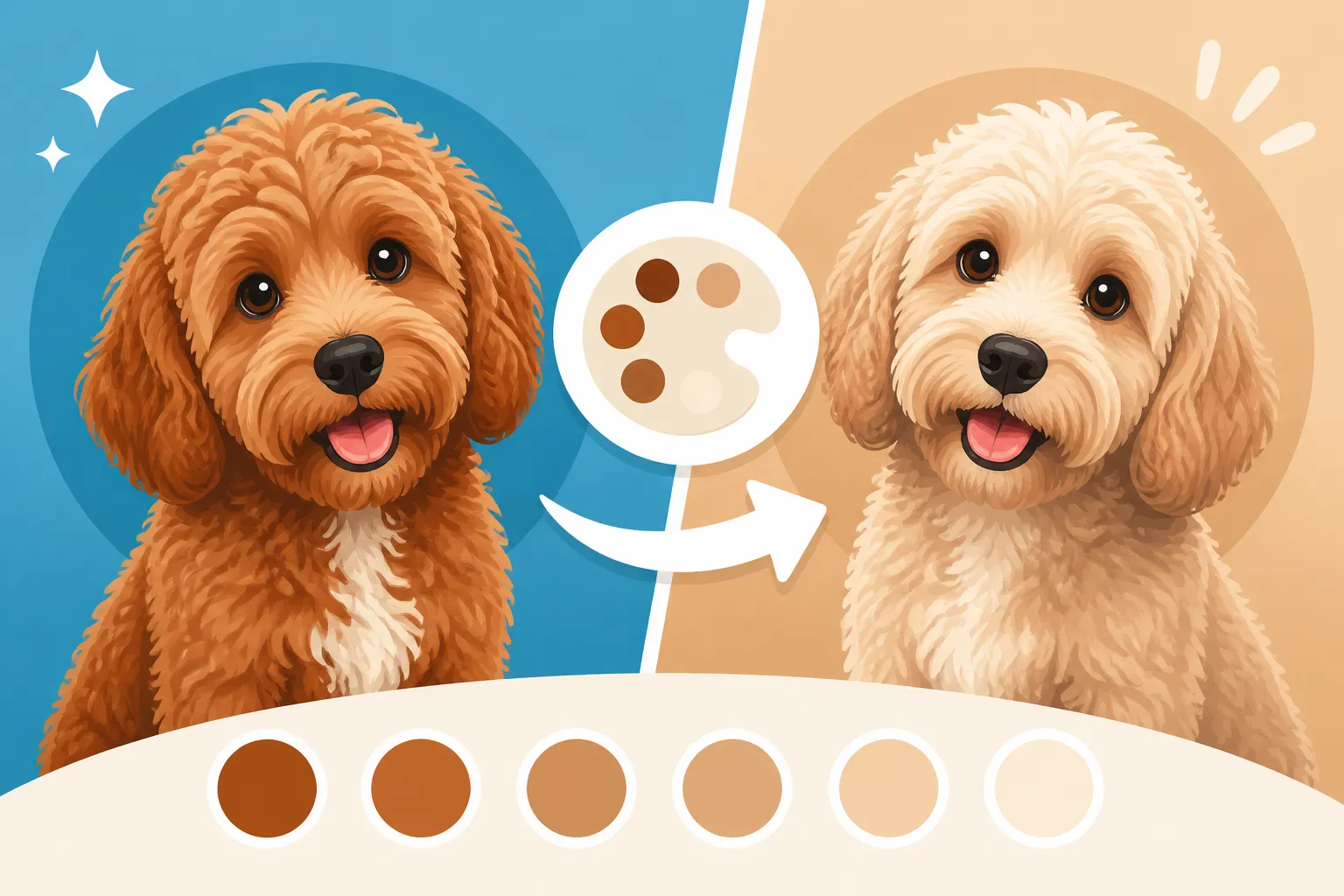
Whether a Cockapoo’s Color Fades With Age
It’s a common experience for Cockapoo owners, isn’t it? You bring home this adorable, vibrant fluffball, perhaps a rich chocolate or a fiery red, and you fall head over heels. Then, seemingly overnight, or perhaps over the course of a few months, you start to notice a subtle shift. That deep cocoa hue starts to look a bit more like café au lait, or that brilliant red takes on a distinctly apricot, even cream, tint. It can be quite a shock, leaving you wondering if you've done something wrong or if this is just part of the Cockapoo journey. This guide is here to shed some light on why your Cockapoo's beautiful coat color might be fading with age, what’s normal, and how to best care for their ever-changing locks.
The Fascinating Genetics Behind a Cockapoo's Changing Coat Color
When we talk about a Cockapoo's coat color, we're really diving into a complex world of genetics inherited from both the Cocker Spaniel and the Poodle side of their family tree. Both parent breeds carry a fascinating array of genes that dictate not just their base color, but also how that color will express itself and change over time. It's a bit like a genetic lottery, and sometimes, the fading gene hits the jackpot.
The "G" Locus and Progressive Graying
One of the primary culprits behind a Cockapoo's fading coat is often linked to what geneticists refer to as the "G" locus, or the progressive graying gene. This gene is particularly prevalent in Poodles, and if your Cockapoo inherits a copy of it, their coat color can lighten significantly as they mature. It's not truly graying in the same way human hair goes gray, but rather a dilution of their original pigment. Think of it more as a gradual fading rather than a salt-and-pepper look.
For example, a black Cockapoo puppy with the graying gene might mature into a sleek silver or a deep blue-gray. A rich brown or chocolate pup could transform into a lighter cafe au lait, or even a pale silver beige. This isn't a flaw; it's just how their genetics are designed to unfold. This change typically isn't immediate but can become noticeable anywhere from around six months to two years of age, sometimes even later. It’s important for breeders to be aware of this gene, as it can significantly alter the adult appearance of a puppy that was originally a stunning, dark color. What the Curl Gene Does in a Cockapoo also plays a role in how the coat looks and feels, but the G locus is all about the color itself.
Other Dilution Genes and Pigment Factors
Beyond the "G" locus, there are other dilution genes and pigment factors that can influence a Cockapoo's coat color. For instance, some Poodles carry genes that can dilute red or apricot pigments to a lighter cream. If a Cockapoo inherits these genes, that vibrant "fox red" puppy you picked out might soften into a lovely apricot or even a pale blonde as they grow. It’s a completely natural process, and it doesn't indicate any health issues. These genetic nuances are what make predicting an adult Cockapoo's final color a bit of an art, even for experienced breeders. Understanding these genetic possibilities can help you appreciate the unique journey of your own Cockapoo's coat.
Common Cockapoo Color Changes and What to Expect
It's truly a marvel to watch a Cockapoo's coat evolve, and while it might be surprising, these color shifts are often a normal part of their development. Knowing what to generally expect can help you anticipate these changes and understand that they're not a cause for concern.
Black to Blue or Silver
If your Cockapoo started life as a jet-black bundle of joy, you might be surprised to see them transform into a beautiful blue-gray or even a shimmering silver. This is a very common fading pattern, especially in Cockapoos with Poodle lineage that carries the progressive graying gene. The black pigment, called eumelanin, doesn't disappear entirely, but rather becomes diluted, giving it that softer, almost smoky appearance. This can start showing up subtly around the face and paws first, often around the time they hit The Coat Change That Ambushes a Cockapoo Owner at Ten Months.
You might notice it first as a slight silvering around their muzzle, which then gradually spreads across their body. It's a gorgeous transformation, resulting in a dog that looks quite different from its puppy pictures, but no less charming. This change is entirely genetic and nothing you can influence with diet or sunshine, although prolonged sun exposure can make any color look a little more faded over time.
Chocolate to Cafe Au Lait or Silver Beige
Similarly, if your Cockapoo was a deep, rich chocolate as a puppy, don't be alarmed if they transition into a lighter café au lait or even a unique silver beige. This is another classic example of the progressive graying gene at work on a brown base coat. Just as black fades to blue/silver, chocolate can fade to these softer, creamier tones.
The initial stages might be hard to spot, but eventually, you'll see that deep brown hue soften into a lighter, milky coffee shade. Sometimes, the tips of the hair might retain a darker shade, giving a lovely multi-tonal effect. This transition typically becomes more evident as they move past puppyhood and into adolescence, often settling into their adult color by A Cockapoo's Coat at Eighteen Months. It’s a distinctive look that many owners adore, highlighting the unique genetic blend of the Cockapoo.
Red/Apricot to Cream or White
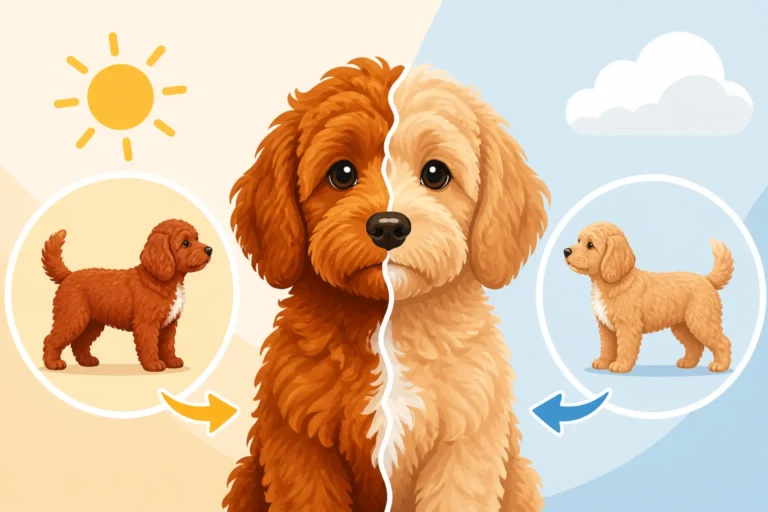
Perhaps one of the most frequently observed color changes is the fading of red and apricot coats to a lighter cream or even almost white. Many Cockapoos that are born with vibrant red or dark apricot coats will lighten considerably as they grow. This isn't just about the graying gene; it's also related to pheomelanin, the pigment responsible for red and yellow tones, which can naturally weaken over time due to various genetic factors.
A bright red puppy could end up as a lovely apricot, a pale gold, or a soft cream. This fading can be particularly noticeable on areas exposed to the sun, leading some owners to wonder Whether a Red Cockapoo Bleaches Out. While sun can play a minor role, the primary driver is genetics. It’s quite normal, and while you might miss that intense puppy red, their lighter adult coat is often just as beautiful and unique.
Here's a quick overview of common Cockapoo colors and their typical fading patterns:
| Original Puppy Color | Common Fading Pattern | General Age of Onset (approx.) | Primary Genetic Influence |
|---|---|---|---|
| Black | Blue, Silver, Gray | 6 months – 2 years | G Locus (graying gene) |
| Chocolate | Cafe Au Lait, Silver Beige, Parchment | 6 months – 2 years | G Locus (graying gene) |
| Red | Apricot, Cream, Blonde | 6 months – 1.5 years | Progressive fading genes |
| Apricot | Cream, Pale Gold | 6 months – 1.5 years | Progressive fading genes |
| Cream/White | Generally stable | N/A | N/A |
| Phantom/Parti | Base colors may fade as above | Varies | G Locus, progressive genes |
Factors Beyond Genetics That Influence Coat Color
While genetics certainly hold the strongest hand in determining if and how your Cockapoo's coat color will fade, there are a few environmental and lifestyle factors that can play a supporting role. These aren't usually the primary drivers of major color shifts, but they can certainly influence the vibrancy and appearance of their fur.
Sun Exposure and "Bleaching"
Just like our hair can lighten in the sun, a Cockapoo's coat can experience a similar effect. Prolonged exposure to sunlight, especially for darker coated dogs like blacks and chocolates, can cause the pigments in their hair to break down slightly, leading to a "sun-bleached" look. This might manifest as reddish or rusty tones appearing in a black coat, or lighter streaks in a chocolate one. For red and apricot Cockapoos, intense sun can accelerate the natural fading process, making them appear even lighter or more bleached out.
This isn't necessarily a bad thing, and it doesn't harm their health, but it's something to be aware of if you spend a lot of time outdoors with your pup. If you're concerned about excessive sun exposure, especially in summer, consider walks during cooler parts of the day or providing shaded areas in your yard. While you can't stop genetic fading, you can certainly minimize additional sun-induced lightening.
Diet and Nutritional Support
Believe it or not, your Cockapoo's diet can have an impact on the health and luster of their coat, which in turn can affect how vibrant their color appears. A diet lacking in essential nutrients, particularly fatty acids like Omega-3 and Omega-6, can lead to a dull, dry coat that might look less vibrant than it should. While diet won't reverse genetic fading, a high-quality, balanced diet can certainly support optimal coat health, making the color they do have shine.
Many premium dog food brands, like Ollie, focus on fresh, whole ingredients that are packed with nutrients beneficial for skin and coat. You might also consider supplements. For example, some owners find that adding fish oil or other omega supplements can really boost their Cockapoo's coat condition. Brands available on Amazon or Chewy offer a wide range of coat-enhancing supplements. Whether Omega Oils Help a Cockapoo's Coat is a common question, and for good reason – they truly can make a difference in the overall health and shine, even if the color itself is genetically programmed to fade.
Grooming Products and Practices
The shampoos, conditioners, and other grooming products you use can also have a subtle effect on your Cockapoo's coat appearance. Some harsh shampoos can strip natural oils, leading to a duller coat. Conversely, specialized color-enhancing shampoos are available, though their effectiveness on genetically fading coats is often minimal; they work best to brighten existing color or remove yellowing.
It's crucial to use products formulated for dogs, as human products can disrupt their skin's pH balance. Regular brushing is also important, as it distributes natural oils and removes dead hair, which can contribute to a healthier, more vibrant-looking coat. Maintaining good grooming practices, as detailed in The Three Cockapoo Coat Types and Their Upkeep, ensures that whatever color your Cockapoo ends up with, it looks its absolute best.
Living with a Changing Coat: Care and Acceptance
Embracing the natural evolution of your Cockapoo's coat color is a big part of being a Cockapoo parent. Their changing hues are just another unique aspect of their charm, and with the right care and a healthy dose of acceptance, you'll find their evolving beauty just as captivating as their puppy coat.
Embracing the Natural Progression of Color
It’s completely normal to feel a little wistful for that original puppy color, especially if it was particularly striking. However, seeing your Cockapoo’s coat change from a deep black to a smoky silver, or a fiery red to a soft apricot, is a testament to their unique genetic makeup. This natural progression doesn't mean anything is wrong; it simply means your dog is maturing as intended. Often, these adult colors are incredibly beautiful and distinctive, making your Cockapoo truly one-of-a-kind.
Instead of fighting the fade, try to appreciate the subtle shifts and new tones that emerge. Many owners come to love the sophisticated silvers, creamy caramels, or muted blues that their Cockapoos develop. It's a journey, and their coat color is just one more wonderful part of their story. This is part of the broader discussion of Whether a Cockapoo's Adult Coat Comes In a Different Color and just how much change can occur.
Grooming for a Healthy, Vibrant Coat
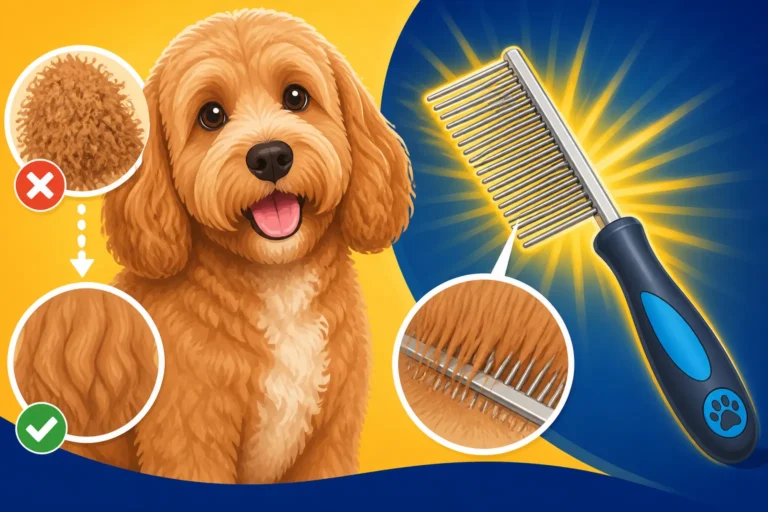
Regardless of whether your Cockapoo's color is fading or holding strong, proper grooming is paramount for maintaining a healthy and vibrant coat. Regular brushing is your first line of defense against mats and tangles, which can make any coat look dull and poorly cared for. Aim to brush your Cockapoo several times a week, or even daily for curlier coats, using a good slicker brush and a metal comb to get down to the skin. You can find excellent grooming tools from retailers like Chewy or Amazon.
Bathing, too, plays a role. While you don't want to over-bathe and dry out their skin, using a high-quality shampoo and conditioner appropriate for their coat type can keep their fur clean, soft, and shiny. For those with fading coats, a gentle, moisturizing shampoo can help maintain overall coat health, even if it won't prevent the genetic color change. Professional grooming every 6-8 weeks is also essential, not just for styling, but for thorough cleaning, dematting, and skin health. What an Improper Coated Cockapoo Looks Like often requires specific grooming attention too, so it's always good to be prepared.
When to Consult Your Vet
While most color fading is a benign genetic trait, there are rare instances where a change in coat color or quality could signal an underlying health issue. For example, significant hair loss, skin irritation, changes in skin color, or a sudden, dramatic shift in coat texture alongside lethargy or other symptoms could be indicative of conditions like thyroid issues or other dermatological problems.
If you notice any unusual symptoms accompanying the color change, such as excessive scratching, flakiness, or a dull, brittle coat, it’s always best to consult your veterinarian. They can rule out any medical conditions and provide guidance on how to support your Cockapoo's skin and coat health. In most cases, however, the fading you observe is simply a beautiful, natural part of your Cockapoo's unique development. Skin and Coat Disease in a Cockapoo is an important topic, and being vigilant about changes in your dog's skin and fur is part of being a responsible owner.
Disclaimer
This article is for general informational purposes only and does not constitute professional advice. Laws, prices and regulations vary by location and change over time. Consult a qualified professional for guidance on your specific situation.