Whether Testing Both Parents Predicts the Litter
It's completely understandable to want as much certainty as possible when you're looking for a new Cockapoo puppy. We all dream of that perfect furry companion, and when it comes to health and traits, you might wonder if thoroughly testing both parent dogs gives you a crystal ball glimpse into the future of an entire litter. You're not alone in hoping that a clear bill of health for Mom and Dad means smooth sailing for all the puppies, but the reality of canine genetics, while incredibly helpful, isn't always a straightforward, one-to-one prediction for every single characteristic. This guide will explore exactly what parent testing can and cannot predict for a Cockapoo litter, helping you understand the valuable insights it offers and where the nuances of genetics come into play.
The Basics of Genetic Testing for Cockapoo Parents
When you're looking at bringing a Cockapoo into your life, the sheer joy of puppyhood can sometimes overshadow the critical importance of health. That's why responsible breeders invest in genetic testing for their breeding dogs. They're not just doing it for fun; they're trying to stack the deck in favor of healthy puppies, and a big part of that involves understanding what genetic predispositions their parent dogs carry.
Understanding the "Why" Behind Parent Testing
Think about it: Cockapoos are a cross between Cocker Spaniels and Poodles. Both of these fantastic breeds, like all purebreds, have certain health conditions that are more prevalent in their lines, many of which are inherited. Familial Nephropathy (FN) from the Cocker Spaniel side or Progressive Retinal Atrophy (prcd-PRA) and Phosphofructokinase (PFK) Deficiency from the Poodle side are just a few examples. Without parent testing, a breeder would essentially be guessing at the genetic health of their breeding stock.
The "why" is about reducing risk. It's about proactive care and ethical breeding. When breeders test their dogs, they gain invaluable knowledge about which genetic conditions their dogs might pass on. This knowledge allows them to make informed decisions about pairings, aiming to produce puppies that are "clear" of known genetic diseases, or at the very least, understand the probabilities involved. It’s a huge step towards ensuring that the puppy you bring home has the best possible start and a long, healthy life, saving you heartache and potentially significant vet bills down the line. Whether an Untested Cockapoo Litter Is a Gamble really highlights the importance of this step.
What Common Genetic Tests Cover for Cockapoos
For Cockapoos, genetic testing typically focuses on conditions prevalent in both Cocker Spaniels and Poodles. These tests are usually DNA-based, meaning a simple cheek swab or blood sample can reveal a dog's genetic status for a specific disease.
Here are some of the common tests you'll find breeders running:
- Progressive Retinal Atrophy (prcd-PRA): This is a serious eye condition that can lead to blindness. Both Cocker Spaniels and Poodles can carry the gene. The test tells a breeder if their dog is clear, a carrier, or affected. A carrier parent, when bred with another carrier, can produce affected puppies. You might recall seeing breeders emphasize Whether Both Cockapoo Parents Must Be prcd-PRA Clear for good reason.
- Familial Nephropathy (FN): Predominantly found in Cocker Spaniels, FN is a kidney disease. The FN DNA Test a Cockapoo Breeder Runs can identify if a dog carries the gene for this debilitating condition.
- Phosphofructokinase (PFK) Deficiency: This affects a dog's ability to produce energy, leading to exercise intolerance and other symptoms. It's inherited from the Poodle side. Understanding What PFK Deficiency Does to a Cockapoo is crucial for affected dogs' quality of life.
- Von Willebrand's Disease (vWD): A bleeding disorder that can be present in Poodles.
- Degenerative Myelopathy (DM): A progressive neurological disease, also found in Poodles.
- Coat Trait Panels: Beyond health, some breeders also test for coat characteristics like the furnishings gene (FGF5/RSPO2) and curl gene (KRT71). These tests help predict whether a puppy will have the classic "doodle" look with furnishings and a curly or wavy coat, or if it might be an "improper coat" and shed more. What RSPO2 Testing Tells a Cockapoo Breeder and What KRT71 Says About a Cockapoo's Curl are examples of these.
These DNA tests are incredibly accurate for the specific mutations they detect. When a breeder shows you certificates, like from laboratories such as Embark or Paw Print Genetics, they are providing concrete evidence of their breeding dogs' genetic health status for these conditions.
How Parental Results Influence Litter Predictions
This is where it gets really interesting – and sometimes a little complex! Knowing the genetic status of the parent dogs is like having a roadmap, but you still need to understand how those genes combine to predict what each puppy in the litter might inherit.
Predicting Simple Recessive Traits (like PRA or PFK)
Many of the genetic diseases we test for, like prcd-PRA, FN, or PFK Deficiency, are inherited in what's called an autosomal recessive pattern. This means a dog needs to inherit two copies of the faulty gene (one from each parent) to actually be affected by the disease.
Here's how it generally breaks down:
- Clear x Clear: If both parents are "clear" (meaning they don't carry any copies of the faulty gene), then 100% of their puppies will also be clear. This is the ideal scenario for a breeder for these specific conditions.
- Clear x Carrier: If one parent is "clear" and the other is a "carrier" (meaning they carry one copy of the faulty gene but are not affected themselves), then statistically, 50% of the puppies will be clear, and 50% will be carriers. None of the puppies will be affected.
- Carrier x Carrier: This is the breeding pairing that responsible breeders avoid for recessive diseases. If both parents are "carriers," then statistically, 25% of the puppies will be clear, 50% will be carriers, and critically, 25% will be affected by the disease. Why Two Carrier Parents Produce an Affected Cockapoo explains this in detail.
- Clear x Affected: If one parent is clear and the other is affected, 100% of the puppies will be carriers, but none will be affected.
- Carrier x Affected: If one parent is a carrier and the other is affected, 50% of the puppies will be carriers, and 50% will be affected.
- Affected x Affected: 100% of the puppies will be affected.
As you can see, for simple recessive traits, parent testing provides a very strong prediction for the genetic status of the litter. A breeder can, with high confidence, state that puppies from a "Clear x Clear" pairing will not be affected by that specific disease. This gives potential owners immense peace of mind. When you ask a breeder for The Five Certificates a Cockapoo Breeder Should Show, these genetic health clearances are paramount.
The Complexity of Polygenic Traits (like Hip Dysplasia or Coat Type)
Now, not everything is as straightforward as a simple recessive gene. Many traits, including complex health conditions and physical characteristics, are polygenic, meaning they are influenced by multiple genes, sometimes interacting with environmental factors.
- Hip Dysplasia and Elbow Dysplasia: These are common orthopedic issues in many breeds, including the parent breeds of the Cockapoo. While there's a strong genetic component, it's polygenic. This means a "clear" hip score (like an OFA or PennHIP rating) on both parents significantly reduces the risk of their puppies developing hip dysplasia, but it doesn't offer a 100% guarantee. There are many genes involved, plus environmental factors like diet, exercise, and growth rate, that also play a role. So, while parent testing for structural soundness (via x-rays, not DNA tests) is incredibly important for responsible breeding, it's about reducing risk, not eliminating it entirely.
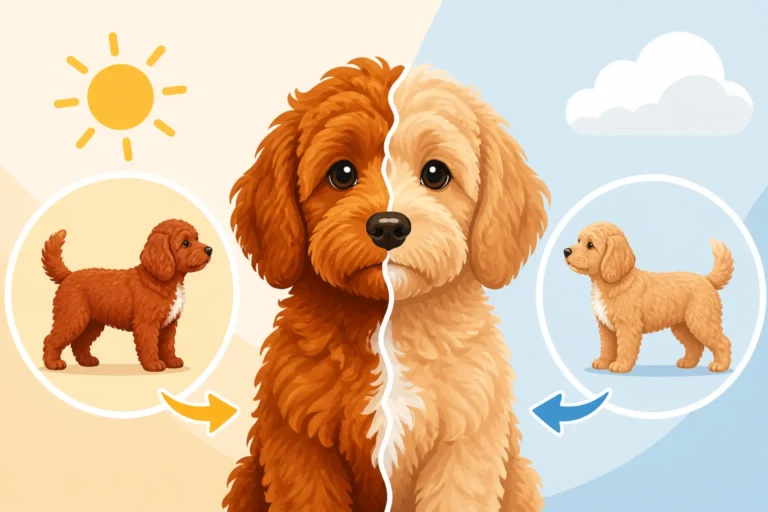
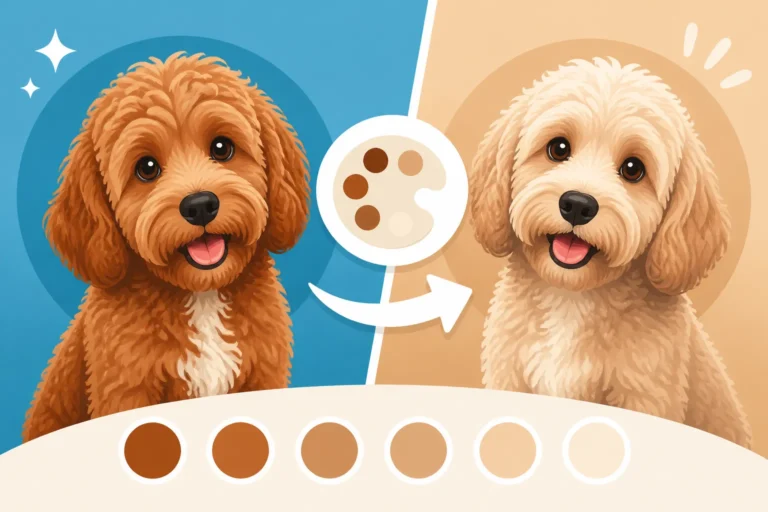
- Coat Type: Predicting a Cockapoo's exact adult coat can also be complex. While DNA tests like those for furnishings (RSPO2) and curl (KRT71) give breeders a very good idea of whether a puppy will be furnished (non-shedding "doodle" look) or have a flat coat (more like a Cocker, shedding), and the degree of curl, it's not always an exact science for the feel or texture of the coat. A puppy might have the genes for a wavy coat, but the density and softness can still vary. Whether a Breeder Can Guarantee a Cockapoo's Coat often boils down to understanding these genetic probabilities versus absolute certainties. Furthermore, things like color fading or darkening are influenced by different genetic modifiers. What a Cockapoo Coat Panel Actually Reports can give you a lot of information, but it still requires interpretation.
When Genetic Predictions Get Tricky: Incomplete Penetrance and Environmental Factors
Sometimes, even with genetic testing, there are nuances that make predictions less absolute.
- Incomplete Penetrance: This is a fancy term meaning that even if a dog has the genes for a certain trait or disease, it might not always express that trait or disease. The genetic predisposition is there, but other genetic or environmental factors might prevent it from fully manifesting. This is less common with the simple recessive diseases we test for, but it can occur with more complex genetic conditions.
- Environmental Factors: We can't talk about genetics without acknowledging the environment. A puppy with excellent genetic potential for healthy joints could still develop issues if it's over-exercised at a young age, fed an inappropriate diet, or experiences an injury. Similarly, a dog with a genetic predisposition to certain skin sensitivities might only show symptoms when exposed to specific allergens in their environment, or if their diet is poor (perhaps consistently getting subpar food, even from an otherwise good source like Chewy, if it's not the right kind of food for them). This is why a holistic approach to puppy care is always essential. Even the best genetics can be undermined by poor care, and conversely, excellent care can sometimes mitigate mild predispositions.
It's about probability and risk reduction. Genetic testing is a powerful tool, but it's one piece of a much larger puzzle.
| Trait Type | Example Conditions | Predictability from Parent Testing (General) | Notes |
|---|---|---|---|
| Simple Recessive | prcd-PRA, FN, PFK Deficiency, vWD | High (Clear x Clear = 100% Clear puppies) | Breeders can largely eliminate risk for specific diseases with careful pairings. |
| Polygenic (Health) | Hip Dysplasia, Elbow Dysplasia, Patellar Luxation | Moderate to High (Risk Reduction) | Influenced by multiple genes and environmental factors. Good parent scores reduce risk significantly. |
| Polygenic (Coat) | Furnishings (shedding), Curl (waviness), Color, Texture | Moderate to High | DNA tests for furnishings/curl are strong predictors. Texture/exact appearance can still have variability. |
| Complex/Environmental | Allergies, Behavioral Tendencies, Certain Cancers | Low to Moderate (Predisposition) | Strong genetic components but heavily influenced by environment, diet, stress, and epigenetics. |
Beyond Genetics: Other Factors Influencing a Cockapoo Litter
While genetic testing is a phenomenal tool for predicting inherited health conditions, it's crucial to remember that a puppy's entire future isn't solely written in its DNA. Many other factors come into play that influence the health, temperament, and overall development of a Cockapoo litter.
The Role of Breeder Knowledge and Experience
A truly responsible and knowledgeable breeder brings far more to the table than just running genetic tests, as essential as those are. Their experience shapes the puppies even before they're born and throughout their critical early weeks.
- Observing Phenotypes: Genetic tests tell us what's in the genes, but a breeder also observes the phenotype – the physical expression of those genes. How do the parent dogs actually move? Do they have good conformation? Are their temperaments sound? A Poodle with an excellent prcd-PRA status but a nervous, nippy disposition might not be a suitable breeding animal, regardless of its DNA. A breeder who has years of experience with Cockapoos can spot subtle signs of joint discomfort or unusual coat issues that might not be immediately apparent to an untrained eye.
- Health Certifications Beyond DNA: Beyond DNA tests, reputable breeders also perform physical examinations and certifications that evaluate the structural health of the parent dogs. This includes things like OFA (Orthopedic Foundation for Animals) certifications for hips, elbows, and patellas, and yearly CERF/CAER eye exams by a veterinary ophthalmologist. Asking for a Cockapoo's Eye Certificates is just as important as asking for DNA results, as some eye conditions aren't DNA-testable. These physical assessments provide a real-world picture of the parents' health.
- Temperament Assessment and Pairing: Genetics certainly influence temperament, but a breeder's role in choosing parent dogs with stable, friendly, and appropriate temperaments is paramount. They look at how each parent interacts with people, other dogs, and novel situations. A calm, confident Cocker Spaniel paired with a sociable, intelligent Miniature Poodle is more likely to produce a litter of puppies with those desirable traits than if one parent is overly shy or anxious. The goal isn't just health; it's also a wonderful, well-adjusted family pet.
- Early Puppy Care and Environment: The environment a puppy is raised in during its first 8-12 weeks is incredibly impactful. A good breeder provides a stimulating, clean, and loving environment. They implement early neurological stimulation (ENS), expose puppies to various sights, sounds, and textures, and begin foundational socialization. A puppy from genetically sound parents can still develop behavioral issues if it's raised in isolation or a chaotic, stressful environment. Conversely, a puppy with a slightly more challenging genetic predisposition might thrive with exceptional early care and a well-structured home environment. The kind of food the mother eats during pregnancy and while nursing, and the quality of food the puppies start on (whether it's premium kibble or a fresh food diet like Ollie), also play a role in their development.
The Importance of Early Puppy Rearing and Socialization
Once a puppy leaves the breeder and comes to your home, the journey of shaping its future continues in earnest. Your role in their continued development is massive.
- Nutrition: What you feed your Cockapoo puppy makes a huge difference to its growth, coat health, and overall well-being. High-quality food appropriate for their size and activity level is crucial. Just like a baby needs good nutrition to grow strong, a puppy needs it for proper bone and muscle development, a healthy immune system, and a gleaming coat. Resources like Chewy offer a vast array of quality foods, but choosing the right one for your specific Cockapoo is key.
- Socialization: The critical socialization window for puppies closes around 16 weeks. During this time, it's vital to expose your Cockapoo to a wide variety of people, places, sounds, and other friendly, vaccinated dogs. This helps them become confident, well-adjusted adults rather than fearful or reactive. Even with perfect genetics, a lack of proper socialization can lead to behavioral challenges.
- Training and Enrichment: Cockapoos are intelligent and active dogs who thrive on mental and physical stimulation. Consistent, positive reinforcement training, along with plenty of opportunities for play, exercise, and enrichment (think puzzle toys, scent games, and regular walks), will help them reach their full potential. You can find tons of training resources and products on Amazon to support this journey.
- Veterinary Care: Regular veterinary check-ups, vaccinations, parasite prevention, and prompt attention to any health concerns are foundational. Even the healthiest puppy needs ongoing preventive care.
- Grooming: A Cockapoo's beautiful coat, regardless of its specific curl pattern, requires consistent grooming to prevent matting and skin issues. Regular brushing and professional grooming appointments are non-negotiable for most Cockapoos. If ignored, coat issues can quickly lead to discomfort and vet visits, irrespective of the dog's genetic predisposition for a healthy coat. [The Monthly Cost of Grooming a Cockapoo] is something to factor in.
In essence, while parent testing provides an invaluable foundation of genetic health and insight into potential traits, it's the combination of sound genetics, responsible breeding practices, and diligent owner care that truly shapes the vibrant, healthy, and happy Cockapoo you welcome into your family. It's about giving them the best possible start, and then continuing that commitment throughout their life.
Disclaimer
This article is for general informational purposes only and does not constitute professional advice. Laws, prices and regulations vary by location and change over time. Consult a qualified professional for guidance on your specific situation.