Bathing a Cockapoo Whose Skin Is Greasy
There’s nothing quite like the feeling of running your hands through your Cockapoo’s soft, fluffy coat. It’s one of their most endearing qualities, isn’t it? But then, sometimes, you notice it – a greasy, slick feeling that just doesn't seem right. Maybe there's a faint, unpleasant odor, or their beautiful curls look a bit clumpy and dull. It’s a common frustration for many Cockapoo parents, and it leaves you wondering if you’re doing something wrong or if there’s a deeper issue at play. This comprehensive guide is here to walk you through understanding why your Cockapoo's skin might be getting greasy, how to effectively bathe them, and what steps you can take to keep their coat healthy and fresh.
Understanding Why Your Cockapoo's Skin Feels Greasy
When your beloved Cockapoo's fur starts to feel less like a soft cloud and more like a used frying pan, it's natural to feel a bit perplexed. It’s not just an aesthetic issue; greasy skin can be a sign of discomfort for your dog and might point to underlying concerns. Let's delve into the science behind it and common reasons why this happens.
The Role of Sebum in Healthy Skin and Hair
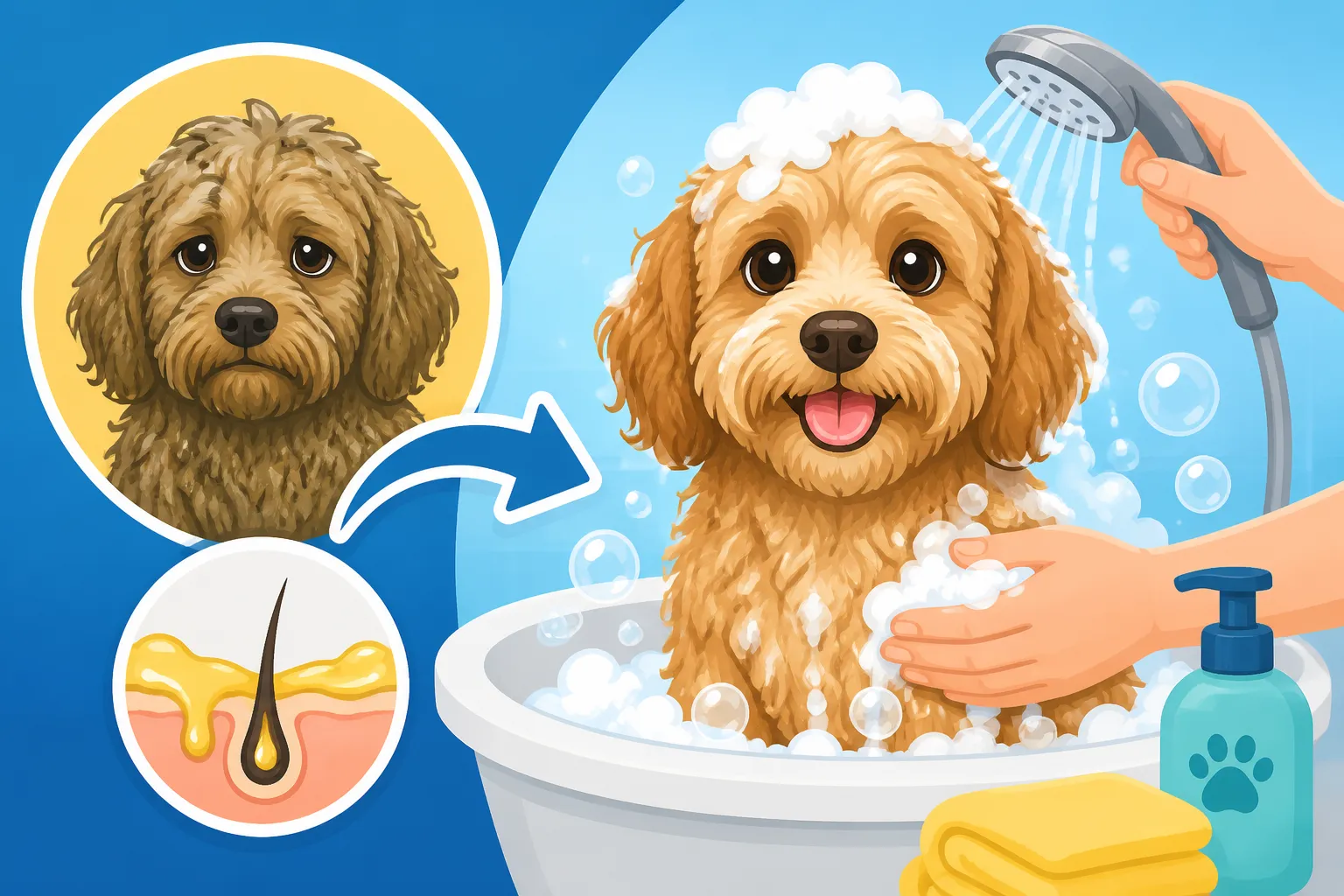
Every mammal, including your Cockapoo, has sebaceous glands in their skin that produce an oily, waxy substance called sebum. Think of sebum as your dog’s natural moisturizer and protective barrier. It’s crucial for keeping their skin hydrated, supple, and creating a barrier against environmental irritants and pathogens. Sebum also plays a vital role in keeping their hair shafts healthy and shiny, preventing them from becoming brittle and breaking.
Normally, sebum production is a finely tuned process. Just enough is released to lubricate the skin and coat without making it feel overtly oily. It helps maintain the skin's pH balance and acts as a natural waterproofing agent, giving their coat that healthy sheen. However, when these glands go into overdrive, producing too much sebum, that’s when you start to notice the unpleasant greasiness, often accompanied by a distinct, sometimes yeasty, odor. This excess oil creates an ideal breeding ground for bacteria and yeast, which can exacerbate skin issues and lead to further irritation or infections.
Common Causes of Greasy Skin in Cockapoos
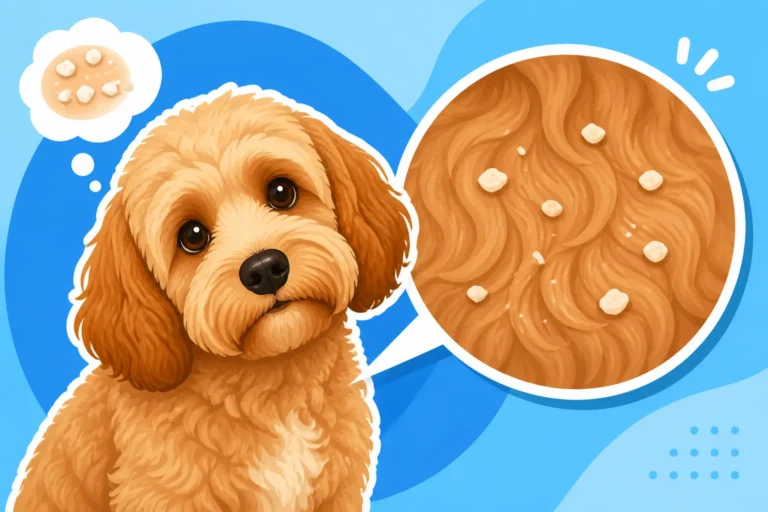
So, what causes this overproduction of sebum in our Cockapoos? It's rarely just one thing, but often a combination of factors. One of the most significant influences can be their genetics. Cockapoos inherit traits from both Cocker Spaniels and Poodles, and unfortunately, some lines within the Cocker Spaniel breed are predisposed to conditions that cause greasy skin, a condition known as seborrhea. If you're wondering Whether a Cockapoo's Skin Is Greasy Like a Cocker's, the answer is often yes, they can inherit that tendency. This isn't just about oily skin; it can involve excessive scaling or flaking too.
Beyond genetics, diet plays a huge role. A diet lacking in essential fatty acids or rich in fillers and artificial ingredients can throw your dog’s skin health out of whack. Environmental allergens like pollen, dust mites, or certain grasses can trigger an inflammatory response in your Cockapoo’s skin, leading to increased oil production as the skin tries to protect itself. Hormonal imbalances, such as those seen in conditions like Hypothyroidism in a Middle Aged Cockapoo, can also manifest as greasy skin and a dull coat. Even something as simple as using the wrong shampoo that strips the skin too aggressively can cause a rebound effect, where the sebaceous glands overcompensate by producing even more oil.
Distinguishing Between Normal Oiliness and a Problem
It’s important to understand that a certain level of oiliness is completely normal and healthy for your Cockapoo’s coat. Their hair should feel soft and slightly conditioned, not completely dry or squeaky clean. This natural oil helps protect their skin and keeps their unique coat type healthy. However, there’s a clear line between normal, healthy oils and problematic greasiness.
When your Cockapoo’s coat feels genuinely greasy to the touch, leaving a residue on your hands after petting, or appears clumpy, dull, and matted even shortly after a bath, that's a red flag. Normal oiliness doesn't typically come with a strong, unpleasant odor. If you start to notice a persistent, musky, or yeasty smell, particularly from areas like their ears, armpits, or groin, even after a bath, it's a strong indication of an issue. This is distinct from the regular doggy smell, which can be normal after a few days, but a pervasive, slightly sour aroma is often indicative of an overgrowth of yeast or bacteria thriving in that oily environment. This type of smell often leads owners to wonder Why a Cockapoo Can Smell Days After a Bath, and usually, it's related to this very issue. Pay attention to whether your Cockapoo is itching excessively, rubbing against furniture, or developing red patches, as these are all signs that the greasy skin is causing them irritation and discomfort.
Identifying the Signs of a Greasy Coat Problem
Sometimes, the greasiness isn't immediately obvious. It can build up subtly, and you might only notice it when you cuddle your Cockapoo or when their grooming routine seems less effective than usual. Being vigilant about the subtle cues your dog gives you can help address the problem before it escalates.
Visual and Tactile Clues of Excess Oil
The most straightforward way to detect a greasy coat problem is through observation and touch. Take a moment to really examine your Cockapoo’s fur. Does it look dull, rather than shiny and vibrant? Healthy Cockapoo coats, whether wavy or curly, should have a natural luster. If the hair appears stringy, clumpy, or matted more easily than usual, it’s a strong indicator of excess oil. You might even notice individual strands of hair sticking together, forming small, greasy clumps.
Run your fingers through their coat, especially along their back, behind their ears, and in their armpits. Does it feel sticky, slick, or oily? Does it leave a residue on your hands? In severe cases, the fur might even appear slightly yellowed or discolored, particularly on lighter-colored Cockapoos, due to the buildup of oil and dirt. The skin underneath might also look irritated, red, or flaky, which is a key sign that the excessive sebum is causing problems beyond just a greasy feel.
Odor and Other Unpleasant Symptoms
Beyond what you see and feel, what you smell is often the strongest indicator of a greasy coat issue. A healthy dog, even a week or two after a bath, shouldn't have a truly unpleasant odor. However, a Cockapoo with greasy skin often develops a distinct, strong, and sometimes yeasty or rancid smell. This odor can be pervasive, lingering even after a bath, and is usually most concentrated in areas where skin folds or moisture tends to accumulate, like the ears, between the paw pads, and in their armpits or groin. If you're constantly asking yourself Why a Cockapoo Can Smell Days After a Bath, excess sebum and secondary yeast or bacterial overgrowth are likely culprits.
Beyond the smell, your Cockapoo might be showing other signs of discomfort. Excessive itching, scratching, or licking of certain areas can point to skin irritation caused by the greasiness and subsequent microbial growth. You might observe them rubbing their back on furniture, rolling on the carpet more frequently, or chewing at their paws. In some cases, you might even notice small red bumps, pustules, or patches of hair loss, indicating a more advanced skin infection. These symptoms aren't just cosmetic; they represent real discomfort for your dog and need attention.
When to Consult Your Veterinarian
While a greasy coat can often be managed with the right bathing routine and products, there are times when it’s crucial to involve your veterinarian. If the greasiness is persistent, severe, or accompanied by other concerning symptoms, a vet visit is absolutely necessary. These symptoms include intense itching that leads to raw skin or hair loss, a foul odor that doesn't improve with bathing, redness, inflammation, pustules, or any signs of pain or discomfort.
Your vet can help rule out underlying medical conditions that might be causing the excessive oil production. Conditions like allergies (environmental, food-related), hormonal imbalances such as Hypothyroidism in a Middle Aged Cockapoo, parasitic infestations, or fungal/bacterial infections can all manifest as greasy skin. A vet can perform skin scrapings, blood tests, or allergy testing to get to the root of the problem. Treating the underlying cause is always more effective than just treating the symptoms. Ignoring persistent greasy skin could lead to chronic Skin and Coat Disease in a Cockapoo, which is much harder to resolve down the line. It's always better to be proactive and ensure your Cockapoo isn't suffering from something preventable or treatable.
Preparing for a Successful Greasy Skin Bath
Bathing a Cockapoo, especially one with a greasy coat, is more than just getting them wet and lathering up. Proper preparation is key to making the experience as stress-free and effective as possible for both of you.
Gathering the Right Tools and Products
Before you even think about turning on the tap, make sure you have everything you need within arm's reach. This will make the process smoother and prevent you from leaving a wet dog unattended to scramble for supplies. First, you'll need the right shampoo. For greasy skin, this isn't your everyday scented shampoo. Look for a degreasing shampoo specifically formulated for dogs with oily coats or seborrhea. These often contain ingredients like salicylic acid, coal tar, or benzoyl peroxide, which help to cut through grease and exfoliate the skin. Your vet might recommend a medicated shampoo if there’s a secondary infection, which you can often find at specialty pet stores or online retailers like Chewy or Amazon. Make sure it's a dog-specific product, as human shampoos can be too harsh and disrupt your Cockapoo's skin pH.
You’ll also need a good quality conditioner, but be selective. For greasy coats, a very light, hydrating conditioner might be applied only to the ends of the hair, avoiding the roots to prevent adding more oil. Gather several absorbent towels, a non-slip mat for the tub or sink to prevent slips and falls, and a high-velocity pet dryer if you have one (or a regular hairdryer on a cool setting). Don't forget treats for positive reinforcement!
Pre-Bath Grooming: Brushing and Dematting
This step is absolutely critical, perhaps even more so when dealing with a greasy coat. Never, ever put a Cockapoo with mats or tangles directly into water. Water will only tighten the mats, making them nearly impossible to remove without resorting to shaving, and can cause significant skin irritation underneath. A greasy coat is already prone to matting because the sticky oil causes hairs to clump together more easily.
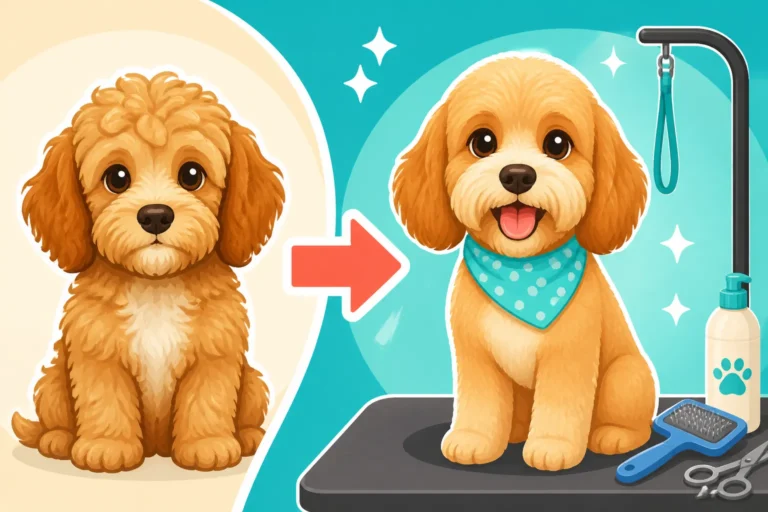
Before the bath, dedicate ample time to a thorough brushing session. Use a slicker brush and then a metal comb to work through every section of their coat, from the skin out. Pay particular attention to areas prone to matting, like behind the ears, armpits, flanks, and tail. If you encounter any mats, use a dematting spray and carefully work them out with a comb or a mat splitter. A full line brush is vital to ensure you get all the way down to the skin and prevent tangs from becoming pelts. If you're struggling with mats, learning Line Brushing a Cockapoo and Why the Top Coat Lies can be incredibly helpful for your routine. This pre-bath brush also helps to remove loose hair and dead skin, allowing the shampoo to penetrate more effectively.
Creating a Calm and Safe Bathing Environment
Bathing can be a stressful experience for some dogs, and your goal is to make it as positive as possible. Start by choosing a location that’s comfortable for both of you – a utility sink for smaller Cockapoos or a walk-in shower/tub for larger ones. Place a non-slip mat in the bottom of the tub to give your Cockapoo secure footing. This prevents slips that can cause anxiety or even injury.
Gather your supplies beforehand so you're not fumbling around. Ensure the water temperature is comfortably warm, not hot or cold. Fill a pitcher or use a detachable showerhead for easy rinsing. Speak to your Cockapoo in a calm, reassuring voice throughout the process. Offer treats and praise liberally, especially if they are hesitant. If your Cockapoo is particularly anxious, consider a Lickimat smeared with peanut butter stuck to the side of the tub to distract them. By creating a calm and safe environment, you'll help your Cockapoo associate bath time with positive experiences, making future sessions much easier.
Step-by-Step Guide to Bathing a Greasy-Skinned Cockapoo
Now that you're prepped, it's time to get down to business. Bathing a greasy Cockapoo requires a specific approach to truly cleanse their skin and coat effectively without causing further irritation.
The Double-Wash Method for Deep Cleaning
For a greasy Cockapoo, a single lather and rinse simply won’t cut it. You’ll need to employ a double-wash method, especially if their coat is particularly oily. The first wash's primary goal isn't necessarily deep cleansing, but rather to break down and lift the initial layer of grease and grime. Think of it as pre-soaking. Liberally apply a degreasing shampoo, concentrating on the greasiest areas. Gently massage it into the coat and skin for a few minutes, allowing the shampoo to emulsify the oils. Don't expect a lot of suds during this first wash; the grease will often inhibit lathering. Rinse thoroughly until all visible shampoo is gone and the water runs clear. This step is crucial, as any residue left behind can cause further irritation or attract more dirt.
After the initial rinse, move on to the second wash. This is where the real deep cleaning happens. Apply the degreasing or medicated shampoo again. This time, because the initial layer of grease has been removed, the shampoo should lather up much more effectively. Massage it deeply into the skin and through the entire coat. Pay close attention to areas that tend to be greasiest or have more skin folds, such as the neck, armpits, and groin. Follow the instructions on your specific shampoo for how long to leave it on – medicated shampoos often require a contact time of 5-10 minutes to be effective. This second wash will work to cleanse the skin, address any microbial overgrowth, and leave the coat truly clean. If you're wondering Whether a Cockapoo Needs a Degreasing Shampoo, for greasy skin, the answer is a resounding yes! These specialized formulas are designed to tackle the problem directly.
Proper Rinsing and Conditioning Techniques
Rinsing is arguably the most critical part of the entire bathing process, especially for a Cockapoo with a dense or curly coat, and even more so for one with greasy skin. Any shampoo residue left behind can irritate the skin, lead to dryness or itchiness, and ironically, contribute to future greasiness as the skin overproduces oil to compensate. It also makes the coat feel stiff and sticky, and attracts dirt like a magnet. You need to rinse, rinse, and then rinse some more. Use lukewarm water and a strong, steady stream from a showerhead or sprayer to thoroughly flush out all traces of shampoo. Start from the head and work your way down to the tail and paws, lifting sections of fur to ensure the water reaches the skin. Keep rinsing until the water running off your Cockapoo is completely clear and the coat feels clean and free of any slippery, soapy residue. It should feel almost "squeaky" clean, but not stripped.
Once thoroughly rinsed, you can apply a light conditioner if necessary. For greasy coats, it's often best to skip conditioner on the roots or heavily oiled areas. Instead, focus on applying it lightly to the mid-lengths and ends of the hair, where it tends to be drier. This helps prevent tangles and adds a layer of protection without weighing down the coat or contributing to oiliness. Choose a lightweight, hypoallergenic conditioner designed for dogs. Leave it on for the recommended time (usually a few minutes) and then rinse again with the same meticulous care, ensuring absolutely no conditioner residue remains.
Drying Your Cockapoo Effectively
Proper drying is just as important as proper washing and rinsing. Leaving a Cockapoo's dense coat to air dry can lead to skin issues, including hot spots, fungal infections, and matting, especially in the undercoat where moisture can get trapped. Begin by gently squeezing excess water from their fur. Then, use several clean, absorbent towels to blot and rub your Cockapoo, removing as much moisture as possible. Avoid vigorous rubbing, which can tangle their fur.
For Cockapoos, particularly those with thicker or curly coats, a high-velocity pet dryer is invaluable. These dryers blow water off the coat rather than just blowing hot air, significantly speeding up drying time and helping to straighten out curls for easier brushing. If you don't have a pet dryer, a human hairdryer on a cool or low heat setting can be used, but be careful not to overheat their skin. Always keep the dryer moving and hold it at a safe distance. While drying, continuously brush your Cockapoo’s coat with a slicker brush to prevent mats from forming as the hair dries. Ensure their coat is completely dry right down to the skin before you consider the job done. This can take a good amount of time, but it’s crucial for preventing skin problems and maintaining coat health. If you rush this step, you might find yourself dealing with skin irritations or new mats much sooner than you'd like.
| Shampoo Type | Best For | Key Ingredients (Examples) | Pros | Cons |
|---|---|---|---|---|
| Degreasing/Clarifying | Very oily coats, removing product buildup | Citrus extracts, salicylic acid, clay | Deeply cleanses, removes heavy grease, prepares coat for medicated baths | Can be drying if overused, might not address underlying skin conditions |
| Medicated (Anti-Seborrheic) | Seborrhea (oily/flaky skin), yeast/bacterial overgrowth | Benzoyl peroxide, coal tar, selenium sulfide, ketoconazole | Treats underlying skin conditions, reduces oil production and microbial growth | Requires veterinary prescription/recommendation, specific contact times, can be harsh if not used correctly |
| Hypoallergenic/Sensitive | Dogs with allergies or sensitive skin (if oiliness is allergy-related) | Oatmeal, aloe vera, gentle cleansers | Reduces irritation, free from common allergens, soothing for inflamed skin | May not be strong enough for severe oiliness, primarily soothes rather than deeply degreases |
| Flea & Tick | If oily skin is exacerbated by parasites | Pyrethrins, permethrins | Kills fleas and ticks on contact | Can be harsh, generally not recommended for regular use or for treating oiliness directly |
Post-Bath Care and Ongoing Management for Greasy Skin
The bath itself is a major step, but managing a greasy coat is an ongoing commitment. It’s about more than just wash day; it’s about a holistic approach to your Cockapoo’s skin and coat health.
Maintaining Coat Health Between Baths
Once your Cockapoo is clean and dry, the work doesn't stop there. Regular grooming between baths is paramount, especially for a breed known for its proneness to matting and skin issues. Daily or every-other-day brushing with a slicker brush followed by a comb is essential. This not only prevents mats from forming but also helps to distribute natural oils evenly throughout the coat, preventing buildup in some areas and dryness in others. It also stimulates blood flow to the skin, which promotes a healthier coat.
Keep an eye out for any signs of returning greasiness or irritation. If you notice their coat starting to feel slick again sooner than expected, it might be time to re-evaluate your bathing frequency or products. Some Cockapoos might benefit from a quick "face and feet" wash with a gentle shampoo between full baths, particularly if they enjoy rolling in things that could contribute to skin greasiness and odor. It’s also crucial to ensure their ears are clean and dry, as the Cocker Spaniel side of their heritage makes them prone to ear infections, which can often coincide with general skin oiliness. This consistent upkeep means you'll be able to spot minor issues before they become major problems.
Dietary and Supplement Considerations
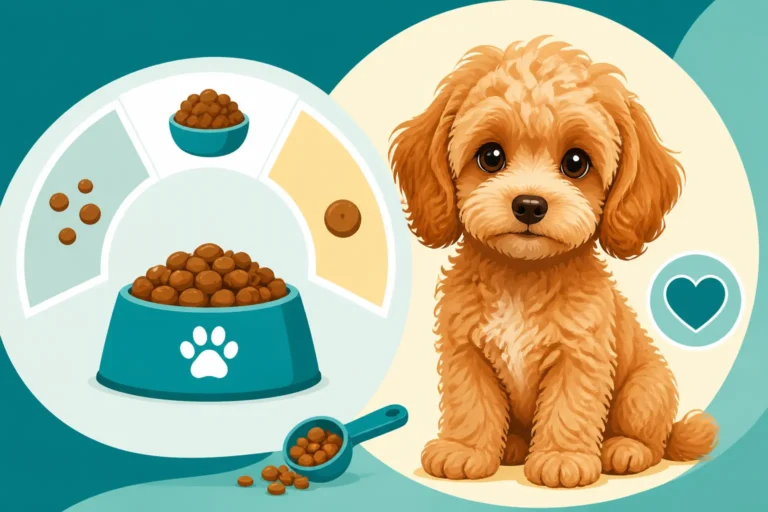
What goes into your Cockapoo’s bowl can have a profound impact on what comes out on their skin and coat. A high-quality, balanced diet is fundamental to healthy skin and coat. Look for dog foods that list a named meat source as the first ingredient and avoid excessive fillers, artificial colors, and preservatives. Some Cockapoos benefit from a diet rich in omega-3 and omega-6 fatty acids, which are crucial for skin barrier function and reducing inflammation. You might find these in fish oils, flaxseed, or specialized supplements. Brands like Ollie, known for their fresh, human-grade dog food, prioritize nutrient-dense ingredients that can support overall health, including skin and coat condition.
Before adding any supplements, it’s always wise to consult your veterinarian. They can help determine if a specific deficiency or imbalance is contributing to your Cockapoo’s greasy skin and recommend appropriate supplements or dietary changes. For instance, sometimes a simple addition of salmon oil can make a noticeable difference in coat quality. If you're concerned about their diet, exploring Whether Diet Changes a Cockapoo's Coat Condition can offer further insights. Ensuring your Cockapoo receives adequate vitamins and minerals through their food is key to maintaining healthy skin from the inside out. For more in-depth information, you might consider reading Whether Omega Oils Help a Cockapoo's Coat.
Recognizing When to Adjust Your Routine
Managing a Cockapoo's greasy skin is often a process of trial and error. What works for one dog might not work for another, and even your own dog's needs can change over time due to age, environment, or health status. Pay close attention to how your Cockapoo's skin and coat respond to your current routine. Are they staying cleaner longer? Has the odor subsided? Is the scratching reduced? These are all positive signs that your approach is working.
However, if you notice that the greasiness returns quickly after a bath, or if the accompanying itchiness, redness, or odor persists, it's a clear signal that an adjustment is needed. This might mean trying a different type of degreasing or medicated shampoo, increasing or decreasing the bathing frequency, or re-evaluating their diet and any supplements. Don't be afraid to experiment gently and systematically. Keep a record of the products you use and how your dog reacts. If, after several adjustments, you're still not seeing improvement, or if the condition worsens, it's time for another vet visit. Persistent skin issues can be a source of chronic discomfort for your dog, and professional guidance is invaluable in finding a long-term solution.
Common Pitfalls to Avoid When Dealing with Greasy Skin
While the desire to resolve your Cockapoo’s greasy skin is strong, certain common mistakes can inadvertently make the problem worse. Knowing what to avoid is just as important as knowing what to do.
Over-Bathing and Its Consequences
It might seem counter-intuitive, but bathing your greasy Cockapoo too frequently can actually exacerbate the problem. When you wash your dog, especially with harsh degreasing shampoos, you strip away not only the excess sebum but also the natural, healthy oils that protect their skin barrier. The skin, in an attempt to compensate for this perceived dryness and lack of protection, can go into overdrive and produce even more sebum, leading to a vicious cycle of greasiness and bathing. This rebound oiliness can be incredibly frustrating for owners who are trying their best to keep their dog clean.
Excessive bathing can also lead to dry, flaky, and irritated skin, which then becomes more susceptible to bacterial and yeast infections. It can strip the coat of its natural luster and make it more prone to tangling and breakage. The key is to find the right balance – enough bathing to manage the greasiness without stripping the skin completely. For many Cockapoos with oily skin, bathing every 2-4 weeks with appropriate products might be a good starting point, adjusting based on their individual needs and your vet's advice. If you're using a strong medicated shampoo, your vet might recommend a specific frequency.
Using the Wrong Products or Techniques
This is another common pitfall. Grabbing any shampoo off the shelf or, worse, using human shampoo on your Cockapoo, can do more harm than good. Human shampoos are formulated for human skin pH, which is different from a dog's, and can be far too harsh for their delicate skin. Even within dog shampoos, using a heavily moisturizing or "shiny coat" formula on a greasy Cockapoo will likely make the problem worse, as these products are designed to add oils, not remove them.
Similarly, improper bathing techniques can negate your efforts. Not brushing thoroughly before bathing can lead to severe matting. Not rinsing meticulously will leave residue that irritates the skin and attracts more dirt, making the coat feel greasy and stiff. And not drying properly can create a moist environment ripe for fungal and bacterial growth, which thrive in greasy conditions and contribute to that unpleasant odor. Always use dog-specific products recommended for oily skin, follow label instructions for contact time, and be diligent with rinsing and drying.
Ignoring Underlying Health Issues
Perhaps the most significant pitfall is viewing greasy skin as purely a cosmetic or hygiene issue and failing to consider underlying health problems. While proper bathing and grooming can manage symptoms, they won't cure a systemic issue. If your Cockapoo's greasy skin is caused by allergies, hormonal imbalances like A Cockapoo's Addison's and the Poodle Line, parasites, or a more serious skin condition, simply bathing them more frequently or with stronger shampoos will only offer temporary relief, if any. The problem will likely persist, potentially worsen, and your dog will continue to experience discomfort.
As discussed earlier, if the greasiness is chronic, severe, or accompanied by other concerning symptoms, a visit to the veterinarian is non-negotiable. They can diagnose the root cause and prescribe appropriate treatment, which might involve medication, dietary changes, allergy management, or specialized prescription shampoos. Addressing the underlying problem is the only way to achieve lasting relief for your Cockapoo and ensure their overall health and well-being. Don't fall into the trap of self-diagnosing and treating without professional guidance when health is at stake.
Disclaimer
This article is for general informational purposes only and does not constitute professional advice. Laws, prices and regulations vary by location and change over time. Consult a qualified professional for guidance on your specific situation.