Introducing a Cockapoo to the Dog You Have
Bringing a new Cockapoo into a home where another dog already reigns supreme can feel like walking a tightrope – you want everyone to get along, but you're also worried about upsetting the established order. It’s a common frustration, the anxiety of potentially creating conflict rather than companionship. This comprehensive guide will walk you through the careful, deliberate steps needed to introduce your new Cockapoo to your resident dog, aiming for a peaceful, harmonious multi-dog household from day one.
Understanding Your Cockapoo and Resident Dog's Personalities
Before you even think about putting two noses together, it's crucial to take a really honest look at the personalities involved. Not all dogs are born social butterflies, and understanding their individual quirks will be your biggest asset in setting them up for success.
Assessing Your Resident Dog's Temperament
Your resident dog is the incumbent, the one who knows the rules of the house, where the best napping spots are, and that you are their primary human. Their reaction to a new addition can range from delighted playmate to wary protector, and everything in between.
Consider their age first. A wise, older dog might have less patience for a rambunctious Cockapoo puppy than a dog in their prime. They might prefer quiet companionship over wrestling matches, and a high-energy newcomer could genuinely stress them out. Think about their past experiences too; if your resident dog had a traumatic encounter with another dog as a puppy, or perhaps has always been an "only child," they might be more reserved or even anxious about sharing their space. Some dogs, especially those who've had little socialization outside of their immediate family, can be quite territorial, viewing a new dog as an intruder on their resources – their toys, their bed, even your attention.
It’s also important to observe their general energy levels and play style. Do they enjoy rough-and-tumble games, or do they prefer a calm walk and a snooze on the sofa? A mismatch in energy can be a source of frustration for both dogs if not managed properly. Also, be honest about any existing behavioral quirks, such as resource guarding with toys or food. If your resident dog tends to stiffen up or growl when another dog approaches their prized possession, this is a major red flag that needs proactive management during the introduction phase. Understanding these nuances will help you predict potential issues and plan accordingly.
Anticipating Your Cockapoo's Role
Cockapoos are generally known for their friendly, adaptable, and often playful nature, but they also carry traits from both Cocker Spaniels and Poodles, which can manifest in various ways. A Cockapoo puppy, fresh from its litter, might be a bundle of boundless energy and curiosity, eager to engage with anything and everything. This can be wonderful if your resident dog loves to play, but overwhelming if they prefer a quieter life. Whether a Cockapoo Is Pushy With the Dog You Have is a common concern, as their joyful exuberance can sometimes be misinterpreted by older or more reserved dogs.
Some Cockapoos might inherit more of the Poodle's initial reservedness, observing new situations before diving in, while others might jump in head-first, spaniel-style, ready for an adventure. Their play style can vary too; some will be "mouthy" and love to gently tug or nibble, while others might prefer chasing or wrestling. If your new Cockapoo is still very young, remember they haven't learned proper doggie manners yet. They might not understand subtle cues from an older dog, like a turn of the head or a direct stare, which can lead to misunderstandings.
Think about how your Cockapoo might fit into the existing dynamic. Will they be the boisterous younger sibling, or a more timid companion seeking reassurance? Anticipating these tendencies allows you to tailor your introduction strategy, creating opportunities for positive interactions while minimizing potential stressors. For example, if you suspect your new Cockapoo will be quite energetic, you'll want to ensure your resident dog has plenty of calm, quiet space to retreat to when they need a break.
Setting the Stage for a Successful Introduction
Preparation is not just about physically arranging your home; it’s about mentally preparing yourself and setting realistic expectations. Hasty introductions often lead to setbacks, so take your time and be methodical.
Preparing Your Home Environment
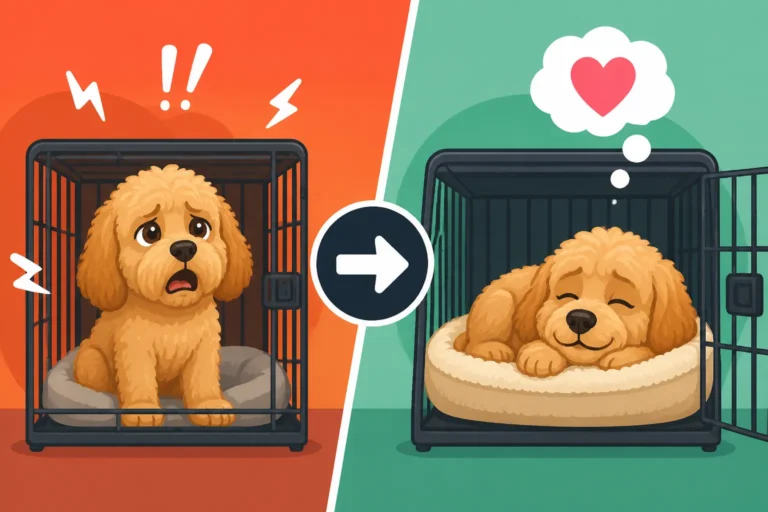
The first step in a successful introduction often begins before your new Cockapoo even crosses the threshold. You need to create separate, safe spaces for each dog within your home. This might mean having two separate crates, one for your resident dog and one for your new Cockapoo, or dedicating different rooms to each dog during their initial adjustment period. A set of sturdy baby gates, like those you can easily find on Amazon, can be incredibly helpful here, allowing visual and scent-based interaction without direct physical contact initially.
Ensure that all resources are kept separate. This includes food bowls, water dishes, beds, and high-value toys. Resource guarding can escalate quickly, even between dogs who eventually become the best of friends. By removing the potential for conflict over shared items, you reduce a significant source of tension. For example, feed your dogs in separate rooms or crates to eliminate any competition. Also, make sure both dogs have a comfortable, private space where they can retreat and feel secure, away from the other. This gives them agency and prevents them from feeling trapped or overwhelmed. Getting your new Cockapoo comfortable in their crate and their designated "safe zone" is a great first step, setting the foundation for Building a Cockapoo's Tolerance for Being Alone and creating a calm space for them.
The Importance of Neutral Territory First
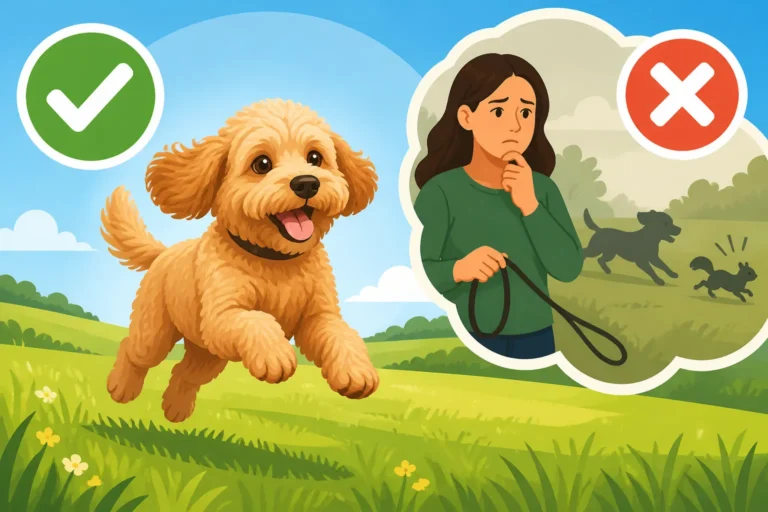
When it comes to the very first direct meeting, home is often not where the heart is. Introducing dogs on neutral territory is widely recommended by canine behaviorists because it eliminates any territorial feelings your resident dog might have. A local park, an open field, or even a quiet street where neither dog regularly walks can serve this purpose perfectly.
The initial encounter should be a calm, leashed walk. The dogs shouldn't be forced to interact nose-to-nose immediately. Instead, aim for parallel walking, where they are on separate leashes with separate handlers, walking in the same direction, a comfortable distance apart. This allows them to become aware of each other's presence, sniff the same ground, and get used to each other's scent without the pressure of a direct confrontation. Gradually, you can decrease the distance between them, always observing their body language for signs of tension or relaxation.
Keep the interaction brief and positive. The goal isn't immediate best friends, but rather a calm, uneventful first impression. If they are doing well, a quick sniff and move on is a fantastic success. Avoid long, drawn-out face-to-face greetings that can lead to stiffness or anxiety. The idea is to create positive associations with each other's presence in a stress-free environment, setting the tone for future interactions back home.
Managing Expectations and Patience
This isn't a race, it's a marathon. You simply cannot rush the introduction process and expect lasting harmony. Every dog is an individual, and some will adapt more quickly than others. Your resident dog might be thrilled, or they might be completely indifferent, or even a little grumpy about the new arrival. Your Cockapoo puppy might be shy and overwhelmed, or overly boisterous. The First Week With a Cockapoo Puppy is often full of adjustments, and integrating them into an existing pack adds another layer of complexity.
It's absolutely critical that you pay close attention to both dogs' body language throughout every step of the introduction. Look for signs of relaxation: loose bodies, soft eyes, wagging tails (not stiff, frantic wags), play bows. Conversely, be vigilant for signs of stress or tension: stiff bodies, direct stares, tucked tails, lip licking, yawning (out of context), growling, snarling, or snapping. If you see any signs of discomfort, immediately increase the distance between them or end the session. It's better to end on a neutral note than to push them to the point of conflict.
Celebrate small victories. A calm parallel walk, a polite sniff, or simply being able to be in the same room (with a gate between them) without barking or growling is a huge step forward. Don't compare your dogs' progress to other dogs you've known or stories you've heard. Your dogs are unique, and their relationship will unfold at its own pace. Patience, consistency, and a calm demeanor from you will be the most valuable tools in your toolkit.
Step-by-Step Introduction Protocol
Once you’ve done your homework and set up your home, it’s time to actually begin the physical introductions. Remember, this is a gradual process, not a one-time event.
The Initial Sniff and Sight
Before they even lay eyes on each other, dogs gather a wealth of information through scent. Start with scent swapping. Take a blanket or towel that has your resident dog's scent on it and place it in your Cockapoo's designated safe space. Do the same with a blanket from your new Cockapoo, placing it near your resident dog's bed. Observe their reactions. Are they curious, relaxed, or showing signs of stress? This low-pressure way of introducing each other’s smell can help reduce novelty when they finally meet in person.
Once they're comfortable with each other's scents, you can move to a visual introduction, but keep a barrier between them. Use those baby gates to allow them to see each other from a distance, perhaps across a doorway. Keep these initial sight sessions short and positive. Distract them with treats or calm praise when they look at each other without reacting negatively. Avoid prolonged staring contests, as direct eye contact can be perceived as a challenge by some dogs. The goal is to make these initial glimpses uneventful and pleasant. Let them associate the sight of the other dog with good things – treats, toys, or even just your calm presence.
Controlled On-Leash Meetings
When both dogs seem comfortable with scent and sight, it's time for controlled, on-leash meetings. These should still happen in neutral territory initially, or in a very spacious, neutral area of your home if an outdoor space isn't feasible. Both dogs should be on leashes, handled by separate, calm individuals. Keep the leashes loose – tension on the leash can transfer to the dog, making them feel anxious or reactive. Introducing a Cockapoo to the Dog You Have in this controlled manner gives you the ability to gently guide them, keep them separate if needed, and intervene if things get too intense.
Allow for short, polite sniff interactions. A good rule of thumb is "sniff and move." Let them sniff each other for a few seconds, then calmly walk them apart. This prevents either dog from feeling trapped or overwhelmed. Reward calm behavior with praise and treats for both dogs. You want them to associate the other dog's presence with positive reinforcement. Avoid any harsh corrections, as this can create negative associations. If either dog shows signs of stress (stiff body, tucked tail, excessive panting, growling), calmly separate them and end the session. Try again later, perhaps with more distance between them or for an even shorter duration. It's about building a positive foundation, one short, successful interaction at a time.
Supervised Off-Leash Play
Once the leashed introductions are consistently calm and positive, and both dogs are showing relaxed body language in each other's presence, you can consider supervised off-leash play. This should happen in a secure, neutral area, like a safely fenced yard, where there are no high-value resources to guard. Remove all toys, food bowls, and anything that could spark contention. The focus should be purely on free, friendly interaction.
Keep initial off-leash sessions very short – just a few minutes at a time. Watch their body language like a hawk. Look for loose, bouncy play, play bows, taking turns chasing, and self-handicapping (where one dog deliberately plays gently with the smaller or less confident dog). If play gets too intense, if one dog is constantly pinning the other, or if you see any signs of bullying or fear, calmly intervene by separating them. A quick "time out" can help them reset. You can restart after a minute or two, or end the session if the intensity persists.
It's vital that you remain calm and present during these sessions. Don't just let them "figure it out" if things are heading south. You are the benevolent leader, ensuring fair and safe interactions. Remember, it might take days, weeks, or even months for your Cockapoo and resident dog to truly settle into a comfortable rhythm. Every positive, low-stress interaction builds trust and strengthens their bond.
Troubleshooting Common Challenges and Ensuring Harmony
Even with the best planning, integrating two dogs can present a few bumps in the road. Knowing how to anticipate and address these challenges will make all the difference.
Dealing with Over-Exuberance or Shyness
Cockapoos are generally quite social, but some might be overly enthusiastic, bounding up to the resident dog in an attempt to play. This can be off-putting or even alarming for an older or more reserved dog. On the flip side, a new Cockapoo puppy might be shy or overwhelmed, retreating from the resident dog's advances, even if well-intentioned.
If your Cockapoo is over-exuberant, work on teaching them calm greetings. Practice having them sit and wait for attention before interacting. Use a long line during supervised play to gently guide them away if they become too pushy. Consistent obedience training, focusing on impulse control, is incredibly valuable. Brands like BAXTER & Bella offer online puppy training programs that can help teach your new Cockapoo manners and how to respond to cues, which can translate into better interactions with your resident dog. Provide plenty of appropriate outlets for their energy, such as structured walks, puzzle toys, and individual play sessions with you, so they aren't relying solely on the resident dog for stimulation. Whether a Cockapoo Needs a Sport to Be Manageable is a real question, as their energy levels can be quite high!
For a shy Cockapoo, never force interaction. Allow them to approach the resident dog on their own terms. Create safe "hidey-holes" where they can retreat if they feel overwhelmed. Reward any brave steps they take, even just sniffing the air in the other dog's direction. Your resident dog also needs to be encouraged to respect the new dog's space. If they are persistently trying to engage a shy Cockapoo, gently interrupt and redirect your resident dog's attention to you. Building confidence in a shy dog takes time and a supportive environment.
Resource Guarding and Jealousy Prevention
Resource guarding can range from subtle body language (like stiffening or hovering over a toy) to overt aggression (growling, snapping). Preventing it is far easier than trying to fix it once it's entrenched. From the very beginning, ensure that high-value resources – food, treats, favorite toys, beds, and even prime spots on the couch – are never shared or left unattended between the two dogs.
Feed both dogs in separate, secure locations, like their crates or different rooms. Once they are both comfortable eating, you can bring them out, but always supervise. When giving treats, give them simultaneously, a fair distance apart. If you give one dog a high-value chew, ensure the other dog has an equally appealing one, or is otherwise occupied in a separate area. Don't leave toys scattered around where they might become points of contention. Instead, manage toy access, allowing individual play sessions or supervised shared play with less valuable toys. What a Cockapoo Puppy Chews Through in Six Months can be a lot, so having multiple, safe, individual chew items is key.
Another aspect of preventing jealousy is ensuring both dogs feel equally loved and attended to. Spend individual quality time with each dog every day. This reinforces their bond with you and assures them that the new arrival hasn't diminished your affection. A tired dog is also a less reactive dog; ensuring both your Cockapoo and your resident dog get adequate exercise and mental stimulation can greatly reduce stress and potential friction.
When Professional Help is Needed
Despite your best efforts, sometimes dog introductions don't go as smoothly as hoped, or issues arise that feel beyond your ability to manage. This is absolutely nothing to be ashamed of. Knowing when to call in a professional is a sign of a responsible pet owner.
Look for these red flags: persistent growling, snarling, snapping, or fighting despite your interventions; one dog constantly bullying or terrorizing the other; one dog exhibiting extreme fear or aggression that doesn't subside with careful management; or severe resource guarding that leads to conflict. If you're constantly on edge, worried about leaving the dogs unsupervised, or if their quality of life (or yours) is being significantly impacted, it's time to seek expert help.
A certified professional dog trainer or a veterinary behaviorist can assess the specific dynamics between your dogs, identify triggers, and develop a tailored behavior modification plan. They can provide hands-on guidance, help you interpret subtle canine body language, and offer strategies that you might not have considered. It's an investment in the long-term peace and safety of your household. Don't wait until a serious incident occurs; early intervention can prevent escalation and help your Cockapoo and resident dog become cherished companions.
| Body Language Sign | Positive & Relaxed | Warning & Stress |
|---|---|---|
| Overall Posture | Loose, wiggly body; soft, rounded curves; play bows | Stiff, rigid body; hunched over; tail tucked or held high and stiffly; frozen |
| Tail Wag | Loose, sweeping wag, perhaps with whole body involvement | Fast, stiff, short wag (often held high); low, slow tuck |
| Facial Expression | Soft eyes, blinking; relaxed mouth, slightly open, perhaps panting lightly; ears relaxed or slightly back | Hard, staring eyes; dilated pupils; tense mouth, often closed tightly or pulled back (whale eye); ears pinned back or stiffly forward |
| Mouth | Open, tongue out; licking lips quickly (often in anticipation) | Lips pulled back (showing teeth); lip licking (slow, deliberate in stressful context); excessive yawning (not sleepy) |
| Vocalizations | Soft murmurs, happy grunts, excited yips, playful growls | Low, guttural growls; snarls; high-pitched yelps of fear; incessant barking |
| Movement | Bouncy, fluid, relaxed; approaching with a curve | Freezing in place; slinking away; direct, stiff approach |
Disclaimer
This article is for general informational purposes only and does not constitute professional advice. Laws, prices and regulations vary by location and change over time. Consult a qualified professional for guidance on your specific situation.