A Cockapoo That Panics at the Dryer
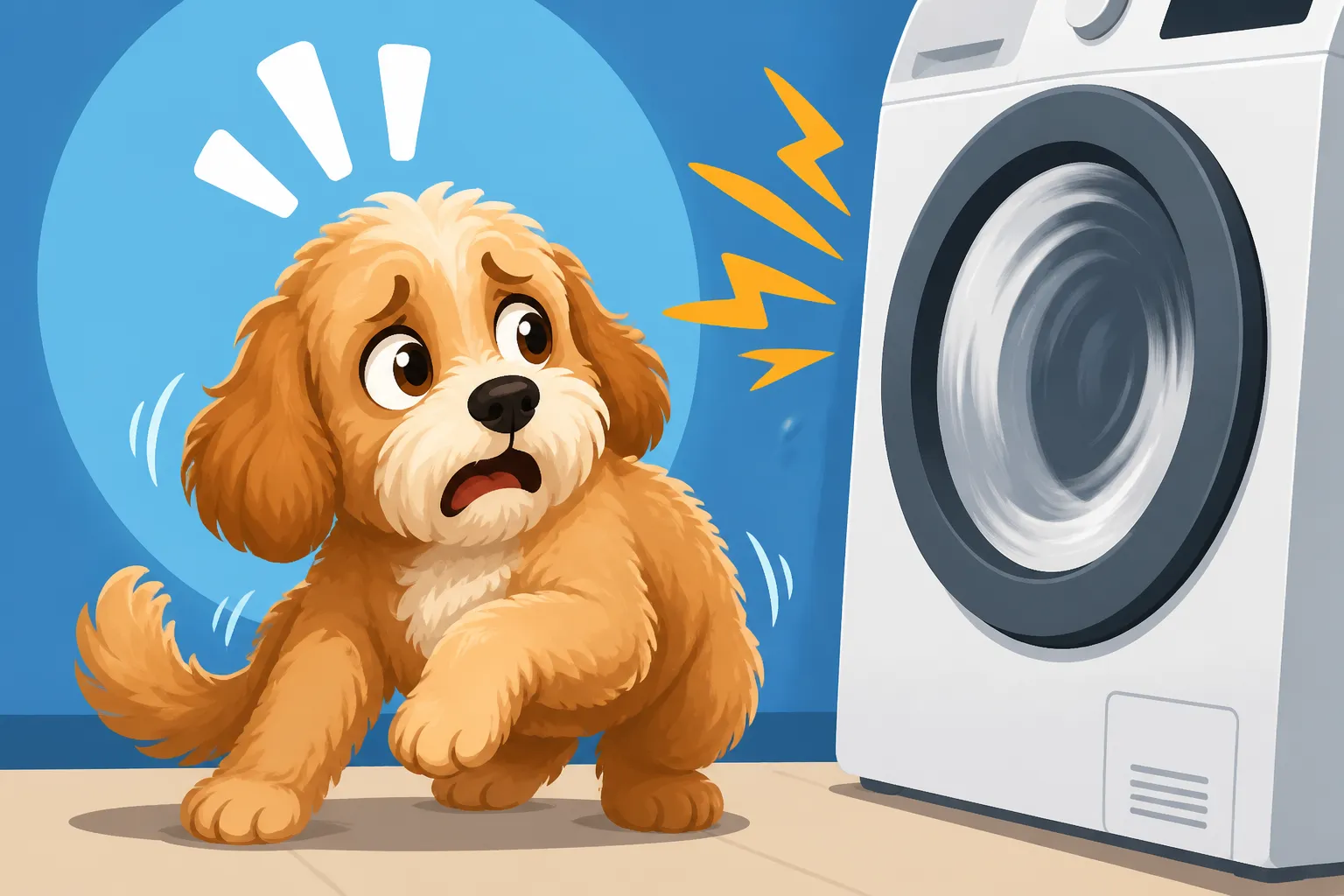
It’s a scenario many Cockapoo parents know all too well: the bath is over, your furry friend is dripping wet, and then you reach for the dryer. Instantly, their ears flatten, their tail tucks, and they try to bolt, turning what should be a straightforward task into a wrestling match filled with anxiety. This guide will walk you through understanding why your beloved Cockapoo might be panicking at the dryer and provide actionable steps, tools, and strategies to transform this stressful experience into a calm, even enjoyable, part of their grooming routine.
Unpacking the Fear: Why Dryers Can Terrify Your Cockapoo
For us, a hairdryer or a high-velocity pet dryer is just a tool, but for a Cockapoo, it can be a multi-sensory assault. Their world is often far more attuned to subtle changes in sound, vibration, and air movement than ours, making them particularly sensitive to devices that seem benign to humans. Understanding the root causes of their fear is the first step toward helping them overcome it.
The Sensory Overload: Noise, Vibration, and Heat
Imagine someone pointing a loud, vibrating, hot object directly at you after you’ve just had a bath. That’s often what it feels like for your Cockapoo. The noise alone can be overwhelming. A Poodle, one half of the Cockapoo parentage, often brings a refined sensitivity to sound, and while Cockers can be quite boisterous, individual dogs can lean into either genetic predisposition. The dryer’s whirring, humming, or even roaring can register as a threat. It’s not just the volume; it's the specific frequency and pitch that can set some dogs on edge.
Beyond the sound, there’s the intense vibration. When a dryer is held close, your dog doesn't just hear it; they feel it through their body, through your hand holding the dryer, and even through the floor beneath them. This constant buzzing sensation, especially when combined with the directed blast of air, can feel incredibly unnatural and alarming. Then there's the heat. Even on a low setting, the concentrated stream of warm air can feel uncomfortably hot on delicate skin, particularly if the dryer is held too close or for too long in one spot. This trifecta of sensory input—loud noise, strong vibration, and uncomfortable heat—can quickly push a sensitive Cockapoo into a state of panic.
The Feeling of Helplessness and Lack of Control
When you’re holding your Cockapoo for drying, especially if they’re resisting, they can feel incredibly trapped and vulnerable. Dogs thrive on predictability and a sense of control over their environment. Being held still, unable to move away from a perceived threat, can trigger their flight instinct. This is why some dogs will squirm, try to bite, or even relieve themselves out of pure fear. They’re not being "naughty"; they’re genuinely distressed and trying to escape a situation where they feel utterly helpless.
This is particularly true if they’ve had past negative experiences, which could range from an accidental burn from a too-hot dryer to an overly rough handling by a groomer. The memory of feeling overwhelmed or hurt can stick with them, making them anticipate discomfort or pain every time the dryer appears. It becomes a learned aversion, where the sight or sound of the dryer instantly triggers a stress response. For a dog that inherently wants to please and be close to its human, this struggle can also be emotionally confusing and damaging to your bond if not handled with immense patience and understanding.
Individual Temperament and Past Experiences
Every Cockapoo is unique, a wonderful blend of Cocker Spaniel and Poodle traits, but this also means their reactions to grooming can vary wildly. Some may inherit the Poodle’s slightly more sensitive nature, making them prone to anxiety, while others might take after the Cocker’s sometimes boisterous, sometimes cautious, personality. A Cockapoo with a naturally anxious disposition might find the dryer simply too much to handle without careful introduction. Similarly, a dog that wasn't properly socialized to grooming sounds and sensations as a puppy can struggle more. Think about a puppy mill Cockapoo who might never have experienced gentle handling or a dryer in a positive context. Their foundation for coping with grooming may be entirely absent. You might be surprised to learn that How Early a Cockapoo Should Meet a Groomer can significantly impact their future comfort with tools like dryers.
Sometimes, the fear isn't just about the dryer itself but a broader anxiety around grooming. If a dog finds brushing uncomfortable due to mats, or if nail trims are always a battle, then the dryer just becomes another stressful step in an already dreaded process. It’s crucial to consider the entire grooming routine and identify any other potential pain points that might be contributing to their overall discomfort. A quick glance at A Cockapoo That Will Not Sit Still to Be Combed might offer insights into related grooming struggles.
Desensitization and Counter-Conditioning: A Gentle Approach
The good news is that most Cockapoos can learn to tolerate, and sometimes even enjoy, the drying process through patient desensitization and counter-conditioning. This isn't about forcing them to accept it; it's about gradually introducing the dryer in a positive way, changing their emotional response from fear to indifference or even excitement.
Starting Small: Introduction to the Dryer Off
The journey begins long before the dryer is even turned on. The goal here is to make the dryer a neutral, or even positive, object. Start by simply placing the dryer in the room where you usually groom your dog. Let them see it, sniff it, and investigate it without any pressure. Reward them with high-value treats and praise just for being in the same room as the dryer, or for approaching it. You can even place treats on or near the off dryer. This helps create a positive association.
Over several sessions, pick up the dryer, hold it, and move it around gently, again, without turning it on. Let your Cockapoo get used to the movement and your handling of the object. If they seem comfortable, gently touch their body with the off dryer, starting with less sensitive areas like their back, then moving to their legs and feet. Each step should be accompanied by calm reassurance and delicious treats. If at any point your dog shows signs of stress—lip licking, yawning, turning away, tensing up—take a step back to where they were comfortable. This process might take days or even weeks, but rushing it will only reinforce their fear. Teaching a Cockapoo to Accept the Groomer also details similar foundational steps for general grooming.
Gradual Exposure: Low Settings, Short Bursts
Once your Cockapoo is comfortable with the off dryer, it's time to introduce the sound and air. Begin by turning the dryer on its lowest, coolest setting, and point it away from your dog. Stand far enough away so that the sound is barely audible to them. As soon as you turn it on, offer a high-value treat. Turn it off, no treat. Repeat this many times. The goal is for the sound of the dryer to predict something wonderful (treats!). The BAXTER & Bella online training program often emphasizes these positive reinforcement techniques, where every step forward is rewarded.
Gradually, you can decrease the distance between the dryer and your dog, always keeping it pointed away and only for very short bursts. Never force the air directly onto them at this stage. Once they are consistently calm and looking for a treat when the dryer turns on, you can try directing the air briefly onto a less sensitive part of their body, like their back or hindquarters, still on the lowest, coolest setting. Start with just a second or two, immediately followed by praise and a treat. Slowly increase the duration and perhaps move to slightly more sensitive areas, always watching your dog for any signs of discomfort. If they flinch, back off. The key is to keep these sessions short, positive, and always end on a good note. Remember that even a seemingly minor adjustment like Getting a Cockapoo Used to the Clipper Noise requires similar patience.
Making it a Game: Incorporating Training and Play
To further solidify positive associations, turn dryer exposure into a fun game. For example, scatter treats on the floor while the dryer is running softly in the background (far away). Your Cockapoo will be so engrossed in sniffing out goodies that they'll hardly notice the sound. Or, engage in a quick game of fetch immediately after a short drying burst, rewarding them for their engagement and happy play. You can purchase durable toys and tasty treats from places like Amazon to keep your pup entertained and motivated during these sessions.
Another excellent strategy is to integrate the dryer into a positive training session. Ask for simple commands like "sit" or "stay" while the dryer is running softly in the distance, rewarding successful completion. This helps your dog associate the dryer not with fear, but with familiar, rewarding activities. This can be especially helpful if you’re trying to manage A Cockapoo That Will Not Sit Still to Be Combed, as consistent positive reinforcement across all grooming tasks builds overall confidence.
Tools and Techniques to Help Your Cockapoo Cope
Beyond desensitization, there are practical tools and techniques that can make the drying process more comfortable and less intimidating for your Cockapoo. The right equipment and a thoughtful approach can make all the difference.
Choosing the Right Grooming Aids
One of the biggest culprits behind dryer panic is often using human hairdryers. These are designed to produce very hot air quickly and are not suitable for a dog's sensitive skin and coat. Instead, invest in a dedicated pet-specific high-velocity dryer. These dryers typically have adjustable heat and speed settings, allowing for a much gentler, cooler airflow. The force of the air is what removes water, not excessive heat, making them safer and more efficient for drying a dog's thick double coat or dense Poodle-like curl.
| Dryer Type | Pros | Cons | Best For |
|---|---|---|---|
| Human Hairdryer | Readily available, inexpensive upfront | Too hot, can burn skin, often too loud, less airflow for thick coats | Quick touch-ups on very short coats only (use with extreme caution) |
| Stand Dryer | Hands-free, adjustable height | Can still be loud, may not have strong enough airflow for thick coats | Dogs comfortable with dryers, larger dogs |
| High-Velocity Pet Dryer | Powerful airflow, cool temperatures, efficient drying, adjustable settings | Can be loud (though less damaging), initial investment | Most Cockapoos, especially those with wavy/curly coats |
| Towels (Microfiber) | Silent, gentle, inexpensive | Not fully drying, can leave dampness which leads to mats | Initial drying, sensitive dogs, short coat types |
While a high-velocity dryer can seem like a big investment, it's a game-changer for many Cockapoo owners. You can find a range of options on Amazon, often with good reviews from other pet parents. Remember, a curly coated Cockapoo needs daily work, and proper drying is part of that.
Comfort Measures and Calming Aids
Beyond the dryer itself, think about creating a calming environment. Play soft, calming music during grooming sessions. Ensure the grooming area is slip-proof, perhaps with a rubber mat, so your dog feels secure. Consider a grooming table with a restraint loop (properly used) to keep them steady and prevent escapes, which can lead to injury or further fear. A stable surface helps them feel more in control than slipping and sliding in a tub.
For extremely anxious dogs, consult your vet about calming aids. These could range from natural supplements like Zylkene or L-theanine, to pheromone diffusers, or even prescription anxiety medication for severe cases. These aren’t a magical cure but can help lower their overall anxiety threshold, making the desensitization process more effective. Some owners also swear by thunder shirts or calming wraps, which provide gentle, constant pressure, much like swaddling a baby.
Knowing When to Seek Professional Help
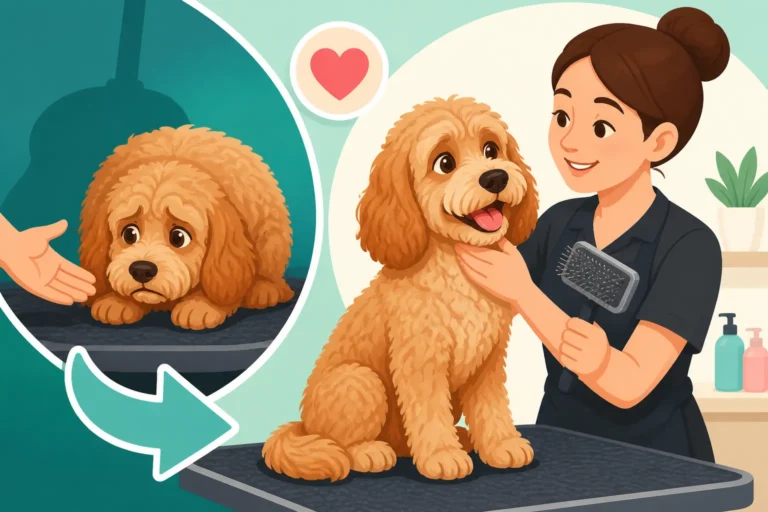
Sometimes, despite your best efforts, a Cockapoo's fear of the dryer might be too ingrained or severe for you to tackle alone. This is when professional help becomes invaluable. A positive-reinforcement based professional dog groomer has specialized tools, techniques, and experience to work with fearful dogs. They can often provide a "spa day" experience that gradually introduces the dryer in a controlled, gentle manner.
If the fear is genuinely debilitating and impacts other aspects of your dog's life, a certified professional dog trainer or a veterinary behaviorist might be needed. They can help identify underlying anxiety issues and develop a comprehensive behavior modification plan tailored to your Cockapoo's specific needs. They might also suggest specific exercises beyond what you’ve tried to rebuild confidence around grooming. Never feel like you've failed if you need to call in the experts; it shows you prioritize your dog's well-being above all else. Teaching a Cockapoo to Give a Foot for Nails and similar grooming challenges often benefit from professional guidance.
Long-Term Strategies for a Stress-Free Grooming Routine
Getting your Cockapoo comfortable with the dryer is not a one-time fix; it’s an ongoing commitment. Consistent positive experiences and a holistic approach to grooming will ensure that your Cockapoo remains happy and healthy throughout their life.
Consistency is Key: Regular Baths and Drying
One of the biggest mistakes owners make is only drying their dog when absolutely necessary. If your Cockapoo only experiences the dryer after a full bath, it becomes associated solely with the "big, scary event." Instead, try short, frequent "mock" drying sessions. For example, after a short walk in the rain, towel dry them thoroughly, then bring out the dryer for just 30-60 seconds on a low, cool setting, focusing on a non-sensitive area like their back, followed by a huge reward. Even just getting them used to the presence and sound of the dryer without a full bath can help normalize it.
Regular bathing and drying, even if it's just a quick rinse of their feet after a muddy walk, will ensure they get consistent exposure. This prevents the fear from building up between infrequent grooming sessions. Remember, a Cockapoo’s coat, whether it's The Wavy Coated Cockapoo or The Tight Curled Cockapoo, requires regular care, and drying is a non-negotiable part of keeping them mat-free and comfortable.
Building Positive Associations: Making Grooming a Bonding Experience
Shift your mindset, and your Cockapoo's will follow. Instead of seeing grooming as a chore, view it as an opportunity for bonding and positive interaction. Use soft, encouraging tones, gentle touches, and make sure you’re well-stocked with their favorite treats. Before you even think about the dryer, engage in a short play session or a cuddle. This helps create a relaxed mood.
During and after drying, continue with praise and rewards. A special treat they only get during drying, or a favorite toy, can build a strong positive association. The more your Cockapoo associates the dryer with good things—your calm presence, tasty snacks, and gentle attention—the more likely they are to relax. If you've been working with an online program like BAXTER & Bella, apply their principles of creating a joyful, rewarding training environment to your grooming sessions.
Recognizing Stress Signals and Knowing When to Stop
Crucially, learn to read your Cockapoo's body language. They communicate fear and discomfort long before they resort to growling or biting. Look for subtle signs:
- Lip licking or yawning (when not tired): Stress signals.
- Turning head away, avoiding eye contact: Trying to disengage.
- Tail tucked low or clamped between legs: Fear.
- Flattened ears: Anxiety or submission.
- Whites of eyes showing (whale eye): High stress.
- Trembling or shivering: Fear or cold.
- Tensing muscles, stiff posture: Defensive or preparing to flee.
- Panting (when not hot or exercising): Stress.
If you see these signs, it’s essential to stop, take a break, and re-evaluate. Pushing a dog past their comfort zone can undo all your hard work and reinforce their fear. End the session on a positive note, even if it means only getting a small section dried, and try again later or the next day, taking a step back in your desensitization process. It's better to have a slightly damp Cockapoo than one who becomes terrified of grooming.
Sometimes, despite all your best efforts, you might encounter issues like Whether a Cockapoo's Coat Feels Oily at the Roots or persistent matting, leading to longer, more uncomfortable drying sessions. Addressing these underlying coat issues with appropriate shampoos or grooming techniques (perhaps with a medicated bath if recommended by a vet) can also contribute to a more comfortable drying experience.
Disclaimer
This article is for general informational purposes only and does not constitute professional advice. Laws, prices and regulations vary by location and change over time. Consult a qualified professional for guidance on your specific situation.