How Many Hours a Cockapoo Can Be Left
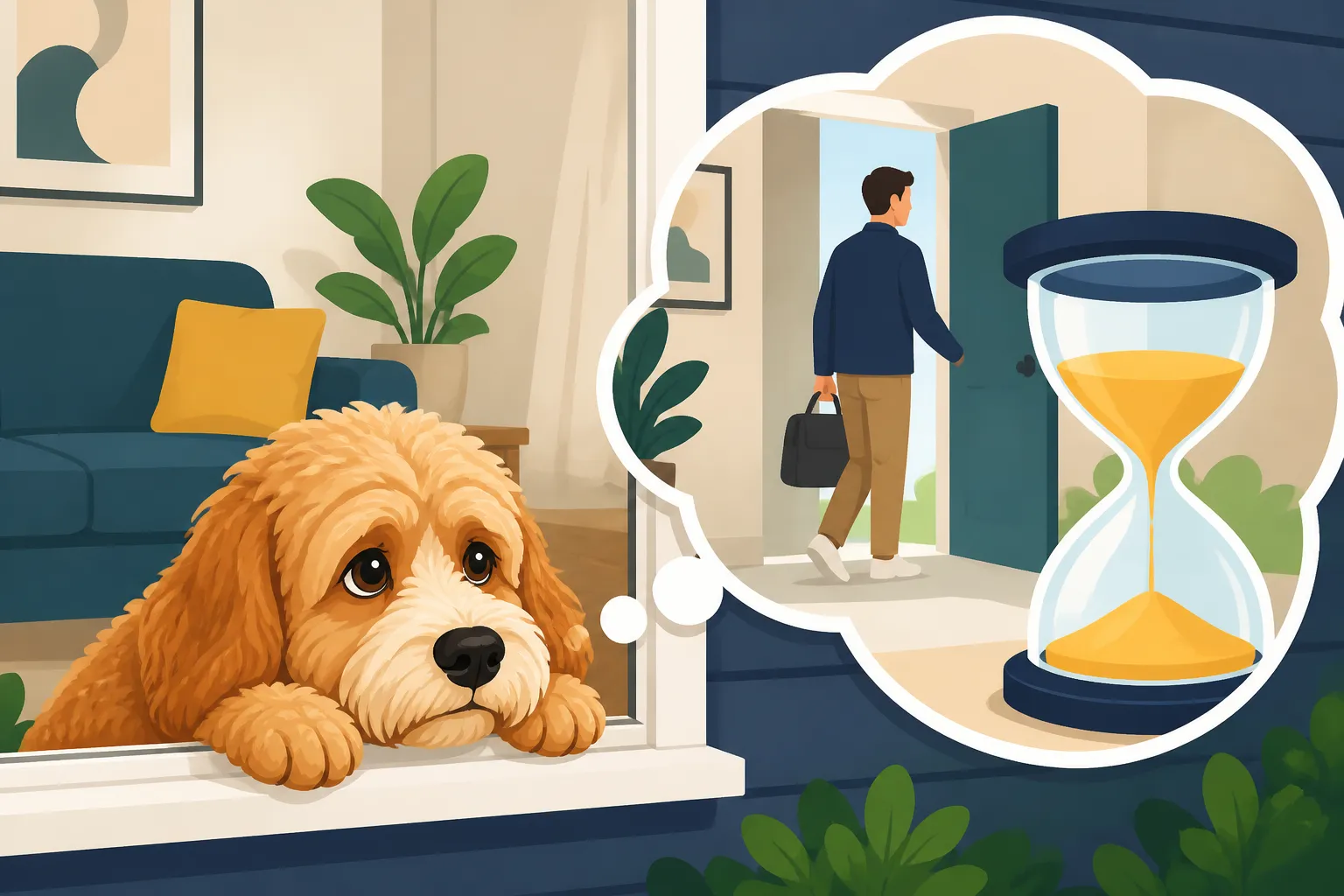
One of the biggest worries for any Cockapoo parent is figuring out how long it's truly okay to leave their beloved furry family member home alone. We all have lives, work, and errands, but the guilt of leaving those puppy dog eyes can be immense. This guide will walk you through understanding your Cockapoo's unique needs, practical strategies to make alone time easier, and realistic expectations for how many hours they can comfortably and safely be left without company.
Understanding Your Cockapoo's Need for Company
Cockapoos are renowned for their loving, affectionate, and people-oriented personalities. This isn't just a charming trait; it's deeply rooted in their heritage. Both the Poodle and the Cocker Spaniel, the parent breeds, were developed to work closely with humans, fostering a strong desire for companionship.
The Instinct to Be Near
Think about the Cocker Spaniel, originally bred as a flushing dog. Their job was to work in close proximity to hunters, relying on constant communication and partnership. They weren't meant to be out ranging independently for hours on end; their focus was always on their human counterpart. Then consider the Poodle, highly intelligent and often used in circuses and performances, thriving on interaction and mental engagement from their handlers. When you combine these two breeds, you get a Cockapoo that typically inherits a strong drive to be part of the family action. They bond deeply with their people, often following you from room to room, just wanting to be near. This innate social need means that prolonged solitude can be genuinely distressing for them, far more so than for some other breeds. It's not just a matter of them being bored; it's a fundamental aspect of their emotional well-being that their primary social group – you – is absent.
This desire for connection is why many Cockapoos are often described as "Velcro dogs." They thrive on interaction, cuddles, and simply being in the same room. For them, being left alone isn't just a lack of entertainment; it can feel like a genuine loss of their pack. A young Cockapoo, especially, relies heavily on this constant presence for security and learning. Understanding this inherent need is the first step in setting realistic expectations for how many hours a Cockapoo can genuinely be left alone before stress starts to set in.
Signs of Discomfort When Alone
It’s crucial to be able to read your Cockapoo's signals that they're not coping well with being alone. These signs aren't about being "naughty"; they're often desperate cries for help or expressions of anxiety. One of the most common indicators is destructive chewing. This isn't necessarily because they're bad dogs; it's often a coping mechanism. They might chew on doorframes, furniture, or your shoes not out of spite, but as a way to relieve stress or boredom, or even to try and "escape" the situation. You might come home to discover items moved or shredded, which is a clear sign that they were feeling agitated.
Another very obvious sign is excessive barking, whining, or howling. Your neighbors might even be the first to tell you about this, and it’s a difficult situation for everyone. This vocalization isn't just noise; it’s your dog attempting to call out for company, expressing their loneliness or fear. Some Cockapoos might also have accidents in the house, even if they are otherwise perfectly house-trained. This can be a symptom of stress or anxiety, indicating that they were too upset to hold it, or that their usual routine for asking to go out was disrupted by panic. More subtle signs can include pacing, repetitive licking, or a general air of subdued sadness when you return, taking a long time to "perk up." Understanding Signs a Cockapoo Is Anxious Rather Than Bored is key to addressing these behaviors effectively rather than simply punishing them. Recognizing these symptoms early allows you to intervene and adjust their alone time before these behaviors become deeply ingrained habits.
Age and Development Stages
The amount of time a Cockapoo can be left alone varies significantly with their age, and it's something many new owners underestimate. A tiny Cockapoo puppy, under 16 weeks, has incredibly limited bladder control and an even shorter attention span for being by themselves. At this stage, they realistically shouldn't be left for more than 1-2 hours at a stretch, and even that needs careful planning. They need frequent potty breaks, social interaction, and mental stimulation to prevent them from developing separation anxiety later on. Think of them like human toddlers; constant supervision and interaction are paramount for healthy development.
As they grow into adolescence (roughly 6 months to 1.5 years), their physical ability to hold their bladder improves, but their emotional needs for companionship remain high. They might be able to physically 'hold it' for longer, but that doesn't mean they're emotionally comfortable being alone for extended periods. This is often when destructive behaviors or barking can intensify if they're not gradually accustomed to solitude. An adult Cockapoo, typically around 1.5 to 2 years and older, with proper training and conditioning, can generally handle longer stretches. However, even then, we're talking about careful management, not endless hours. Senior Cockapoos might also have different needs; they might sleep more but could also experience cognitive decline, leading to increased anxiety or a greater need for frequent potty breaks, bringing their needs closer to those of a young puppy again. Understanding these developmental stages helps you tailor your expectations and care for your Cockapoo throughout their life.
Practical Strategies for Managing Alone Time
It's not enough to simply know how long they can be left; it's about actively preparing them for, and making their alone time as comfortable as possible. This involves thoughtful setup and consistent training.
Setting Up a Safe and Engaging Space
When you leave your Cockapoo, the environment you leave them in can make all the difference. For many Cockapoos, a crate can be a wonderful, safe den, provided it's introduced positively and never used for punishment. It should be just large enough for them to stand, turn around, and lie down comfortably. Fill it with soft bedding and some safe, engaging toys. Some Cockapoos prefer a larger dog-proofed room, like a kitchen or a puppy playpen, especially if they feel cramped in a crate or tend to pace. Whichever you choose, ensure the area is free of hazards. Remove anything they could chew, swallow, or knock over. Think about electrical cords, household cleaners, accessible food, or delicate items.
Beyond safety, consider enrichment. Puzzle toys, like a Kong filled with peanut butter or plain yogurt and frozen, can keep them occupied for a good chunk of time. Lick mats are another great option. These items serve a dual purpose: they provide mental stimulation and help distract your Cockapoo from your absence by focusing their energy on a rewarding task. Providing a variety of toys, rotating them regularly, and ensuring they have access to fresh water are all important steps. You might even consider leaving on a radio at a low volume or a TV channel specifically for dogs, as the ambient noise can be comforting and mask outside sounds that might trigger barking. Many owners find a comfortable dog bed from a brand like Kuranda or one purchased on Amazon, placed strategically, provides a good base for relaxation in their chosen safe space.
Gradual Desensitization and Training
One of the most effective ways to help your Cockapoo cope with alone time is through a process of gradual desensitization. This isn't a quick fix, but a slow, patient approach that builds confidence over weeks, sometimes months. Start by leaving them alone for very short periods – literally minutes. Put them in their designated safe space, say your usual departure phrase (like "Be right back!"), and step out of sight for 1-5 minutes. Return before they get anxious or start vocalizing. When you come back, act calm and don't make a huge fuss. The idea is to teach them that you always return and that being alone isn't scary.
Slowly, incrementally increase these durations. Go from 5 minutes to 10, then 15, then 30, and so on. Practice different departure cues, like picking up your keys, putting on your coat, or opening and closing the front door. The goal is to make these actions mundane, not triggers for panic. Never sneak out; your Cockapoo needs to learn that your departures are predictable. You can find excellent resources and structured training programs, like those offered by BAXTER & Bella, that guide you through these steps, often with live online support, which can be invaluable for owners struggling with separation anxiety. Remember, consistency is key. Every time you leave, no matter how short the duration, reinforce the calm routine. This slow, steady work helps to build their resilience. For more detailed steps, you might want to read Building a Cockapoo's Tolerance for Being Alone.
Enriching Their Environment Before You Leave
Before you even think about stepping out the door, take some time to thoroughly exhaust your Cockapoo, both physically and mentally. A tired dog is a good dog, and a tired Cockapoo is much more likely to settle down and rest while you're gone than one full of pent-up energy. This means a good, brisk walk or an intense play session in the yard. For a breed like the Cockapoo, who inherits that spaniel drive, physical exercise is paramount. A simple potty break isn't enough; they need to really stretch their legs and get their heart rate up.
Beyond physical activity, mental stimulation is equally vital. Engage them in some obedience training, a short game of fetch, or even a brief scent work session indoors. This taps into their intelligence and their natural instinct to use their nose, which can be incredibly tiring for them. Just 15-20 minutes of dedicated mental work can sometimes be as exhausting as a much longer physical walk.
Establishing a clear routine also provides comfort and predictability. If your Cockapoo knows that a big walk always happens before you leave, and a special puzzle toy appears when you're gone, it creates a comforting pattern. This predictability helps reduce anxiety because they know what to expect. Think of it as creating a calming ritual around your departure. This preemptive enrichment dramatically increases the chances that your Cockapoo will spend their alone time snoozing or quietly working on a treat puzzle, rather than stressing or engaging in destructive behaviors.
Tools and Resources to Help Your Cockapoo Cope
Fortunately, modern technology and professional support can be invaluable allies when managing your Cockapoo's alone time.
Smart Devices and Monitoring
In today's connected world, there are some fantastic tools that can give you peace of mind while your Cockapoo is home alone. Pet cameras, for example, allow you to check in on your furry friend from your phone, no matter where you are. Many of these cameras offer two-way audio, so you can speak to your Cockapoo and hear their responses. Some even dispense treats remotely, which can be a wonderful distraction or positive reinforcement for calm behavior. Imagine being able to tell your Cockapoo "good dog!" and send them a little snack when you see them settled down quietly. Brands found easily on Amazon often offer a range of these devices, from simple monitors to more advanced interactive systems.
Beyond cameras, there are smart feeders that can dispense meals at set times, ensuring your Cockapoo maintains their routine even if you're delayed. White noise machines or calming music specifically designed for dogs can also help mask unsettling outside noises and create a serene environment. These devices don't replace human interaction, of course, but they can significantly reduce anxiety and help you monitor your Cockapoo's progress in handling solitude, allowing you to react quickly if you see signs of distress.
Professional Help and Support
Sometimes, despite your best efforts, your Cockapoo might still struggle with being left alone. In these cases, professional help isn't just an option; it's a crucial step. A certified professional dog trainer or a veterinary behaviorist can assess your Cockapoo's specific needs and develop a tailored plan to address separation anxiety or other issues. They can offer insights into subtle body language you might be missing and provide advanced training techniques that go beyond what you can learn from online articles.
For those times when you absolutely cannot be home, consider professional pet care services. A trusted dog walker can come to your home, provide a much-needed potty break, exercise, and some social interaction during the day. This breaks up long stretches of solitude and offers a valuable midpoint check-in. Doggy daycare is another excellent option for highly social Cockapoos. It provides supervised play with other dogs and people, ample exercise, and mental stimulation, ensuring they are tired and happy when you pick them up. However, it's essential to find a reputable facility that screens dogs for temperament and maintains a clean, safe environment. Daycare isn't suitable for every Cockapoo, especially those who are shy or prefer human company over canine friends, so observe how your dog reacts to new social settings before committing to this option. Whether Daycare Suits a Cockapoo is an important consideration.
Training Programs and Online Resources
The world of dog training has evolved, and there are many fantastic programs and resources available, both online and in person, specifically designed to help dogs cope with being alone. These programs often provide structured lessons that break down the complex task of "alone training" into manageable steps. They teach you how to gradually increase the duration of your absence, identify stress signals, and reward calm behavior.
One notable resource is BAXTER & Bella. They offer comprehensive online puppy training programs that often include modules on preventing and addressing separation anxiety. Their approach emphasizes positive reinforcement and building a strong foundation of confidence in your dog. Such platforms provide not just lessons but often offer one-on-one coaching and community support, which can be invaluable when you're feeling stuck or overwhelmed. Look for programs that emphasize positive reinforcement, force-free methods, and a deep understanding of canine behavior. While it might seem like an added expense, investing in a good training program can save you a lot of heartache (and damaged furniture) in the long run. These resources empower you with the knowledge and techniques to foster independence in your Cockapoo, turning what could be a stressful experience into a manageable part of their routine.
The Reality of Leaving a Cockapoo Alone Long-Term
Let's get down to brass tacks: how many hours are we really talking about? And what are the risks if we push those limits?
How Many Hours is Too Many?
This is the million-dollar question, and the honest answer is, it varies dramatically from one Cockapoo to another. However, generally speaking, most adult Cockapoos, once fully trained and desensitized to alone time, can comfortably manage 4-6 hours on their own. This is a common benchmark that allows for a reasonable potty schedule, some time for napping, and enough mental resilience to cope. Pushing beyond 6 hours without a break can start to become problematic for many dogs, even the most well-adjusted ones.
For puppies, the rules are much stricter. A very young puppy (under 4 months) should ideally not be left alone for more than 1-2 hours due to their undeveloped bladders and critical need for social development. Between 4 and 6 months, you might stretch that to 3-4 hours if they've been consistently trained. Adolescents (6 months to 1.5 years) might physically hold it for 4-5 hours, but their emotional tolerance might still be less.
It’s about quality, not just quantity. A dog left alone for 5 hours after a massive walk, fed, and with engaging toys is going to fare much better than a dog left for 3 hours with no exercise and nothing to do. The emotional toll of loneliness and boredom can accumulate quickly, and ignoring these needs can lead to significant behavioral problems down the line. It's important to remember that this isn't a hard and fast rule, but a general guideline for The Hours a Cockapoo Tolerates Alone.
Here's a quick reference table for general guidelines:
| Cockapoo Age Stage | Recommended Maximum Alone Time (with prep) | Key Considerations |
|---|---|---|
| Puppy (8-16 weeks) | 1-2 hours | Frequent potty breaks, critical social development |
| Young Dog (4-6 months) | 3-4 hours | Improved bladder, still needs significant interaction |
| Adolescent (6-18 months) | 4-5 hours | Physical maturity, emotional needs still high |
| Adult (1.5 – 7 years) | 4-6 hours | Requires consistent training and pre-departure exercise |
| Senior (7+ years) | 2-4 hours (variable) | Increased potty needs, potential anxiety or cognitive decline |
The Potential Consequences of Prolonged Isolation
Leaving a Cockapoo alone for too long, too frequently, or without proper preparation can have serious and lasting consequences. The most common and heartbreaking issue is the development of separation anxiety. This isn't just "missing you"; it's a genuine panic disorder where your dog experiences intense distress, fear, and even physiological symptoms like increased heart rate and panting, when left alone. Symptoms often include destructive behavior targeted at exit points (doors, windows), incessant barking or howling (Whether a Cockapoo Barks When Left), inappropriate urination or defecation, and even self-harm through excessive licking or chewing.
Beyond separation anxiety, prolonged isolation can lead to chronic boredom and frustration, which often manifest as destructive chewing on inappropriate items (What a Bored Cockapoo Chews Through), digging in the yard, or excessive grooming. These behaviors are not malicious; they are outlets for suppressed energy and unmet needs. A dog that is consistently under-stimulated and lonely can also become withdrawn, depressed, or even aggressive due to stress. Their bond with you can suffer as they associate your departure with negative feelings.
It's also a significant welfare issue. Think about a person confined to a single room with nothing to do for 8-10 hours a day, every day. It would be detrimental to their mental health. Dogs, especially highly social and intelligent breeds like Cockapoos, are no different. They need mental engagement, physical activity, and social interaction to thrive. Ignoring these needs isn't just inconvenient; it can fundamentally compromise your Cockapoo's health and happiness.
Balancing Work and Your Cockapoo's Needs
Many Cockapoo owners work full-time, and it's absolutely possible to provide a loving and fulfilling home for your dog, even with a busy schedule. The key is proactive planning and consistent effort. If you know you'll be out of the house for more than 6 hours, you must arrange for a midday break for your Cockapoo. This could be a trusted dog walker, a friend, a family member, or even a reputable doggy daycare facility. These breaks aren't just for potty relief; they provide crucial mental stimulation and social interaction that break up the long stretch of solitude. Whether a Cockapoo Suits a Home That Works Full Time often comes down to this planning.
Consider adjusting your daily routine to maximize time with your Cockapoo when you are home. An early morning walk that really tires them out, rather than just a quick potty trip, can make a huge difference to how they cope during the day. Dedicated playtime or training sessions in the evening also help. On weekends, make your Cockapoo a central part of your activities – hikes, trips to the park, or even just long snuggle sessions on the couch.
It's also about setting realistic expectations for yourself and your dog. If you consistently work 10-12 hour days, a Cockapoo might not be the best fit for your lifestyle unless you have robust, reliable daily care lined up. Sometimes, a second, equally well-adjusted dog can help alleviate some loneliness, but this is a big decision and not a guaranteed fix for separation issues (Whether a Second Dog Settles a Cockapoo). The most important thing is to be honest about the time and resources you can commit, ensuring your Cockapoo's social and exercise needs are consistently met. This commitment ensures that your Cockapoo doesn't just survive your absences, but truly thrives within your family.
Disclaimer
This article is for general informational purposes only and does not constitute professional advice. Laws, prices and regulations vary by location and change over time. Consult a qualified professional for guidance on your specific situation.