Whether a Cockapoo Kills Small Animals
It's a really valid and often worrisome question for Cockapoo owners, especially when you consider their heritage. You love your curly companion, but deep down, you might wonder if those innate instincts will kick in the moment a squirrel darts across the yard or, even more concerning, if you're thinking about adding a smaller pet to the family. No one wants to imagine their beloved Cockapoo harming another creature, and figuring out how to manage those natural drives is key to a peaceful household. This guide is here to shed some light on the Cockapoo's prey drive and offer practical advice for safely navigating their interactions with small animals, both wild and domestic.
Understanding the Cockapoo's Instincts: The Prey Drive
To truly understand whether a Cockapoo might harm small animals, we first need to look at what makes a Cockapoo, well, a Cockapoo! They are a crossbreed, blending the traits of a Cocker Spaniel and a Poodle. Both parent breeds have histories rooted in working alongside humans, often involving the pursuit and retrieval of game. This isn't just about fun and games; it's about centuries of selective breeding shaping their instincts.
The Cocker Spaniel's Hunting Heritage
The Cocker Spaniel, whether American or English, was originally bred for hunting. Their job wasn't to stalk and kill large prey, but rather to "flush" out small game birds and rabbits from dense cover, driving them into the open for hunters. They're known for their merry, active, and eager-to-please nature, but that eagerness often extends to following their nose and pursuing anything that moves.
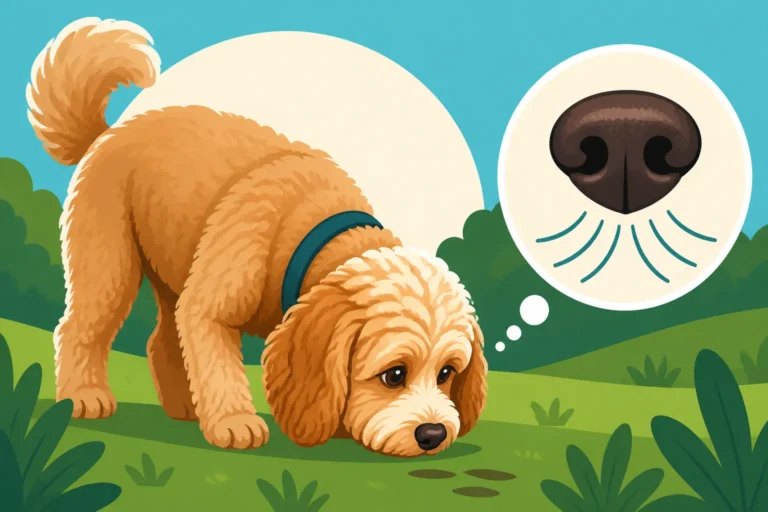
This means a strong natural instinct to chase, investigate, and sometimes even mouth small, quick-moving things. They have what's often called a "soft mouth," meaning they were bred to retrieve downed birds without damaging them, which is a good sign for potential harm, but the drive to chase is still very much present. Picture a Cocker Spaniel in a field: its nose is to the ground, its tail is wagging furiously, and it's systematically quartering the area, searching for any hidden creature. This drive is a powerful part of their genetic makeup, and it definitely transfers to many Cockapoos. The Flushing Job Behind a Cockapoo's Spaniel Half is a great read if you want to dive deeper into this specific trait.
The Poodle's Sporting Background
Now, let's talk about the Poodle. Many people just see the fancy show clips and assume they're dainty lapdogs, but nothing could be further from the truth. Poodles, especially Standard and Miniature Poodles (which are most commonly used in Cockapoo breeding), are highly intelligent, athletic, and were originally bred as water retrievers. Their job was to retrieve ducks and other waterfowl for hunters from lakes and rivers.
This background instills a different, but equally potent, set of instincts. Poodles have excellent scenting abilities, a strong retrieve drive, and the physical prowess to pursue game. While they might not "flush" in the same way a spaniel does, their intelligence and athleticism mean they can quickly learn to track and retrieve. Their intense focus and energy, when combined with the spaniel's eagerness, can make for a formidable chase instinct. The curly coat, often associated with Poodles, also played a role in their working lives, providing insulation against cold water, further highlighting their practical, sporting origins.
How These Instincts Combine in a Cockapoo
So, when you blend these two intelligent, active, and instinctively driven breeds, you often get a Cockapoo with a noticeable prey drive. This drive usually manifests as an intense desire to chase anything small and fast-moving – squirrels, rabbits, birds, or even leaves blowing in the wind. It's often more about the thrill of the chase than a true intent to kill. Many Cockapoos will "flush" or herd an animal rather than attack it.
However, the line between chasing and potentially harming can be thin, especially if the Cockapoo manages to catch a small, vulnerable creature. While a true "killer instinct" might be rare, an accidental injury or death can still occur from the sheer force of the chase, an excited bite, or simply overwhelming a smaller animal. It’s crucial for owners to understand that this isn't a sign of aggression or a "bad" dog; it's a natural, deep-seated instinct that needs careful management and redirection. Some Cockapoos might even surprise you with how Whether a Cockapoo Swims Without Being Taught due to their Poodle heritage, showing just how ingrained some of these working traits are.
Assessing the Risk: What "Small Animals" Mean to a Cockapoo
The term "small animals" can cover a huge range of creatures, and a Cockapoo's reaction can differ dramatically depending on what kind of small animal it encounters. It's not a one-size-fits-all situation, and understanding these nuances can help you better prepare and protect all creatures in your Cockapoo's world.
Rodents and Small Mammals
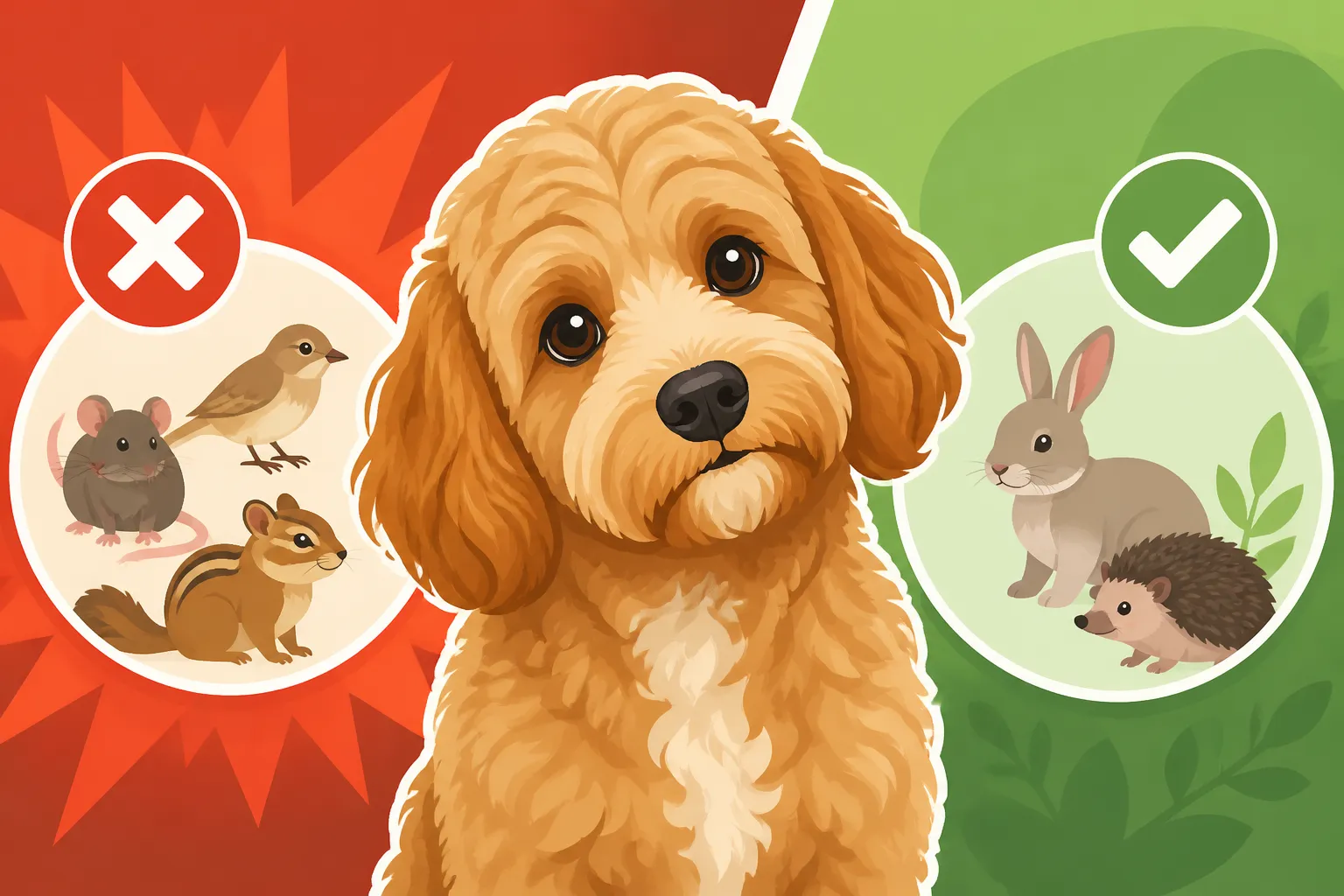
This category includes the usual suspects that get dogs excited: squirrels, rabbits, chipmunks, mice, and voles. For many Cockapoos, these are the ultimate chase objects. The erratic movements, quick bursts of speed, and darting patterns trigger that primal hunting sequence.
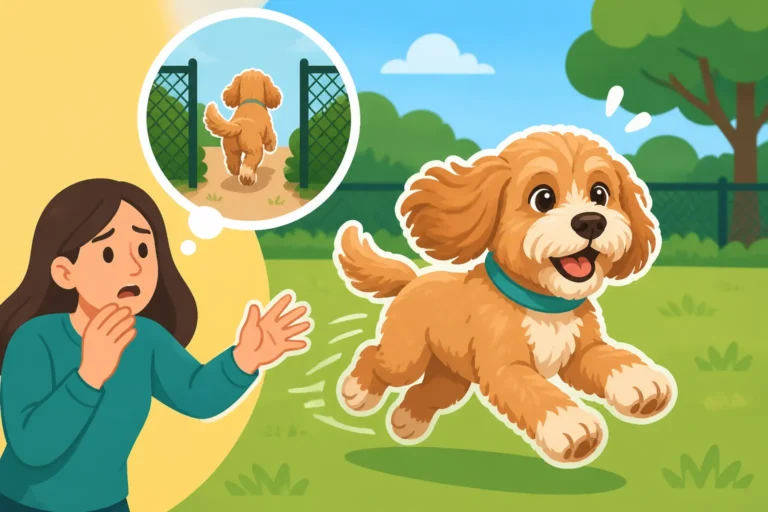
- Squirrels and Chipmunks: These are often the biggest culprits for getting a Cockapoo's attention. They are quick, agile, and often found in backyards and parks. A Cockapoo will likely pursue these with intense focus, trying to tree them or corner them. The risk here is less about the Cockapoo successfully catching and killing a squirrel (they're often too fast and good at escaping) and more about the dog running into traffic, getting lost, or injuring itself in the pursuit. Whether a Cockapoo Chases Squirrels is a common worry, and for good reason!
- Rabbits: Young rabbits, or those that are less agile, can be more vulnerable. While the primary instinct is to flush and chase, a caught rabbit could suffer injury from a Cockapoo's playful but powerful jaws. Again, a reliable recall and keeping your Cockapoo leashed in areas where rabbits are common is paramount.
- Mice and Voles: These tiny creatures might trigger a more intense predatory response due to their size. A Cockapoo that catches a mouse might instinctively shake it, which could quickly lead to its demise. This is less common in a controlled home environment, but something to be aware of if your Cockapoo is in an area with rodent populations.
Birds and Fowl
Whether it's a robin in the garden or a flock of pigeons in the park, birds can also ignite a Cockapoo's prey drive. Their fluttering movements and quick take-offs are irresistible to many dogs.
- Wild Birds: Similar to squirrels, chasing wild birds is often more about the fun of the chase. Most wild birds are quick enough to escape a dog. However, a Cockapoo might persistently try to corner birds, potentially stressing them or disrupting nests if allowed off-leash in inappropriate areas. For this reason, always be mindful when walking your Cockapoo near sensitive wildlife habitats.
- Domestic Fowl (Chickens, Ducks): This is where the risk can increase. If you live on a farm or have backyard chickens, a Cockapoo's flushing and retrieving instincts need very careful management. A Cockapoo might see chickens as large, slow-moving birds that are easy targets for "flushing." An excited Cockapoo could injure or kill a chicken, especially if unsupervised. Introduction and training must be done with extreme caution and never without direct supervision.
Domestic Pets and the Cockapoo
This is perhaps the most sensitive area of concern for many owners. Can a Cockapoo live safely with a cat, a guinea pig, a hamster, or even another small dog?
- Cats: Many Cockapoos can coexist peacefully with cats, especially if introduced properly when both are young. However, the chasing instinct can still kick in. A Cockapoo might view a running cat as something to pursue. While a grown cat can usually defend itself or escape to high ground, constant chasing can be stressful for the cat and lead to injuries for either animal. Whether a Cockapoo Can Be Taught to Leave the Cat is a popular question, and the answer is usually yes, with consistent training and management.
- Pocket Pets (Guinea Pigs, Hamsters, Rabbits, Birds in Cages): This is where the risk of harm is highest. To a Cockapoo, especially one without proper training and socialization, a small, furry, squeaky animal in a cage can look very much like prey. Their size, vulnerability, and instinctive movements make them highly appealing to a dog's prey drive. It's generally advised that direct, unsupervised interaction between a Cockapoo and pocket pets should never happen. Even "friendly" sniffing can turn into something more serious if the dog gets too excited or the smaller animal panics. The potential for a Cockapoo to accidentally or intentionally kill such a pet is significant if proper precautions aren't taken.
Managing and Training a Cockapoo's Prey Drive
Understanding the instincts is one thing; learning how to manage them in the real world is another. The good news is that with consistent training, early socialization, and smart management strategies, you can minimize the risks and help your Cockapoo live peacefully alongside other small creatures.
Early Socialization and Exposure
Starting early is always best. A puppy's brain is like a sponge, soaking up all the experiences you provide.
- Diverse Experiences: Expose your Cockapoo puppy to a wide variety of sights, sounds, smells, and appropriate interactions from a young age. This helps them learn what is "normal" and reduces fear or over-excitement around new things, including different types of animals.
- Positive Introductions: If you know your Cockapoo will live with smaller pets, begin introductions very slowly and carefully, always under strict supervision, and always ensuring positive experiences. This means treats, calm voices, and short sessions. Never force an interaction.
- Puppy Classes: Puppy classes are invaluable not just for basic obedience, but for controlled socialization with other dogs and people. This builds confidence and teaches your pup how to behave in different environments. A reputable online training program like BAXTER & Bella can provide structured guidance for these early stages, even if you can't get to in-person classes immediately.
Training for Impulse Control
This is the cornerstone of managing a strong prey drive. Teaching your Cockapoo to control their impulses is about more than just obedience; it's about building a solid foundation of communication and trust.
- "Leave It" and "Drop It": These commands are non-negotiable. "Leave It" teaches your Cockapoo to disengage from something tempting (like a squirrel) and focus on you. "Drop It" is for when they already have something in their mouth. Practice these commands frequently, starting with low-value items and gradually increasing the distraction level. Use high-value treats as rewards.
- Reliable Recall: This is perhaps the single most important command for a dog with a prey drive. Your Cockapoo must come back to you every single time, even if they're mid-chase. Start practicing recall in a low-distraction environment and gradually increase distractions. Use a long line (you can find great options on Amazon) for safety during practice in open areas. Building a Recall a Cockapoo Answers in all situations takes dedication, but it’s absolutely vital for their safety and the safety of other animals.
- Focus Exercises: Teach your Cockapoo to make eye contact with you on command (e.g., "Look at me"). This helps redirect their attention away from potential prey and back to you.
- Scent Work and Enrichment: Channel that natural sniffing and hunting drive into acceptable activities. Scent work games, puzzle toys, and interactive feeders can provide mental stimulation and satisfy their desire to "work" without harming living creatures. Hiding treats around the house for them to sniff out is a simple, effective activity. Scent Work That Satisfies a Cockapoo can make a huge difference in managing their energy.
Safe Management Strategies
Training isn't enough; you also need to implement practical management strategies to prevent unwanted encounters.
- Leash Walking: Always keep your Cockapoo on a leash when outside, unless you are in a securely fenced area. Even in a fenced yard, supervise them closely, as determined Cockapoos can sometimes find ways to escape or dig under fences if sufficiently motivated by a chase.
- Secure Fencing: If you have a yard, ensure the fencing is secure, without gaps or weak spots where a small dog could squeeze through or dig under. Consider the height of your fence too, as some athletic Cockapoos can clear surprisingly high barriers.
- Avoid Off-Leash in Risky Areas: Never let your Cockapoo off-leash in areas known to have abundant wildlife (e.g., open fields with rabbit burrows, dense woods, bird sanctuaries). Even if you think their recall is perfect, the instinct can be overwhelmingly strong. Whether a Cockapoo Is Safe Off Leash on Open Ground is a question many owners ponder, and often, the answer leans towards caution.
- Supervision: This is the golden rule, especially with domestic smaller pets. Never leave your Cockapoo unsupervised with a smaller animal, regardless of how well they seem to get along. Accidents can happen in a split second.
Living Peacefully: Integrating a Cockapoo with Other Small Animals
Bringing a Cockapoo into a home with existing small pets, or vice versa, requires a thoughtful, patient approach. It’s about creating an environment where everyone feels safe and respected.
Introducing Your Cockapoo to a New Pet
When introducing your Cockapoo to a new smaller pet like a cat, guinea pig, or rabbit, a slow and controlled process is vital. This isn't a one-time event; it's a gradual, ongoing process of desensitization and positive association.
- Separate Spaces: Initially, keep the animals completely separate. The smaller pet should have its own secure room or enclosure where the Cockapoo cannot reach it. This allows both animals to settle in and get used to each other's scents without direct, stressful interaction.
- Scent Swapping: Take a blanket or toy from each animal and swap them. This allows them to become familiar with each other's scent in a non-threatening way. Observe your Cockapoo's reaction to the new scent – curiosity is good, intense arousal or aggression is a red flag.
- Controlled Visuals (with barriers): Once they are calm with scent swapping, allow brief visual introductions through a barrier, like a baby gate or a sturdy crate. Keep your Cockapoo on a leash during these times. Reward calm behavior (looking at you, sitting quietly) with high-value treats. If either animal shows signs of stress (hissing, growling, lunging, trembling), immediately increase the distance or end the session.
- Short, Supervised Interactions: If barrier introductions go well, proceed to short, closely supervised interactions. Keep your Cockapoo leashed, and ensure the smaller pet has a clear escape route or a secure hiding spot. Focus on positive reinforcement for your Cockapoo's calm behavior. For example, if they lie down calmly while the cat walks by, praise and reward them. Use commands like "leave it" if your Cockapoo shows too much interest. Introducing a Cockapoo to the Dog You Have or a new cat requires similar principles of patience and control.
- Never Force It: Some dogs and cats simply will never be best friends, and that's okay. The goal is peaceful coexistence, not forced affection. If one animal is consistently stressed, it's best to maintain separate living arrangements and supervise all interactions closely.
Ongoing Supervision and Management
Even after successful introductions, ongoing vigilance is absolutely essential. A Cockapoo's prey drive is an instinct, and instincts can resurface, especially in moments of high excitement or if the smaller animal makes a sudden, tempting move.
- Establish Clear Rules: Ensure everyone in the household understands and adheres to the rules for interactions. This means no unsupervised time, no teasing, and always respecting the smaller animal's space.
- Safe Retreats: Make sure your smaller pets have plenty of places they can go to escape your Cockapoo. This might mean cat trees, high shelves, or secure tunnels and hideaways for guinea pigs or rabbits. These safe zones reduce stress for the smaller animals and prevent your Cockapoo from feeling like they can endlessly pursue them.
- Continue Training: Reinforce "leave it," "drop it," and recall regularly, even when there are no small animals around. Consistent practice keeps these commands sharp for when you truly need them.
- Provide Ample Enrichment: A bored Cockapoo is more likely to create their own "fun," which might involve harassing smaller pets. Ensure your Cockapoo gets plenty of physical exercise, mental stimulation, and appropriate outlets for their natural drives. This includes regular walks, playtime, and engaging toys. Consider investing in interactive puzzle toys from places like Amazon to keep their minds active.
By proactively managing your Cockapoo's natural instincts through training, thoughtful introductions, and consistent supervision, you can create a harmonious home where all your beloved pets can thrive safely alongside each other. It’s a commitment, but one that ensures the well-being of every member of your furry family.
Here's a quick overview of management strategies:
| Small Animal Type | Cockapoo's Typical Drive | Primary Risk | Key Management Strategies |
|---|---|---|---|
| Wild Rodents (Squirrels, Rabbits) | Chase, Flush, Tree | Running off, injury in pursuit | Strong recall, leash walking, secure yard, "leave it" command |
| Wild Birds | Chase, Flush, Stalk | Running off, stressing wildlife | Strong recall, leash walking, "leave it" command |
| Domestic Fowl (Chickens) | Flush, Chase, Herd | Injury/Death | Strict supervision, secure enclosures, "leave it", separate areas |
| Cats | Chase, Play, Investigate | Stress for cat, potential injury | Early positive introduction, safe cat retreats, "leave it", supervision |
| Pocket Pets (Guinea Pigs, Hamsters) | Chase, Predatory Interest | Injury/Death | Never unsupervised, secure cages, "leave it", separate rooms |
Disclaimer
This article is for general informational purposes only and does not constitute professional advice. Laws, prices and regulations vary by location and change over time. Consult a qualified professional for guidance on your specific situation.