Whether a Cockapoo Bolts After Birds
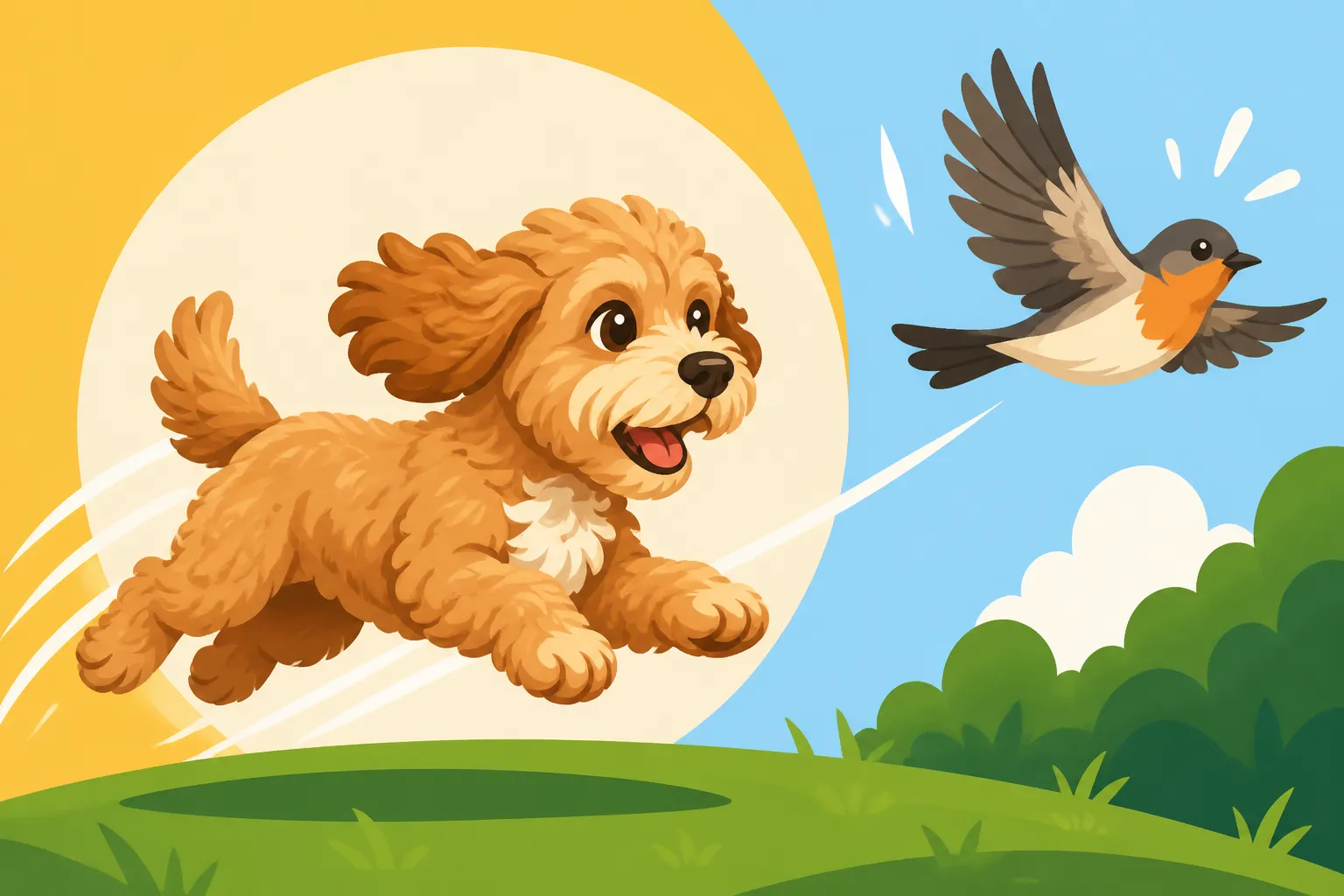
It's a common scenario that can strike fear into any Cockapoo owner's heart: that split second your beloved pup spots a bird, and despite all your calls, they're off, a blur of fur and flapping ears. This instinctual chase, often a source of frustration and anxiety, is deeply rooted in their heritage. This guide will help you understand why your Cockapoo bolts after birds and, more importantly, equip you with practical strategies to manage and mitigate this powerful prey drive, keeping your furry friend safe and your walks more enjoyable.
The Deep Roots of the Bird Chase in Your Cockapoo's DNA
When your Cockapoo suddenly takes off after a flock of pigeons or a lone robin, it's not because they're being disobedient (though it certainly feels that way in the moment!). It's a powerful genetic inheritance, a symphony of instincts from both the Cocker Spaniel and Poodle sides of their family tree. Understanding these ancestral roles is the first step in truly appreciating the challenge, and finding effective ways to work with, rather than against, your dog's nature.
The Cocker Spaniel's Flushing Heritage
Let's start with the Cocker Spaniel. For generations, these dogs were bred specifically to be gun dogs, working alongside hunters to find and "flush" game birds from dense cover. Think about it: a Cocker's entire purpose was to dive into bushes, scent out a bird, and then make it fly up so the hunter could shoot it. This requires an incredibly keen nose, boundless energy, and an intense focus on avian prey. They're built for it, physically and mentally.
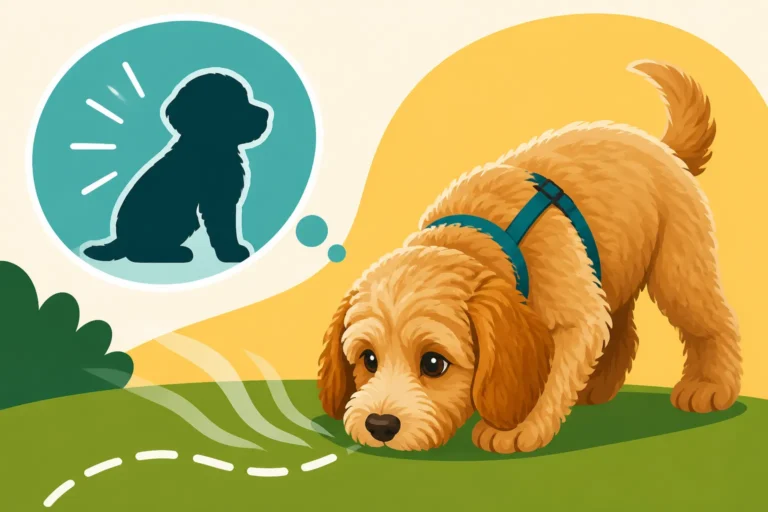
When you see your Cockapoo's nose hit the ground, or their head snap up at the flutter of wings, you're witnessing generations of selective breeding come alive. That urge to chase, to explore every rustle in the undergrowth, is The Flushing Drive Still Alive in a Cockapoo. They're not trying to be naughty; they're simply responding to an ancient call that tells them: "Bird! Go find!" It's a drive that is hardwired, not a choice.
The Poodle's Water Retriever Role
Then we have the Poodle, often mistakenly thought of as purely a fancy show dog. But before they graced pedestals, Poodles were formidable water retrievers, known for their intelligence and athleticism. Their job was to retrieve downed game birds from water, often in cold, harsh conditions. This also demands a strong interest in birds, the drive to follow a trajectory, and the stamina to swim and carry.
While their method might differ from the Cocker's flushing style, the underlying theme is the same: birds were part of their job description. They had to be attentive to the hunter's signals, yes, but they also needed a significant internal drive to pursue and bring back game. So, your Cockapoo essentially inherits a double dose of "bird fascination" – one from the flusher, one from the retriever. This combination can create a very high-drive companion when it comes to feathered friends.
The "Cockapoo Combo" of Prey Drive
What we get in a Cockapoo is often a delightful, intelligent, and affectionate companion, but one that carries this potent cocktail of hunting instincts. They might not be out in the field working, but those genetic predispositions are very much alive. This means that a Cockapoo can be incredibly sensitive to the sight, sound, or even scent of birds, and their immediate response might be to engage that deeply embedded prey drive.
This isn't a flaw in their character; it's simply who they are. Accepting this inherent drive is crucial for managing it effectively. Instead of getting angry, try to empathize with the intense biological urge your dog feels. It helps to shift your mindset from "my dog is misbehaving" to "my dog is being a dog," which allows you to approach the situation with patience and training solutions rather than just frustration.
Unpacking the "Bolt" Behavior: Beyond Just a Chase
When your Cockapoo bolts after birds, it’s not always a simple case of seeing, chasing, and catching. There’s a complex interplay of sensory input, internal rewards, and a complete override of learned behaviors that leads to that sudden, heart-stopping dash. Understanding these elements can help you predict and manage the behavior more effectively.
The Scent and Sight Trigger
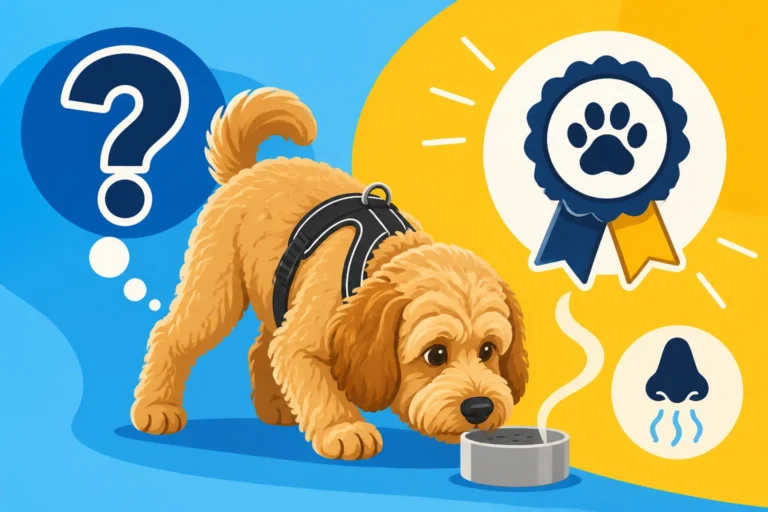
For many dogs, especially those with a strong hunting heritage like the Cockapoo, the trigger for a chase can be incredibly subtle. It's often not just the obvious flapping wings of a bird taking flight. A Cockapoo might pick up the faintest scent of a bird nesting nearby, or catch a glimpse of a rapid movement in the periphery of their vision, even if the bird itself isn't immediately identifiable. These sensory cues act as powerful stimulants, instantly activating their prey drive.
The Cocker Spaniel side contributes a formidable nose, capable of dissecting a multitude of smells, while the Poodle offers sharp eyesight and the ability to track movement over distances. Combined, your Cockapoo has a formidable sensory detection system honed for finding and pursuing small, fast-moving targets. Once that trigger is pulled, whether by scent or sight, the impulse to bolt can be almost instantaneous, leaving you feeling helpless on the other end of the leash (or worse, if they're off-leash). This is why training needs to be truly bomb-proof, as these instincts are deeply ingrained.
The Dopamine Rush
The act of chasing, even if the bird escapes unharmed, is incredibly self-rewarding for a dog. When a dog engages in a natural, instinctual behavior like chasing prey, their brain releases a flood of dopamine and other feel-good neurochemicals. This creates a powerful positive feedback loop: chase = good feeling. Every time your Cockapoo successfully chases a bird, even if they don't catch it, they get a chemical reward that reinforces the behavior. It actually feels good for them to do it.
This inherent reward system is why simply punishing the chase after it happens is often ineffective. The dog has already received its internal reward, and the punishment might just confuse them or associate you with negativity, rather than stopping the chase itself. Effective training needs to build a stronger, more consistent reward for not chasing, or for returning when called, that can compete with this powerful internal dopamine rush. This is a significant hurdle for many owners.
The Consequences of the Bolt
Beyond the immediate frustration, a Cockapoo bolting after birds carries very real and serious risks. The most obvious danger is traffic. A dog focused on a chase is deaf and blind to cars, bikes, and other hazards. Many heartbreaking stories begin with a momentary lapse in focus and a dog darting into a road. Getting lost is another major concern; a Cockapoo with its nose to the ground or eyes on a bird can quickly cover significant distance and lose its bearings, especially in unfamiliar territory.
Furthermore, there's the risk of encounters with other animals – not just birds, but perhaps another dog or even wildlife that might not appreciate being chased. A scuffle with an irritated squirrel or a larger, territorial dog could lead to injury. For their own safety and your peace of mind, managing this bolting behavior is paramount. It’s not just about obedience; it's about protecting your beloved companion from very real dangers in the world.
Practical Strategies to Counter the Bird Bolt
While you can't erase a Cockapoo's natural prey drive, you can absolutely manage it with consistent training, management tools, and a deep understanding of their motivations. The goal isn't to make them ignore birds entirely (that's unrealistic!), but to teach them to respond to you even when the urge to chase is strong.
Foundation Training: Recall is Paramount
The single most important tool in your arsenal against the bird bolt is a rock-solid recall. If your Cockapoo will reliably come back to you, even when distracted, you’ve won half the battle. Start recall training in a quiet, distraction-free environment, like your living room or a fenced yard. Use high-value treats (think cheese, cooked chicken, or liver paste – something truly irresistible) and make it a fun game. Call their name, say "come!" or "here!", and when they arrive, reward them lavishly.
Gradually introduce more distractions. Take them to a quiet park on a long line (we'll get to those!) and practice. Then move to areas with a few more people or distant dogs. The key is to set them up for success, rewarding them heavily for choosing to come back to you over whatever tempting distraction is nearby. This isn't just about yelling "come" louder when they see a bird; it’s about building a consistent, positive association with returning to you that is stronger than the lure of the chase. Consistency is absolutely everything here; a half-hearted recall will lead to a half-hearted response when it matters most. For more in-depth guidance, look into Building a Recall a Cockapoo Answers.
Long Lines and Controlled Exposure
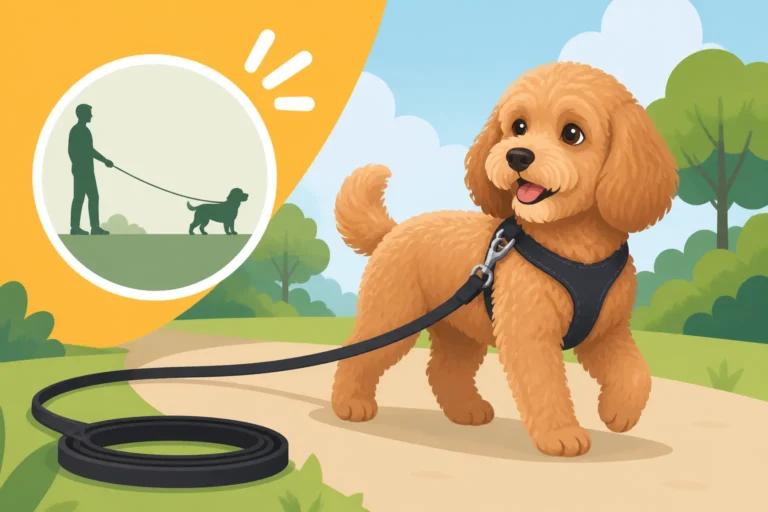
Long lines are your best friend for practicing recall and managing the bird-chasing instinct safely in more open environments. An attached long line (think 20-30 feet) allows your Cockapoo to roam a bit, sniff around, and even get close to potential bird triggers without the risk of them truly bolting away and getting lost or hurt. You maintain control, and it's a fantastic way to transition from off-leash dreams to reality.
When you see a bird or suspect one might appear, gently gather some of the long line. If your Cockapoo starts to fixate, give your recall command and encourage them back, rewarding heavily. If they ignore you and start to bolt, you can use the long line to safely interrupt the chase, then redirect their attention back to you. This provides a crucial teaching moment without the panic of them being truly off-leash. Remember, the long line is for training and safety, not for yanking your dog around. It's about giving them freedom within safe boundaries, as discussed in Working a Cockapoo on a Long Line. Many great long lines are available on platforms like Amazon, offering different lengths and materials to suit your dog and environment.
Engaging Alternatives and Distractions
The best defense is often a good offense. Instead of waiting for your Cockapoo to spot a bird, actively engage their brain and body with alternative, equally rewarding activities. Carry a favorite squeaky toy or a tug toy. If you see a bird before they do, immediately engage them with the toy, making it more exciting than the potential chase. A quick game of tug or fetch can completely redirect their focus.
Scent work is another fantastic way to tap into their natural instincts in a controlled and positive manner. Instead of hunting birds, they can hunt treats! Hide treats in the grass and encourage them to sniff them out. This engages their powerful nose in a way that is less destructive and highly satisfying for them. Scent Work That Satisfies a Cockapoo can offer many ideas. The goal is to make you and the games you offer more interesting and rewarding than the fleeting excitement of a bird chase.
Desensitization and Counter-Conditioning
This is a more advanced technique that involves changing your Cockapoo's emotional response to birds. The idea is to associate birds with something positive rather than a chase trigger. This is a gradual process and requires patience. Start by observing birds from a distance where your Cockapoo notices them but doesn't react with a strong urge to chase. The moment they glance at a bird without lunging, immediately mark that moment with a verbal cue (like "yes!") and reward them with a high-value treat.
Slowly, over many sessions, you can decrease the distance to the birds. The key is to stay below their "threshold" – the point where their prey drive takes over. If they start to get too excited, you've moved too close too fast. Back up, increase the distance, and try again. The goal is for them to eventually see a bird and look at you expectantly, knowing a treat is coming, rather than fixating on the bird itself. This can be tricky and might benefit from the guidance of a professional trainer.
Essential Tools and Training Resources for Success
Managing a Cockapoo's bird-bolting behavior is a journey, not a destination. It requires the right tools, consistent effort, and sometimes, a little extra help. Don't feel discouraged; every step you take to train and manage this instinct is a win for your dog's safety and your peace of mind.
Essential Gear
Having the right equipment can make a world of difference in managing your Cockapoo's prey drive.
- Long Lines: As mentioned, these are invaluable. Look for a durable, lightweight long line that's easy to handle. A 20-30 foot line is often a good starting point for practicing recall in open areas. You can find a wide variety of options and reviews on online retailers like Amazon.
- A Well-Fitting Harness: A harness, rather than just a collar, is crucial for control and safety, especially if your Cockapoo is prone to lunging or pulling. It distributes pressure more evenly across their chest, preventing strain on their neck and throat, and makes it harder for them to slip out if they suddenly reverse course during a chase.
- High-Value Treats: These are your secret weapon. Regular kibble won't cut it when competing with the thrill of a chase. Find what your Cockapoo absolutely adores – small pieces of cheese, cooked meat, or commercial soft training treats. These treats need to be small enough to be eaten quickly without distracting them for too long.
- Interactive Toys: Keep a favorite toy handy – a squeaky ball, a tug rope, or a flirt pole (a toy on a stick, great for mimicking prey movement in a controlled way). These can be used to redirect their attention before a bird even becomes an issue, or as a reward for successful recall.
Professional Guidance
Sometimes, despite your best efforts, you might feel stuck. If your Cockapoo's prey drive feels overwhelming, or if you're struggling with consistency, don't hesitate to reach out to a certified professional dog trainer. A good trainer can observe your dog's specific behaviors, assess the intensity of their drive, and provide tailored strategies and hands-on guidance.
They can help you perfect your recall, teach you advanced distraction techniques, and even work on specific desensitization protocols. They can also offer insight into why Whether a Cockapoo Ignores You Once It Scents Something and how to overcome it. Investing in professional help is an investment in your dog's safety and your relationship with them. Always look for trainers who use positive reinforcement methods and are certified by reputable organizations.
Online Training Programs
For those who prefer to learn at their own pace or need a more structured approach you can access from home, online training programs can be incredibly helpful. Platforms like BAXTER & Bella offer comprehensive online courses and one-on-one coaching for puppies and adult dogs, covering everything from basic obedience to more complex behavioral challenges like managing prey drive.
These programs often include video tutorials, written guides, and sometimes even live Q&A sessions with trainers. They can provide a structured curriculum that helps you break down the training process into manageable steps, offering support and guidance along the way. This kind of resource can be particularly valuable for consistent, long-term training at home, reinforcing good habits and proactively addressing challenging behaviors.
| Strategy | Best Use Case | Key Tools | Benefit |
|---|---|---|---|
| Solid Recall Training | Fundamental skill for any off-leash freedom | High-value treats, consistent practice | Dog chooses to return to you, even with distractions; core safety net. |
| Long Line Practice | Safe exploration in distraction-rich environments | Durable long line, harness | Allows practice with controlled freedom, prevents true bolting, builds confidence in recall. |
| Engaging Alternatives | Proactive distraction before a bird is spotted | Favorite toys, scent work games, treats | Redirects focus away from birds, makes you more interesting than the environment. |
| Desensitization | Changing emotional response to birds | Treats, patience, controlled exposure | Dog learns to associate birds with positive outcomes (treats) rather than chase urges. |
| Professional Help | When struggling or for complex cases | Certified trainer's expertise, custom plans | Tailored advice, hands-on guidance, helps break through plateaus. |
Disclaimer
This article is for general informational purposes only and does not constitute professional advice. Laws, prices and regulations vary by location and change over time. Consult a qualified professional for guidance on your specific situation.