How Long a Long Line a Cockapoo Needs
It’s a scenario many Cockapoo owners know all too well: you’re enjoying a lovely walk, your furry companion is trotting along, and then bam – a squirrel, a leaf, an interesting scent, and suddenly your perfectly behaved pup is halfway across the field, deaf to your frantic calls. That heart-stopping moment of a recall gone wrong is incredibly frustrating and frankly, quite scary. This guide is dedicated to helping you navigate those challenges by exploring the role of a long line, specifically focusing on how long a long line a Cockapoo needs, to empower both you and your dog to build truly reliable recall and enjoy safe, expansive adventures.
Why Your Cockapoo Needs a Long Line and What It Actually Does
Let's be real, the idea of a "perfect" off-leash dog can feel like a distant dream when you have a Cockapoo. They are delightful, intelligent, and often eager to please, but those inherited instincts are powerful! A long line isn't a crutch; it's a vital training tool that bridges the gap between structured leash walks and the freedom of true off-leash exploration, all while keeping your precious pup safe.
The Call of the Wild: Understanding Your Cockapoo's Instincts
Your Cockapoo is a wonderful mix of two highly intelligent breeds: the Cocker Spaniel and the Poodle. From the Cocker side, they often inherit a strong "flushing drive," meaning they are naturally inclined to investigate scents and flush out potential game from cover. This isn't them being disobedient; it's instinct. When a Cockapoo's nose hits an interesting trail – be it a rabbit, a squirrel, or just a really good patch of smelly grass – their brain can quite literally switch off to everything else around them. You might be calling their name until you’re hoarse, but in that moment, the scent is all that matters. The Flushing Drive Still Alive in a Cockapoo explains this in more detail.
This intense focus on scent, combined with a quick burst of speed, is why many Cockapoos can suddenly disappear from sight, leaving you in a panic. You love their zest for life and their keen intelligence, but this particular trait can make off-leash adventures incredibly risky, especially in areas with roads, other animals, or unfamiliar territory. They're not doing it to spite you; they're just following their nose.
The Gap Between Leash Walks and Off-Leash Freedom
Traditional leash walks are fantastic for controlled exercise and teaching manners in bustling environments. However, a standard six-foot leash doesn't allow your Cockapoo much room to explore, sniff, and move naturally. They don't get the chance to practice making choices at a distance, which is crucial for building confidence and developing a reliable recall. On the flip side, simply letting them off-leash in an unfenced area, especially without rock-solid recall, is an open invitation for trouble. It's a risk most responsible owners aren't willing to take, and rightly so.
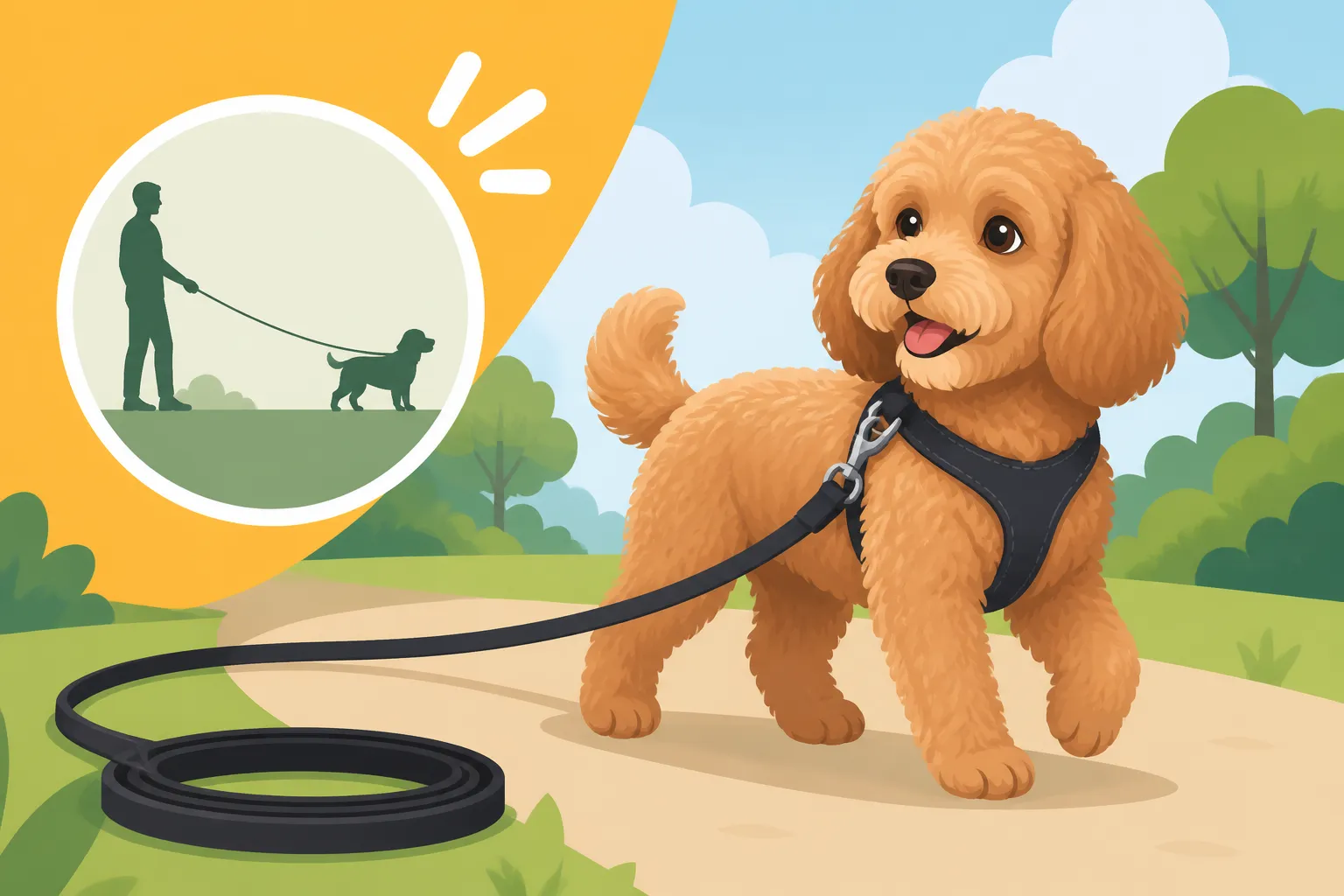
This is where the long line comes in. It's not a leash for walking; it's a safety tether for training. It gives your Cockapoo a much greater radius to investigate, to run, to bound, and to feel a sense of freedom, all while remaining connected to you. This connection is physical and psychological, assuring both of you that they can't simply vanish into the horizon.
Building a Bridge to Reliable Recall
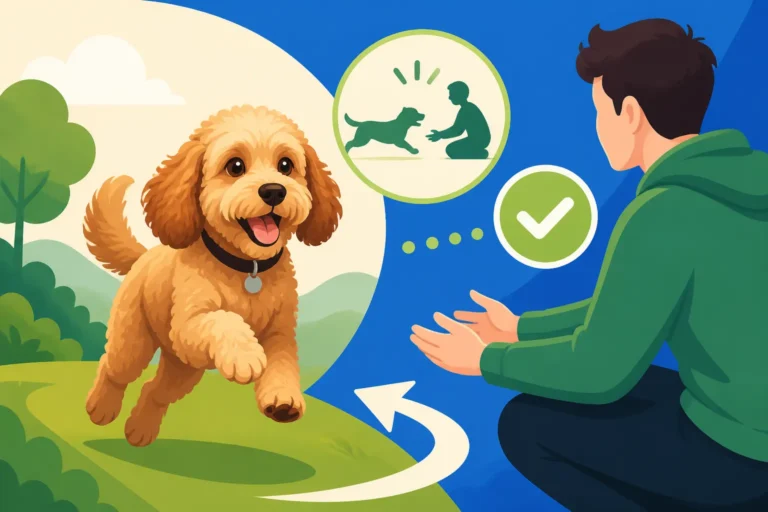
The primary purpose of a long line for a Cockapoo is to practice and reinforce recall in a controlled yet expansive environment. Imagine trying to teach your dog to come when called when they're 50 feet away and have just spotted a deer. Without a long line, your only option might be to let them go, potentially reinforcing the idea that ignoring you leads to fun, self-rewarding pursuits. With a long line, you have a safety net. You can allow them to investigate, then gently, physically guide them back to you when you call, rewarding them heavily for returning.
This tool allows you to simulate off-leash scenarios, giving you the ability to interrupt unwanted behaviors or redirect their attention before they get too far. It teaches your Cockapoo that coming back to you is always more rewarding than continuing whatever distraction has caught their eye, without ever having to risk a true "oops" moment. It's about setting them up for success, gradually building their understanding and trust in your commands, even when exciting things are happening around them. Building a Recall a Cockapoo Answers delves deeper into how to achieve this.
Deciding on the Perfect Long Line Length for Your Cockapoo
Choosing the right length of long line isn't a one-size-fits-all decision. It depends heavily on where you'll be training, what you're trying to achieve, and your Cockapoo's individual personality and training level.
Environmental Considerations: Where Will You Be Training?
The environment where you plan to use the long line is probably the single biggest factor in determining its ideal length.
- Small, Semi-Open Areas (e.g., small park, large backyard): If you're working in a smaller space or an area with a lot of trees, benches, or other obstacles, a shorter long line (like 15 or 20 feet) is often more practical. A longer line would quickly become a tangled mess, wrapping around everything and potentially causing injury to your Cockapoo if they dart around an obstacle too quickly. In these spaces, you still get more range than a standard leash, but with less hassle.
- Open Fields and Beaches: These are the prime locations for longer lines. Wide-open spaces like empty sports fields, large meadows, or quiet beaches allow your Cockapoo to really stretch their legs and practice recall from a significant distance without the risk of immediate entanglement. This is where 30, 50, or even 100-foot lines really shine, offering an experience closer to true off-leash freedom. Whether a Cockapoo Should Be Off Leash in Woods highlights why certain environments require caution.
- Trails with Light Undergrowth: For nature trails with some clearings and light brush, a medium-length line (20-30 feet) can work well. It allows exploration but keeps you close enough to prevent your Cockapoo from getting lost in denser vegetation or pulling too hard against snags.
Tailoring Length to Your Cockapoo's Size and Energy
While the environment is key, your Cockapoo's physical characteristics and temperament also play a role.
- Size and Strength: A larger, stronger Cockapoo, particularly a Maxi Cockapoo, might need a slightly heavier-duty long line to ensure it can withstand their pull, especially when they hit the end of the line. Smaller Cockapoos might do well with lighter, thinner lines that are less cumbersome for them to drag. However, remember the purpose is not to hold them constantly, but to guide them.
- Energy Levels: High-energy Cockapoos who love to sprint and cover ground quickly will benefit from longer lines in appropriate spaces, allowing them to burn off energy while still practicing recall. A very calm Cockapoo might not need as much length to feel satisfied.
- Training Level: If you're just starting long line training, a shorter line (15-20 feet) can be less overwhelming for both you and your Cockapoo. It allows you to maintain better control and build confidence before graduating to longer lengths. As their recall improves, you can gradually increase the length, giving them more autonomy.
A Guide to Common Long Line Lengths
Let's break down the most common long line lengths and what they're best suited for. You can find a wide variety of these lines on platforms like Amazon, often made of nylon or biothane.
| Long Line Length | Typical Use Case | Pros | Cons |
|---|---|---|---|
| 15-20 feet | Initial recall training, smaller open spaces, crowded parks with some grass | Good control, less tangling, easier to manage | Limited range for extensive running/exploration |
| 30 feet | Intermediate recall, larger parks, light hiking trails, beaches | Good balance of freedom and control, versatile | Can tangle in dense brush, requires more handling skill |
| 50 feet | Advanced recall, wide-open fields, large beaches, scent work | Maximum freedom for running and exploration | Challenging to manage in obstacles, can get very tangled, harder to clean |
| 100 feet+ | Specialist training (e.g., tracking), very vast open spaces | Ultimate freedom, for highly specific training purposes | Very difficult to manage, high entanglement risk, only for experienced handlers and dogs |
For most Cockapoo owners focused on general recall and giving their dog some freedom, a 20-30 foot line is often the sweet spot. If you have access to truly expansive, obstacle-free areas, a 50-foot line can be incredibly rewarding. Remember, the goal is to safely allow your Cockapoo to explore, but always within the bounds of your ability to manage the line. Working a Cockapoo on a Long Line offers more specific techniques.
Practical Application: Using Your Cockapoo's Long Line Safely and Effectively
A long line is an amazing tool, but only when used correctly and safely. It's not just about letting your Cockapoo drag it behind them; it's about active engagement and management.
Essential Gear and Safety Precautions
Before you even step out with a long line, a few things are absolutely crucial for your Cockapoo's safety and your peace of mind:
- Harness, Not Collar: This is non-negotiable. Always attach the long line to a well-fitting harness, ideally one with a front clip or a sturdy back clip. Never attach it to a neck collar. If your Cockapoo suddenly bolts and hits the end of a long line attached to a collar, it can cause severe neck injuries, including tracheal damage or whiplash. A harness distributes the pressure across their chest and shoulders, preventing harm.
- Appropriate Line Material: Long lines come in various materials. Nylon is common, affordable, and durable, but can get wet and heavy, and if it slides through your hand quickly, it can cause rope burn. Biothane (a coated webbing) is fantastic because it's waterproof, easy to clean, doesn't absorb odors, and offers a good grip without burning. Choose a material that suits your needs and the environment.
- Check the Environment: Before letting your Cockapoo roam, do a quick scan of the area. Look for hazards like broken glass, sharp objects, steep drops, busy roads, or dense, thorny bushes that could entangle the line or injure your dog.
- Wear Gloves (Optional but Recommended): If you're using a longer line or have a particularly strong Cockapoo, a pair of thin but durable gloves can protect your hands from rope burn, especially if your dog makes a sudden dash.
Introducing the Long Line: A Positive First Experience
Your Cockapoo's first few experiences with the long line should be calm and positive. You want them to associate it with freedom and fun, not restriction or fear.
- Start Short: Even if you bought a 50-foot line, start by only letting out 10-15 feet. Let them sniff around, get used to the feel of the line trailing behind them, and occasionally feeling a gentle tension.
- Choose a Quiet, Familiar Place: A fenced yard or a very quiet park with no distractions is ideal for the first few sessions. This allows your Cockapoo to focus on the new sensation without being overwhelmed.
- Positive Reinforcement is Key: When your Cockapoo looks back at you, even briefly, or checks in, immediately reward them with praise and a high-value treat. If they ignore your call and reach the end of the line, don't yank it harshly. Instead, gently reel them in while cheerfully calling their name, and reward them the moment they arrive. The goal is to make returning to you the best thing ever.
Mastering Recall and Engagement on the Long Line
The long line is your ultimate tool for proofing recall. This means practicing "come" in increasingly distracting environments.
- Call, Reel, Reward: When you call your Cockapoo's name, if they don't immediately turn to come, gently apply tension to the line while continuing to call them in an excited, happy voice. As they start moving towards you, release tension so they feel like they're choosing to come. When they reach you, throw a party! High-value treats, enthusiastic praise, and maybe even a quick game of tug are essential.
- Vary Locations and Distractions: Once your Cockapoo has a good grasp of recall in a quiet area, gradually introduce more distractions. Start with mild distractions (another person walking by, a distant dog) and slowly work up to busier parks. The long line ensures that even if they falter, you can still bring them back and reward the return. Teaching a Cockapoo to Check In on a Walk can offer more tips.
- Practice "Check-Ins": Encourage your Cockapoo to periodically check in with you, even without a command. When they do, reward them! This builds a strong bond and encourages them to keep you in mind while exploring. This habit is crucial for when they eventually transition to off-leash.
- Incorporate Play: Use the long line to facilitate games like fetch or hide-and-seek, where coming back to you is part of the fun. This makes training feel less like work and more like play, which your intelligent Cockapoo will appreciate. Online training platforms, such as those offered by BAXTER & Bella, often have modules dedicated to long line work and recall games.
- Use it for scent work: If your Cockapoo has a strong nose, a long line is perfect for letting them explore scents safely. Let them zigzag and sniff, only intervening if they venture into a dangerous area or ignore a recall. Whether a Cockapoo Zigzags on a Walk is a great read on this natural behavior.
Maintenance and Care for Your Long Line
A well-maintained long line will last longer and be safer to use.
- Cleaning: Depending on the material, clean your long line regularly. Nylon can be machine washed in a laundry bag; Biothane simply wipes clean with soap and water. This is especially important if it gets muddy or drags through unsavory areas.
- Storage: Avoid just stuffing your long line into a bag. Coil it neatly after each use to prevent tangles. Many owners use a small carabiner to clip the coiled line together or use a dedicated long line holder you can find on Amazon. A tangled line is a tripping hazard and a frustrating start to any training session.
- Inspection: Periodically check the line for any signs of wear and tear – frayed edges, weak points, or damage to the clasp. Replace it if you notice any significant degradation.
Progressing Beyond the Long Line with Your Cockapoo
The long line is a stepping stone. The ultimate goal for many is a Cockapoo with a reliable off-leash recall.
Assessing Readiness for Off-Leash Adventures
How do you know when your Cockapoo is ready to ditch the long line? It's a gradual process, and there's no fixed timeline.
- Consistent Recall Success: Your Cockapoo should reliably come back to you, with enthusiasm, even when there are mild to moderate distractions, while on the long line. This means they choose to return, rather than you having to physically guide them every time.
- Voluntary Check-Ins: They should be frequently looking back at you, orienting themselves to your position, and engaging with you without prompts.
- Ignoring Distractions: While on the long line, they should be able to resist the urge to chase every squirrel or follow every scent when you give a clear "leave it" or "come" command.
- Your Comfort Level: This is huge. You need to feel confident that your Cockapoo will respond to your calls, even if something unexpected happens. If you're still feeling anxious, keep using the long line.
When you do start allowing short bursts of off-leash time, choose very low-distraction, completely safe, fenced areas initially. Gradually increase the duration and introduce more stimuli. Always carry a long line with you, even for "off-leash" excursions, as a safety backup. Whether a Cockapoo Is Safe Off Leash on Open Ground provides more insights into making this transition.
Complementary Training and Continuing Education
Long line training is just one piece of the puzzle. To foster a truly well-behaved Cockapoo, continuous training and enrichment are vital.
- Whistle Recall: A whistle can be incredibly effective for recall, especially over long distances or in noisy environments. Dogs often generalize human voices, but a whistle is a distinct, consistent sound. Whether a Whistle Recall Beats a Voice on a Cockapoo explains why this can be a powerful tool.
- Scent Work and Enrichment: Tap into your Cockapoo's natural sniffing abilities with dedicated scent work games. This mental exercise can be just as tiring as physical exercise and helps satisfy their innate drives in a constructive way.
- GPS Collar: For extra peace of mind, especially if you venture into very large, unfenced areas, a GPS collar can be a lifesaver. It allows you to track your Cockapoo's location if they do manage to slip away or get lost. Whether a Cockapoo Needs a GPS Collar discusses the merits of these devices.
- Ongoing Obedience: Never stop training! Continue to reinforce basic obedience commands and challenge your Cockapoo with new tricks and skills. This keeps their mind active and strengthens your bond.
Ultimately, the long line is an invaluable investment in your Cockapoo's safety and your relationship. It provides the freedom your energetic companion craves while giving you the peace of mind that they are secure. By choosing the right length and using it consistently, you'll be well on your way to enjoying many happy, safe adventures together. However, remember that training is a lifelong journey, and sometimes, a Cockapoo's instincts can truly take over, as discussed in The Age a Cockapoo's Recall Falls Apart.
Disclaimer
This article is for general informational purposes only and does not constitute professional advice. Laws, prices and regulations vary by location and change over time. Consult a qualified professional for guidance on your specific situation.