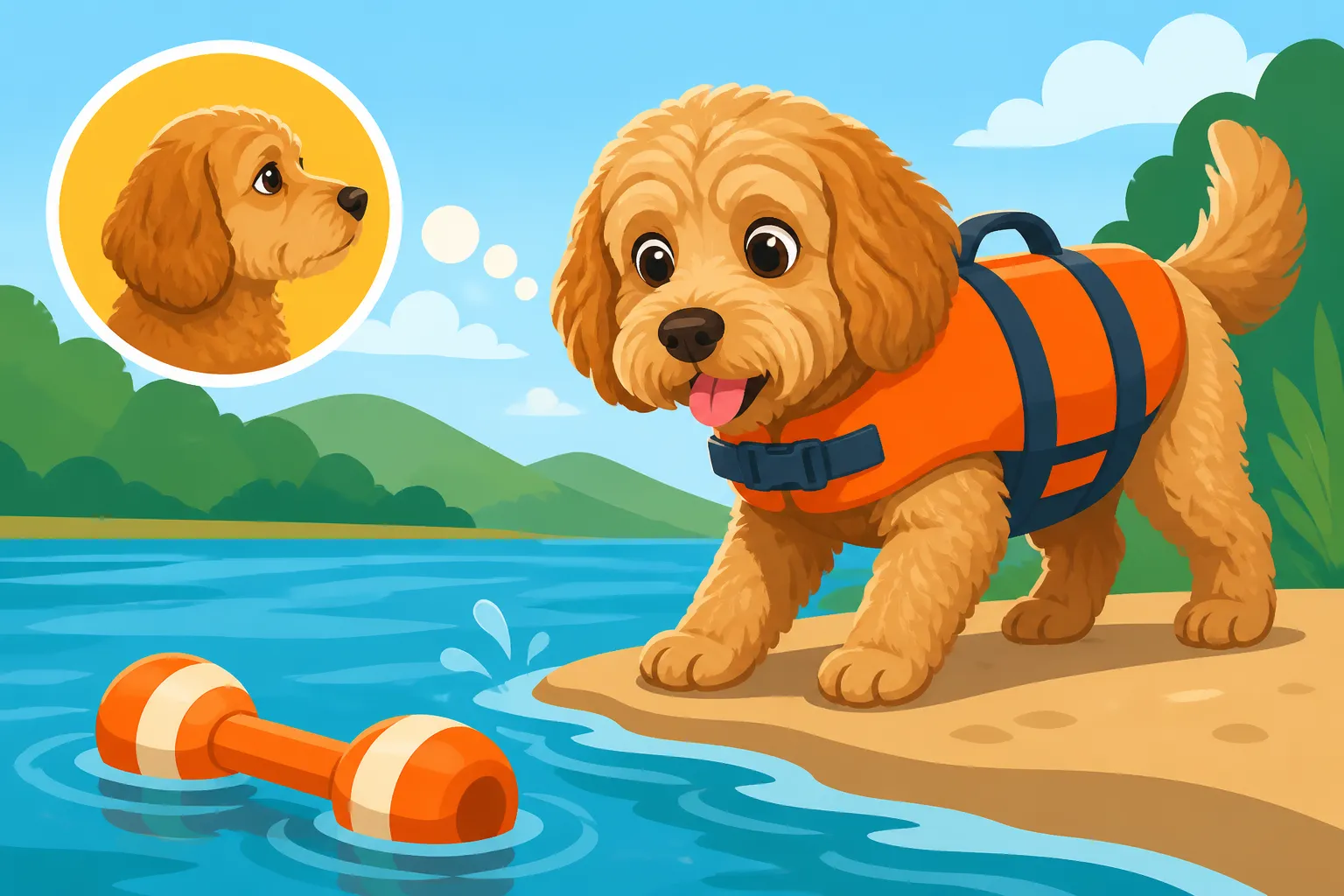
Introducing a Cockapoo to Water Safely
It’s a common misconception that all dogs are natural-born swimmers, ready to leap into any body of water at a moment’s notice. While Cockapoos often inherit an affinity for water from their Poodle ancestry, and sometimes a love of retrieving from their Cocker Spaniel side, many can still be quite hesitant or even fearful when first introduced to swimming. This guide is here to walk you through a gentle, positive, and safe approach to help your Cockapoo become comfortable and confident in and around water.
Understanding Your Cockapoo's Potential Water Inclination
Before we even think about dipping a paw into the water, it's helpful to understand the genetic tapestry that makes up your beloved Cockapoo. Both parent breeds contribute traits, and these can either lean towards a natural swimmer or one who needs a bit more encouragement.
The Poodle's Natural Affinity for Water
Poodles, regardless of their size, were originally bred as water retrieving dogs. Their dense, curly coats, which are often mistakenly thought of as purely aesthetic, are actually designed to protect them from cold water and brambles, making them excellent swimmers. This heritage means many Cockapoos inherit a strong genetic predisposition to enjoying water. They might be naturally buoyant, have an instinct to paddle efficiently, and even enjoy the sensation of getting wet. If your Cockapoo seems to dive right in, wagging their tail, you're likely seeing this Poodle influence shine through. They might take to swimming as easily as they take to cuddling on the couch, making it seem like Whether a Cockapoo Swims Without Being Taught is a resounding yes!
The Cocker Spaniel's Diverse Relationship with Water
The Cocker Spaniel side adds another layer of complexity. American and English Cocker Spaniels were bred for flushing and retrieving game, often from dense cover, which could include marshy areas or shallow streams. This hunting drive means they're not typically afraid of getting their feet wet. However, unlike Poodles, they weren't primarily water retrievers in the same dedicated sense. Some Cockers love water with an enthusiastic passion, while others might view it as just another obstacle to get through to reach a scent. Their long, feathery ears, while beautiful, can also be a point of discomfort in water, as they can hold moisture and lead to ear infections if not properly dried. This can sometimes make a Cockapoo, particularly one with more prominent Cocker traits, a little more cautious about diving headfirst into a lake.
Individual Personality Trumps Breed Tendencies
Ultimately, every Cockapoo is an individual, and their personality will play a huge role in their comfort level with water. You might have a Cockapoo from two water-loving lines who still prefers dry land, or one whose parents never touched water but becomes an Olympic swimmer. Past experiences, even subtle ones, can shape their perception. A scary splash as a puppy, a cold bath, or even just a lack of exposure can make them wary. Observing your dog's reaction to puddles, baths, or even just the sprinkler can give you clues. Don't assume anything based purely on breed; watch your specific furry friend and respect their cues. Forcing them into water will only create a negative association, making future attempts much harder. Instead, focusing on positive training and fun activities, much like teaching them other commands or games, can be really effective. Whether a Cockapoo Needs a Sport to Be Manageable often comes down to tapping into their natural drives and making activities enjoyable.
A Step-by-Step Guide to Positive Water Introduction
Introducing your Cockapoo to water should be a slow, positive, and pressure-free process. The goal is to build confidence and make it a fun experience, not a chore or a fright.
Starting Small and Safe: The Kiddie Pool Adventure
Begin your water journey in the most controlled and least intimidating environment possible: a shallow kiddie pool in your backyard. Fill it with just a few inches of lukewarm water – enough to cover their paws but not deep enough to make them feel submerged.
Place some of their favorite floating toys in the water. These could be durable rubber balls, squeaky toys designed for water play, or even a handful of their regular kibble scattered in the shallow end. Don't force your Cockapoo into the pool. Instead, sit by the edge, talk to them in a happy, encouraging voice, and toss treats or toys near and into the water. Let them approach at their own pace. If they just dip a paw, celebrate that tiny victory! Gradually, you can entice them further in. Many Cockapoos have a strong The Flushing Drive Still Alive in a Cockapoo, which means they might be eager to "flush out" those toys from the water, making it a natural fit for their instincts. Keep these sessions short and sweet, always ending on a positive note, even if they only got their toes wet. The BAXTER & Bella online puppy school, for instance, offers fantastic resources on positive reinforcement techniques that can be directly applied here, focusing on reward-based learning to build confidence.
Gradual Progression to Larger Bodies of Water
Once your Cockapoo is happily splashing in the kiddie pool, you can consider moving to a slightly larger, natural body of water. Choose a calm lake shore, a gentle stream with a shallow, sandy entry point, or a quiet section of a dog-friendly beach. Avoid strong currents, steep drop-offs, or areas with murky water where you can't see the bottom.
Always keep your Cockapoo on a long line or leash at first, especially if they are new to this environment. This provides a sense of security for both of you and allows you to guide them without physical force. Walk into the shallow water yourself, and encourage your dog to follow. Again, use plenty of treats, praise, and favorite floating toys. You can toss a toy a little further out each time, but only as far as your dog is comfortable going. Remember, this isn't about deep-sea diving yet; it's about associating natural water with fun. If your Cockapoo is keen on retrieving, this can be an excellent way to engage them. Teaching a Cockapoo to Bring the Ball Back in water can become a wonderful game.
Making it Fun and Engaging: Playmates and Positive Energy
The key to a water-loving Cockapoo is positive association. Make every water experience a party! Bring high-value treats – cheese, bits of hot dog, chicken – anything your dog absolutely loves. Use an enthusiastic, happy tone of voice.
Consider inviting a confident, water-loving dog friend along, assuming both dogs are well-socialized and enjoy each other's company. Sometimes, seeing another dog confidently paddle and play can encourage a hesitant Cockapoo to join in. Just ensure the other dog isn't overly boisterous or pushy. If your Cockapoo seems stressed or backs away, immediately reduce the intensity and go back to a more comfortable level of exposure. Don't force them. Their unique personality, influenced by both their Cocker and Poodle heritage, means some will be naturally more outgoing and adventurous than others. Focusing on what they enjoy, rather than what you expect, is crucial for success.
Essential Gear and Safety Measures for Water Play
Safety should always be your top priority when introducing your Cockapoo to water. Having the right gear and understanding potential hazards can make all the difference.
The Importance of a Dog Life Vest
Even if your Cockapoo seems like a natural swimmer, a well-fitting dog life vest is a non-negotiable piece of equipment, especially in deeper or open water, or if they're still building confidence. Think of it as a safety net. It provides buoyancy, reducing the effort your dog needs to stay afloat, which can prevent fatigue and allow them to enjoy the experience longer. Many vests also have a sturdy handle on the back, which is incredibly useful for guiding your dog, lifting them out of the water, or helping them if they get into trouble.
When selecting a life vest, look for one that fits snugly but doesn't restrict movement, especially around the front legs. Bright colors are also a good idea for visibility. You can find a wide range of options on platforms like Amazon, with various sizes and designs to suit your Cockapoo's build. Introduce the vest to your dog before going to the water; let them wear it around the house for short periods, associating it with treats and praise, so it's not a strange or uncomfortable sensation when they get to the lake.
Choosing Safe Water Environments
Not all water is created equal, and some environments pose more risks than others.
- Avoid fast-moving water: Rivers with strong currents can quickly sweep a small dog away, even a strong swimmer.
- Beware of steep drop-offs: Lakes or ponds can have sudden, deep sections that might surprise and scare a dog, making it hard for them to get back to shore. Always check the entry point yourself.
- Look out for hazards: Sharp rocks, broken glass, fishing lines, or excessive algae can be dangerous. Algae blooms can be toxic, so always check local advisories.
- Consider water temperature: Very cold water can lead to hypothermia, especially in smaller Cockapoos. In summer, warm, stagnant water can harbor bacteria or parasites.
- Supervision is paramount: Never leave your Cockapoo unattended near water, even for a moment. Accidents can happen quickly.
For a clearer overview, here's a table comparing different water environments suitable for introducing your Cockapoo:
| Environment Type | Pros for Introduction | Cons/Considerations |
|---|---|---|
| Shallow Kiddie Pool | Controlled, safe, easy access, warm water, familiar scent | Limited space, not natural swimming experience, can seem boring after a while |
| Calm Lake Shore | Natural feel, shallow entry, often warmer, open space | Unseen objects, other wildlife, potential for sudden depth changes, can be murky |
| Gentle River/Stream | Flowing water (can be exciting), good for wading | Current can be unpredictable, colder water, slippery rocks, potential for debris |
| Dog-Friendly Beach | Fun, wavy motion (can be exciting), sand for digging | Strong currents, saltwater ingestion, other dogs/distractions, sun exposure |
| Private Swimming Pool | Controlled, clean, predictable depth, easy exit points | Chemical exposure (chlorine), slippery edges, perceived as less natural |
Post-Swim Care for Your Cockapoo
After a fun swim, proper post-care is crucial to prevent health issues.
- Rinse thoroughly: If your Cockapoo has been in saltwater, chlorinated pool water, or murky pond water, rinse their coat thoroughly with fresh, clean water. This helps prevent skin irritation and removes any lingering chemicals or debris.
- Dry ears meticulously: Cockapoos inherit floppy ears from both parent breeds, and these can trap moisture, creating a perfect breeding ground for yeast and bacteria. Thoroughly dry their ears with a soft towel, and consider using a vet-recommended ear cleaner if they are prone to ear infections. This is particularly important, as prolonged dampness can lead to issues that might require a trip to the vet, addressing concerns like Whether a Cockapoo's Ears Should Be Tied Back to Swim or simply diligent drying.
- Check for hot spots: Moisture trapped against the skin, especially in a dense Cockapoo coat, can lead to painful hot spots. Hot Spots on a Cockapoo That Has Been Swimming are a real concern. Ensure their coat is thoroughly dried, especially in areas like armpits, groin, and under their floppy ears. A quick-drying towel or even a low-setting dog-specific blow dryer can be very helpful.
- Paw inspection: Check paws for any cuts, scrapes, or embedded debris from the water environment.
Addressing Common Concerns and Building Confidence
Even with the best intentions, you might encounter some challenges when introducing your Cockapoo to water. Patience and understanding are your most valuable tools.
Reading Your Cockapoo's Body Language
Your Cockapoo communicates a lot through their body language. It's vital to "listen" to them.
- Signs of enjoyment: A relaxed body, loose tail wag, eager sniffing, playful splashes, retrieving toys with enthusiasm, or shaking off water with joy.
- Signs of hesitation or fear: Tail tucked, ears flattened, attempting to escape, wide eyes, lip licking, yawning (stress signals), shivering, or a stiff, rigid posture. They might refuse treats or avoid eye contact.
If you see signs of fear, stop immediately. Pushing a fearful dog will only create a lasting negative association. The goal is to build confidence, and that means respecting their boundaries. Take a break, try again another day, or revert to a simpler, less intimidating step, like just playing near the empty kiddie pool.
Overcoming Fear and Anxiety with Positive Reinforcement
If your Cockapoo is genuinely fearful, it's going to take time and a gentle approach. Break down the process into tiny, achievable steps and reward every single one.
- Proximity: Reward them for simply being near the water (even a dry kiddie pool).
- Interaction with empty pool: Reward for sniffing or stepping into a dry kiddie pool.
- A few drops of water: Introduce a tiny amount of water, just enough to cover the bottom. Reward.
- Increasing depth slowly: Gradually add more water over multiple sessions, always rewarding their calm presence.
- Adding toys: Once comfortable with the depth, add their favorite floating toys.
- Your presence: Get in the shallow water yourself and encourage them to join you, using your voice and body language to show them it's safe and fun.
Remember, this isn't a race. Some dogs take weeks or even months to feel comfortable. Celebrate small victories. A training program like BAXTER & Bella can be incredibly helpful for owners struggling with fear or anxiety in their dogs, offering structured lessons and support for positive reinforcement techniques that build confidence in new situations. Just like Introducing a Cockapoo to the Sound of a Gun requires immense patience and desensitization, so does overcoming fear of water.
Consistency and Positive Reinforcement for Lasting Confidence
Consistency is key. Regular, positive, short sessions are far more effective than infrequent, long, or forceful ones. Aim for a few minutes of happy water exposure a few times a week rather than one overwhelming session. Always end on a high note, with success and praise, even if it's just for a small splash.
Use plenty of high-value treats and enthusiastic verbal praise. Your Cockapoo wants to please you, and positive reinforcement strengthens that bond and makes them eager to try new things. If they associate water with fun, treats, and your happy demeanor, they are much more likely to develop a lifelong love for it. This isn't just about swimming; it's about building a trusting relationship and helping your Cockapoo navigate the world with confidence and joy. Whether you're teaching them new tricks or introducing them to novel experiences like water, a consistent, positive approach will always yield the best results.
Disclaimer
This article is for general informational purposes only and does not constitute professional advice. Laws, prices and regulations vary by location and change over time. Consult a qualified professional for guidance on your specific situation.