The Weeks a Cockapoo Takes to Ask to Go Out
Bringing a new Cockapoo puppy home is an absolute joy, but let's be real: that joy often comes with a side of anxiety about house training. You're probably wondering, with a laundry list of questions, just how long it will take before your sweet little fluffball consistently tells you they need to go outside, rather than just silently puddling on your rug. This comprehensive guide is here to walk you through the realistic timeline and effective strategies for teaching your Cockapoo puppy to ask to go out, setting you both up for a cleaner, happier home life.
Understanding the Cockapoo Puppy's Bladder Development
It’s easy to get frustrated when your tiny Cockapoo puppy has an accident just minutes after being outside, but it’s crucial to remember that their little bodies are simply not equipped for long-term bladder control at first. They're like human babies in that regard – the physical development of their urinary system dictates a lot about their initial capabilities. Expecting a newborn puppy to hold it for hours is just as unrealistic as expecting a human infant to be fully potty trained.
The Physical Milestones of Potty Control
A Cockapoo puppy's bladder and bowel control develops gradually, much like other physical milestones such as walking or fetching. In the earliest weeks, typically before eight weeks old, puppies have very little control. Their bladders are small, and the neurological pathways that signal "I need to go!" and allow them to hold it for even a short period are still maturing. They often go immediately upon waking, after eating, and during or after playtime, almost instinctively. It's less about asking at this stage and more about immediate physiological need.
As they grow, usually around 8 to 12 weeks, you might start noticing slight improvements. They might be able to hold it for a few minutes longer, perhaps making it just outside the door if you're quick enough. This is the period where they start connecting the urge to go with the act of going, and with consistent training, the idea of where to go begins to sink in. Think of it as their internal plumbing gaining a bit more strength and their brain starting to pay attention to those signals. This isn't just about training; it's about physical maturation.
The Role of Age in Potty Training
Generally speaking, a Cockapoo puppy's ability to "ask" to go out, rather than just having an accident, is directly tied to their age and, more specifically, their physical development. A common rule of thumb is that a puppy can hold their bladder for approximately one hour per month of age, plus one hour. So, an 8-week-old (2-month-old) puppy might manage around 3 hours. A 12-week-old (3-month-old) puppy could hold it for about 4 hours. This is a guideline, not a strict rule, and individual puppies will vary.
This age-based expectation is vital because it manages your own stress and ensures you're not setting your puppy up for failure. If you have an 8-week-old Cockapoo and you leave them unattended for four hours, an accident isn't a training failure on their part; it's a physiological inevitability. Understanding this helps you create a realistic schedule and prevents unnecessary frustration for both of you. Don't worry if your little one isn't a superstar right away; patience is truly a virtue here. For more insights on this, you might find our article How Long a Cockapoo Puppy Holds It Overnight helpful, as overnight holding is often the biggest challenge.
Individual Differences and Early Learning
Just like people, every Cockapoo puppy is an individual, and their potty training journey will vary. Some puppies are naturally cleaner and pick up on the cues faster, while others might take a bit longer to grasp the concept. Factors like their parents' house training history, their early environment (was their whelping area kept clean and separate from their potty spot?), and even their breed mix can play a role. The Poodle side of a Cockapoo is often praised for its intelligence and eagerness to please, which can be a huge asset in training. However, the Cocker Spaniel side, with its sometimes more sensitive nature, might mean some puppies are more prone to submissive urination or need a gentler touch.
What happens in their first few weeks can significantly impact their future. If a puppy was raised in an environment where they were forced to live and sleep in their own waste, they might lose their natural instinct to keep their den clean, making house training a longer process for you. This is why choosing a responsible breeder is so important. When you bring your Cockapoo puppy home, their initial experiences, good or bad, will either reinforce good habits or create challenges you'll need to gently correct. Every interaction, every trip outside, and every clean-up contributes to their learning curve.
Setting Up for Potty Training Success
Potty training isn't just about teaching your Cockapoo where to go; it's equally about teaching them where not to go and, crucially, providing them with the means to communicate their needs. A structured environment and a proactive approach from you will be the bedrock of this success. Without a clear framework, your puppy will struggle to understand what you want from them.
Creating a Consistent Schedule and Routine
Consistency is the absolute golden rule of potty training. Puppies thrive on routine, and a predictable schedule helps them anticipate when they'll have the opportunity to relieve themselves. This means taking your Cockapoo out at the same times every day: first thing in the morning, immediately after waking from naps, after every meal and drink, before bedtime, and frequently throughout the day, especially after periods of play or excitement.
Imagine your puppy's day: wake up, potty. Eat breakfast, potty. Play for a bit, potty. Nap, wake up, potty. The more consistently you follow this, the faster your puppy will associate going outside with relieving themselves. If your schedule is erratic, it's confusing for your puppy, and accidents become more likely. Consider setting timers on your phone every 1-2 hours initially, just to make sure you're taking them out often enough. A detailed schedule can be found in our post The First Week With a Cockapoo Puppy.
Here's an example of a typical puppy potty schedule:
| Time | Activity |
|---|---|
| 7:00 AM | Wake up, immediately outside for potty |
| 7:15 AM | Breakfast |
| 7:30 AM | Immediately outside for potty |
| 7:45 AM – 8:45 AM | Playtime/Training |
| 8:45 AM | Outside for potty |
| 9:00 AM | Crate nap |
| 11:00 AM | Wake up, immediately outside for potty |
| 11:15 AM | Lunch |
| 11:30 AM | Immediately outside for potty |
| 11:45 AM – 12:45 PM | Playtime/Training |
| 12:45 PM | Outside for potty |
| 1:00 PM | Crate nap |
| 3:00 PM | Wake up, immediately outside for potty |
| 3:15 PM | Small snack/Chew toy |
| 3:30 PM | Outside for potty |
| 3:45 PM – 5:45 PM | Playtime/Walks |
| 5:45 PM | Outside for potty |
| 6:00 PM | Dinner |
| 6:15 PM | Immediately outside for potty |
| 6:30 PM – 8:30 PM | Family time/Relax |
| 8:30 PM | Outside for potty |
| 9:30 PM | Last potty break before bed |
| 10:00 PM | Bedtime (crate) |
Note: This is a sample schedule and should be adjusted based on your puppy's age, individual needs, and your lifestyle.
The Importance of a Designated Potty Spot
Choosing a specific spot in your yard or on your balcony for your Cockapoo to do their business is incredibly helpful. Dogs, including Cockapoos, often prefer to go in areas where they can smell previous eliminations. By consistently taking them to the same spot, you're not only creating a routine but also reinforcing the "potty zone" through scent. This becomes their outdoor bathroom, making it easier for them to understand what's expected when they arrive there.
When you take your puppy to their spot, keep distractions to a minimum. This isn't play time; it's business time. Use a consistent phrase like "Go potty" or "Do your business" every single time you want them to relieve themselves. This verbal cue can eventually help them associate the words with the act, giving you a powerful tool, especially in new or urgent situations. Once they've successfully gone, then you can offer praise and a small treat. This clear distinction helps them understand that the reward is for the act of going, not just for being outside.
Essential Potty Training Supplies
Having the right tools on hand can make a significant difference in the ease and speed of potty training your Cockapoo. A well-fitted crate is paramount. Dogs naturally don't want to soil their sleeping area, so a crate, when used correctly, becomes a powerful potty training aid. Make sure the crate is just large enough for them to stand up, turn around, and lie down comfortably. If it's too big, they might use one end as a bathroom. You can find excellent crate options on Amazon, often with dividers to adjust the size as your puppy grows.
Other key supplies include:
- Enzymatic Cleaner: Accidents will happen. A good enzymatic cleaner is essential for neutralizing odors that might attract your puppy back to the same indoor spot. Regular cleaners might mask the smell for you, but your puppy's super sensitive nose will still detect it.
- Potty Pads (with caution): While some owners use potty pads, especially in apartments or for very small puppies, they can sometimes confuse puppies by teaching them that it's okay to go inside. If you use them, be clear about their purpose and aim to phase them out quickly by moving them closer to the door and eventually outside.
- High-Value Treats: These are non-negotiable for positive reinforcement. Small, soft, super-tasty treats that your puppy doesn't get at any other time will motivate them to perform when they go outside.
- Long Leash/Training Line: Useful for keeping your puppy close in their designated potty spot, especially if your yard isn't fenced or if they tend to wander and get distracted.
- A "Potty Bell" or Button (optional): Some people have great success teaching their Cockapoo to ring a bell hanging by the door to signal they need to go out. This provides a clear way for your puppy to ask to go.
Kitting Out a Cockapoo Before It Comes Home offers more ideas for setting up your puppy's space.
Recognizing and Responding to Potty Signals
The pivotal moment in potty training, the one you're really looking for, is when your Cockapoo starts to communicate their need to go before an accident happens. This is where your observational skills come into play. Your puppy will develop their own unique ways of telling you, and learning to read these signals quickly is crucial.
Decoding Your Cockapoo's Cues
Before a puppy can truly "ask" to go out, they often display a series of pre-potty behaviors. These can be subtle at first, especially with an energetic Cockapoo who might be easily distracted. Look for:
- Restlessness: Pacing, wandering away from the group, suddenly stopping play.
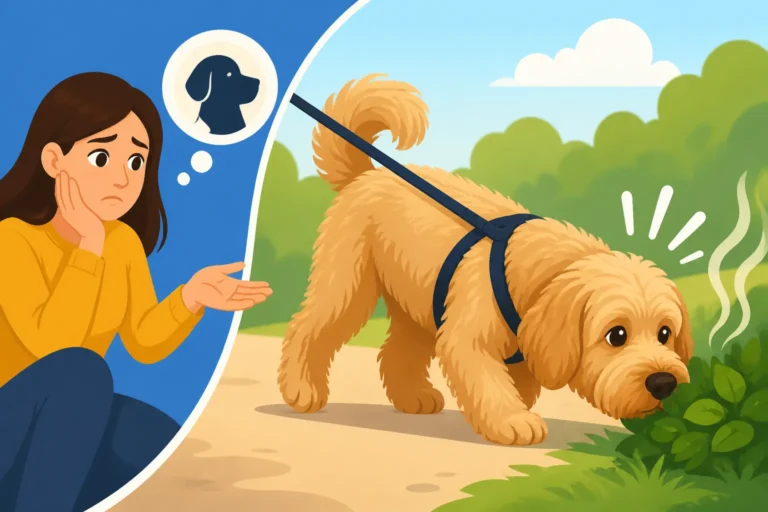
- Sniffing: Intensively sniffing the floor, especially in corners or near doors. This is them "shopping" for a spot.
- Circling: A puppy often circles a few times before settling into a squat or position to relieve themselves.
- Whining or Barking: Some puppies will start to vocalize, though this might initially be more generalized "I need something" communication.
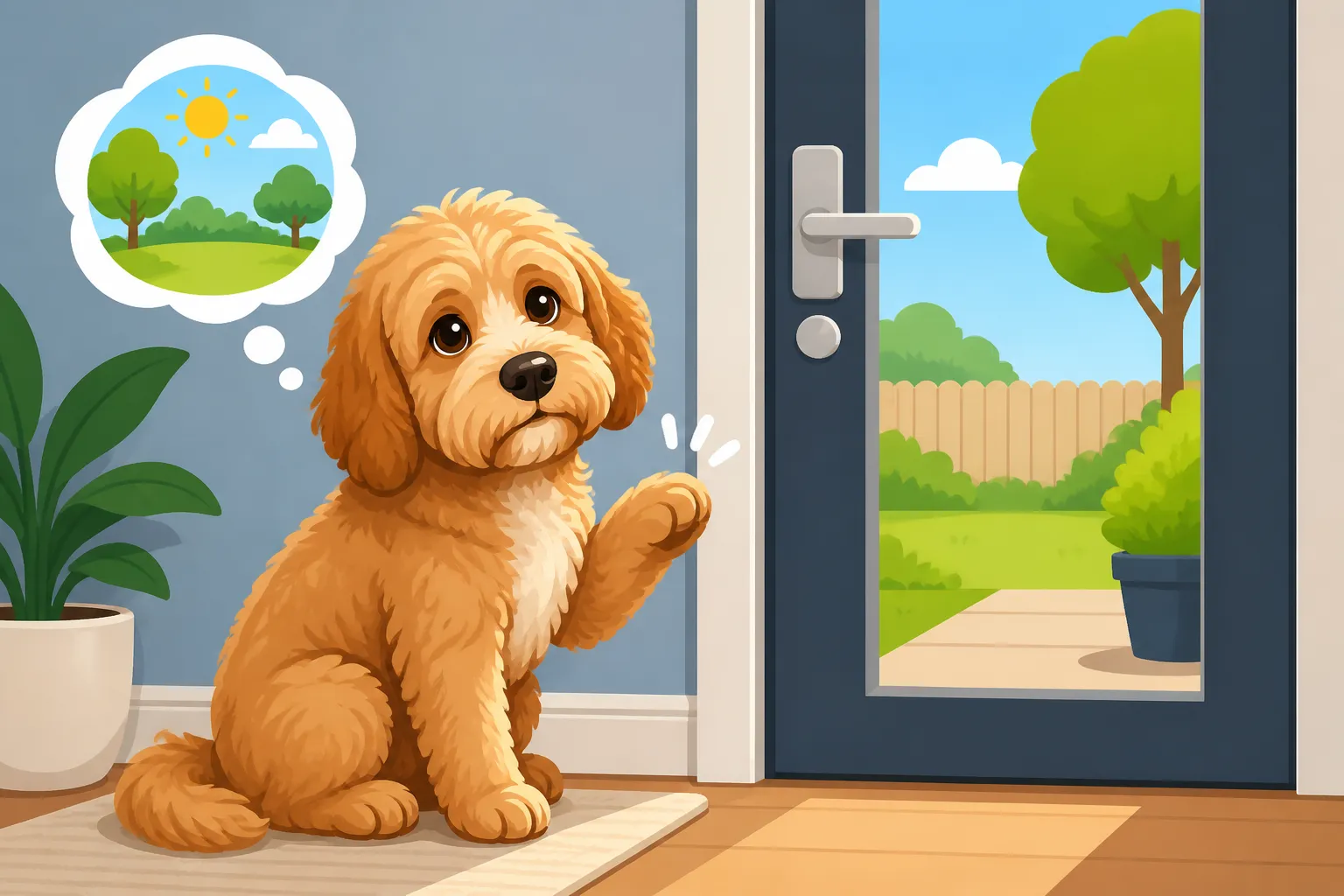
- Going to the Door: The holy grail! This is the most direct way they try to tell you.
It's vital to catch these cues early. If you wait until they're already squatting, it's too late for a successful redirection. This period requires constant supervision, especially when your puppy is young and hasn't fully mastered bladder control.
The Art of Interruption and Immediate Action
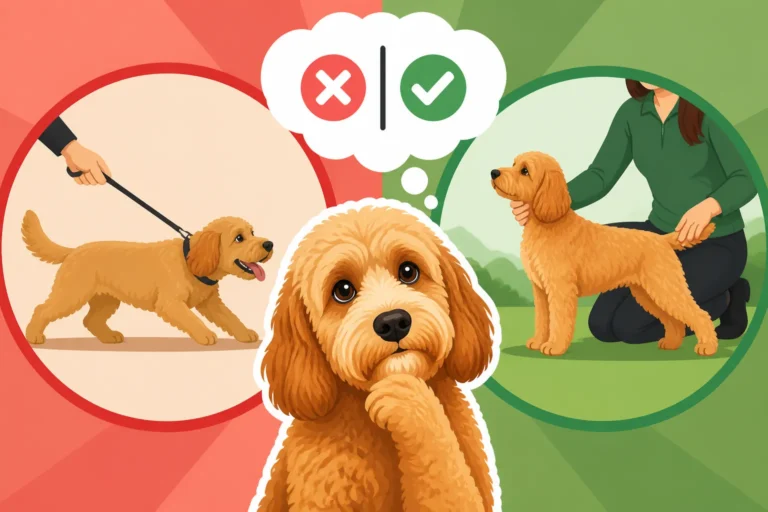
When you see your Cockapoo starting to exhibit any of those pre-potty behaviors indoors, your immediate response is key. Do not scold or yell; simply interrupt them with a quick, cheerful sound or clap, then immediately scoop them up (if they're small enough) or leash them and take them straight to their designated outdoor potty spot. The goal is to redirect, not to punish.
Once outside, use your verbal cue ("Go potty!") and wait patiently. When they successfully go, heap on the praise and offer that high-value treat. This positive association is what builds the habit. If they don't go within a few minutes, bring them back inside but keep them on a leash right next to you or put them in their crate for 10-15 minutes, then try again. This prevents them from having an unsupervised accident indoors right after coming back in. The faster you act on their signals, the sooner they'll learn that communicating their need leads to a positive outcome.
Positive Reinforcement for Outdoor Success
Positive reinforcement is the cornerstone of all effective dog training, and potty training is no exception. Every time your Cockapoo successfully eliminates outside, it needs to be the best party ever! Exaggerated praise, enthusiastic petting, and, most importantly, a super special treat that they only get for going potty outside. This reinforces the idea that going outside is incredibly rewarding.
Avoid punishment for accidents indoors. Puppies don't understand "revenge" or spite. If you scold them for an accident, they might learn to hide their potty habits from you, leading to them sneaking off to a hidden corner of the house to relieve themselves. Instead, focus on preventing accidents through supervision and timely outings, and generously reward successes. The online training platform BAXTER & Bella emphasizes positive reinforcement methods, which can be invaluable for Cockapoo owners trying to build a strong bond and clear communication with their puppy. If you're struggling to teach them basic commands, What a Cockapoo Puppy Should Learn First covers similar positive training approaches.
Common Setbacks and Troubleshooting
No potty training journey is perfectly smooth. You'll likely encounter moments of frustration, moments where you feel like you're taking two steps back. This is completely normal! Understanding why setbacks occur can help you navigate them with patience and effective solutions.
Accidents Happen: Why and What to Do
Even with the most vigilant owners and consistent routines, accidents will happen. They might occur for a variety of reasons:
- Over-excitement: A sudden burst of play or a new visitor can overwhelm a puppy's developing bladder control.
- Distraction: Sometimes a puppy is so engrossed in exploring the outdoors that they "forget" to go until they're back inside.
- Stress or Anxiety: New environments, loud noises, or being left alone for too long can sometimes lead to accidents. A Cockapoo That Cannot Be Left delves into separation anxiety, which can sometimes manifest as accidents.
- Medical Issues: A sudden increase in accidents in a previously well-trained puppy could indicate a urinary tract infection or other health concern. Always consult your vet if this is the case.
When an accident occurs, resist the urge to get angry. Clean it up thoroughly with an enzymatic cleaner to remove all traces of odor. Review your routine: Was I taking them out often enough? Did I miss a cue? Was there a distraction? Then, recommit to your schedule and supervision. Every accident is a learning opportunity for you, the owner, to refine your approach.
Dealing with Regression or Persistent Issues
Sometimes, a Cockapoo puppy might seem to be doing great with potty training, only to suddenly start having accidents again. This regression can be incredibly frustrating. It's often due to:
- Changes in Routine: A new work schedule, a vacation, or even just a few days of slacking on your part can disrupt a puppy's established habits.
- Increased Freedom Too Soon: Giving a puppy too much unsupervised access to the house before they are truly reliable can lead to more opportunities for accidents.
- Growth Spurts/Hormones: As puppies grow, their bodies and minds change. This might temporarily affect their consistency.
- Environmental Changes: Moving to a new home can definitely throw them off.
If your Cockapoo starts regressing, treat them as if they're an 8-week-old puppy again. Increase the frequency of potty breaks, limit their access to the house (e.g., leash them to you or use their crate more often), and go back to square one with your positive reinforcement. Remember, it's a process, and plateaus or dips are part of it. The key is not to give up. You might also find tips in How Long a Cockapoo Takes to Stop Having Accidents for a deeper dive into this.
When to Seek Professional Help
While most Cockapoos can be successfully potty trained by their owners with consistency and patience, there are times when professional guidance can be incredibly beneficial. If you've been diligently following a consistent routine for several weeks or months and your puppy is still having frequent accidents, or if you notice unusual behaviors like excessive drinking, straining to urinate, or blood in their urine, a vet visit is the first step to rule out medical issues.
If medical issues are ruled out, and you're still struggling, consider consulting a professional dog trainer or behaviorist. They can observe your interactions with your Cockapoo, identify any potential gaps in your training approach, or address underlying behavioral issues like separation anxiety or fear that might be contributing to the accidents. Sometimes, an objective, experienced eye can spot something you've missed. Services like BAXTER & Bella offer online support that can bridge this gap before needing an in-person trainer.
Moving Beyond the Basics: Consistency is Key
Once your Cockapoo is consistently asking to go out and having very few accidents, you might feel like you've reached the finish line. While you've certainly made huge strides, maintaining those good habits requires continued consistency and a gradual approach to increasing their freedom and independence.
Transitioning to Fewer Potty Breaks
As your Cockapoo matures, their bladder capacity will increase, and they'll naturally be able to hold it for longer periods. This means you can gradually start to extend the time between potty breaks. For example, if you were taking them out every 2-3 hours, you might try extending it to 3-4 hours, carefully observing for any signs of discomfort or accidents. If accidents occur, you've stretched it too far, so pull back a bit before trying again.
The transition should always be gradual. Don't go from hourly trips to half-day stretches overnight. Continue to offer praise and treats for successful outdoor eliminations, even if they're no longer having accidents indoors. This reinforcement helps solidify the good habits. It’s also crucial to still offer a potty break before you leave the house and immediately upon returning, regardless of how long you’ve been gone.
Maintaining the Routine in New Environments
Life takes us to new places, and your Cockapoo will likely come along! Whether it's a visit to friends or family, a trip to a dog-friendly cafe, or a vacation, new environments can sometimes disrupt even the most perfectly potty-trained dog. Dogs rely heavily on scent and routine, and a new place might not have the familiar smells of their designated potty spot.
When introducing your Cockapoo to a new environment, restart with a slightly more frequent potty schedule, just as you would with a younger puppy. Take them out frequently, praise heavily, and try to establish a temporary "potty spot" in the new location. Keep them on a leash indoors if necessary, and supervise them closely. Don't assume they'll just know where to go in a strange house. This proactive approach prevents accidents and helps your Cockapoo generalize their potty training skills to various settings. If your Cockapoo is prone to anxiety in new places, our guide Building a Cockapoo's Tolerance for Being Alone might offer some useful strategies for general comfort.
Building Long-Term Potty Habits
Potty training isn't a race with a definitive end date; it's about establishing reliable long-term habits. Even an adult Cockapoo who has been perfectly house-trained for years can sometimes have an accident. This might be due to illness, extreme stress, or simply being unable to hold it any longer. The key is to respond calmly and assess the situation.
Continue to pay attention to your Cockapoo's signals throughout their life. They might start nudging the door with their nose, whining, or pacing. Respect these cues and let them out promptly. A reliable communication system built during puppyhood will serve you well for the entire lifespan of your beloved Cockapoo. By staying consistent, empathetic, and patient, you'll ensure that your Cockapoo not only asks to go out but also enjoys a lifetime of comfortable, accident-free living. Remember that Raising a Cockapoo Puppy is a marathon, not a sprint!
Disclaimer
This article is for general informational purposes only and does not constitute professional advice. Laws, prices and regulations vary by location and change over time. Consult a qualified professional for guidance on your specific situation.