Whether Home Clipping Ruins a Cockapoo’s Coat
Many Cockapoo owners find themselves staring at a fluffy, sometimes matted, mess and wondering if they really need to spend another small fortune at the groomer. The thought of picking up clippers yourself is incredibly tempting, but a nagging fear often stops us: could home clipping actually ruin that beautiful, unique Cockapoo coat we adore so much? This guide is here to unravel that worry, explaining what truly happens when you clip your Cockapoo at home and how to do it right, without causing undue stress to you or your beloved companion.
Understanding the Cockapoo Coat: Why It's So Unique and Challenging
Before we dive into the nitty-gritty of home clipping, it’s really helpful to understand what makes a Cockapoo coat tick. It's not just "fur"; it's a fascinating blend of genetics that can present a whole host of grooming challenges.
The Genetics Behind That Signature Fluff
Cockapoos are a genetic lottery in many ways, especially when it comes to their coats. You’ve got the Cocker Spaniel’s soft, often shedding coat, blending with the Poodle’s dense, curly, non-shedding fur. This delightful mix gives us that signature, shaggy, and sometimes challenging "furnishings" coat that needs so much attention. It’s why one Cockapoo might have a wavy, loose curl, while another sports a tight, springy, Poodle-like coat, and some even have quite flat, spaniel-like fur.
The key players here are genes like RSPO2 (for furnishings, which gives them that adorable beard and eyebrows) and KRT71 (for curl). Depending on which versions your Cockapoo inherited from its parents, its coat will have vastly different characteristics. This genetic variance means that what works for one Cockapoo’s coat might not work at all for another’s. It's not just about aesthetics; it profoundly impacts their grooming needs and how they respond to clipping. You can learn more about this in The Curl Gene and Where a Cockapoo's Coat Lands and even understand What an Improper Coated Cockapoo Looks Like if your dog's coat is more on the flat side.
The Infamous "Coat Change" and What It Means for Grooming
Around 8 to 12 months old, many Cockapoo owners experience what's affectionately (or perhaps not-so-affectionately) known as the "coat change." Your adorable, easy-to-manage puppy fluff starts to give way to the thicker, stronger adult coat, and it often does so in a spectacularly knotty, matted fashion. This period is a prime time for matting, as the finer, softer old puppy coat intertwines with the new, stronger adult hair. It often feels like overnight your previously easy-care pup has become a walking felt factory.
This transitional phase is when many owners first contemplate home clipping out of sheer desperation. However, without understanding what’s happening, it’s easy to accidentally worsen the situation or create new challenges. It’s during this time that regular, thorough brushing becomes absolutely critical. Ignoring it can lead to painful mats that are difficult to remove without shaving very close to the skin. This phase often pushes owners to seek professional help or consider drastic measures like a full shave. You might find our post The Coat Change That Ambushes a Cockapoo Owner at Ten Months incredibly helpful during this challenging stage.
The Truth About "Ruining" a Cockapoo's Coat Through Home Clipping
The word "ruined" sounds so final, doesn't it? When it comes to a Cockapoo's coat and home clipping, it's usually less about permanent damage and more about noticeable changes that might not be what you originally envisioned. Let's break down these common concerns.
Texture Changes: Fact or Fiction?
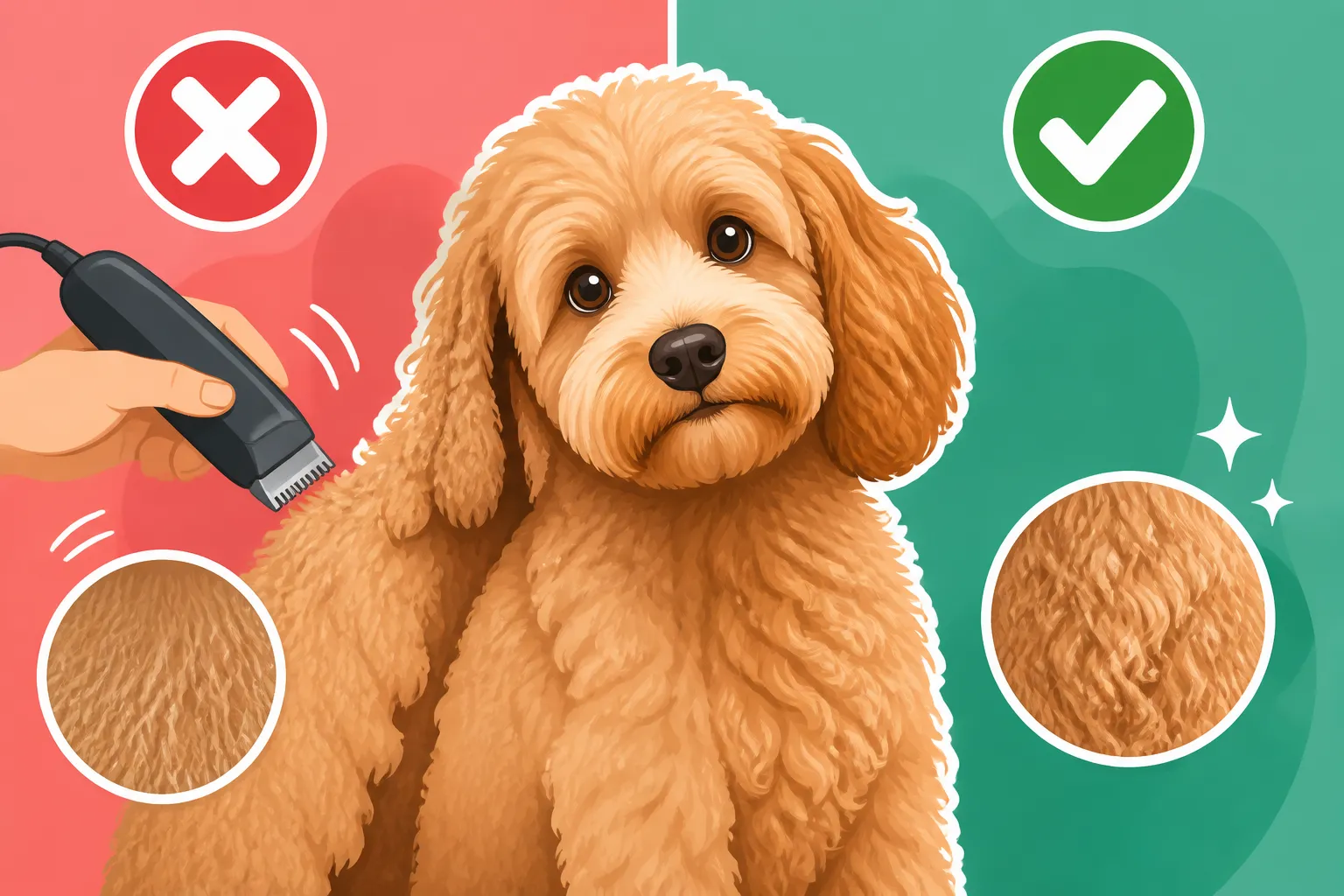
The biggest fear surrounding home clipping is often that it will "ruin" the coat by changing its texture, making it coarser, wispier, or even more prone to matting. The truth is, a Cockapoo’s coat can change texture after repeated clipping, but it’s not always a definitive "ruin." When you cut the hair shaft, especially with clippers, you’re removing the finer, tapered ends that naturally grow from the follicle. What grows back is the thicker part of the hair shaft that was closer to the skin.
This can lead to a coat that feels different. Sometimes it becomes softer and fluffier, almost like cotton, which sounds nice, but can actually be more prone to matting because it lacks natural structure and easily tangles. Other times, it might feel a bit coarser or more wiry. It’s less about "ruining" and more about altering the natural growth cycle and structure of the hair. This isn’t unique to Cockapoos; many breeds with furnishings or double coats can experience texture changes with clipping. The key is understanding that the coat isn't permanently damaged in a way that affects health, but it might not return to its original puppy fluff or pre-clipped state easily if you stop clipping. The question of Whether a Cockapoo's Coat Grows Back the Same is a common one, and the answer is often "not exactly," particularly in texture.
Color Fading and Uneven Growth
Another concern sometimes voiced by owners is color changes. Some report that their Cockapoo’s vibrant red or apricot coat seems to fade, become patchy, or appear duller after being clipped. This can happen because the outer layer of hair, which might have been sun-bleached or naturally darker due to exposure, is removed, revealing the less exposed, often lighter hair underneath. It’s not a permanent "ruining" of the pigment, but rather a revelation of the true, unexposed hair color that lies closer to the skin. Over time, as the coat grows out and is exposed, it may return to its original shade, or it might stay a bit lighter if frequently clipped.
Uneven growth is less about the clipper "ruining" the coat and more about the technique of the person holding the clipper. If you’re not experienced, it’s very easy to leave lines, choppy patches, or uneven lengths. This isn’t permanent damage to the hair follicle, but it definitely impacts the aesthetic. It’s a skill that takes practice, and those initial attempts might leave your Cockapoo looking a little less than perfectly coiffed! Don't worry too much about perfection when you're starting out. For more on different looks, check out What a Teddy Bear Clip Looks Like on a Cockapoo and What a Puppy Cut Looks Like on a Cockapoo to get an idea of what professional grooms aim for.
Essential Tools and Techniques for Successful Home Grooming
Deciding to clip your Cockapoo at home means you're taking on a new responsibility, and like any new skill, having the right tools and knowing the basic techniques will set you up for success.
Gathering Your Home Grooming Arsenal
Before you even think about turning on clippers, you need the right equipment. Skimping on tools is a surefire way to frustrate both you and your dog, and potentially lead to a less-than-ideal outcome. A good quality set of dog clippers with interchangeable blades or comb attachments is paramount. Please, never use human hair clippers; they aren't designed for canine coats, can overheat rapidly, and will pull hair painfully rather than cut it cleanly. You’ll also need a sturdy slicker brush, a wide-toothed metal comb (preferably a Greyhound comb), blunt-nosed scissors for delicate areas, and nail clippers or a grinder. A high-velocity dryer, while an investment, can be a game-changer for drying thoroughly and blowing out loose undercoat.
Investing in these quality tools upfront might seem like a lot, but it pays off over time, especially when you consider Whether Grooming a Cockapoo at Home Saves Money. You can find a fantastic selection of grooming supplies on reputable sites like Chewy, making it easy to get everything you need delivered right to your door. Remember, a sharp blade is a safe blade, so keep those clippers cleaned, oiled, and sharpened, or replace dull blades. Our guide on The Kit Needed to Groom a Cockapoo at Home offers a detailed checklist of what you'll need.
Mastering Basic Clipping and Scissoring Techniques
The key to not "ruining" your Cockapoo’s coat lies in proper technique. Always, always start with a clean, thoroughly brushed, and completely dry dog. Mats must be removed before clipping, or your clippers will snag and pull, causing pain and very uneven results. If you can't brush out a mat, you’ll need to carefully cut it out with blunt-nosed scissors, always pointing away from the skin, or use a mat splitter. Once the coat is prepped, choose your blade length – often a longer comb attachment for a fluffy "teddy bear" look is a good starting point. Our article on What Blade Length Suits a Cockapoo can offer some guidance here.
When clipping, always move with the grain of the hair for a smoother finish and longer cut, or against the grain for a shorter, more clippered look. Use gentle, even strokes, and avoid pressing down too hard, as this can cause clipper burn. For the face, paws, and sanitary areas, scissors might be more appropriate. Always use blunt-nosed scissors and exercise extreme caution around sensitive areas like eyes, ears, and paw pads. Practice makes perfect, so don’t expect salon-quality results on your first try! Patience, positive reinforcement (lots of treats and praise!), and short sessions are crucial here to make it a positive experience for your dog.
Weighing the Benefits and Drawbacks of DIY Cockapoo Clips
Deciding whether to take on your Cockapoo's grooming yourself isn't just about the coat, it's about your lifestyle, your budget, and your dog's temperament. There are definite perks, but also some significant challenges.
The Financial Savings and Convenience Factor
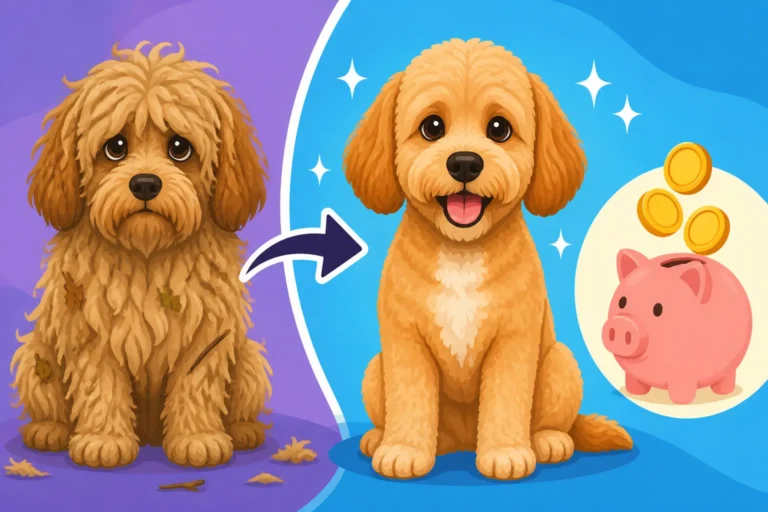
Let's be honest, the biggest draw of home clipping is often the cost savings. Professional grooming for a Cockapoo can be a significant expense, ranging from moderate to quite high, especially for curly-coated dogs that need frequent appointments to prevent matting. Doing it yourself can save hundreds, if not thousands, of dollars over your dog’s lifetime, which is a practical consideration for many families trying to manage pet expenses.
Beyond the money, there’s the sheer convenience. No more scheduling appointments weeks in advance, driving to the groomer, or dealing with drop-off and pick-up times that might not fit your schedule. You can groom your dog on your own terms, in the comfort of your home. This can be especially beneficial for dogs who get stressed at the groomer, allowing for a more relaxed, familiar environment. Plus, it can actually be a bonding experience, teaching your dog to tolerate handling and building trust between you.
Potential for Errors and Stress for Both Dog and Owner
The flip side, of course, is the learning curve and the potential for mistakes. An inexperienced hand can easily lead to clipper burns (especially if blades get hot), nicks from improper handling, uneven cuts, or simply an aesthetic that isn't quite what you envisioned. More seriously, poorly managed matting or incorrect technique can cause skin irritation, razor rash, or even infections if the skin is broken, which would then require a vet visit, negating any initial cost savings. It’s absolutely vital to prioritize your dog’s comfort and safety above all else.
Home grooming can also be incredibly stressful, particularly for dogs not accustomed to it. If your Cockapoo isn't used to being handled extensively, brushed thoroughly, and having loud clippers near them, it can quickly turn into a battle. Forcing the issue can create a negative association with grooming, making future sessions even harder, whether you attempt them or a professional does. It requires a calm demeanor, immense patience, and a willingness to stop if your dog becomes too distressed. Sometimes, the stress for both parties simply outweighs the potential savings.
| Feature | Home Clipping | Professional Grooming |
|---|---|---|
| Cost | Low initial tool investment, then free per session | Significant ongoing cost per session |
| Convenience | On your schedule, at home, no travel | Requires appointments, travel, adherence to schedule |
| Skill Required | High learning curve, patience, practice needed | Expert skill, years of training and experience |
| Results | Can be uneven, may change coat texture, less refined | Consistent, aesthetically pleasing, specialized cuts, even finish |
| Dog Stress Level | Potentially less if done gently in familiar environment | Can be stressful for some dogs, but pros are skilled at handling |
| Equipment | Owner purchases, maintains, and stores | Groomer provides all tools, products, and facilities |
| Health Checks | Limited to owner's observation skills | Groomer often spots skin issues, ear problems, lumps early |
When to Call in the Professional Groomers and Why It's Worth It
While home grooming offers many advantages, there are definitely times when admitting defeat and calling a professional groomer is not only the best course of action but also a crucial one for your Cockapoo's well-being.
Recognizing When a Professional is Needed
There are definitely times when admitting defeat and calling a professional groomer is the best course of action. If your Cockapoo is severely matted, attempting to remove those mats yourself can be an agonizing, painful, and risky endeavor for your dog, often leading to skin irritation or even injury. Professional groomers have the specialized tools, experience, and knowledge to safely and humanely handle severely matted coats, often needing to shave the dog down close to the skin. Don't feel guilty about this; it’s often the kindest thing for a severely tangled pup, as trying to brush out tight mats can cause extreme pain.
Other situations warrant a professional, too. If you're consistently struggling with certain sensitive areas, like the face, eyes, or feet, or if you simply can’t achieve the clean, balanced look you want, a professional can step in. Dogs with pre-existing skin issues, high anxiety around grooming (or clippers), or those requiring specialized cuts (like a particular breed-specific style, although Cockapoos have wide variations) might also benefit greatly from a professional’s touch. Remember, their training and tools are specifically designed for these complex challenges. Sometimes, the health of your dog's ears, which are prone to issues (Whether a Cockapoo's Ears Are Better Than a Cocker's), also benefits from professional maintenance.
The Value of Expert Care and a Healthy Coat
Professional groomers offer far more than just a haircut; they provide comprehensive coat and skin care. They are trained to spot potential skin issues (like hot spots, rashes, or dry skin), early signs of ear infections, or even lumps and bumps you might miss under that thick coat. They also have access to specialized shampoos, conditioners, and techniques designed to keep your Cockapoo’s coat healthy, moisturized, and looking its absolute best. The consistent quality of a professional groom helps maintain the coat’s integrity and prevents many common issues like excessive matting.
While the cost of professional grooming can be high, think of it as an investment in your dog’s overall well-being and your peace of mind. Many groomers are passionate about their work and can offer invaluable advice for at-home maintenance between visits. For instance, they can recommend specific brushes, detangling sprays, or techniques to help prevent matting. And if, despite your best efforts, something goes wrong during a home grooming attempt, or your dog develops a grooming-related skin issue that requires veterinary attention, having pet insurance like Healthy Paws can provide a crucial safety net for those unexpected vet bills. Ultimately, maintaining a beautiful, healthy Cockapoo coat, whether primarily at home or with regular professional help, is an ongoing commitment to their comfort and appearance. A combination of diligent home brushing and occasional professional grooms often works best for dogs with The Three Cockapoo Coat Types and Their Upkeep.
Disclaimer
This article is for general informational purposes only and does not constitute professional advice. Laws, prices and regulations vary by location and change over time. Consult a qualified professional for guidance on your specific situation.