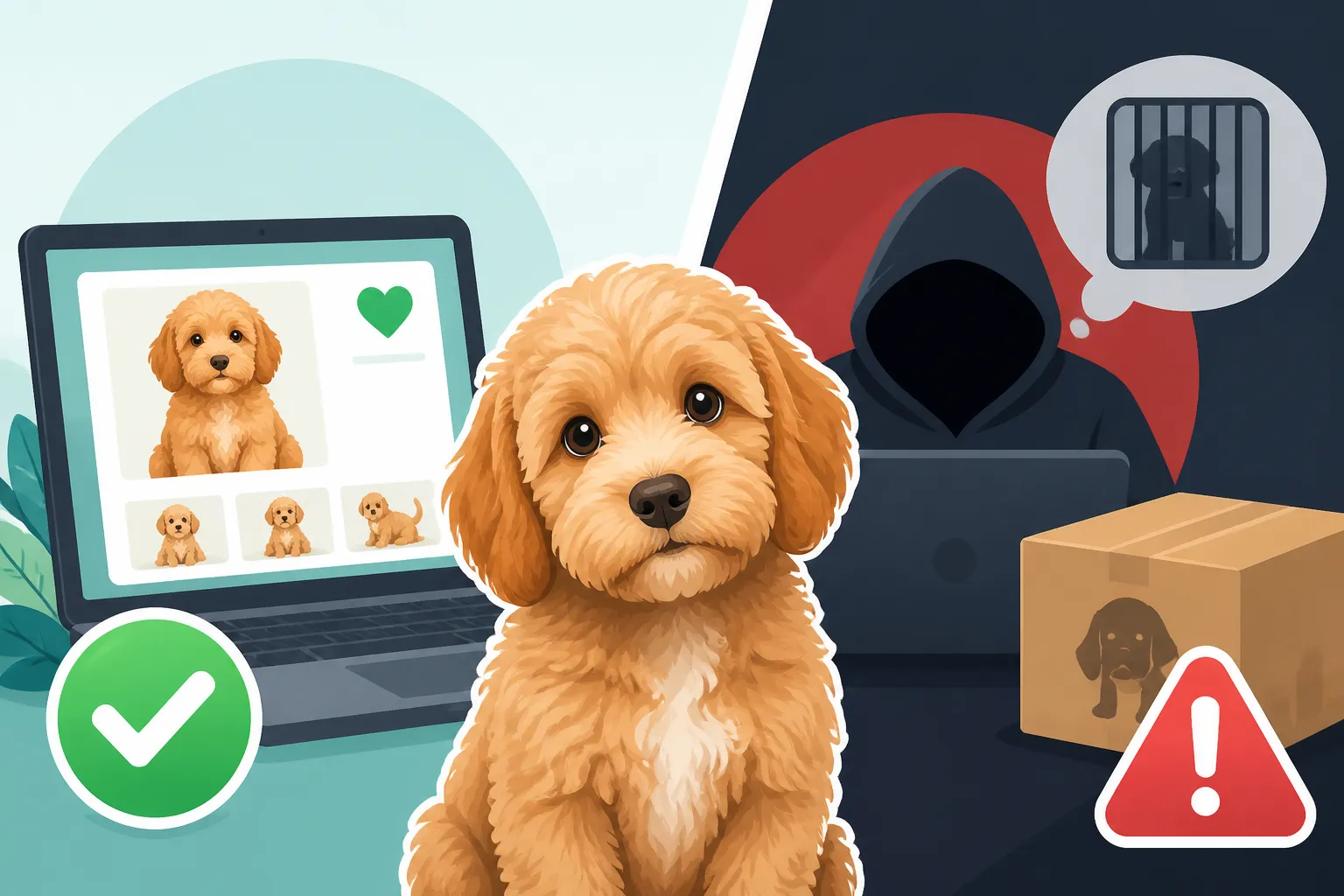
Whether a Cockapoo Sold Online Is a Scam
It's completely understandable to feel overwhelmed and a bit nervous when you start looking for a Cockapoo online. The internet offers a vast sea of adorable puppy pictures, but underneath that charming surface, there's a troubling undercurrent of scams and unethical breeders preying on hopeful prospective owners. This guide is here to help you navigate those choppy waters, empowering you with the knowledge to spot the red flags and make an informed, safe decision when searching for your beloved Cockapoo.
The Irresistible Charm (and Hidden Risks) of Finding a Cockapoo Online
In our increasingly connected world, it's natural to turn to the internet first when looking for almost anything, and a new puppy is no exception. The convenience of browsing countless listings from the comfort of your home is undeniably appealing. You can search for specific colors, sizes, or even what you believe might be the perfect temperament, all with a few clicks. For many, it's the only way they feel they can access a wide enough selection, especially if they live in an area with few local breeders.
The Convenience Factor and False Promises
The allure of the internet is strong. You might dream of a rare "merle" Cockapoo or a tiny "teacup" size, and suddenly, a quick search brings up dozens of breeders claiming to offer just that. This instant gratification and the sheer volume of options can make it seem like a treasure trove. Scammers are acutely aware of these desires. They know you're looking for that perfect, healthy, happy puppy to complete your family, and they craft their online presence to tap directly into that emotional space. They often promise immediate availability, which is a huge draw for eager families who don't want to wait for a reputable breeder's carefully planned litter. They might also advertise prices that seem too good to be true, making you feel like you've found an incredible bargain, especially when you've seen The Two Hundred to Three Thousand Spread on a Cockapoo and realize how much good breeding can cost.
However, this convenience is a double-edged sword. While legitimate breeders do use online platforms, the anonymity of the internet also provides a perfect hiding place for those with less-than-honorable intentions. The promise of an easy purchase or a unique puppy can quickly lead to heartbreak, financial loss, or worse, a puppy with significant health or behavioral issues, which ultimately costs you far more in the long run.
The Rise of Digital Deception in Puppy Sales
Unfortunately, the digital age has also ushered in a new era of deception in the world of pet sales. Online scams are rampant, ranging from sophisticated operations that mimic legitimate breeders to simple, opportunistic cons. These scammers exploit the emotional connection people quickly form with a puppy they see online, pushing them to make hasty decisions without proper due diligence. They leverage high-quality photos (often stolen from other breeders' websites), compelling narratives, and even fake testimonials to build a facade of trustworthiness. The desperation of finding a puppy, especially if you're looking for something specific like a Cockapoo, can make people vulnerable. The sheer volume of online "breeders" makes it hard to distinguish the good from the bad, and many hopeful owners, unfamiliar with the nuances of ethical breeding, fall victim to these cunning tactics.
Decoding the Red Flags: Signs of a Potential Online Cockapoo Scam
When you're sifting through online listings for your future Cockapoo, it's crucial to approach every interaction with a healthy dose of skepticism. Scammers often leave a trail of clues, if you know what to look for. Recognizing these red flags early can save you a world of trouble.
Inconsistent or Generic Information
One of the biggest giveaways of a potential scam is inconsistency or a general lack of specific information. A reputable breeder will have a detailed website or listing, often with specific information about their breeding practices, health testing, and the parents of the litter. Scammers, on the other hand, often use generic language that could apply to any breed. They might have a website that feels hastily put together, with poor grammar, broken links, or stock photos that don't match the puppies advertised.
Look closely at the photos and videos. Do all the puppies in the litter look similar in age and breed type? Are the backgrounds consistent, suggesting they were taken in the same place? Scammers frequently steal photos from various sources, leading to a mismatched gallery. If you ask for more photos or a video, pay attention to whether they provide them quickly and if they look genuinely recent and specific to the puppy you're interested in, or if they just send another set of generic, likely stolen, images. If a breeder can't show you Whether Seeing the Cockapoo's Mother Matters, that's a huge red flag.
Pressure Tactics and Unusual Payment Requests
Ethical breeders prioritize finding the right homes for their puppies, not making a quick sale. Scammers, however, often employ high-pressure tactics to rush you into a decision. They might claim there's another buyer waiting, or that the puppy is available for a limited time only, creating a false sense of urgency. This pressure prevents you from doing proper research or thinking clearly.
Another significant red flag is any request for unusual payment methods. Reputable breeders typically accept bank transfers, credit card payments (often through secure processors), or even checks for deposits. Scammers, however, frequently demand untraceable payment methods such as:
- Wire transfers: Once money is wired, it's nearly impossible to retrieve.
- Gift cards: Requests for payment in Amazon, Apple, or other retail gift cards are a classic scam tactic. No legitimate breeder would ask for payment this way.
- Cryptocurrency: While some legitimate businesses might accept crypto, it's still a red flag in the context of puppy sales due to its untraceable nature.
If a seller insists on these methods, walk away immediately. It's a clear indication that they are not operating legitimately. Remember, a legitimate breeder will be transparent about their pricing and payment process, and they'll likely ask for What a Cockapoo Breeder Takes to Reserve a Puppy upfront, but it should be through a traceable and secure method.
Real Scams, Real Heartbreak: Common Tactics Used by Online Puppy Hustlers
Understanding the specific ways scammers operate can further equip you to protect yourself. These aren't just minor inconveniences; they can lead to significant financial loss and deep emotional distress.
The "Phantom Puppy" Scam
This is arguably the most common and heartbreaking online puppy scam. The scammer advertises a beautiful Cockapoo puppy with enchanting pictures and a heartwarming description. You fall in love instantly, picturing this little fur ball joining your family. You communicate with the "breeder" via email or text, they answer your questions (often vaguely, or with generic copy-pasted responses), and everything seems fine. You send a deposit, or even the full purchase price, often via one of those untraceable methods mentioned earlier.
Then, the puppy never materializes. The "breeder" stops responding to your calls or emails. The website might disappear, or they block you. You're left with an empty bank account and no puppy, only the crushing realization that the adorable Cockapoo you saw online never even existed. This scam relies entirely on stolen images and fabricated stories, designed to exploit your emotional investment. They might even string you along for a bit, creating excuses for shipping delays or unexpected "vet emergencies," slowly extracting more money before vanishing.
The "Bait and Switch" Tactic
Another insidious scam involves the "bait and switch." In this scenario, the scammer does have puppies, but they are not the healthy, well-socialized Cockapoos advertised. They lure you in with pictures of beautiful, healthy puppies from reputable lines (again, often stolen images). You pay for this ideal puppy, perhaps agreeing to meet them somewhere or arranging for "shipping."
What you receive, however, is a completely different puppy. It might be a different breed, much older than advertised, or most commonly, a puppy from a puppy mill or backyard breeder with significant health problems, poor socialization, and questionable genetics. This puppy could be riddled with parasites, have congenital defects, or develop severe behavioral issues due to its poor start in life. The initial joy of getting a puppy quickly turns into a nightmare of vet bills and behavioral challenges. This is why it's so critical to scrutinize What an Untested Cockapoo Costs You in Year Two and the potential long-term financial burden of a poorly bred dog.
The "Shipping & Extra Fees" Trap
This scam often works in conjunction with the phantom puppy or bait-and-switch tactics. After you've paid for your supposed Cockapoo, the "breeder" informs you that the puppy is ready for shipping. However, suddenly there are unexpected "shipping costs," "special crate fees," "insurance fees," or even "quarantine fees" that weren't disclosed initially. They might even send you fake invoices from a fictitious shipping company or a vet, all designed to look legitimate.
Each time you pay one of these "fees," another unexpected charge pops up, sometimes several times over. The scammer plays on your desperation to finally get your puppy, knowing you've already invested emotionally and financially. They'll keep demanding more money until you either run out of funds or realize you're being scammed. These additional fees are pure fiction, and the puppy, if it ever existed, is likely still with the scammer or was never real to begin with.
Your Digital Shield: How to Safely Navigate the Online Cockapoo Search
While the online world presents risks, it's not impossible to find a Cockapoo safely if you arm yourself with the right strategies. It requires patience, diligence, and a commitment to thorough research.
Verifying the Breeder and Their Reputation
This is perhaps the most critical step. Never take an online listing at face value. A reputable Cockapoo breeder will be transparent and eager to share information.
- Ask for extensive documentation: This includes health testing results for both parent dogs (certificates for hip, elbow, eye, and genetic conditions common in Cockapoos, such as prcd-PRA, Familial Nephropathy, and PFK Deficiency). A good breeder should be able to show you The Five Certificates a Cockapoo Breeder Should Show and even explain Asking a Cockapoo Breeder for the FN Certificate.
- Check references: A trustworthy breeder will gladly provide references from their veterinarian and previous puppy buyers. Contact these references directly.
- Look for club affiliations: While the Cockapoo is not recognized by major kennel clubs like the AKC, there are breed-specific clubs like the Cockapoo Club of America (CCA) or the American Cockapoo Club (ACC). Membership in these clubs, while not a guarantee, often indicates a breeder is committed to certain standards and practices. Understand that Whether Club Papers Prove a Cockapoo Was Tested isn't always the case, but it's a good starting point.
- Do a reverse image search: Take the photos of the puppies and parents from the listing and use Google Images' reverse search feature. This can help you determine if the photos have been stolen from another website or stock photo gallery.
- Search for the breeder's name/kennel name online: Look for reviews, testimonials, or any complaints. Check forums and social media groups dedicated to Cockapoos. If they have a significant online presence beyond just their own website, that's often a good sign. Be wary if their online footprint is minimal or if they only have a new Facebook page.
Remember, a responsible breeder prioritizes the health and well-being of their dogs, and they won't cut corners on essential screenings. They understand that Whether an Untested Cockapoo Litter Is a Gamble is a huge risk for future owners.
The Importance of In-Person Visits (or Video Calls)
Nothing replaces seeing the puppy and its living environment firsthand. An in-person visit allows you to:
- Assess the living conditions: Are the puppies clean, well-fed, and in a stimulating environment? Are they housed indoors with the family, or isolated in kennels?
- Observe the parents: You should always be able to meet the mother of the litter. Observing her temperament can give you a good indication of what to expect from her puppies. Whether Seeing the Cockapoo's Mother Matters cannot be overstated, as her health and behavior are crucial indicators. If the breeder can't show you the mother, or makes excuses, that's a huge red flag.
- Evaluate the puppies' health and temperament: Are the puppies bright, playful, and alert? Do they appear healthy, with clear eyes and no signs of illness? Do they seem well-socialized and comfortable around people?
If an in-person visit isn't geographically feasible, insist on a live video call. A legitimate breeder will be happy to show you the puppies and their environment in real-time. If they refuse or constantly reschedule, it's a strong indicator they have something to hide. Be extremely wary of any situation where you are asked to buy a Cockapoo sight unseen. While Whether a Cockapoo Sold Sight Unseen Is Safe might be possible with exceptional vetting, it's far riskier.
Secure Payment Methods and Contracts
Once you've vetted a breeder thoroughly and are confident in your choice, ensure your financial transaction is secure.
- Avoid untraceable payments: As discussed, never use wire transfers, gift cards, or cryptocurrency for puppy purchases. Stick to bank transfers, credit card payments, or PayPal Goods and Services, which offer some buyer protection.
- Demand a written contract: A reputable breeder will always provide a written contract that outlines the terms of sale, health guarantees, responsibilities of both parties, and conditions for return or refund. This contract should detail what happens if the puppy develops health issues, like Whether a Cockapoo Guarantee Covers Familial Nephropathy. Read every word carefully and don't hesitate to ask questions. If a breeder resists providing a contract or offers only a vague one, it's a major warning sign.
- Consider pet insurance early: Even with the most reputable breeder, unexpected health issues can arise. Research pet insurance providers like Healthy Paws before you bring your puppy home. This way, if any issues surface, you'll be prepared. Planning for your dog's lifetime health is crucial, especially for breeds like Cockapoos which can inherit conditions from both parent breeds.
While a written contract can't prevent every problem, it provides a legal framework and demonstrates the breeder's commitment to ethical practices. It should also clarify the puppy's registration status (if any) and whether Whether a Club Registered Cockapoo Litter Sells Out is an indicator of quality.
When the Worst Happens: What to Do If You've Encountered an Online Cockapoo Scam
Despite your best efforts, sometimes things go wrong. If you suspect you've been scammed or have already sent money, it's important to act quickly and methodically. While recovering funds can be challenging, reporting the scam can help prevent others from falling victim.
Reporting to Authorities and Consumer Protection
Your first step should be to report the incident to the relevant authorities. The more information you can provide, the better.
- Your Bank/Credit Card Company: Immediately contact your bank or credit card provider to report the fraudulent transaction. They might be able to stop or reverse a wire transfer if you act fast, or initiate a chargeback for credit card payments.
- Local Law Enforcement: File a police report with your local law enforcement agency. While they may not have the resources to investigate every online scam, a formal report is essential.
- Federal Trade Commission (FTC): The FTC collects complaints about scams and fraud. You can file a report online through their website. This helps them track trends and issue warnings.
- Internet Crime Complaint Center (IC3): This is a division of the FBI specifically for internet-related crimes. Filing a complaint here provides federal authorities with critical data.
- Pet Scam Reporting Websites: There are dedicated websites, often run by animal welfare organizations, where you can report pet scams. These sites often compile lists of known scammers and provide information to the public.
When reporting, gather all evidence: screenshots of advertisements, emails, text messages, phone numbers, website URLs, transaction IDs, and any names or addresses provided by the scammer. Every detail helps.
Seeking Support from Online Communities
Dealing with the aftermath of a scam can be emotionally draining. Reaching out to others who have experienced similar situations can provide comfort and practical advice.
- Cockapoo Forums and Social Media Groups: Join reputable Cockapoo owner groups on Facebook or other forums. Share your experience (without naming individuals or businesses publicly unless legally advised) to warn others and seek advice. Many communities are quick to identify known scammers and can offer support.
- Animal Welfare Organizations: Organizations focused on animal welfare or puppy mill awareness often have resources for victims of pet scams. They can offer guidance, emotional support, and sometimes even connect you with legal aid resources.
- Customer Support for Brands: If you used a specific service, like a classifieds website, to find the "breeder," report the scam to their customer support. They might be able to remove the fraudulent listing and prevent the scammer from posting again.
Even if you can't recover your money or get the puppy you hoped for, sharing your story can be a powerful tool. It educates others and contributes to a broader understanding of how these scams operate, making it harder for scammers to succeed in the future. Once you do find a legitimate Cockapoo, you'll want to ensure they thrive. Brands like Chewy offer a wide range of essential supplies, from durable toys to cozy beds, while high-quality food options like Ollie can help ensure your new family member gets the best start possible.
| Feature / Sign | Legitimate Breeder | Online Scammer |
|---|---|---|
| Information | Detailed, specific, consistent; personal website | Vague, generic, inconsistent; often stolen content |
| Parent Info | Eager to share health tests, photos, temperament | Avoids sharing, provides excuses, no specific details |
| Photos/Videos | Unique, current, shows environment, willing to send more | Stolen, stock photos, inconsistent backgrounds, reluctant to send new |
| Communication | Responsive, knowledgeable, asks about your home, sets boundaries | High-pressure, vague answers, poor grammar, urgent |
| Visits/Video Call | Encourages in-person visits or live video calls | Refuses visits, makes excuses for video calls |
| Payment Method | Secure, traceable (bank transfer, credit card, PayPal) | Untraceable (wire transfer, gift cards, crypto) |
| Contract/Guarantee | Provides detailed, written contract and health guarantee | Offers no contract, vague promises, or refuses |
| Price | Reflects quality breeding, health testing, care | Unusually low or extremely high for "rare" qualities |
| Transparency | Open about practices, happy to provide references | Secretive, avoids detailed questions, no references |
Disclaimer
This article is for general informational purposes only and does not constitute professional advice. Laws, prices and regulations vary by location and change over time. Consult a qualified professional for guidance on your specific situation.