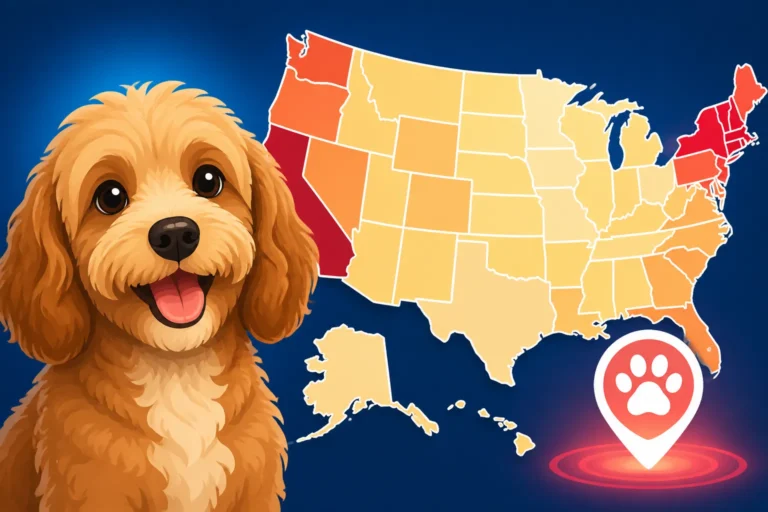
What a Phantom Cockapoo Sells For
It’s a truly exciting moment when you decide to bring a Cockapoo into your life, and the allure of a uniquely patterned coat like the phantom can be particularly strong. But if you’ve started looking, you might have noticed that certain coat colors or patterns, including the phantom, seem to carry a different price tag than others, leaving you wondering why and what to expect. This guide will walk you through the fascinating genetics behind the phantom pattern and all the practical factors that influence what you'll pay for a phantom Cockapoo, both upfront and over their lifetime.
What Exactly is a Phantom Cockapoo and Why Are They Special?
Before we dive into the numbers, let's get clear on what a "phantom" Cockapoo actually is. This isn't just a fancy name; it refers to a very specific and striking coat pattern. Imagine a dog that looks like a miniature Doberman or Rottweiler, but with the soft, curly or wavy coat of a Cockapoo. That's a phantom!
The phantom pattern typically features a solid base color (like black, chocolate, red, or apricot) with distinct, lighter tan or cream markings on specific parts of the body. These markings usually appear above each eye, on the sides of the muzzle, across the chest, on the lower legs, and under the tail. It’s a beautifully defined pattern that really stands out, giving these dogs a sophisticated and often quite regal look. This unique appearance is a big part of their appeal.
The Genetics Behind the Phantom Pattern
The phantom pattern is governed by a specific gene called the "tan point" gene, often denoted as "at" in canine genetics. Both Cocker Spaniels and Poodles, the parent breeds of the Cockapoo, can carry and express this gene, though it might be more commonly associated with certain lines of Poodles or working-type Cocker Spaniels. For a Cockapoo to display the phantom pattern, they must inherit at least one copy of this gene from their parents. If they inherit two copies, they're guaranteed to be phantom. If they only get one, they might be a phantom, or they might be a carrier if another gene overrides the expression.
This genetic specificity means that not every Cockapoo litter will produce phantom puppies. Breeders have to carefully select parent dogs that carry the necessary genes, and even then, it's not always a guarantee in every single puppy without precise genetic testing of the parents. This adds a layer of complexity to breeding for the phantom pattern, making these puppies less common than solid-colored or parti-colored Cockapoos. If you're keen to learn more about how genetics play into appearance, you might find our article on What a Phantom Cockapoo Looks Like really helpful.
The Impact of Rarity on Price
It's a simple case of supply and demand, really. Because the phantom pattern isn't as prevalent as solid coats or even some other multi-color patterns, responsible breeders who consistently produce phantom Cockapoos are meeting a niche demand. The relative rarity means that these puppies can, and often do, command a higher price. Buyers are often willing to pay a premium for a dog with such a distinctive and sought-after look.
However, it's crucial to remember that rarity alone doesn't justify a high price. The true value comes from responsible breeding practices that prioritize health and temperament alongside desirable aesthetics. An ethical breeder doesn't just breed for color; they breed for the whole package, ensuring the puppy is sound in every way.
Factors Influencing a Phantom Cockapoo's Price Beyond Just Color
While the phantom pattern itself certainly contributes to the price, it's far from the only factor. There's a whole host of considerations that influence the cost of any Cockapoo, and these apply equally, if not more so, to a phantom. If you’ve ever wondered why there’s such a wide range in prices, from a couple of hundred dollars to several thousand, our deep dive into The Two Hundred to Three Thousand Spread on a Cockapoo explains a lot.
Breeder Reputation and Health Testing
This is, without a doubt, the single most important factor. A reputable breeder invests heavily in the health and well-being of their parent dogs and puppies. This includes extensive genetic health testing for both the Cocker Spaniel and Poodle parents for common hereditary conditions. We're talking about things like Progressive Retinal Atrophy (PRA), Familial Nephropathy (FN), hip and elbow dysplasia, and patellar luxation. These tests aren't cheap, but they are absolutely essential for ensuring you're getting a healthy puppy with the best possible start in life.
When a breeder can provide certificates for these tests, it's a testament to their commitment. You should always ask for The Five Certificates a Cockapoo Breeder Should Show as proof. Investing in a puppy from a breeder who skips these tests might save you money upfront, but it could cost you a fortune in vet bills and heartache down the line. A phantom Cockapoo from a breeder who has done all their due diligence will naturally be more expensive, but it's an investment in a healthier, happier companion.
Generation of the Cockapoo
The generation of a Cockapoo (F1, F1b, F2, Multigen) also plays a role in pricing.
- F1 Cockapoo: This is a first-generation cross between a purebred Cocker Spaniel and a purebred Poodle. The genetic outcome, including coat type and color, can be a bit of a lottery, as you're mixing two distinct genetic pools. Phantom patterns are possible here if both parents carry the gene.
- F1b Cockapoo: This is a backcross, typically an F1 Cockapoo bred back to a purebred Poodle. This often aims to enhance desirable Poodle traits like a curlier, lower-shedding coat. Phantom patterns can be more consistently produced if the Poodle parent is also phantom or a strong carrier.
- Multigen Cockapoo: These are puppies from two Cockapoo parents (F2 or higher generations). Multi-generational breeding allows breeders more predictability in terms of size, coat, and temperament. A multi-generational phantom Cockapoo might be priced higher because the breeder has spent more time and effort in carefully selecting breeding pairs to consistently produce the desired phantom pattern and other traits.
The more predictable and consistent the desired traits, the more a breeder might charge, reflecting their expertise and the reliability of the outcome.
Size of the Cockapoo
Cockapoos come in four main sizes: Teacup, Toy, Miniature, and Maxi. Generally, smaller sizes (Teacup and Toy) can sometimes command higher prices due to their perceived cuteness and demand for smaller companion animals. However, breeding very small dogs can also come with its own set of health considerations and challenges, which can factor into a breeder's costs. On the other hand, larger Maxi Cockapoos might be less common and also fetch a unique price point. Understanding How Big a Teacup Cockapoo Stays or other sizes can help you predict the space and resources your future puppy will need.
Geographic Location and Local Demand
Just like real estate, puppy prices can vary significantly depending on where you live. In areas with a high demand for Cockapoos and fewer reputable breeders, prices tend to be higher. Conversely, in regions with more breeders, you might find more competitive pricing. The cost of living for the breeder, veterinary care costs in their area, and even local regulations can all influence the final price tag.
The True Cost of a Responsibly Bred Phantom Cockapoo
It's tempting to look for a "bargain" puppy, especially with a specific pattern like phantom. However, a genuinely lower price often signals a lack of responsible breeding practices, which can lead to significant financial and emotional costs down the road. Let's talk about what goes into the price of a phantom Cockapoo from an ethical breeder.
Investment in Genetic Color and Health Testing
As mentioned, a good breeder doesn't just hope for a phantom coat; they understand the genetics involved. They might perform specific genetic tests on their breeding stock to ensure they carry the phantom gene and can pass it on. This, combined with the comprehensive health testing for hereditary diseases (like checking for Familial Nephropathy and the Kidneys a Cockapoo Can Inherit or Progressive Retinal Atrophy in a Cockapoo), adds substantially to their overhead. These tests are preventative medicine for your future puppy and are a crucial part of the initial cost. If a breeder is open about their testing protocols and provides documentation, they are demonstrating transparency and commitment to health. Knowing that a litter has been tested and cleared of potential genetic issues, such as those covered by The FN DNA Test a Cockapoo Breeder Runs, provides invaluable peace of mind.
Quality of Care for Parent Dogs and Puppies
Responsible breeders provide top-notch care for their breeding dogs, including high-quality nutrition, regular veterinary check-ups, and a loving home environment. During pregnancy and after birth, the dam and her puppies require intensive care. This includes specialized diets, comfortable birthing areas, early neurological stimulation, proper socialization, and initial veterinary care for the puppies (first vaccinations, deworming, microchipping). All of these essential elements are factored into the price of a puppy.
Time, Expertise, and Support
Breeding isn't just about mating two dogs. It requires extensive knowledge of genetics, breed standards, puppy development, and animal husbandry. Reputable breeders dedicate countless hours to their litters, from early morning feedings to late-night check-ins, meticulous record-keeping, and guiding potential owners. They also provide ongoing support and advice to their puppy buyers for the lifetime of the dog. This expertise and dedicated time are intangible but incredibly valuable components of the price.
Here's a quick overview of how different factors can influence the price of a phantom Cockapoo:
| Factor | Impact on Price (Generally) | Justification/Explanation |
|---|---|---|
| Phantom Pattern Rarity | Higher | Less common due to specific genetics; higher demand for unique appearance. |
| Reputable Breeder | Higher | Investments in health testing, quality care, socialization, ongoing support. |
| Extensive Health Testing | Higher | Essential for screening out hereditary diseases; reduces future vet costs for owners. |
| F1b or Multigen | Potentially Higher | Increased predictability of desired traits (coat, temperament, pattern) through careful breeding. |
| Smaller Sizes (Teacup/Toy) | Potentially Higher | High demand for smaller dogs; potentially more delicate care required in breeding. |
| Geographic Location | Varies | Demand, cost of living, and number of local breeders influence pricing. |
| Limited/Full Registration | Varies | Most pet Cockapoos are sold with limited registration (no breeding rights); full rights cost significantly more. |
| Early Training/Socialization | Potentially Higher | Some breeders offer early training, adding value but also cost. |
Remember, paying more for a responsibly bred phantom Cockapoo isn't just about the color; it's about paying for health, temperament, and ethical practices. When considering What a Cockapoo Breeder Takes to Reserve a Puppy, this initial deposit reflects the significant investment they make.
Beyond the Purchase Price: Long-Term Costs of a Phantom Cockapoo
The initial purchase price of your phantom Cockapoo is just the very first step in a lifelong financial commitment. Many new owners are surprised by the ongoing costs of dog ownership, which can easily overshadow the initial puppy price. Being prepared for these expenses is vital for providing your Cockapoo with a happy and healthy life.
Food and Nutrition
Feeding your Cockapoo high-quality food is paramount for their health. The type of food you choose, whether it's premium kibble, fresh food, or raw diets, will greatly impact your monthly budget. Brands like Chewy offer a vast selection of dog foods and supplies, making it easy to find options that suit your Cockapoo's needs. If you're considering fresh food options, companies like Ollie deliver nutritionally balanced meals right to your door.
The amount of food your Cockapoo needs will vary depending on their size (Teacup vs. Maxi, for example), age, and activity level. Our guide on Feeding Four Sizes of Cockapoo From Teacup to Maxi can give you a better idea of what to expect.
Grooming Expenses
Phantom Cockapoos, like all Cockapoos, have coats that require consistent grooming to prevent matting and maintain skin health. The coat types can range from straight to wavy to tightly curled, and each has different grooming demands. A phantom's markings might be more or less visible depending on their clip and curl. You can learn more about this in The Three Cockapoo Coat Types and Their Upkeep.
Professional grooming sessions, typically every 6-8 weeks, can be a significant recurring expense. If you learn to groom your Cockapoo at home, you'll still need to invest in quality grooming tools. Neglecting grooming can lead to painful mats, skin infections, and even costly veterinary visits for severe matting.
Veterinary Care and Insurance
Even with the best breeding and health testing, dogs can still face unexpected illnesses or accidents. Routine vet check-ups, vaccinations, parasite prevention, and dental care are essential annual costs. However, major health issues can arise, such as joint problems, which can be a concern for Cockapoos, especially given the four sizes they are bred from. Our article on Joints in a Cockapoo Bred From Four Sizes provides more information on this.
Pet insurance is highly recommended to help mitigate the financial impact of unforeseen medical emergencies or chronic conditions. Providers like Healthy Paws offer various plans that can cover a significant portion of veterinary bills. While a responsibly bred phantom Cockapoo has a better chance of being healthy, unforeseen circumstances can always occur, and insurance offers a vital safety net.
Training and Socialization
Cockapoos are generally intelligent and eager to please, but like any dog, they benefit immensely from early training and ongoing socialization. Puppy classes, obedience training, and even specialized activities like scent work can contribute to a well-adjusted dog. These can be an additional expense, but they are an investment in your dog's behavior and your relationship. Proper training helps prevent behavioral issues that could otherwise lead to frustration or even professional intervention.
Supplies and Miscellaneous Costs
Don't forget the everyday essentials: a comfortable bed, leash and collar, toys, crates, food and water bowls, and treats. These initial setup costs can add up quickly. Throughout your Cockapoo's life, you'll also have recurring costs for replacement toys, treats, and potentially dog walkers or boarding if you travel.
Bringing a phantom Cockapoo into your home is a joyous experience. Understanding all the cost implications, both upfront and long-term, ensures you can provide your unique companion with everything they need for a long, happy, and healthy life.
Disclaimer
This article is for general informational purposes only and does not constitute professional advice. Laws, prices and regulations vary by location and change over time. Consult a qualified professional for guidance on your specific situation.