The Cockapoo Sold Out of a Mill
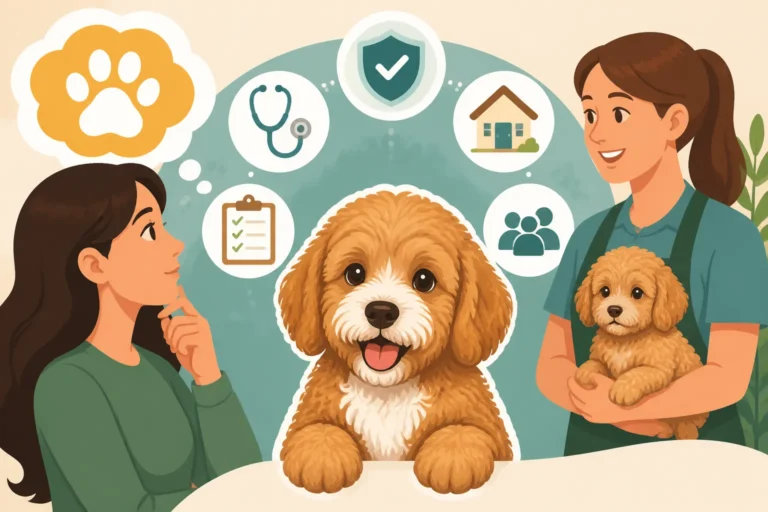
Bringing a new Cockapoo into your home should be a joyful, exciting experience, but for far too many families, it quickly turns into a nightmare of endless vet visits, behavioral struggles, and profound heartbreak. The unfortunate truth is that many Cockapoos, particularly those advertised at suspiciously low prices or from sources that lack transparency, come from puppy mills. These environments inflict lasting damage on these sweet dogs, leaving owners grappling with hidden costs and deep emotional scars. This guide aims to shed light on the grim reality of Cockapoos sold out of mills, helping you understand the warning signs, the consequences, and how to find a truly healthy, happy companion.
Understanding Puppy Mills and Their Operation
When we talk about puppy mills, it’s easy to imagine some Dickensian scene of squalor, but the reality can sometimes be far more insidious, hidden behind charming websites and glossy photos. The core issue remains the same: profit prioritized over the welfare of living, breathing creatures.
What Exactly is a Puppy Mill?
At its heart, a puppy mill is a commercial breeding operation that churns out puppies for profit, often with little to no regard for the animals' health, welfare, or genetic integrity. Think of it as a factory for puppies. Unlike responsible breeders who limit litters, vet their dogs, and spend countless hours on socialization, mill operators see their dogs as livestock, production units in a business model. These facilities can range from small, rural setups with dozens of dogs in cramped cages to massive, industrial-scale operations housing hundreds. The conditions are almost universally poor, characterized by overcrowding, unsanitary enclosures, inadequate nutrition, and a severe lack of veterinary care. Breeding dogs are often kept in cages their entire lives, never touching grass or feeling a loving human hand, bred repeatedly until their bodies give out. Their puppies, born into this environment, miss out on critical early developmental stages. They lack proper socialization, are exposed to constant stress and disease, and are often removed from their mothers too early.
The Deceptive Tactics of Mill Breeders
One of the hardest parts about puppy mills is how good they are at deception. They know that people wouldn't knowingly support such cruelty, so they go to great lengths to hide their true operations. Many mill-bred Cockapoos are sold through pet stores, online classifieds, or seemingly innocent-looking websites that feature stock photos or images of happy, healthy puppies that bear no resemblance to the conditions the actual parents and puppies endure. They'll often list puppies for sale using terms like "local breeder," "family-raised," or "farm-fresh," hoping to evoke a sense of wholesome care. When you inquire, they might insist on meeting you in a neutral location, like a public parking lot or a service station, rather than inviting you to their home or facility. This is a massive red flag, as it prevents you from seeing where the puppies and their parents are actually living. They'll often provide vague answers about the parent dogs, their health history, or the puppy's early life, deflecting questions with practiced ease. This lack of transparency is a hallmark of a mill operation, designed to keep you from discovering the grim reality behind their cute advertisements.
Why Cockapoos Are So Often Found in Mills
The unfortunate popularity of the Cockapoo makes them prime targets for puppy mill exploitation. These charming, low-shedding, friendly dogs are incredibly sought after, particularly by families looking for a companion that combines the best traits of the Cocker Spaniel and the Poodle. This high demand, coupled with the "designer dog" label, allows unethical breeders to command significant prices without investing in proper care or health screening. The lack of official breed recognition from organizations like the American Kennel Club (AKC) also means there are fewer regulations or standards for Cockapoo breeding, making it easier for mills to operate under the radar. Anyone can claim to be a "Cockapoo breeder," and without established registries and codes of ethics, buyers are often left vulnerable to unscrupulous practices. Mill operators capitalize on the public's desire for a specific look or temperament, producing large numbers of puppies as quickly and cheaply as possible, bypassing essential health checks and socialization practices that truly responsible breeders prioritize. This results in a heartbreaking cycle where vulnerable puppies are sold to unsuspecting families, leading to a lifetime of potential issues.
The Immediate Red Flags When Buying a Mill-Bred Cockapoo
Spotting a mill-bred Cockapoo isn't always easy, especially when you're caught up in the excitement of getting a new puppy. However, there are some very clear red flags that, if you encounter them, should have you running in the opposite direction.
The 'Too Good to Be True' Price Tag
While responsible breeders invest heavily in the health and well-being of their dogs, puppy mill operators cut every corner imaginable. This often translates into a price tag that seems incredibly attractive, sometimes hundreds or even thousands less than what you might expect from a reputable source. You might see a Cockapoo advertised for an astonishingly low price, perhaps on a local online marketplace or through a vague listing. It feels like a steal, right? But remember that old adage: if it seems too good to be true, it almost certainly is. The initial savings you make on a mill-bred puppy are almost always dwarfed by the astronomical vet bills you'll incur later. These "bargain" puppies often carry a lifetime of hidden costs, from treating chronic illnesses to addressing severe behavioral problems. A responsible breeder’s price reflects their investment in genetic testing, quality food, proper veterinary care for the parents and puppies, and extensive socialization. When you see a Cockapoo for a fraction of that, it’s not because the breeder is generous; it’s because they’ve skipped every essential step that ensures a healthy start in life. The real price of a Cockapoo often falls within The Two Hundred to Three Thousand Spread on a Cockapoo, reflecting the care and due diligence involved.
Breeder Avoidance and Lack of Transparency
One of the most telling signs of a puppy mill operation is a breeder's reluctance, or outright refusal, to be transparent about their practices. A responsible breeder will be eager for you to visit their home, meet the mother dog (and sometimes the father if he lives on site), and see the environment where the puppies are being raised. They'll want to interview you, ensuring their puppies are going to good homes, and they'll be happy to answer all your questions, no matter how many you have. Mill breeders, however, will do everything in their power to prevent you from seeing their facility. They might claim they're protecting the puppies from disease by not allowing visitors (a common tactic), or they might suggest meeting you at a neutral location like a highway rest stop, a pet store parking lot, or even deliver the puppy to your home without allowing you to see their setup. This secrecy is a glaring red flag. You should always insist on visiting the place where the puppies were born and raised, and interacting with the mother dog. If a breeder makes excuses or becomes defensive, it’s a clear indication that they have something to hide. It's crucial to insist on Whether Seeing the Cockapoo's Mother Matters because her condition and temperament are strong indicators of the puppy's future.
Unanswered Questions and Missing Paperwork
When you're dealing with a reputable breeder, they'll have a wealth of information about their dogs. They'll be able to tell you about the health history of both parent dogs, their temperaments, and show you proof of comprehensive health testing. With a mill breeder, you'll often find yourself met with vague answers, evasiveness, or outright lies when you ask probing questions. You might ask about genetic health screenings for common Cockapoo issues like Progressive Retinal Atrophy (PRA) or Familial Nephropathy (FN), and they'll either dismiss your concerns, say "the vet cleared them," or provide generic "health guarantees" that are often worthless. They won't have actual certifications from organizations like the Orthopedic Foundation for Animals (OFA) or the Canine Eye Registration Foundation (CERF). You should always be Asking a Cockapoo Breeder for the FN Certificate and proof of other vital health clearances. Furthermore, they might offer "papers" for the puppy that turn out to be registration with a dubious or non-existent registry, not a recognized breed club, or they'll be completely absent. They might not have up-to-date vaccination records or deworming schedules, or the records they do provide might seem inconsistent or incomplete. Any hesitation to provide comprehensive, verifiable documentation on health, lineage, and vaccinations should set off major alarm bells. This kind of lack of transparency regarding health testing means that Whether an Untested Cockapoo Litter Is a Gamble is an emphatic yes.
The Health Nightmare: What a Mill Cockapoo Inherits
The most devastating consequence of purchasing a puppy mill Cockapoo often manifests in their health. Without proper screening, care, and genetic considerations, these puppies are a ticking time bomb of potential medical issues.
Genetic Diseases and Lack of Health Testing
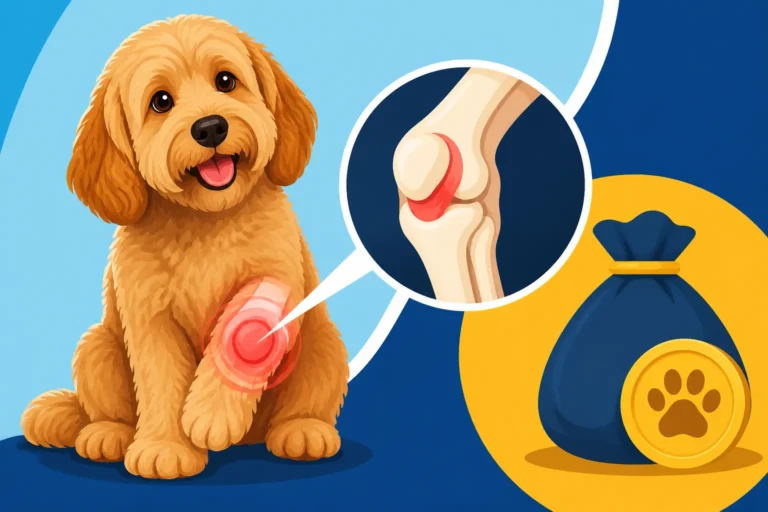
Responsible Cockapoo breeders invest heavily in health testing their breeding stock for genetic conditions common to both Cocker Spaniels and Poodles. This includes screenings for serious issues like hip dysplasia, patellar luxation, eye conditions, and critical genetic diseases. For Cockapoos, specific concerns include Familial Nephropathy and the Kidneys a Cockapoo Can Inherit from the Cocker Spaniel side, and progressive retinal atrophy (PRA) from both sides. When you buy from a puppy mill, these vital tests are almost always skipped. Mill operators prioritize quantity over quality, viewing genetic testing as an unnecessary expense that cuts into their profits. This means that puppies are born with a significantly higher risk of inheriting debilitating conditions. You might bring home an adorable fluffball only to discover, as they grow, that they suffer from painful Slipping Kneecaps in a Toy Cockapoo that require expensive surgery, or develop early-onset blindness due to Progressive Retinal Atrophy in a Cockapoo. These conditions aren't just heartbreaking; they can lead to staggering veterinary bills and a diminished quality of life for your beloved pet. The emotional toll of watching your dog suffer from a preventable genetic disease is immense, often leaving owners feeling helpless and overwhelmed.
Parasites and Infectious Diseases in Mill Puppies
Beyond genetic predispositions, puppies from mills are almost always exposed to a multitude of parasites and infectious diseases due to the unsanitary and overcrowded conditions in which they are raised. Imagine dozens, if not hundreds, of dogs crammed together in small cages, with waste accumulating and inadequate ventilation. This environment is a breeding ground for bacteria, viruses, and parasites. Mill puppies frequently arrive home infested with internal parasites like roundworms, hookworms, and whipworms, which can cause severe digestive upset, stunted growth, and anemia. External parasites like fleas and mites are also common. More critically, these puppies are at a high risk for serious, often life-threatening infectious diseases such as canine parvovirus, distemper, kennel cough, and giardia. Due to weakened immune systems from poor nutrition and stress, and often receiving inadequate or improperly administered vaccinations, they are highly susceptible. Many mill puppies will become seriously ill shortly after arriving in their new homes, requiring immediate and intensive veterinary intervention. This often means emergency vet visits, hospitalization, and a cascade of treatments, all adding to the financial and emotional burden on the unsuspecting new owner.
Chronic Conditions and Lifelong Vet Bills
Even if a mill-bred Cockapoo doesn't present with an immediate, life-threatening illness, they often develop chronic health issues throughout their lives. The poor start, genetic predispositions, and constant stress they endured in the mill take a toll on their developing bodies and immune systems. This can manifest as chronic allergies, recurring ear infections (especially given the Cockapoo's floppy ears), persistent skin problems, or even severe dental disease due to poor nutrition and lack of early dental care. They might have compromised immune systems, making them more susceptible to common illnesses throughout their lives. Digestive sensitivities are also common, requiring specialized diets and ongoing management. These aren't one-off vet visits; they are lifelong battles that require constant vigilance, medications, and frequent trips to the veterinarian. It's truly heartbreaking to watch your companion struggle with issues that could have been largely avoided with responsible breeding practices. These ongoing health challenges can easily lead to What a Mill Bred Cockapoo Costs You Later, quickly adding up to thousands of dollars over the dog's lifetime, making that initial "bargain" price feel like a cruel joke. To help manage these unpredictable costs, many owners find peace of mind with pet insurance plans, like those offered by Healthy Paws, which can cover unexpected accidents and illnesses.
Behavioral Challenges Stemming from Mill Environments
The physical toll on a mill Cockapoo is often visible, but the emotional and psychological damage can be just as profound, leading to significant behavioral challenges that require immense patience and dedication to overcome.
Socialization Deficits and Fear Responses
Puppies born and raised in puppy mills are largely deprived of critical early socialization experiences. This vital period, roughly from 3 to 16 weeks of age, is when puppies learn about the world around them, including how to interact appropriately with humans, other dogs, and various sights, sounds, and textures. In a mill, puppies are typically confined to cages, with minimal human contact, certainly no positive interaction, and no exposure to a normal household environment. As a result, they often grow up to be incredibly fearful, anxious, and undersocialized. They might be terrified of new people, retreating or cowering at the slightest movement. Loud noises, unfamiliar objects, or even just walking on different surfaces (like pavement or grass, if they've only known wire cages) can trigger intense fear responses. This isn't just shyness; it's a deep-seated anxiety that impacts every aspect of their lives. Overcoming these fear-based behaviors requires professional guidance, a huge amount of patience, and a very structured, positive approach to slowly introduce them to the world they never knew.
Housetraining Hurdles and Inappropriate Elimination
Housetraining is a common challenge for any puppy owner, but for a mill-bred Cockapoo, it can be an exceptionally frustrating and lengthy process. In a mill environment, puppies are forced to live in their own waste. They never learn the crucial concept of separating their living space from their "potty" area. There's no clean space for them to instinctively keep tidy, and no opportunity for a human to teach them where they should go. This lack of early training and the ingrained habit of eliminating wherever they are can make housetraining a nightmare in a clean home. They often have no understanding of going outside, might be afraid of the outdoors due to their lack of exposure, and can struggle to signal when they need to relieve themselves. Owners might find themselves constantly cleaning up accidents, despite their best efforts. This isn't out of stubbornness; it's a fundamental misunderstanding of appropriate elimination, ingrained from birth. It requires going back to absolute basics, often treating them as if they've never been taught anything, using consistent routines, positive reinforcement, and often, professional help to break those deeply ingrained patterns.
Separation Anxiety and Destructive Behaviors
Another heart-wrenching behavioral issue commonly seen in mill-bred Cockapoos is severe separation anxiety. These puppies often come from environments where they've had little individual attention but have been constantly surrounded by other dogs, even if it wasn't positive interaction. When they are suddenly placed in a quiet home, they can become profoundly distressed when left alone, even for short periods. This anxiety manifests in various ways: incessant barking or howling, destructive chewing of furniture, doors, or personal items, frantic pacing, or inappropriate elimination. They might follow their owners from room to room, unable to settle down if out of sight. The underlying cause is often a deep sense of insecurity and a lack of coping mechanisms developed during their crucial early weeks. Addressing separation anxiety requires a very careful, gradual approach, often involving desensitization exercises, building confidence, and sometimes medication in conjunction with behavioral modification. Providing mental enrichment through puzzle toys, like those found on Chewy, can sometimes help redirect their anxiety into more appropriate behaviors when you are away. This is a journey that demands significant time, understanding, and often professional help from a certified behaviorist.
The Emotional Toll on Owners and the Dog
Beyond the tangible health and behavioral issues, bringing a mill-bred Cockapoo into your life carries a heavy emotional weight, affecting both the dog and its new family in profound ways.
The Heartbreak of a Sick or Traumatized Puppy
Imagine the joyous anticipation of bringing home a new puppy, only for that joy to quickly transform into worry, fear, and profound sadness. This is the reality for many who unwittingly purchase a mill-bred Cockapoo. You envision playful antics and loving cuddles, but instead, you're faced with a tiny creature who is constantly sick, riddled with parasites, or terrified of every new sound and movement. Watching your puppy suffer, undergoing endless vet visits, or cowering in fear instead of confidently exploring its new home, is truly heartbreaking. There's the crushing guilt that you might have unknowingly contributed to the puppy mill industry, even if you had no idea at the time. You spend sleepless nights worrying, feeling helpless as you navigate complex medical treatments or behavioral rehabilitation. This emotional rollercoaster can be incredibly draining, testing the limits of your patience and resilience. The dream of a carefree companion is replaced by the demanding reality of caring for a traumatized or chronically ill animal, leaving you emotionally exhausted and deeply saddened by the injustice your sweet Cockapoo has endured.
Financial Strain and Unexpected Expenses
While the emotional toll is immense, the financial burden of a mill-bred Cockapoo can be equally devastating. That initial "bargain" price quickly evaporates under a mountain of unexpected expenses. The average cost of treatment for common mill-related issues—like parvovirus, giardia, or severe respiratory infections—can run into thousands of dollars for diagnostics, medications, and hospitalization. Beyond the immediate crises, chronic conditions such as allergies, recurring ear infections, or genetic orthopedic issues like patellar luxation can lead to lifelong medication, specialized diets, and potential surgeries. Behavioral problems, too, come with a price tag. Professional trainers or veterinary behaviorists, often necessary to address severe fear or separation anxiety, can be expensive. Many owners find themselves dipping into savings, taking on debt, or making difficult choices about their dog's care. This is where investing in pet insurance from companies like Healthy Paws becomes not just advisable, but almost essential for owners of mill-bred dogs, as it can help mitigate the financial shock of unexpected medical emergencies and ongoing care. Without such a safety net, the dream of pet ownership can quickly turn into a financial quagmire, proving that a cheap puppy is almost never truly cheap.
The Long Road to Rehabilitation and Trust
Rescuing or purchasing a mill-bred Cockapoo is not just about bringing a dog home; it's about embarking on a profound journey of rehabilitation and building trust. These dogs often arrive with deeply ingrained fears and a fundamental distrust of humans, having known little but neglect or harsh handling. The road to helping them overcome their trauma is long, arduous, and requires immense patience, consistency, and understanding. There are no quick fixes. Progress is often slow, measured in tiny victories: a tentative wag of the tail, accepting a gentle touch, taking a few steps outside without panicking, or finally settling down for a nap in their new home. It means setting realistic expectations, celebrating every small step forward, and understanding that some scars may never fully heal. Building trust involves consistent positive interactions, predictable routines, gentle training methods, and creating a safe, loving environment where they feel secure. It's an act of profound dedication and love, transforming a broken spirit into a confident, cherished companion, one day at a time. This journey, while challenging, can also be incredibly rewarding, as you witness the resilience of your Cockapoo.
Protecting Yourself and Finding a Reputable Cockapoo
The good news is that by being informed and diligent, you can absolutely avoid supporting puppy mills and instead find a healthy, well-adjusted Cockapoo from an ethical source.
Researching Reputable Breeders
Finding a reputable Cockapoo breeder requires careful research and a critical eye. A good breeder will prioritize the health, temperament, and welfare of their dogs above all else. Start by looking for breeders who are open and communicative. They should be eager to talk with you, ask you questions about your lifestyle and experience, and be transparent about their breeding practices. A responsible breeder will conduct extensive health screenings on both parent dogs for genetic conditions common to Cockapoos, such as hip and elbow dysplasia, patellar luxation, and eye conditions like PRA and cataracts. They should provide verifiable proof of these tests from recognized canine health organizations. They will typically breed only a few litters a year, ensuring each puppy receives individual attention and proper socialization. The puppies should be raised in a clean, stimulating home environment, not in outdoor kennels or isolated facilities. Expect to visit the breeder's home, meet the mother dog (and possibly the father), and observe the puppies in their living space. A good breeder will also offer a health guarantee and be available for support and advice throughout your dog's life. Don't be swayed by charming websites alone; real transparency and verifiable health practices are key.
Asking the Right Questions and Demanding Proof
When you connect with a potential breeder, come armed with a list of questions, and don't hesitate to ask them all. This is your chance to vet them thoroughly. Ask about the health history of both parent dogs, including any genetic testing results. Demand to see certificates for eye clearances, like yearly Whether a Cockapoo Needs a Yearly CAER Exam, and DNA tests for conditions such as Familial Nephropathy and Progressive Retinal Atrophy. Ask about their breeding philosophy, how often they breed their female dogs, and what age they typically retire their breeding animals. Inquire about the puppy's early socialization: what sights, sounds, and experiences have they been exposed to? How are they housetrained? Ask about their vaccination schedule, deworming protocols, and what kind of veterinary care the puppies have received. A responsible breeder will welcome your questions and provide clear, honest answers, backed by documentation. Be wary of any breeder who dismisses your concerns, becomes defensive, or can't provide verifiable proof of health testing and veterinary care. If they push you to make a quick decision or avoid discussing their practices in detail, it's a major warning sign. Remember, you're not just buying a puppy; you're looking for a responsible partner who genuinely cares about the well-being of their dogs.
Considering Adoption from Reputable Rescues
If finding a puppy from a breeder feels overwhelming, or if you're specifically looking to give a deserving dog a second chance, consider adopting a Cockapoo from a reputable rescue organization. There are many breed-specific rescues for Cocker Spaniels and Poodles, and often, Cockapoos find their way into these organizations. Additionally, general all-breed rescues frequently have doodle mixes in need of homes. Rescues are a fantastic option because these dogs often come from situations where they were neglected, abandoned, or surrendered, and the rescue works diligently to rehabilitate them. When you adopt from a reputable rescue, the dog will typically come spayed or neutered, up-to-date on vaccinations, microchipped, and will have received comprehensive veterinary care. The rescue will also conduct a thorough assessment of the dog's temperament and behavior, helping to match you with a Cockapoo whose personality and needs align with your lifestyle. They are transparent about any known health or behavioral issues, providing you with all available information. While the initial adoption fee, such as What a Cockapoo Rescue Charges in Adoption Fees, might seem significant, it usually covers a large portion of the vetting and care the dog has already received, often making it more cost-effective than dealing with the unknown expenses of a mill-bred puppy. Adopting not only saves a life but allows you to bring home a dog whose background is understood, offering a much more predictable and often deeply rewarding experience. Even better, you might find opportunities like Fostering a Cockapoo Out of a Mill Seizure which provides critical temporary care for dogs rescued from horrific conditions.
Supporting Your Mill Rescue Cockapoo
Bringing home a Cockapoo rescued from a mill requires a unique approach, focusing on healing, patience, and consistent support. It's a commitment, but one that yields incredible rewards as you watch your dog transform.
Veterinary Care and Nutritional Support
The very first step for any mill rescue Cockapoo is a comprehensive veterinary examination. Be open with your vet about the dog's suspected background so they can perform thorough checks for parasites, infectious diseases, and underlying health conditions that might have been neglected or hidden. This initial vet visit will likely include deworming, updated vaccinations, and a full blood panel to assess organ function. Many mill dogs arrive severely malnourished, so a high-quality, easily digestible diet is crucial. Discuss nutritional needs with your vet; they might recommend a prescription diet or a specific type of premium food, like the fresh food options from Ollie, which can be excellent for sensitive stomachs and provide the necessary nutrients for recovery. These dogs might also have extensive dental issues requiring professional cleaning, and potentially extractions, due to years of poor hygiene. Regular follow-up appointments will be essential to monitor their progress, address any chronic conditions, and ensure they are thriving physically. Providing consistent, excellent veterinary care, along with a nutritious diet, lays the foundation for their physical recovery and overall well-being.
Patience and Positive Reinforcement Training
Behavioral rehabilitation for a mill rescue Cockapoo demands an extraordinary amount of patience and a commitment to positive reinforcement training. These dogs often have deep-seated fears and anxieties, so harsh corrections or punishment will only exacerbate their trauma and erode any trust you're trying to build. Instead, focus on creating a predictable routine, gentle handling, and rewarding every small step of progress. Use high-value treats and praise to encourage desired behaviors, whether it's approaching you for a pet, walking calmly on a leash, or successfully eliminating outside. Start with the basics, such as teaching them their name, "sit," and "stay," using short, fun sessions that build their confidence. If they are afraid of new things, introduce them very gradually and positively, never forcing an interaction. For example, if they're scared of car rides, start with just sitting in the parked car, then short trips around the block, always with praise and treats. Consider enrolling in a positive reinforcement obedience class or working with a certified professional dog trainer who has experience with fear-based behaviors and trauma. The goal is to make learning a positive experience, helping your Cockapoo understand that the world can be a safe and rewarding place.
Creating a Safe and Enriched Environment
A mill rescue Cockapoo thrives in an environment that prioritizes safety, security, and enrichment. Start by creating a dedicated "safe space" for them, such as a cozy crate or a quiet room, where they can retreat when feeling overwhelmed. This space should be comfortable, with soft bedding and comforting toys. Establish a consistent daily routine for feeding, potty breaks, playtime, and rest. Predictability helps to reduce anxiety and build confidence. Introduce new experiences slowly and thoughtfully. For example, if they're shy around people, ask visitors to ignore them initially, allowing the dog to approach on their own terms. Provide plenty of mental stimulation through puzzle toys, sniff games, and short training sessions to engage their minds and help reduce boredom and anxiety. Ensure they have appropriate chew toys to satisfy natural instincts and help relieve stress. For grooming, which can be particularly traumatic for mill dogs, introduce brushing and handling very gently, using positive reinforcement. Consider making purchases from Chewy for a wide array of toys and enrichment items that can help in their adjustment. Above all, offer consistent love, understanding, and a calm presence. Your Cockapoo needs to learn that your home is a sanctuary where they are safe, loved, and free from fear.
| Feature | Reputable Breeder | Puppy Mill |
|---|---|---|
| Primary Goal | Health, temperament, welfare of dogs & breed improvement | Maximizing profit, high volume |
| Parent Access | Always welcome to meet mother, sometimes father; see living environment | Often no access to parents or facility; meet in neutral location |
| Health Testing | Extensive genetic health clearances for parents; verifiable certificates | Minimal or no health testing; vague "vet cleared" claims; worthless "guarantees" |
| Environment | Clean, stimulating home environment; puppies raised indoors | Unsanitary, overcrowded cages; often isolated from human contact |
| Socialization | Extensive early socialization with humans, sights, sounds | Minimal to no socialization; often fearful and undersocialized |
| Paperwork | Detailed health records, vaccination proof, legitimate registration info | Incomplete records, dubious "papers," or no paperwork at all |
| Support | Lifelong support, takes dogs back if needed, comprehensive contract | No ongoing support; difficult to contact post-sale; no genuine safety net |
| Price | Reflects investment in health & care (higher initial cost) | Often suspiciously low (leading to higher long-term costs) |
Disclaimer
The information provided in this article is for general informational and educational purposes only and is not a substitute for professional veterinary advice. Always consult with a qualified veterinarian or animal health professional for any medical concerns or before making any decisions about your pet's health or treatment.