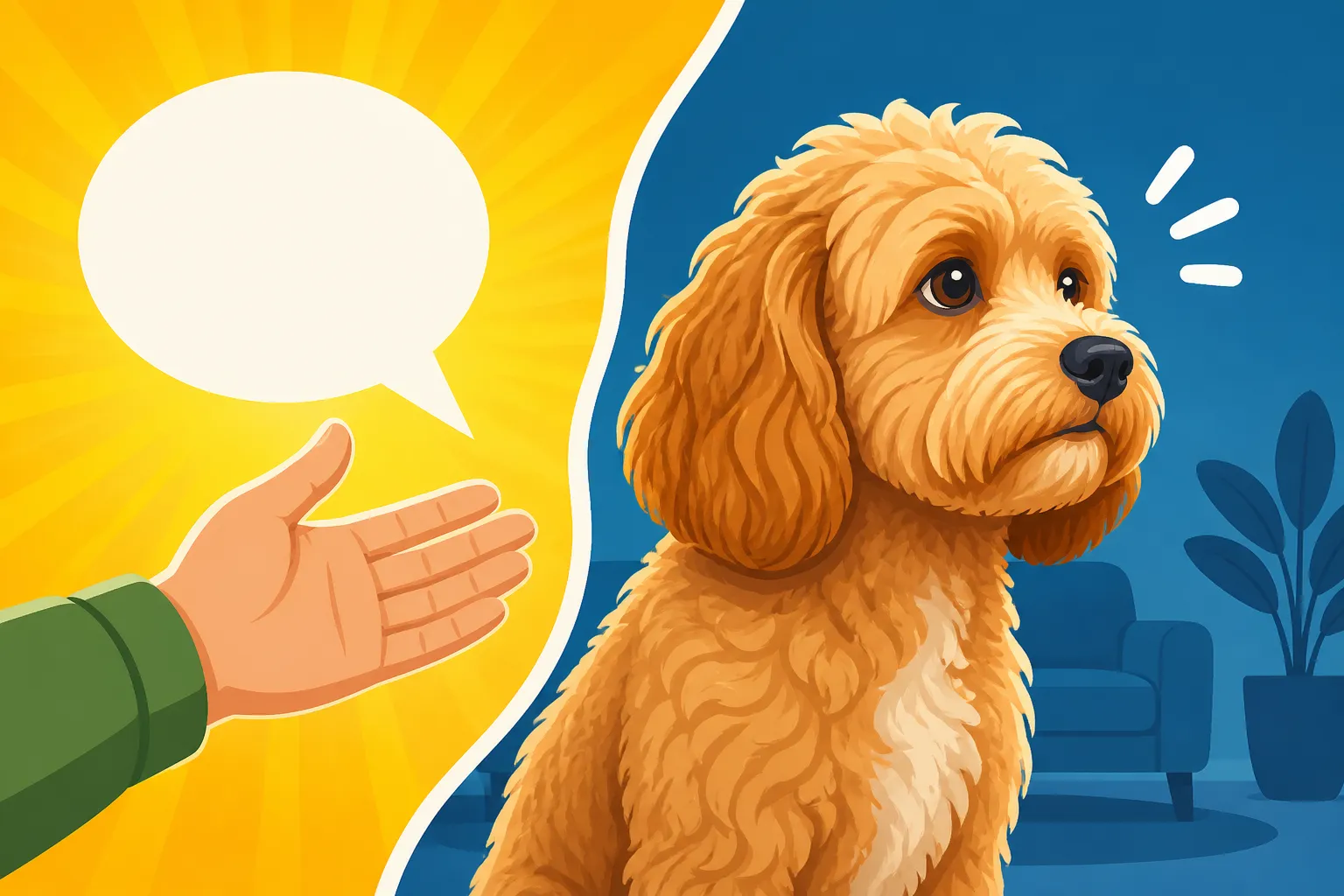
Whether an Old Cockapoo Stops Answering Its Name
It's incredibly disheartening and often quite frustrating when your beloved Cockapoo, who once bounded at the mere whisper of their name, starts to seem completely oblivious. You might call them, clap your hands, or even resort to a playful jingle of keys, only to be met with a blank stare or, worse, no reaction at all. This guide is here to walk you through the common reasons an older Cockapoo might stop responding to their name, from natural aging processes to more concerning health issues, and how you can best support them through these changes.
Understanding Normal Aging in Cockapoos
Just like us, our furry companions experience a range of physical and cognitive changes as they get older. It's a natural part of life, but knowing what to expect can help you differentiate between normal aging and something that warrants a trip to the vet. Many owners wonder about What Changes in a Cockapoo After Ten and how to best prepare.
Subtle Shifts as They Mature
You might notice your Cockapoo isn't quite as spry as they used to be, or they sleep a little more deeply throughout the day. Their once boundless energy might give way to more leisurely strolls, and their playtime sessions might become shorter. These are often gradual changes, almost imperceptible day by day, but over weeks and months, they become undeniable. They might hesitate before jumping on the couch, or take a little longer to get up after a nap. Their coat might thin slightly, or their muzzle might start to show those charming silver hairs. These subtle shifts are often the first indicators that your Cockapoo is entering their senior years, which can typically span from about 9-10 years old, depending on their size, as their potential lifespan can be The Fourteen to Eighteen Years a Cockapoo Lives.
Sometimes, what appears as "not answering their name" is simply a momentary lapse in focus, or perhaps they're just enjoying a particularly deep snooze. As dogs age, their sleep cycles can change, often becoming deeper, and they may not startle awake as easily as they once did. This isn't necessarily a sign of a problem, but rather a gentle reminder that they're not a puppy anymore. It's important to observe if this behavior is consistent, or if it only happens occasionally when they're particularly relaxed.
The "Selective Hearing" Myth vs. Reality
Oh, how many times have we joked about our dogs having "selective hearing" when they ignore a command but instantly respond to the crinkle of a treat bag! While it might feel like they're choosing to ignore you as they age, especially when they perk up for a favorite snack, the reality is often more complex. True selective hearing implies a deliberate choice, but in older dogs, it's more likely a manifestation of subtle sensory decline or even early cognitive changes.
What seems like selective hearing could actually be that certain frequencies or tones are becoming harder for them to hear. The higher-pitched sound of your voice calling their name might be less discernible than the lower, more resonant sound of kibble hitting a bowl or a treat bag opening. It's not that they're intentionally ignoring you; it's that the world around them is literally becoming quieter or less clear. This distinction is crucial because it shifts our response from frustration to empathy, prompting us to investigate potential underlying causes rather than just assuming they're being stubborn.
Hearing Loss: A Common Culprit in Older Cockapoos
One of the most frequent reasons an older Cockapoo stops answering their name is, quite simply, that they can't hear you as well as they used to. Age-related hearing loss, medically known as presbycusis, is incredibly common in senior dogs and is often a gradual process, making it difficult to pinpoint exactly when it started.
Recognizing the Signs of Hearing Loss
Beyond not responding to their name, there are several other tell-tale signs that your Cockapoo's hearing might be declining. You might notice they don't wake up when you enter the room, or they sleep through noises that would have once sent them scurrying to the door. They might startle more easily if you approach them from behind or touch them unexpectedly, as they haven't heard you coming. Their barking might even change – sometimes becoming louder or more frequent, almost as if they can't gauge the volume of their own voice.
Another sign can be a change in their general awareness of their surroundings. They might seem less engaged during walks, missing cues from other dogs or people that they would have picked up on before. For instance, a delivery truck pulling up might go unnoticed, whereas previously it would have prompted a flurry of barks. Pay close attention to these subtle behavioral shifts. If they seem disoriented or hesitant in familiar environments, especially at night, it could be a combination of hearing and vision changes.
Causes of Hearing Loss in Cockapoos
While presbycusis is the primary age-related cause, it's not the only factor. Cockapoos, like their parent breeds, can also be susceptible to other issues that affect hearing. Chronic ear infections, for example, can lead to scarring and damage within the ear canal, impairing sound conduction. The long, floppy ears of a Cockapoo can sometimes trap moisture and debris, creating a perfect breeding ground for bacteria or yeast, which if left untreated, can lead to long-term hearing issues. Regular ear cleaning and vigilance are key preventative measures here.
Certain medications can also have ototoxic effects, meaning they can damage the inner ear and lead to hearing loss, although this is less common in chronic, age-related cases. In rare instances, tumors or polyps within the ear canal can obstruct sound. If you notice a sudden or rapid decline in hearing, or signs of pain or discharge from the ears, it's crucial to consult your vet. Even though genetic hearing loss isn't as prevalent in Cockapoos as in some other breeds, inherited predispositions to ear canal structure issues or chronic allergies can indirectly contribute to problems over time.
Adapting to a Hearing-Impaired Cockapoo
Discovering your Cockapoo is losing their hearing can be upsetting, but it doesn't mean the end of your communication or their quality of life. Adapting your interactions is key. Start by using visual cues more often. Hand signals, taught from puppyhood or introduced now with positive reinforcement, can become their new language. A simple thumbs-up for "good dog" or a raised hand for "stay" can be very effective. Consider using a vibrating collar (not a shock collar!) to get their attention, especially outdoors. A gentle vibration can signal them to look at you, allowing you to then give a visual command.
When approaching them, especially when they're sleeping, try to make your presence known by stamping your foot gently to create vibrations, or by allowing them to catch your scent before touching them. Always approach from the front to avoid startling them. Your home environment might also need a few tweaks. If they can't hear cars, ensure they're always leashed near roads. For walks in familiar, safe, enclosed areas, a long line can give them freedom while keeping them secure. Maintaining a consistent routine also helps to reduce anxiety, as they can predict what comes next even without auditory cues. Many pet owners find a comprehensive insurance plan, like those offered by Healthy Paws, can really help cover the costs of these unexpected age-related changes and assistive devices, making it easier to provide the best care without financial stress.
Cognitive Decline: When Their Mind Starts to Drift
Sometimes, it's not just their ears that are failing them; it's their brain. Canine Cognitive Dysfunction (CCD), often compared to Alzheimer's in humans, is a progressive neurodegenerative disorder that affects memory, learning, and comprehension. This can certainly manifest as your Cockapoo no longer responding to their name, not because they can't hear, but because they no longer process what their name means or even recognize it as their own.
Spotting the Early Signs of CCD
CCD isn't just about memory loss; it encompasses a range of behavioral changes, often summarized by the acronym DISHA:
- Disorientation: They might get lost in familiar rooms, stare blankly at walls, or forget where their food bowl is.
- Interaction changes: A once-affectionate dog might become withdrawn, or an independent dog might become clingy. They might stop greeting family members.
- Sleep-wake cycle changes: They might sleep more during the day but be restless, bark, or wander at night.
- House-soiling: Accidents might start happening indoors, despite being perfectly house-trained for years.
- Activity level changes: They might become less active, stare more, or engage in repetitive behaviors like pacing.
If your Cockapoo isn't just ignoring their name but also showing a combination of these signs, especially changes in their interactions with you or their sleep patterns, it's a strong indicator that cognitive decline might be at play. They might appear confused or anxious more often, which is heartbreaking to witness in a dog that was once so confident and happy.
Differentiating CCD from Simple Hearing Loss
It can be tricky to distinguish between hearing loss and CCD, as some symptoms can overlap. However, a key difference lies in the pattern of their unresponsiveness. With pure hearing loss, your dog might still appear engaged and happy, responding eagerly to visual cues or vibrations, even if they don't hear their name. They still have their wits about them, even if the volume knob has been turned down.
With CCD, the unresponsiveness is often accompanied by a more generalized confusion. They might not just miss their name, but also seem to forget commands they once knew, or appear bewildered by familiar objects or people. Their eyes might seem glazed over, or they might stare into space. If you call their name and they eventually look at you, but then seem to forget why they looked, that's more indicative of a cognitive issue than just deafness. A thorough veterinary examination, including neurological assessments, can help determine the primary cause of their changed behavior. This is another area where having a good pet insurance plan, such as one from Healthy Paws, can be invaluable for covering the potentially extensive diagnostic costs.
Strategies for Supporting a Cognitively Impaired Cockapoo
While there's no cure for CCD, there are many ways to manage its symptoms and improve your Cockapoo's quality of life. Environmental enrichment is vital: keep their environment consistent and predictable. Don't rearrange furniture too often. Use nightlights to help with disorientation during nighttime wandering. Mental stimulation is also critical, even if it's adapted to their abilities. Simple puzzle toys, short training sessions reinforcing basic commands, or even just regular conversations with them can help keep their minds active.
Medications and supplements can also play a significant role. Your vet might prescribe drugs like selegiline, which can help improve brain function in some dogs with CCD. Antioxidants, Omega-3 fatty acids, and specific veterinary diets formulated for brain health (often rich in medium-chain triglycerides) can also be beneficial. For example, some specialized senior dog foods contain nutrients designed to support cognitive function. Discuss these options with your veterinarian to create a tailored management plan. Just like us, older Cockapoos thrive on routine and gentle reassurance, so make sure they feel loved and secure, even if they can't always articulate their feelings.
Other Medical Conditions Masking as Disinterest
Sometimes, what appears as a lack of response might not be a sensory or cognitive issue at all, but rather a symptom of another underlying medical condition. It's easy to jump to the conclusion of "old age," but a thorough investigation can sometimes uncover treatable problems.
Pain or Discomfort
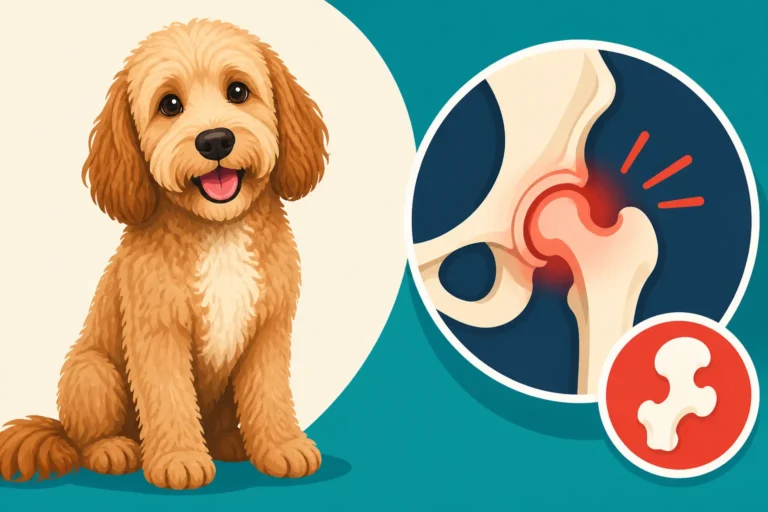
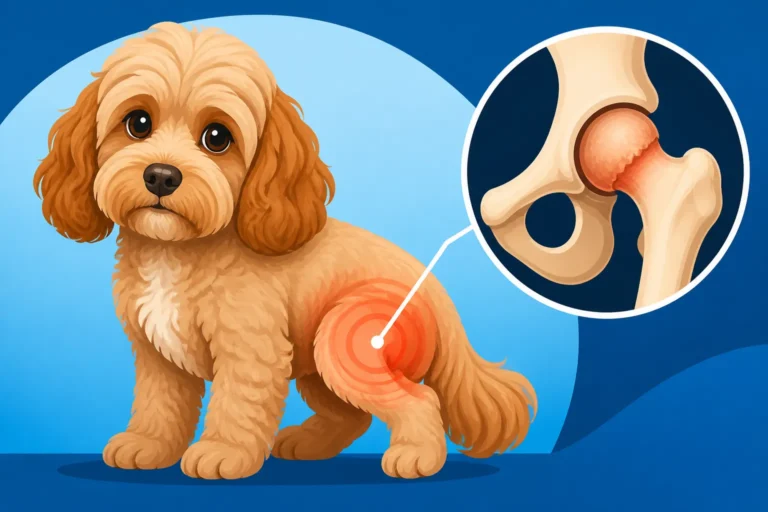
Chronic pain can significantly impact a dog's willingness or ability to respond. If your Cockapoo is experiencing joint pain from Arthritis in a Cockapoo at Eleven or another orthopedic issue like hip dysplasia (which can affect even smaller dogs depending on their lineage), they might be reluctant to move quickly, or even to lift their head if it causes discomfort. Their energy levels drop, and their focus might be entirely on managing their pain, making them seem disinterested or unresponsive.
Observe if they show any signs of pain: limping, stiffness, reluctance to jump, difficulty getting up, panting excessively, or guarding a particular body part. Even subtle shifts in posture or gait can indicate chronic discomfort. A dog in pain might also become more irritable or withdrawn, further contributing to their perceived unresponsiveness. A vet can assess their pain levels and recommend appropriate pain management strategies, from medication to physical therapy, which can make a world of difference to their quality of life and engagement.
Vision Impairment
While not directly impacting their hearing or cognitive understanding of their name, severe vision loss can certainly make an old Cockapoo seem less responsive. If they can't see you approaching or giving a visual cue, they might appear to be ignoring you. This is particularly true if their hearing is also declining, creating a double whammy of sensory deprivation. Conditions like cataracts, glaucoma, or Progressive Retinal Atrophy (PRA) (which can start to take The Age prcd-PRA Takes a Cockapoo's Sight) are common in older Cockapoos.
You might notice them bumping into furniture, hesitating in unfamiliar environments, or becoming more clingy because they rely on you as their guide. If their vision is significantly impaired, they might struggle to locate you by sight when you call their name from across a room. This is why it's vital to have The Kidney and Eye Checks a Cockapoo Needs Yearly to catch these issues early. While adapting to a blind dog takes effort, many owners find that Whether a Blind Cockapoo Manages at Home incredibly well with a few adjustments and lots of love.
Hypothyroidism and Other Systemic Issues
Several systemic health conditions can manifest as lethargy, mental dullness, and a general lack of enthusiasm that could be mistaken for unresponsiveness. Hypothyroidism, where the thyroid gland doesn't produce enough hormones, is a common culprit in middle-aged to older dogs. Symptoms often include weight gain, lethargy, a dull coat, and sometimes even behavioral changes like reduced responsiveness. Many owners have asked Whether a Slowing Cockapoo Has a Thyroid Problem as their dogs age.
Other conditions, such as early-stage kidney disease (which can progress to Kidney Failure in an Old Cockapoo), Cushing's Disease in an Aging Cockapoo, or even undetected Heart Murmurs in an Aging Cockapoo, can make a dog feel unwell and low on energy, reducing their desire or ability to engage. A comprehensive veterinary check-up, including bloodwork and a physical exam, is crucial to rule out these treatable conditions. Once these underlying health issues are addressed, you might be surprised at how much your Cockapoo's responsiveness and overall demeanor improve.
When to Consult Your Veterinarian
If you've observed changes in your Cockapoo's responsiveness, particularly if they are sudden, progressive, or accompanied by other concerning symptoms, it's always best to schedule a visit with your veterinarian. They are your best resource for understanding what's truly going on.
Diagnostic Steps
Your vet will start with a thorough physical examination, checking their ears for infections or foreign bodies, assessing their overall body condition, and listening to their heart and lungs. They'll also perform a neurological exam to check reflexes and coordination, looking for signs that might point to cognitive decline or other neurological issues. Blood tests are often recommended to screen for systemic diseases like hypothyroidism, kidney disease, liver issues, or diabetes. These tests provide a snapshot of their internal health and can rule out many metabolic causes for lethargy or confusion.
If hearing loss is suspected, your vet might perform some basic auditory response tests, though a more definitive diagnosis of profound hearing loss usually requires specialized tests like a Brainstem Auditory Evoked Response (BAER) test, which measures electrical activity in the brain in response to sound. For vision issues, an ophthalmological exam will be performed. If cognitive decline is suspected, the diagnosis is often made by ruling out other conditions and observing the pattern of behavioral changes. Don't be shy about compiling a detailed list of all the changes you've noticed at home; this information is invaluable to your vet.
Management and Support
Once a diagnosis is made, your vet will discuss the best course of action. For hearing loss, the focus is on adaptation and environmental adjustments, as well as addressing any underlying ear conditions. For cognitive dysfunction, a multi-modal approach combining diet, supplements, medication, and environmental enrichment is usually recommended. For other medical conditions like hypothyroidism or pain, specific treatments are available that can significantly improve your dog's quality of life and their ability to engage.
It's important to remember that you're not alone in this journey. Your vet can connect you with resources, such as certified professional dog trainers specializing in working with senior or sensory-impaired dogs, or even support groups for owners navigating similar challenges. Proactive care and regular check-ups, especially as your Cockapoo enters their golden years, are the best way to ensure they live out their senior days as comfortably and happily as possible. Many pet parents find great peace of mind knowing that a company like Healthy Paws offers comprehensive coverage for these kinds of age-related diagnostics and treatments, easing the financial burden during an already stressful time.
Living Well with an Aging Cockapoo
Even if your Cockapoo isn't answering their name like they used to, they can still lead a fulfilling and joyful life. It's about adapting your expectations and providing them with the support they need to thrive in their golden years.
Maintaining Routines and Enrichment
Routines become incredibly important for aging dogs, especially those with sensory loss or cognitive decline. A predictable schedule for meals, walks, potty breaks, and playtime helps them feel secure and reduces anxiety. Keep their environment as consistent as possible, avoiding major furniture rearrangements. For mental enrichment, simplify puzzle toys or use larger, easier-to-manipulate versions. Scent games, where they use their still-sharp nose to find treats, are often a fantastic way to engage them without relying on sight or hearing. Even a daily sniff-walk, allowing them to explore and take their time, can be incredibly enriching.
Remember that an older dog’s needs change; they might prefer shorter, more frequent walks over one long hike. Gentle massage can also be a wonderful way to connect and check for any new aches or pains. Always ensure they have a comfortable, easily accessible resting spot away from busy household traffic. Continuing to engage them, even if it's in new ways, helps maintain their bond with you and keeps their mind and body as active as possible.
Safety Considerations
As your Cockapoo ages and their senses decline, their safety becomes paramount. If they're losing their hearing, always keep them on a leash when near roads or in unfenced areas. Consider placing bells on your shoes so they can hear (or feel the vibration of) you approaching. If vision is an issue, use baby gates to block off stairs or dangerous areas, and ensure pathways are clear of clutter. A consistent layout of furniture helps them create a "mental map" of your home.
For dogs with cognitive decline, prevent wandering by securing exits and never leaving them unsupervised outdoors. GPS trackers are a great tool for peace of mind, allowing you to locate them if they do wander off. Install ramps if they struggle with stairs or getting onto the couch, reducing the risk of falls or injury. Essentially, you're becoming their eyes and ears, anticipating potential hazards and creating a safe, comfortable environment where they can continue to feel secure and loved, regardless of their age-related changes.
Disclaimer
The information provided in this article is for general informational purposes only and is not a substitute for professional veterinary advice. Always consult with a qualified veterinarian for any health concerns or before making any decisions related to your pet's health and treatment.