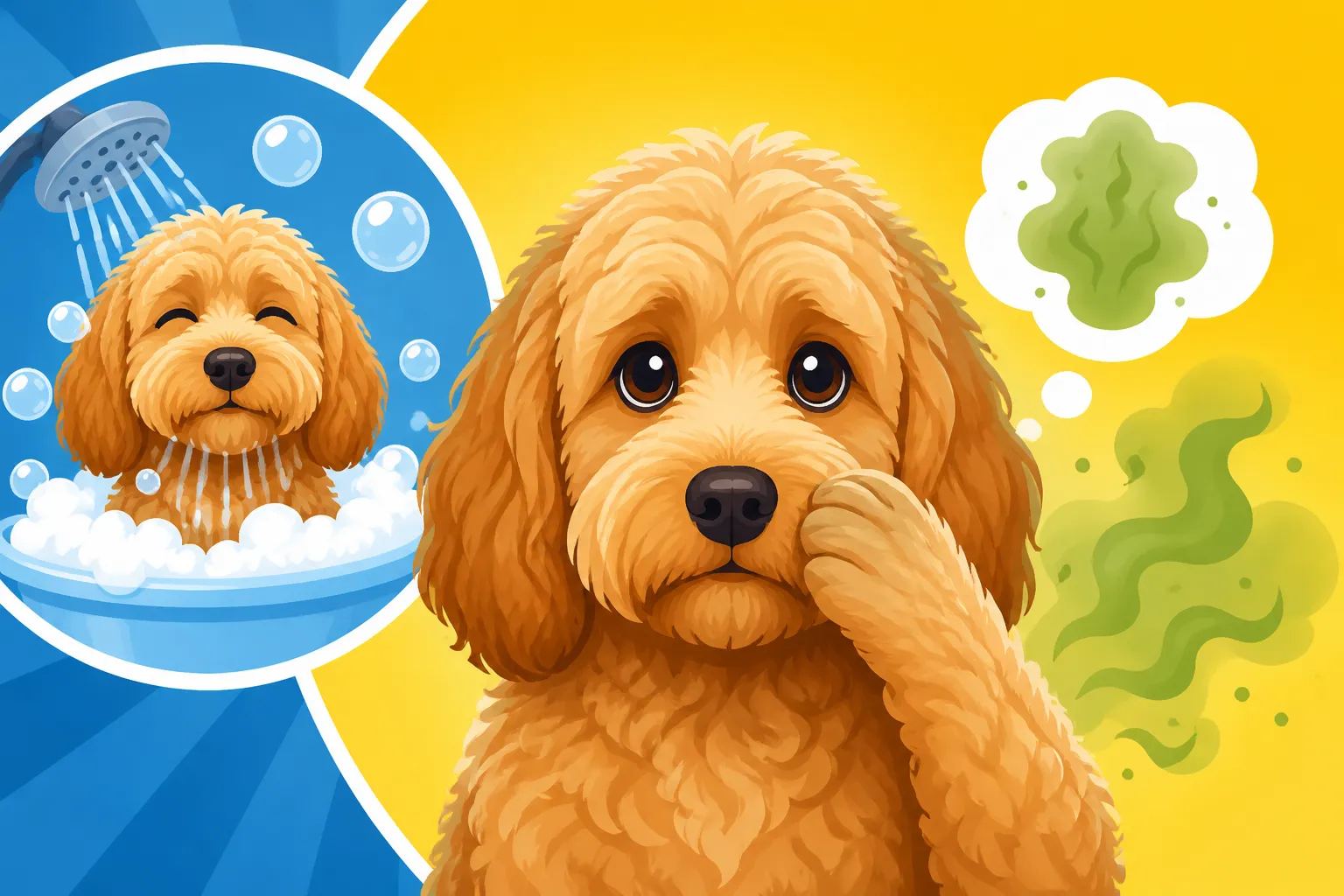
Why a Cockapoo Can Smell Days After a Bath
It’s a scenario many Cockapoo owners know all too well: you’ve just given your fluffy companion a thorough bath, they’re sparkling clean and smelling wonderful, only for that peculiar "doggy" smell to creep back, sometimes within a day or two. This isn't just frustrating; it often leaves us wondering if we did something wrong or if there's a deeper issue at play. This guide will delve into the common reasons why your Cockapoo might develop an odor so quickly after a bath and what you can do about it.
The Unique Factors That Make Cockapoos Prone to Lingering Odors
Our beloved Cockapoos are a wonderful blend of two distinct breeds: the Cocker Spaniel and the Poodle. While this mix often brings out the best in temperament and a generally appealing look, it also creates a fascinating combination of physical traits that can, unfortunately, make them more susceptible to developing odors. It’s not your fault, or theirs; it’s just how their genetics can sometimes play out.
Their Hybrid Coat: A Double-Edged Sword
Think about the Poodle's coat: dense, curly, and notoriously non-shedding. It’s fantastic for allergy sufferers, but that density and curl can be a magnet for dirt, debris, and moisture. Now, consider the Cocker Spaniel's coat: often softer, longer, and known for its luxurious feathering, which can also be quite oily. When you combine these, you get a Cockapoo with a coat that can vary wildly, from straight to wavy to tightly curled, and everything in between.
This hybrid coat, while beautiful, is a double-edged sword when it comes to cleanliness and odor. The dense, often wavy or curly texture of a Cockapoo's fur excels at trapping almost anything it encounters. Pollen, dust, mud, tiny bits of grass, even microscopic skin flakes, all find a cozy home deep within their curls. When these trapped particles get wet, whether from a bath, rain, or a playful romp in damp grass, they can become a breeding ground for bacteria and yeast as the moisture lingers. Unlike dogs with single-layer coats that dry quickly, a Cockapoo's dense fur can take a surprisingly long time to dry all the way down to the skin, even with diligent towel drying. This prolonged dampness is an invitation for microbial growth, leading to that distinct "wet dog" or musty smell that just doesn't seem to go away. Understanding The Curl Gene and Where a Cockapoo's Coat Lands can give you an idea of what kind of coat challenges you might face.
Skin and Ear Predispositions from Both Sides
Beyond the coat itself, the skin and ears of a Cockapoo can also contribute significantly to lingering odors, thanks to their parentage. Cocker Spaniels, for example, are quite prone to developing oily skin, a condition known as seborrhea. This isn't just cosmetic; it means their skin overproduces sebum, a waxy, oily substance. This excess oil can accumulate, especially in skin folds or under dense fur, becoming a prime food source for bacteria and yeast. If your Cockapoo has inherited this tendency, you might notice that their skin feels greasy even after a bath, and this greasiness can quickly lead to a rancid, unpleasant smell. It's truly disheartening when you feel like you can't get ahead of it, but knowing Whether a Cockapoo Inherits the Cocker's Oily Skin can help you prepare.
Then there are their ears. Both Cocker Spaniels and Poodles can be prone to ear issues, and a Cockapoo often inherits the floppy, pendulous ears of the Cocker, combined with the hair-growing tendencies of the Poodle. These long, floppy ears restrict airflow to the ear canal, creating a warm, dark, and often moist environment. Add in some Poodle-like hair growth inside the ear canal, and you have a perfect storm for trapped moisture, ear wax, and ultimately, ear infections. A dog with an ear infection will often emit a strong, yeasty, or even putrid smell from their ears, which can permeate their entire head and body, making it seem like their whole body smells bad even after a bath. It's a common struggle, and one that often requires vigilant attention.
Common Culprits Behind That Persistent Cockapoo Smell
When your Cockapoo still smells less than fresh days after a good scrubbing, it’s usually not because they’re inherently dirty. More often, it points to specific underlying issues that a simple bath alone can't fix. It's like trying to cover up a broken pipe with a fresh coat of paint – you need to address the source!
Yeast and Bacterial Overgrowth on the Skin
One of the most frequent offenders for that persistent, "off" smell is an overgrowth of yeast or bacteria on your Cockapoo's skin. You might recognize the smell as musty, cheesy, or even a bit sour, especially in areas where skin folds meet, like their armpits, groin, or around their muzzle. This isn't just a surface issue; it often means that microscopic organisms are having a party deeper down.
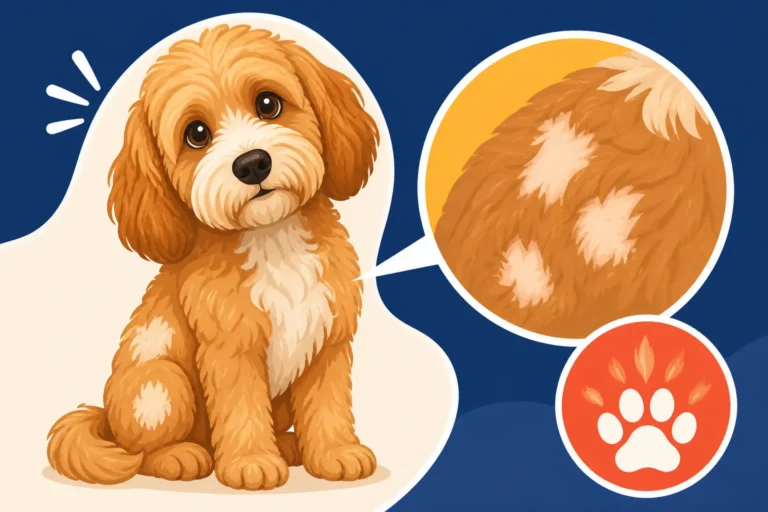
Yeast, particularly Malassezia pachydermatis, is a common culprit. It thrives in warm, moist, dark environments, making a Cockapoo's dense coat and floppy ears an ideal habitat. Dogs with allergies (environmental or food-related) are especially prone to yeast overgrowth because their skin's natural barrier is compromised, allowing opportunistic yeast to multiply rapidly. You might notice not just the smell, but also signs like redness, itching, greasy patches of skin, or a slightly thickened, leathery texture in affected areas. They might be constantly scratching or licking their paws, a common sign that Whether a Cockapoo Licks Yeast Into Its Feet might be an issue.
Bacterial overgrowth, often Staphylococcus, can also lead to a foul odor. This typically manifests as pyoderma, a skin infection characterized by pustules, redness, hair loss, and scabbing. The smell associated with bacterial infections can be quite strong and pungent. Both yeast and bacterial issues require more than just a regular shampoo; they often need medicated shampoos, topical treatments, and sometimes even oral medications prescribed by a vet to get them under control.
Ear Infections: A Hidden Stink Source
Those adorable floppy ears are a hallmark of many Cockapoos, but they also create a perfect incubator for ear infections. The ear flap hangs down, trapping moisture inside the ear canal and significantly reducing air circulation. This environment is ripe for yeast and bacteria to flourish, leading to a nasty infection.
The smell of an ear infection is incredibly distinctive and often quite strong – you might describe it as sweet, yeasty, or even downright putrid, almost sickly-sweet. If you notice your Cockapoo shaking their head, scratching at their ears, rubbing their head on the furniture, or there's a visible discharge (yellow, brown, or black) from the ear canal, an infection is highly likely. It’s astounding how quickly this localized smell can spread, making their entire head and even their body seem to reek. Regular cleaning and attention are crucial, as highlighted in topics like Whether a Cockapoo's Ears Are Better Than a Cocker's.
Dental Disease: More Than Just Bad Breath
While bad breath usually signals dental disease, severe plaque and tartar buildup can contribute to a general "doggy" odor that seems to emanate from their whole being, not just their mouth. When bacteria accumulate in your dog's mouth, they release volatile sulfur compounds that create that unpleasant smell. Over time, this bacterial load can become so significant that the odor is constant.
Beyond just bad breath, dental disease can lead to painful gingivitis, periodontal disease, and even abscesses, which are highly odorous. Small Cockapoos, in particular, are prone to dental crowding, which exacerbates plaque buildup. You might notice brown or yellow crusts on their teeth, red or bleeding gums, difficulty eating, or a reluctance to chew toys. Addressing these issues with regular brushing and professional dental cleanings is vital, especially since dental crowding in a small Cockapoo's mouth is a common problem.
Anal Gland Issues
This one is often the most unpleasant surprise for pet owners. Dogs have two small glands, called anal glands, located on either side of their anus. These glands contain a strong-smelling, fishy liquid that is typically expressed naturally when they defecate. However, these glands can sometimes become impacted, infected, or even rupture, leading to an intensely foul, fishy odor.
If your Cockapoo is scooting their bottom across the floor, excessively licking their rear end, or struggling to defecate, it could be a sign of anal gland issues. The smell associated with impacted or infected anal glands is unmistakable and incredibly potent, clinging to their fur and making them smell awful even after a fresh bath. This isn't something to ignore; it can be very uncomfortable for your dog and often requires a vet or groomer to express the glands manually.
Environmental and Lifestyle Factors
Sometimes, the lingering smell isn't entirely due to internal health issues, but rather what your Cockapoo gets up to in their daily life. Our furry friends have an uncanny ability to find the most interesting (to them, at least!) and often disgusting things to roll in or sniff out.
The Great Outdoors: Scavenging and Rolling
Let's face it, Cockapoos, with their Spaniel heritage, have a keen sense of smell and a natural curiosity for the world around them. This often translates into a love for exploring every nook and cranny of your yard or local park. And sometimes, "exploring" means rolling in something truly foul. Think about it: fox poop, goose droppings, rotting leaves, or even just particularly rich mud can cling to that dense Cockapoo coat like superglue.
No matter how diligent you are with baths, if your Cockapoo is consistently finding and rolling in smelly organic matter, that odor will quickly return. The oils and debris from whatever they've encountered become embedded in their fur, and a simple rinse might not be enough to truly neutralize the stench. If you suspect your Cockapoo is a notorious roller, you might want to consider keeping them on a leash in particularly "scent-rich" areas, or at least being extra vigilant after outdoor adventures. It's a common complaint, and knowing Whether a Cockapoo Rolls in Things is simply part of their natural behavior can help you understand why.
Beyond deliberate rolling, simply getting wet outdoors can contribute to odor. If your Cockapoo loves to swim, or if they get caught in the rain, and their thick coat isn't thoroughly dried afterward, the dampness can quickly turn musty, especially if they already have some natural oils or residual debris in their fur. This is particularly true for those with dense, curly coats that can take hours to air dry completely.
Diet and Internal Health Concerns
While less common than skin or ear issues, a dog's diet and overall internal health can sometimes play a role in their body odor. Just like humans, what goes into a dog's body can affect what comes out, including their scent.
Certain diets, especially those high in poor-quality ingredients or common allergens, can sometimes lead to skin issues, which, as we've discussed, can then lead to secondary yeast or bacterial infections and their associated smells. If your Cockapoo is reacting to something in their food, you might notice not just an unusual smell, but also itching, redness, or a greasy coat. Switching to a high-quality, balanced diet, possibly one designed for sensitive skin or allergies, could make a difference. It's worth paying attention to What a Cockapoo's Skin Smell Means as it can be a subtle indicator.
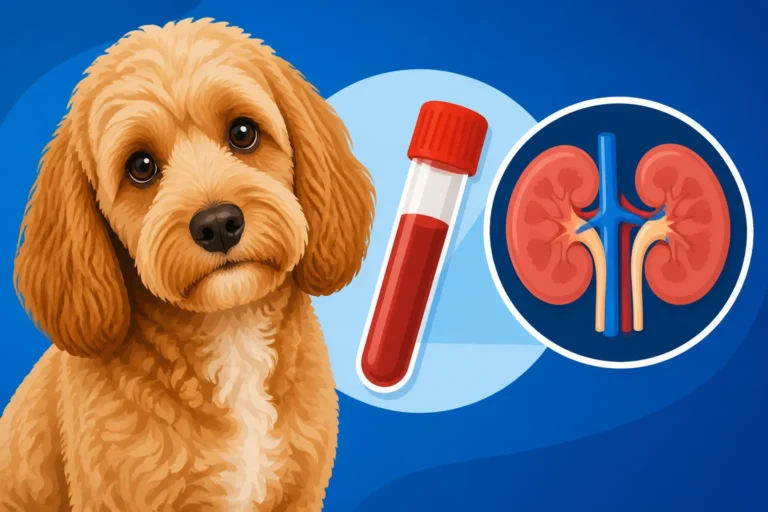
More seriously, underlying medical conditions can also cause changes in body odor. For instance, dogs with kidney disease might develop a metallic or ammonia-like smell as toxins build up in their system. Liver disease can sometimes lead to a musty or sweet odor. Diabetes, though less common to cause a general body odor, can sometimes be associated with a fruity smell on their breath. If your Cockapoo's odor is unusual, persistent, and accompanied by other symptoms like lethargy, changes in appetite or thirst, or behavioral shifts, it's always wise to consult your veterinarian to rule out serious health problems. These are rare cases, but important to keep in mind if you've exhausted all other avenues.
Practical Steps to Combat Lingering Odor
Finding that lingering smell on your Cockapoo can be disheartening, but thankfully, there are many practical steps you can take to tackle the issue head-on. It often involves a combination of good hygiene, consistent grooming, and sometimes, a little help from your vet.
The Right Bathing Routine
First things first: baths. While a bath might seem like the obvious solution, how you bathe your Cockapoo and what products you use are crucial. Don't just grab any shampoo; look for products specifically formulated for dogs. If you suspect yeast or bacterial issues, your vet might recommend a medicated shampoo with ingredients like chlorhexidine or miconazole. For greasy skin, a degreasing shampoo can be incredibly helpful in removing excess oils that trap odor. Remember, a bath isn't just about sudsing up; it's about getting down to the skin.
- Shampoo Application: Work the shampoo deep into their coat, ensuring it reaches the skin, especially in common problem areas like the armpits, groin, and under their ears. Let medicated shampoos sit for the recommended contact time (usually 5-10 minutes) before rinsing. This allows the active ingredients to do their job.
- Thorough Rinsing: This is arguably the most critical step. Any shampoo residue left behind can irritate the skin, lead to dryness, and actually attract more dirt and oil, exacerbating the problem. Rinse, rinse, and rinse again until the water runs completely clear and you can't feel any slipperiness on their fur.
- Complete Drying: Equally important is drying. A damp Cockapoo coat is an odor factory. Use super-absorbent towels, and if your dog tolerates it, a pet-specific force dryer (much gentler than human hair dryers) can work wonders to dry them completely, right down to the skin. Make sure to separate the curls and get air flowing through every layer. If your Cockapoo has greasy skin, learning Bathing a Cockapoo Whose Skin Is Greasy properly can make a big difference.
The frequency of bathing depends on your Cockapoo's coat type, activity level, and any specific skin conditions. Some Cockapoos might need a bath every 2-3 weeks, while others can go longer.
Consistent Grooming and Coat Care
Beyond baths, consistent daily and weekly grooming is paramount for a Cockapoo. Their unique coat demands it!
- Daily Brushing: Daily brushing, or at least every other day, is non-negotiable for most Cockapoos. Use a slicker brush to get through the coat, followed by a metal comb to check for mats, especially behind the ears, in the armpits, and on their legs. Brushing helps remove loose hair, dirt, and debris, and it distributes natural skin oils evenly, which can help reduce odor buildup. It's also crucial for preventing painful mats that can trap moisture and bacteria.
- Professional Grooming: Regular trips to a professional groomer are essential. They can provide a thorough bath, blow-dry, and clip, keeping your Cockapoo's coat at a manageable length. A shorter clip can significantly reduce the amount of trapped moisture and debris, making it easier for you to keep them clean between visits. Discuss your Cockapoo's specific coat type with your groomer; a tightly curled coat, for instance, will require more frequent and detailed attention, as shown in How Many Minutes a Curly Cockapoo Takes.
- Hair Management: Pay attention to hair growth in specific areas. Trimming hair around their sanitary areas can prevent fecal matter from clinging, and keeping the hair around their eyes and mouth neat can prevent food debris or tear stains from becoming an odor source.
Ear and Dental Hygiene
These often-overlooked areas are major contributors to lingering odors.
- Ear Cleaning: Clean your Cockapoo's ears weekly, or as often as your vet recommends, using a vet-approved ear cleaning solution. Gently wipe the visible part of the ear canal with a cotton ball or soft cloth. Never use cotton swabs deep inside the ear, as this can push debris further in and damage the eardrum. If your Cockapoo has a lot of hair growing inside their ear canal, your groomer or vet can pluck it, which helps improve airflow.
- Dental Care: Implement a daily dental hygiene routine. Brushing your dog's teeth with dog-specific toothpaste is the gold standard. If daily brushing isn't feasible, dental chews, water additives, and regular professional dental cleanings (under anesthesia, as recommended by your vet) are crucial. Good oral hygiene not only prevents bad breath but also contributes to overall health.
When to Seek Veterinary Help
If you've tried everything and that persistent smell just won't go away, or if it's accompanied by other worrying symptoms, it's definitely time for a visit to the veterinarian. Don't feel like you've failed; often, there's an underlying medical condition that needs professional diagnosis and treatment.
Warning signs that warrant a vet visit include:
- Excessive itching, licking, or chewing: These behaviors often point to allergies or skin infections.
- Redness, rash, or scabbing on the skin: Clear signs of irritation or infection.
- Discharge from ears or eyes: Almost always indicates an infection or irritation.
- Head shaking or pawing at ears: Classic signs of ear pain or infection.
- Scooting, licking their rear end, or difficulty defecating: Strong indicators of anal gland issues.
- Sudden, strong, or unusual odor: Especially if it's metallic, sweet, or overly pungent, it could signal an internal health problem.
- Lethargy, changes in appetite or thirst, or behavioral shifts: Always reasons to consult a vet.
Your vet can perform a thorough examination, including skin scrapes, ear swabs, blood tests, or dental evaluations, to pinpoint the exact cause of the odor. They can then prescribe appropriate medicated shampoos, antibiotics, antifungals, allergy medications, or recommend dental procedures. Pet insurance, like that offered by Healthy Paws, can be incredibly helpful in covering unexpected vet costs associated with diagnosing and treating these kinds of chronic or emergent health issues. Investing in a good policy from providers like Healthy Paws can give you peace of mind that you'll be able to afford the best care for your furry friend when they need it most.
Common Odor Sources and Solutions for Your Cockapoo
Here’s a quick overview of common odor sources and what you can do to tackle them:
| Odor Source | Common Smell | Accompanying Signs | Recommended Action | When to See a Vet |
|---|---|---|---|---|
| Coat/Skin | Musty, sour, "wet dog" | Greasy fur, itching, redness, flaky skin, licking | Thorough bathing with dog-specific shampoo, complete drying, daily brushing, professional grooming. | If odor persists with skin irritation, lesions, or excessive itching; suspicion of allergies or skin infection. |
| Ears | Yeasty, sweet, putrid | Head shaking, scratching, discharge, redness | Weekly ear cleaning with vet-approved solution, keeping ears dry, professional grooming to remove ear hair. | Immediately if signs of infection are present (smell, discharge, pain); recurring infections. |
| Mouth/Dental | Pungent, foul breath | Visible tartar, red gums, difficulty eating | Daily tooth brushing, dental chews, regular professional dental cleanings. | If breath is severely foul, pain, loose teeth, or significant tartar buildup. |
| Anal Glands | Fishy, strong | Scooting, licking rear, difficulty defecating | Manual expression by vet/groomer. | Immediately if scooting, licking, or strong fishy odor is present; if glands become impacted or infected. |
| Environmental | Whatever they rolled in! | Visible debris in coat, recent outdoor activity | Spot cleaning, thorough bath (especially affected area), vigilant supervision outdoors. | If skin irritation develops after contact with environmental irritants. |
| Underlying Health | Metallic, sweet, musty | Lethargy, changes in appetite/thirst, weight loss | Consult veterinarian for diagnosis and treatment. | Always, if you suspect an internal health issue. |
Disclaimer
The information provided in this article is intended for general knowledge and informational purposes only, and does not constitute veterinary advice. Always consult with a qualified veterinarian for any health concerns or before making any decisions related to your pet's health and treatment.