The Test That Confirms Addison’s in a Cockapoo
It’s truly disheartening when your beloved Cockapoo isn't feeling quite right, but the symptoms are so vague and inconsistent that you just can't put your finger on what's wrong. You might be watching them have good days and bad days, making it incredibly hard to explain to a vet. This guide is here to walk you through understanding Addison's disease, a tricky condition in Cockapoos, and, crucially, how veterinarians definitively diagnose it so you can get your furry friend the right help.
Understanding Addison's Disease in Cockapoos
Addison's disease, formally known as hypoadrenocorticism, is a condition where your dog's adrenal glands don't produce enough crucial hormones, primarily cortisol and aldosterone. It's often called the "great imitator" because its symptoms can mimic so many other common ailments, making it a real challenge for even the most experienced pet owners and vets to pinpoint without specific testing. For Cockapoo owners, it's particularly important to be aware of this, especially since some lines of Poodles, one of the parent breeds, have a higher predisposition to certain autoimmune conditions, including Addison's. Learning about A Cockapoo's Addison's and the Poodle Line can offer more insights into this genetic link.
The Elusive Symptoms of Addison's
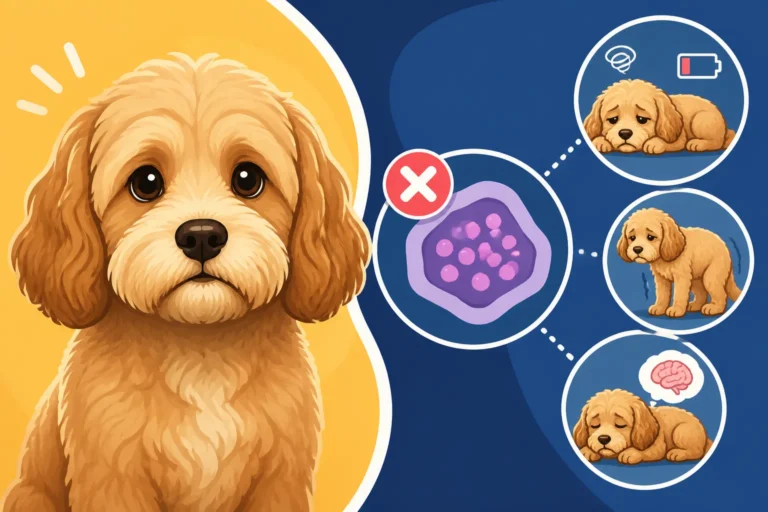
One of the most frustrating aspects of Addison's disease is how non-specific and fluctuating its symptoms can be. Your Cockapoo might seem a bit "off" one day, then perfectly fine the next, only to relapse again. This waxing and waning nature often leads owners to believe their dog is just having an upset stomach or is feeling a bit under the weather, delaying a more serious diagnosis.
Common signs you might observe include lethargy and weakness, where your normally energetic Cockapoo seems unusually tired or reluctant to play. They might experience intermittent vomiting and diarrhea, which can easily be mistaken for dietary indiscretion or a common gastrointestinal bug. A noticeable decrease in appetite, or even complete anorexia, is also a red flag. Sometimes, you might notice your dog shaking or shivering, especially when stressed, or experiencing increased thirst and urination. Weight loss can also occur over time, often subtly. In severe cases, dogs can go into an "Addisonian crisis," which is a life-threatening emergency characterized by sudden, profound weakness, collapse, severe vomiting, diarrhea, and shock. This sudden and dramatic presentation can often be mistaken for other acute issues, similar to The Sudden Collapse That Means a Cockapoo Is Anemic. If you ever see your Cockapoo collapse, it’s a situation where the answer to whether a Cockapoo needs a vet tonight is an absolute yes.
Why Cockapoos Are at Risk and What Triggers It
While Addison's disease can affect any dog breed, certain breeds, including Standard Poodles and some Cocker Spaniels, have a higher prevalence, which means your Cockapoo could inherit this predisposition. It's largely believed to be an autoimmune disease, where the body's immune system mistakenly attacks and destroys the adrenal glands. This genetic component underscores the importance of choosing a reputable breeder who screens their breeding stock for health issues known to affect the parent breeds.
Beyond genetics, stress can sometimes trigger or worsen an Addisonian crisis in an already predisposed dog. This doesn't mean stress causes Addison's, but it can push a dog with already compromised adrenal function over the edge. Things like a move, a new pet, boarding, or even an illness that puts extra strain on the body can lead to a crisis. This is why if your Cockapoo shows any of the vague symptoms, especially if they are recurrent or worsen during stressful periods, it's vital to discuss Addison's with your veterinarian. Being aware of The Autoimmune Diseases a Cockapoo Can Inherit can help you understand the broader landscape of inherited immune-mediated conditions.
The Definitive Diagnostic Test: ACTH Stimulation Test
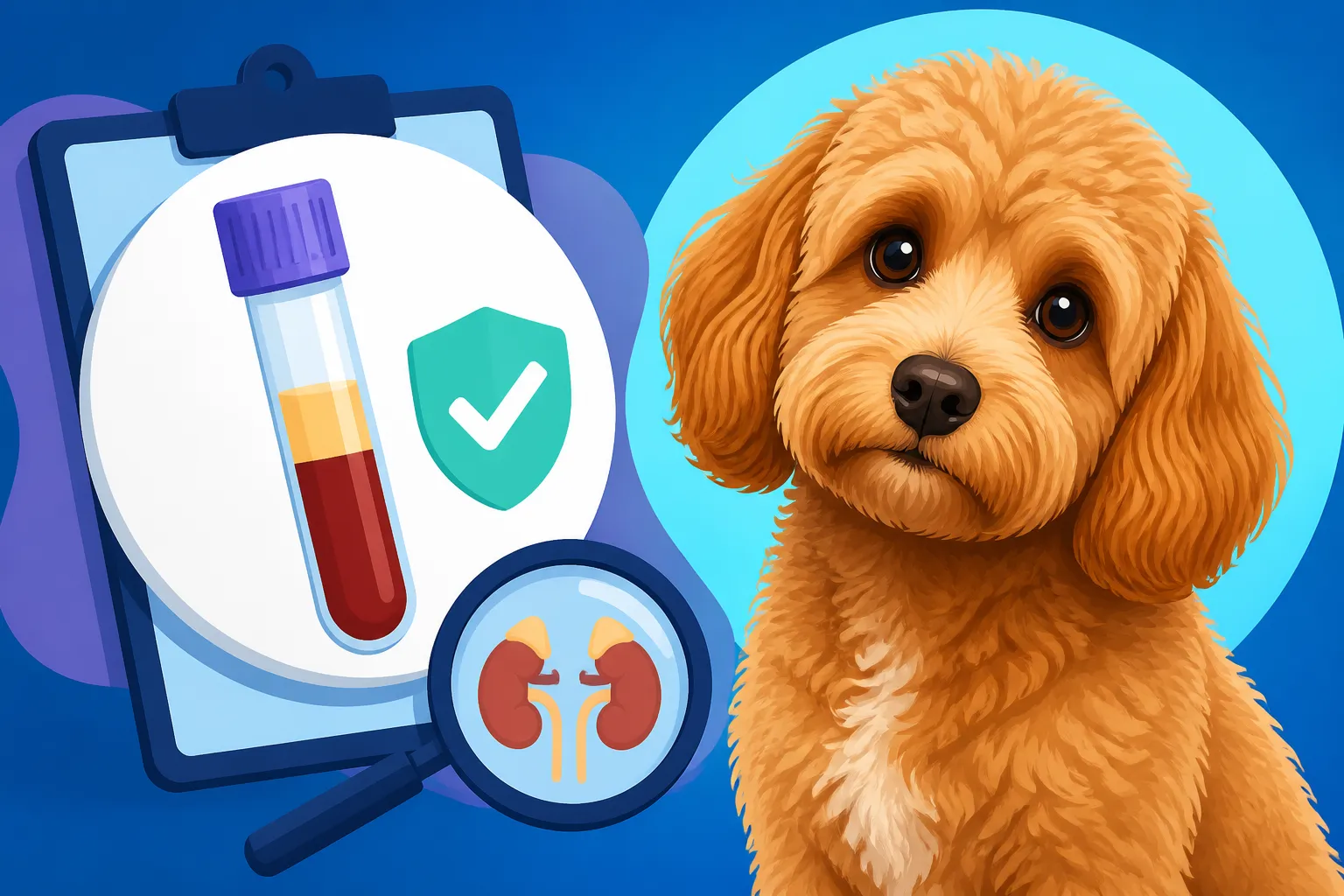
When your veterinarian suspects Addison's disease, they'll often start with general blood work. However, the definitive test for diagnosing hypoadrenocorticism is the ACTH (Adrenocorticotropic Hormone) stimulation test. This test specifically evaluates the adrenal glands' ability to produce cortisol, providing a clear picture of their function. It's the gold standard because it directly assesses the adrenal reserve and response, which basic blood tests cannot do on their own.
How the ACTH Stimulation Test Works
The ACTH stimulation test is a straightforward procedure that involves two blood samples. First, your veterinarian will draw an initial blood sample from your Cockapoo. This sample provides a baseline cortisol level, showing how much cortisol their adrenal glands are producing naturally at that moment. This baseline is important, but it alone isn't enough for a diagnosis because cortisol levels can fluctuate throughout the day, and a low baseline could also be due to other factors, like stress or certain medications.
After collecting the baseline sample, your vet will administer a synthetic form of ACTH, often Cosyntropin, either by injection (intramuscular or intravenous). ACTH is a hormone naturally produced by the pituitary gland that stimulates the adrenal glands to produce cortisol. The synthetic version essentially "challenges" the adrenal glands to see if they can ramp up their cortisol production. About an hour (or sometimes two, depending on the specific protocol) after the injection, a second blood sample is drawn. This second sample measures the post-stimulation cortisol level, showing how well the adrenal glands responded to the ACTH challenge. If the adrenal glands are healthy, they should produce a significant amount of cortisol in response to the ACTH. If they are failing, as in Addison's disease, the post-stimulation cortisol level will remain low.
Preparing Your Cockapoo for the Test
Preparation for an ACTH stimulation test is usually quite minimal, but there are a few important considerations. Your veterinarian will typically advise you to withhold food from your Cockapoo for about 8 to 12 hours before the test. This fasting helps ensure that any food-related factors don't interfere with the blood test results, particularly if other blood parameters are also being checked alongside cortisol. Water is usually allowed right up until the test.
It's also crucial to inform your vet about any medications your Cockapoo is currently taking, as some drugs can interfere with cortisol measurements or the adrenal gland's response. For instance, corticosteroids, even topical ones or those in eye drops, can significantly impact the results. Your vet might advise discontinuing certain medications for a period before the test, but never stop medication without explicit veterinary guidance. The day of the test, try to keep your Cockapoo as calm and stress-free as possible. While stress usually increases cortisol, a truly Addisonian dog won't show that increase, so a calm state helps ensure accurate baseline readings. Ensuring your Cockapoo is comfortable during the visit is key to getting reliable data.
Interpreting the ACTH Test Results
The real magic of the ACTH stimulation test lies in interpreting the two cortisol measurements: the baseline and the post-stimulation levels. For a dog without Addison's disease, both the baseline and, crucially, the post-stimulation cortisol levels will be within the normal reference range, or even elevated in response to the synthetic ACTH. The post-stimulation level should show a clear, robust increase from the baseline, indicating that the adrenal glands are fully capable of producing cortisol when stimulated.
In a Cockapoo with Addison's disease, the results will look very different. Both the baseline and the post-stimulation cortisol levels will be markedly low, and there will be little to no increase in cortisol after the ACTH injection. This flatline response confirms that the adrenal glands are simply unable to produce adequate cortisol, even when strongly stimulated. It effectively demonstrates that the glands are failing. Your vet will compare these values to specific laboratory reference ranges to make a definitive diagnosis. It's a clear-cut answer that removes the guesswork from those vague, fluctuating symptoms you've been observing.
Complementary Diagnostic Tools
While the ACTH stimulation test is the definitive confirmation, your vet won't typically jump straight to it. They'll use a combination of initial bloodwork, electrolyte panels, and sometimes even imaging to build a strong case for suspicion before ordering the more specialized ACTH test. These initial tests help rule out other conditions and provide supporting evidence.
Initial Bloodwork and Electrolyte Imbalances
When a Cockapoo is presenting with vague symptoms like lethargy, vomiting, and loss of appetite, a standard complete blood count (CBC) and biochemistry panel are usually among the first diagnostic tests performed. These tests can reveal several clues that point towards Addison's disease. On a CBC, you might see an absence of a "stress leukogram," which is a typical pattern of white blood cell counts seen in stressed animals with normally functioning adrenal glands. This absence can be a subtle indicator that cortisol levels are low.
More significantly, the biochemistry panel often reveals characteristic electrolyte abnormalities. One of the hallmark signs of Addison's disease is an imbalance in potassium and sodium levels, specifically high potassium (hyperkalemia) and low sodium (hyponatremia). This occurs because aldosterone, another hormone produced by the adrenal glands, plays a critical role in regulating these electrolytes. When aldosterone production is insufficient, the body struggles to maintain the correct balance. Additionally, you might see elevated kidney values (BUN and creatinine), even if the kidneys themselves are healthy, which is often due to dehydration secondary to Addison's. These electrolyte changes, especially a high potassium to sodium ratio, are strong indicators that your vet will be looking for and can be key to differentiating Addison's from other conditions. The table below summarizes some typical findings.
| Parameter | Normal Dog Range | Cockapoo with Addison's (Typical) | Significance |
|---|---|---|---|
| Sodium (Na+) | 141-152 mmol/L | Low (<140 mmol/L) | Aldosterone deficiency, impaired kidney function |
| Potassium (K+) | 3.9-5.3 mmol/L | High (>5.5 mmol/L) | Aldosterone deficiency, impaired kidney function |
| Na:K Ratio | >27:1 (e.g., 30:1, 32:1) | <27:1 (e.g., 20:1, 25:1) | Classic indicator of Addison's |
| Glucose | 70-120 mg/dL | Low (hypoglycemia) | Cortisol deficiency affects blood sugar |
| BUN/Creatinine | Within normal limits | Elevated | Often due to dehydration, not kidney failure |
| Cortisol | Baseline 1-5 ug/dL; Post-ACTH >15 ug/dL | Baseline low; Post-ACTH very low (<2 ug/dL) | Definitive confirmation of adrenal insufficiency |
Imaging and Other Supportive Tests
While imaging isn't typically used to diagnose Addison's disease directly, it can be a supportive tool, particularly in ruling out other conditions or looking for secondary issues. For example, if your Cockapoo is experiencing severe vomiting or abdominal pain, your vet might recommend X-rays or an ultrasound of the abdomen. These imaging studies can help check for foreign bodies, pancreatitis, or other gastrointestinal diseases that could be causing similar symptoms.
In some cases, chronic Addison's disease can lead to subtle changes in the adrenal glands themselves, which might be visible on an abdominal ultrasound. However, these changes aren't always present or definitive. The primary goal of imaging in a suspected Addisonian dog is often to rule out other potential causes for the clinical signs, allowing the vet to confidently focus on endocrine disorders. Ultimately, while initial bloodwork and electrolytes raise strong suspicions, it's the ACTH stimulation test that provides the unequivocal diagnosis. Once diagnosed, understanding What Daily Life Looks Like for an Addisonian Cockapoo becomes the next crucial step.
The cost associated with these diagnostic tests and subsequent treatment can be a concern for many pet parents. This is where pet insurance can be a real lifesaver. Companies like Healthy Paws often cover eligible conditions, including chronic illnesses like Addison's, provided it's not a pre-existing condition. It's always a good idea to research What a Cockapoo Policy Costs in Its First Year and Whether a Lifetime Policy Suits a Cockapoo to ensure you're prepared for unexpected health challenges. Regular veterinary check-ups, which might include What a Cockapoo's Yearly Shots and Exam Cost, are also crucial for early detection of any health issues, allowing for prompt diagnosis and intervention, potentially adding years to The Fourteen to Eighteen Years a Cockapoo Lives with you. Being proactive about your Cockapoo's health, even as they approach What Changes in a Cockapoo After Ten, is the best way to ensure they live a long, happy life.
Disclaimer
The information provided in this article is for educational purposes only and should not be considered a substitute for professional veterinary advice. Always consult with a qualified veterinarian for any health concerns or before making any decisions about your pet's medical care.