The Age a Cockapoo Can Be Hip Scored
It’s a heart-sinking moment for any Cockapoo owner when you notice your beloved companion struggling to get up, hesitating before jumping, or just generally moving a little stiffly. The worry about their joints is real, especially with all the talk about breed predispositions to conditions like hip dysplasia. This comprehensive guide will walk you through everything you need to know about hip scoring your Cockapoo, including the ideal age for testing, what the process entails, and how to best support their joint health throughout their lives.
Understanding Canine Hip Dysplasia in Cockapoos
Hip dysplasia is one of those scary terms that no dog owner ever wants to hear. It's a developmental condition, meaning it often starts while a dog is still growing, where the hip joint doesn't form correctly. This isn't just a minor inconvenience; it can lead to pain, lameness, and debilitating arthritis, significantly impacting your Cockapoo's quality of life. Understanding what it is and why it affects certain breeds is the first step in being a proactive and informed owner.
What is Hip Dysplasia?
Imagine a ball-and-socket joint – that's essentially what your dog's hip is. The 'ball' is the head of the femur (thigh bone), and the 'socket' is the acetabulum, a part of the pelvis. In a healthy hip, this ball fits snugly and moves smoothly within the socket. With hip dysplasia, this fit is compromised. The socket might be too shallow, or the head of the femur might be flattened or misshapen.
Over time, this poor fit leads to laxity, meaning the joint is loose. This constant instability causes the bones to rub and grind, rather than glide smoothly. The body tries to compensate by building up bone spurs and scar tissue, which ultimately leads to degenerative joint disease, or osteoarthritis. This is where the real pain and stiffness come in, often seen as a decreased range of motion, reluctance to exercise, or a noticeable limp. It's a progressive condition, meaning it tends to get worse over time if not managed. While genetics play a huge role, environmental factors like rapid growth, excessive exercise as a puppy, and obesity can exacerbate the condition.
Why are Cockapoos Prone to Hip Issues?
It’s easy to think that mixed breeds like Cockapoos magically escape the health problems of their purebred parents, but unfortunately, that’s not always the case. Cockapoos inherit traits from both the Cocker Spaniel and the Poodle, and both of these breeds have a known predisposition to hip dysplasia.
- Cocker Spaniel Influence: American and English Cocker Spaniels, especially the larger lines, can carry genes for hip dysplasia. While they might not be as notorious for it as some larger breeds, it's still a concern that responsible breeders screen for. The typical Cocker Spaniel gait, with its merry tail wag, can sometimes mask early signs of discomfort, making diligent observation even more important for a Cockapoo owner.
- Poodle Influence: Poodles, particularly Miniature and Standard Poodles (which are often used in larger Cockapoo crosses), are also known to have incidences of hip dysplasia. The genetics for joint issues can be complex, and even though Poodles are generally considered healthier than some larger breeds, they are not immune.
When you combine these two genetic backgrounds, the potential for a Cockapoo to inherit a predisposition to hip dysplasia is certainly present. Furthermore, the varying sizes of Cockapoos – from Teacup and Toy to Miniature and Maxi – mean that the mechanics of their joints can differ significantly. A larger Maxi Cockapoo, for example, might put more stress on its developing joints than a tiny Teacup, even if both carry the genetic blueprint for hip dysplasia. This is why understanding Whether a Maxi Cockapoo Grows Into Bad Hips is crucial, as is considering Whether a Small Cockapoo Still Gets Hip Dysplasia. Good breeders will always perform health screenings on their breeding dogs to minimize the risk, but it's a condition all Cockapoo owners should be aware of.
The Ideal Age for Hip Scoring Your Cockapoo
One of the most common questions I get from worried Cockapoo owners and prospective puppy buyers is, "When exactly can we check their hips?" It’s a totally valid question, because knowing the right timing for hip scoring is key to getting accurate results and making informed decisions about your dog's health or breeding future.
Official Guidelines and Recommendations
When it comes to official hip scoring, there are generally two widely recognized methods in North America: the Orthopedic Foundation for Animals (OFA) and the PennHIP evaluation. Both have specific age requirements because they rely on assessing the dog's fully developed skeletal structure.
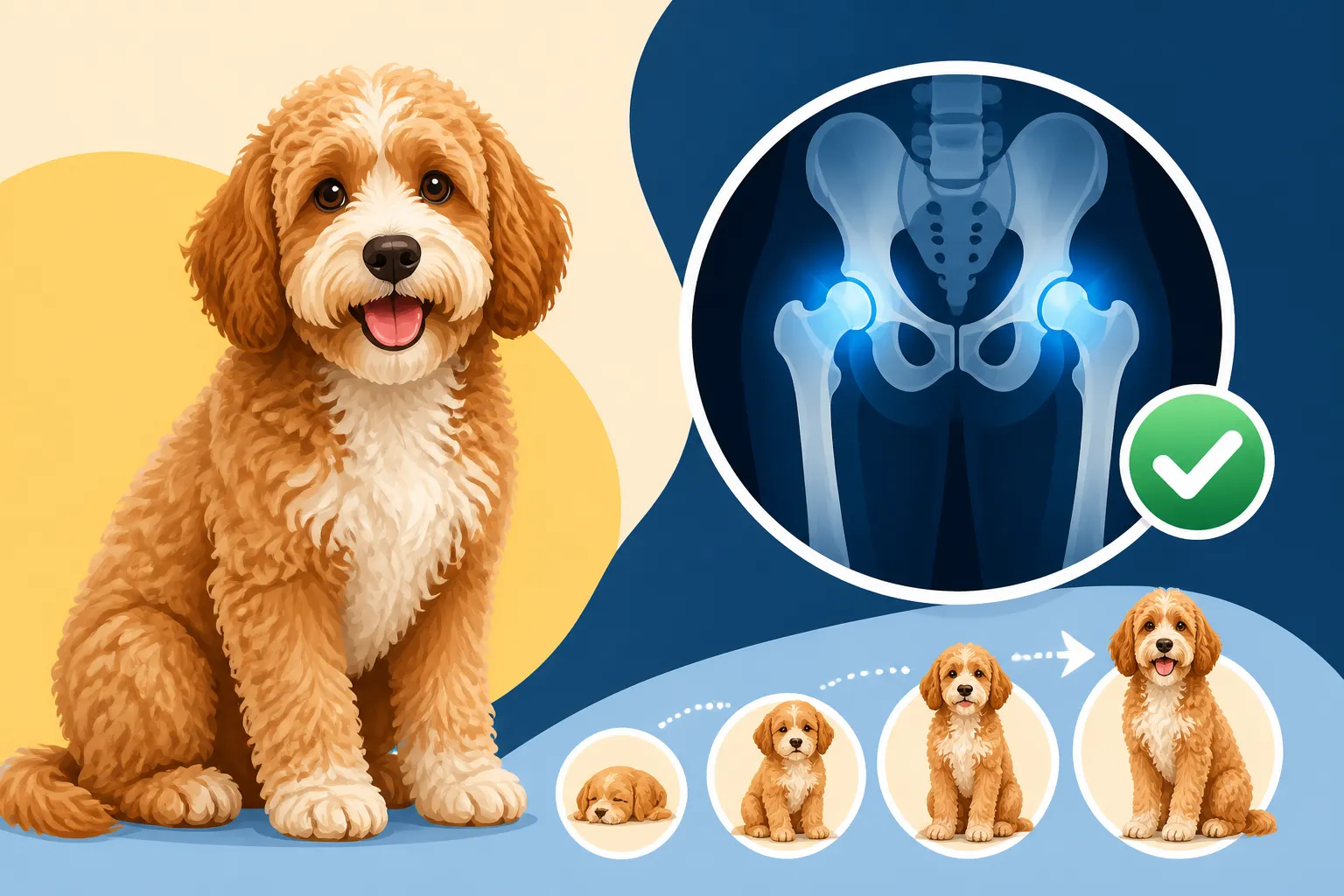
- Orthopedic Foundation for Animals (OFA): For OFA certification, your Cockapoo must be at least 24 months (2 years) of age. The rationale behind this age is that by two years old, a dog's growth plates have typically closed, and their skeletal system has reached maturity. This allows for a more stable and accurate assessment of hip conformation. X-rays are taken and sent to a panel of veterinary radiologists who evaluate them against a set of criteria, grading the hips as excellent, good, fair, borderline, mild, moderate, or severe dysplasia. While you can take preliminary OFA X-rays earlier (often around 12-18 months), these are just preliminary readings and won't count as official certification. A breeder should always provide you with a copy of the official OFA certificate for both parents, demonstrating their commitment to healthy lines.
- PennHIP: The PennHIP method offers an earlier assessment window. Dogs can be evaluated as early as 16 weeks (4 months) of age. PennHIP uses three specific X-ray views to measure hip laxity – how loose the joint is – which is a primary indicator of hip dysplasia. The results provide a Distraction Index (DI) score, which is a numerical value that estimates the susceptibility for developing hip dysplasia. A lower DI indicates tighter hips and a lower risk. While early screening is a huge advantage, if a breeder says their Cockapoo was PennHIP screened at 4 months for breeding purposes, it's important to understand that while a DI score is valuable, some breeders might still opt for a follow-up assessment or OFA certification at 2 years for a more comprehensive picture.
The important takeaway here is that official, certifiable hip scoring for breeding purposes almost always requires your dog to be fully grown to give the most reliable assessment of their adult joint structure.
| Scoring Method | Minimum Age for Official Certification | What It Assesses Primarily | Grading System |
|---|---|---|---|
| OFA | 24 months (2 years) | Hip conformation, laxity | Excellent, Good, Fair, Borderline, Mild, Moderate, Severe |
| PennHIP | 16 weeks (4 months) | Hip laxity (Distraction Index) | Numerical DI (0.0 to 1.0), with lower numbers indicating tighter hips and less risk of dysplasia |
Factors Influencing Timing
Beyond the official minimum ages, several other factors can influence when you might decide to get your Cockapoo's hips scored.
- Breeding vs. Pet Ownership: If you’ve purchased your Cockapoo as a pet, and you have no intention of breeding, the urgency for official hip scoring at 24 months might not be the same as for a breeder. However, knowing your dog’s genetic predisposition can still be incredibly valuable for guiding preventative care and long-term health planning. Many pet owners might opt for X-rays if their dog shows symptoms, rather than for official certification. Responsible breeders, on the other hand, absolutely must adhere to these age guidelines for their breeding stock to ensure they are not passing on known genetic conditions. If you're looking for a puppy, make sure to ask The Five Certificates a Cockapoo Breeder Should Show including hip scores of the parent dogs.
- Individual Variation and Growth Plate Closure: While 24 months is the general guideline for OFA, some larger individual dogs might have growth plates that close a little later. Your veterinarian can assess your dog's growth and maturity. The key is to get an assessment once the bones are fully developed and stable, otherwise, the results can be misleading.
- Early Signs of Trouble: Sometimes, a Cockapoo might start exhibiting signs of discomfort much earlier than two years old. This could include a reluctance to jump, a bunny hop gait, or even a subtle lameness after exercise. If you notice The Gait That Gives Away a Cockapoo's Bad Hips, or any other worrying signs, don't wait until the official scoring age. Consult your vet immediately. They might recommend diagnostic X-rays at a younger age to get a preliminary look at the joint health, even if it's not for official certification. Early intervention can sometimes make a significant difference in managing discomfort and slowing the progression of arthritis.
The Hip Scoring Process Explained
So, you've decided it's time to get your Cockapoo's hips scored, or perhaps your vet has recommended it due to some concerns. It's perfectly natural to feel a bit nervous about any procedure involving your dog, especially one that might require anesthesia. Knowing what to expect every step of the way can help ease those worries and prepare you for the day.
What to Expect at the Vet
The hip scoring process itself is quite straightforward from a procedural standpoint, but it does involve a few key steps to ensure accurate and high-quality radiographs (X-rays).
- Consultation and Pre-Anesthetic Workup: First, you'll have a consultation with your veterinarian. They'll review your Cockapoo's medical history, discuss any observed symptoms, and conduct a physical exam. Since X-rays for hip scoring, especially OFA and PennHIP, require specific positioning that your dog won't tolerate while awake, sedation or general anesthesia is necessary. To ensure your Cockapoo is healthy enough for anesthesia, your vet will likely recommend pre-anesthetic bloodwork. This typically checks organ function and red blood cell count to identify any underlying issues that could complicate anesthesia. This is a crucial step for their safety.
- Anesthesia and Positioning: On the day of the procedure, your Cockapoo will be given a sedative or anesthetic. Once they are relaxed or fully asleep, the veterinary technician and vet will carefully position them for the X-rays. This positioning is very precise and is crucial for getting clear, diagnostic images. For OFA, your dog is typically laid on their back with their hind legs extended straight back and parallel, with knees rotated inward. For PennHIP, three different views are taken: a standard extended view, a compression view, and a distraction view. The distraction view uses a specialized device to gently push the femoral heads out of the hip sockets, measuring laxity.
- Taking the X-rays: Once correctly positioned, the X-rays are taken. Most clinics use digital radiography, allowing for immediate review of the images. The vet will ensure the images are of high quality and meet the specific submission requirements for OFA or PennHIP.
- Submission to Registries: After the X-rays are taken and approved by your vet, they will be sent off to the respective registry (OFA or PennHIP) for evaluation by a panel of independent veterinary radiologists. You'll typically fill out paperwork with your dog's information, including their full registered name, microchip number, and owner details.
- Recovery: Your Cockapoo will then be woken up from anesthesia. They’ll be monitored closely during recovery and usually go home the same day, though they might be a little groggy and wobbly for a few hours.
The cost of this procedure can vary widely depending on your location, your vet's fees, and whether you choose OFA or PennHIP. It's a good idea to budget for this, and having pet insurance like Healthy Paws can certainly help with unexpected veterinary expenses, including diagnostic procedures like these. For a deeper dive into financial planning for potential health issues, you might find "Setting Money Aside for a Cockapoo's Vet Bills" helpful.
Interpreting Hip Scores
Once your Cockapoo's X-rays have been reviewed by the specialists, you'll receive a report outlining their hip scores. Understanding these results is key, whether you're a breeder or a concerned pet owner.
- OFA Grades: OFA provides a descriptive grade based on the radiologist panel's consensus.
- Excellent, Good, Fair: These are all passing grades, indicating no evidence of hip dysplasia. Dogs with these scores are considered suitable for breeding, with Excellent being the best possible conformation.
- Borderline: This grade means there are some minor changes, but the radiologists can't definitively call it dysplastic or normal. OFA recommends re-evaluating in 6-8 months.
- Mild, Moderate, Severe: These grades indicate varying degrees of hip dysplasia. Dogs receiving these scores should not be bred, as they are likely to pass on the condition to their offspring.
- PennHIP Scores: PennHIP provides a Distraction Index (DI) score, which is a number between 0 and 1.0. A lower DI number means tighter hips and less laxity. PennHIP also provides a percentile ranking, showing how your dog compares to others of the same breed. For example, a DI of 0.3 means your dog's hips are in the tightest 30% of the breed, indicating a very low risk of developing hip dysplasia. A DI closer to 0.7 or higher indicates significant laxity and a higher risk.
- PennHIP also often provides a qualitative assessment (laxity, presence of osteoarthritis) alongside the DI.
Receiving a less-than-ideal score can be distressing, but it’s not necessarily a death sentence for your Cockapoo. It means you have valuable information that can help you work with your vet to create a management plan to keep your dog comfortable and active for as long as possible. This might involve weight management, specific exercise routines, joint supplements, or even medications.
Proactive Care Beyond Scoring
Even if your Cockapoo gets a fantastic hip score, or if you decide not to pursue official scoring, taking proactive steps to support their joint health throughout their lives is absolutely paramount. It’s about more than just preventing disease; it’s about ensuring they can run, play, and enjoy their The Fourteen to Eighteen Years a Cockapoo Lives to the fullest.
Supporting Your Cockapoo's Joint Health
Prevention and early management are always better than reacting to severe problems. A holistic approach can significantly impact your Cockapoo's long-term joint health.
- Maintain a Healthy Weight: This is probably the single most impactful thing you can do for your dog's joints. Excess weight puts immense strain on hips, knees, and elbows, accelerating the progression of arthritis and making any existing dysplasia worse. Talk to your vet about the ideal weight for your Cockapoo's size and build, and stick to a consistent feeding plan. Avoiding overfeeding and limiting high-calorie treats are simple but effective strategies.
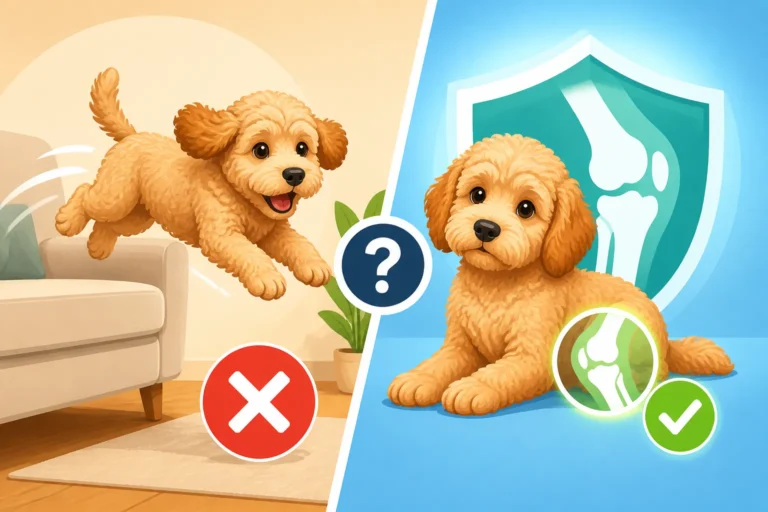
- Appropriate Exercise: While exercise is vital for muscle development and overall health, how your Cockapoo exercises is just as important. Avoid high-impact activities like excessive jumping or long, strenuous runs, especially during their puppyhood when growth plates are still open. Opt for regular, moderate walks, swimming, and controlled play. Activities like scent work can provide mental stimulation without putting undue stress on their joints. As they age, you might need to adjust their exercise routine; What Changes in a Cockapoo After Ten often includes a need for gentler activities.
- Joint Supplements: Many owners consider adding joint supplements to their Cockapoo's diet. Common ingredients include glucosamine, chondroitin, and MSM, which are believed to support cartilage health and reduce inflammation. Omega-3 fatty acids (like fish oil) are also excellent for their anti-inflammatory properties. Always discuss any supplements with your veterinarian before introducing them, as they can recommend the best type and dosage for your specific dog. If you're wondering Whether Glucosamine Helps a Cockapoo, your vet can provide personalized advice.
- Supportive Environment: Think about your home environment. If you have slippery floors, consider rugs or runners to prevent slips and falls. Ramps can be a great investment for beds or couches, especially for smaller Cockapoos or those prone to joint issues, reducing the strain of jumping. A comfortable, orthopedic dog bed can also provide much-needed support for aching joints.
When to Seek Veterinary Advice
Even with the best preventative care, joint issues can arise. It's crucial to be observant and know when to seek professional veterinary advice. Don't dismiss subtle changes as just "getting old."
- Changes in Gait or Movement: If you notice your Cockapoo limping, favoring a leg, or developing an unusual gait (like a bunny hop when running), it’s a red flag. Difficulty rising from a resting position, stiffness after exercise, or reluctance to use stairs or jump into the car are all signs that warrant a vet visit.
- Pain or Discomfort: Pay attention if your Cockapoo cries out when touched in certain areas, particularly around the hips or lower back. They might also become less tolerant of being handled, or you might notice them licking or chewing excessively at their joints. Any sign of pain, whether sudden or gradual, needs to be investigated.
- Decreased Activity or Enthusiasm: If your once-lively Cockapoo is suddenly less interested in walks, play, or their favorite activities, it could be a sign of discomfort. Sometimes, dogs are incredibly stoic, and a reduction in their typical zest for life is the first real indicator something is wrong.
- Weight Loss in a Young Cockapoo Means Kidneys: While this article focuses on joint health, it's important to remember that general health issues can sometimes manifest in similar ways. For example, if you notice Weight Loss in a Young Cockapoo Means Kidneys, this could point to completely different, but equally serious, health concerns. Always consult your vet for any unexplained symptoms.
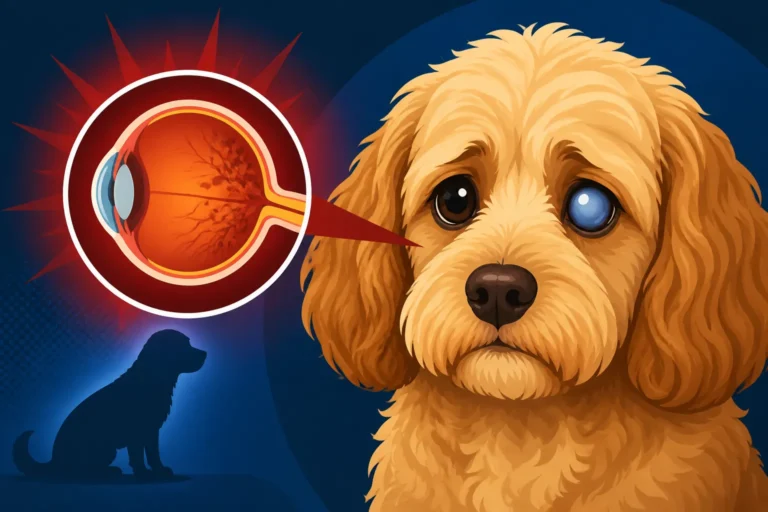
Your veterinarian is your best partner in managing your Cockapoo's health. Regular check-ups, even if just for The Kidney and Eye Checks a Cockapoo Needs Yearly, can help catch issues early. They can perform physical exams, recommend diagnostic imaging like X-rays, and discuss various treatment options, from medication and physical therapy to diet changes and, in some cases, surgical interventions. Early diagnosis and proactive management can make a world of difference in your Cockapoo's comfort and mobility, helping them live a long, happy, and active life.
Disclaimer
This article is for general informational purposes only and does not constitute professional advice. Laws, prices and regulations vary by location and change over time. Consult a qualified professional for guidance on your specific situation.