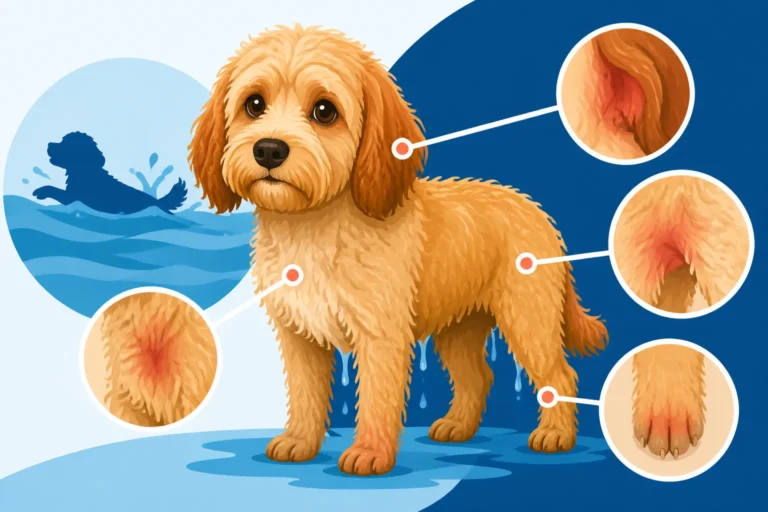
Whether Excitement Triggers a Cockapoo’s PFK Episode
It's incredibly worrying to see your beloved Cockapoo suddenly weakened, perhaps even collapsing, especially when it seems to be brought on by something as innocent as a burst of joy or an exciting play session. Many owners of Cockapoos carrying the Phosphofructokinase (PFK) deficiency gene find themselves constantly second-guessing activities, wondering if that sudden surge of adrenaline could lead to a debilitating episode. This guide is here to shed light on how excitement can indeed trigger PFK episodes in affected Cockapoos, what it looks like, and crucially, how you can help manage this complex condition to ensure your furry friend lives the happiest, healthiest life possible.
Understanding Phosphofructokinase Deficiency in Cockapoos
Phosphofructokinase (PFK) deficiency might sound like a mouthful, but understanding this inherited metabolic disorder is crucial for any Cockapoo owner, especially if you've been told your dog is affected or even a carrier. It's not a condition to take lightly, and it certainly shapes how you approach daily life with your dog.
What PFK Deficiency Is and Its Genetic Roots
At its heart, PFK deficiency is a genetic disorder that impacts the red blood cells and muscle cells of affected dogs. To get a little technical, PFK is an enzyme, a tiny protein vital for a process called glycolysis. This is how cells break down glucose (sugar) to produce energy. Think of it as the engine of the cell; without enough PFK, that engine can't run efficiently.
When a Cockapoo has PFK deficiency, their red blood cells are fragile and can break down prematurely, leading to a type of anemia. Simultaneously, their muscle cells struggle to produce the quick energy needed for bursts of activity. This condition is inherited in an autosomal recessive pattern, which means a Cockapoo must inherit two copies of the faulty gene – one from each parent – to be affected. If a dog only inherits one copy, they are considered a "carrier" and won't show symptoms, but they can pass the gene on to their offspring. This is why a reputable breeder will always perform The DNA Test That Clears a Cockapoo of PFK on their breeding stock, to avoid unwittingly producing affected puppies. Knowing Which Cockapoo Parent Passes On PFK is vital for responsible breeding practices.
The Symptoms and How They Manifest
The signs of PFK deficiency can be pretty unsettling, and they often come on suddenly. Owners frequently report a range of symptoms, from mild lethargy to a severe crisis. One of the most common and distressing signs is muscle weakness and cramps, especially after exercise or periods of excitement. Your usually energetic Cockapoo might suddenly slow down, seem stiff, or even collapse.
Another hallmark symptom that can be alarming is dark urine. This isn't just a slightly darker shade; we're talking about urine that can look brown or even reddish, akin to cola. This occurs because the fragile red blood cells are breaking down, releasing hemoglobin, which is then filtered by the kidneys and excreted. This symptom, often referred to as hemoglobinuria, is a strong indicator of a PFK episode. If you ever notice Whether a PFK Affected Cockapoo Passes Dark Urine, it's an immediate sign that veterinary attention is needed.
Other symptoms can include pale gums due to anemia, jaundice (yellowing of the skin or whites of the eyes), and an elevated heart rate as the body tries to compensate for the lack of oxygen-carrying red blood cells. These episodes can vary in severity and duration, but they are always a cause for concern and require careful management.
The Link Between Excitement and PFK Episodes
It might seem counterintuitive that something as joyful as excitement could be detrimental to your dog's health, but for Cockapoos with PFK deficiency, it's a very real and dangerous trigger. Understanding why this happens can help you navigate their world more safely.
The Physiological Mechanism Behind Triggered Episodes
When a dog gets excited, their body goes into a state of heightened physiological arousal. Their heart rate increases, blood pressure rises, and hormones like adrenaline surge through their system. This 'fight or flight' response, while natural, demands a rapid increase in energy production in the muscle cells. For a dog with healthy PFK enzymes, their cells can easily convert glucose into the energy needed.
However, in a Cockapoo with PFK deficiency, this energy conversion process is severely hampered. Their muscle cells simply can't keep up with the demand. This leads to a quick depletion of energy reserves and the accumulation of metabolic byproducts that further stress the system. Simultaneously, the increased metabolic activity and stress can cause their already fragile red blood cells to break down more rapidly, exacerbating the anemia and triggering the other symptoms we discussed, like dark urine and muscle weakness. It's a cascade effect, where excitement pushes their compromised system beyond its limits.
Imagine trying to sprint a marathon when your car's engine is only running on two cylinders; you'll quickly run out of steam and likely break down. That's essentially what happens to an affected Cockapoo during a PFK episode triggered by excitement. It's a harsh reality that What PFK Deficiency Does to a Cockapoo makes certain normal dog behaviors risky.
Common Triggers Beyond Just Excitement
While the intense joy and energy of excitement are significant triggers, they aren't the only culprits. Many situations can lead to a PFK episode in a susceptible Cockapoo, all generally related to increased physical or emotional stress.
- Strenuous Exercise: This is perhaps the most obvious trigger. Long walks, intense play sessions, or chasing balls for extended periods can quickly lead to muscle weakness and collapse. Owners often learn that Whether a PFK Affected Cockapoo Can Exercise is a nuanced question, requiring careful moderation and close observation.
- Stressful Situations: Beyond excitement, any form of stress can elevate their physiological state. This could be a trip to the vet, meeting new dogs, being in a loud or unfamiliar environment, or even separation anxiety. The body's stress response mimics the physiological changes of excitement, placing the same strain on their system.
- Heat Exposure: Overheating can significantly worsen PFK deficiency symptoms. Dogs cool themselves by panting, which requires effort. If their body is already struggling to produce energy, heatstroke can quickly become a deadly complication, accelerating red blood cell breakdown. Always be cautious with affected dogs in warm weather.
- Sudden Changes: While less common, abrupt changes in routine, diet, or environment can sometimes trigger a subtle stress response that might lead to a mild episode. The key is consistency and minimizing unexpected stressors.
Recognizing these triggers is paramount for managing a PFK affected Cockapoo. It requires a keen eye and a commitment to creating a stable, low-stress environment for your dog.
Managing and Preventing PFK Episodes
Living with a Cockapoo affected by PFK deficiency means becoming a vigilant advocate for their health. It's not about wrapping them in cotton wool, but about understanding their limits and proactively managing their environment and activities.
Lifestyle Adjustments and Environmental Control
The cornerstone of managing PFK deficiency is preventing episodes. This means making significant, but entirely achievable, adjustments to your Cockapoo's daily life.
First and foremost, exercise needs careful calibration. Forget the idea of boundless energy that many Cockapoos possess. For an affected dog, short, controlled walks on a leash are usually best. Multiple short walks throughout the day are often preferable to one long outing. Avoid activities that encourage explosive bursts of energy, like fetch or high-speed running at the dog park. Instead, focus on gentle sniff walks, puzzle toys, and calm indoor play. If you're wondering What PFK Deficiency Means for a Cockapoo Owner, this adjustment to exercise is often one of the biggest changes.
Stress reduction is equally vital. Identify situations that over-excite or stress your Cockapoo and try to mitigate them. This might mean avoiding dog parks if they get too worked up, introducing new people or pets slowly, and creating a quiet, safe haven at home. Using calming pheromone diffusers or gentle background music can also help create a serene atmosphere. For some dogs, a structured routine brings immense comfort and predictability, reducing anxiety.
Temperature control is another critical factor. On warm days, ensure your Cockapoo stays indoors in air conditioning, or if outside, is in a shaded, cool area with plenty of fresh water. Never leave an affected dog in a car, even on a mild day. Cooling vests or mats can be beneficial, but always monitor their reaction.
Consider working with a certified professional dog trainer who understands the specific needs of dogs with medical conditions. They can help you teach calming cues, manage arousal levels, and find enrichment activities that don't trigger episodes. Positive reinforcement training methods are always recommended, as they build confidence and reduce stress.
The Role of Veterinary Care and Emergency Preparedness
Regular veterinary check-ups are non-negotiable for a PFK affected Cockapoo. Your vet will want to monitor their red blood cell count and overall health. They can provide guidance on diet, supplements, and medication if needed. It's crucial to be transparent with your vet about any suspected episodes, even mild ones.
It’s also incredibly wise to have an emergency plan in place. Know the location of your nearest emergency veterinary clinic and have their number readily accessible. Discuss with your vet what steps to take if an episode occurs. They might recommend having specific medications on hand, or advise on immediate first aid like cooling measures. In an emergency, clear communication with veterinary staff about your dog's PFK diagnosis can save precious time. Pet insurance providers, like Healthy Paws, can offer peace of mind by helping cover unexpected emergency veterinary costs, which can quickly add up with a chronic condition like PFK deficiency. Knowing you have that financial buffer allows you to make the best decisions for your dog's care without added stress.
Here’s a simple table outlining key management strategies:
| Category | Do's | Don'ts |
|---|---|---|
| Exercise | Short, frequent, gentle walks | Intense fetching, prolonged running, dog park sprints |
| Environment | Quiet spaces, consistent routine, shade/AC | Loud events, unpredictable schedules, hot cars |
| Stress | Calming cues, positive reinforcement | Yelling, harsh corrections, unavoidable stressors |
| Diet | Balanced, vet-approved diet (discuss specifics with vet) | Sudden food changes, high-sugar treats |
| Hydration | Constant access to fresh water | Dehydration, limited water during activity |
| Vet Care | Regular check-ups, emergency plan | Delaying vet visits, ignoring subtle symptoms |
Living a Full Life with a PFK Affected Cockapoo
A PFK diagnosis doesn't mean a life devoid of joy or activity for your Cockapoo. It means a different kind of life, one tailored to their specific needs, filled with thoughtful care and understanding.
Long-Term Outlook and Quality of Life
The good news is that with proper management, many Cockapoos with PFK deficiency can lead relatively normal, happy lives. The key is consistent, proactive prevention of episodes. It truly comes down to understanding and respecting their limitations. You might not be able to participate in high-energy dog sports, but there are countless other ways to enrich their lives. Scent work, for example, can be a fantastic, low-impact mental exercise that taps into their natural instincts without overexerting them. Quiet cuddle time, gentle training sessions, and interactive puzzle toys all contribute to a high quality of life.
The long-term outlook heavily depends on the severity of the deficiency and how well episodes are prevented. Frequent or severe episodes can take a toll on their organs, particularly the kidneys and liver, as their bodies constantly try to clear the byproducts of red blood cell breakdown. However, a well-managed PFK Cockapoo can absolutely thrive and enjoy their family life.
It’s about focusing on their strengths and finding joy in calmer activities. You'll probably find that your bond with your PFK-affected Cockapoo deepens as you learn to read their subtle cues and provide them with the tailored care they need. Companies like Healthy Paws emphasize preventative care and offer resources that can help owners better understand and manage chronic conditions, contributing to a better long-term prognosis for affected pets.
Support for Owners and Responsible Breeding
Receiving a diagnosis of PFK deficiency can be overwhelming, and it's completely normal to feel a mix of emotions – worry, frustration, perhaps even guilt. Remember, you're not alone. There are support groups for owners of dogs with genetic conditions, where you can share experiences, ask questions, and gain valuable insights from others walking a similar path. Online communities dedicated to Cockapoos or specific health issues can be incredible resources.
For those considering getting a Cockapoo, or if you're a breeder, responsible breeding practices are paramount. The existence of a reliable DNA test for PFK deficiency means there's no excuse for producing affected puppies. Breeders should test all their breeding stock for PFK deficiency and only breed clear dogs or clear carriers to clear dogs to prevent passing on the disease. This commitment to health screening helps ensure that future generations of Cockapoos are free from this debilitating condition. It's a critical step in preserving the health and longevity of the breed, contributing to a future where stories of preventable suffering are a thing of the past. When working with a breeder, always ask to see certification of health testing, including for PFK. This is the best way to safeguard the health of your future furry family member.
Disclaimer
This article is for general informational purposes only and does not constitute professional advice. Laws, prices and regulations vary by location and change over time. Consult a qualified professional for guidance on your specific situation.