Whether Hair in a Cockapoo’s Eyes Scratches the Cornea
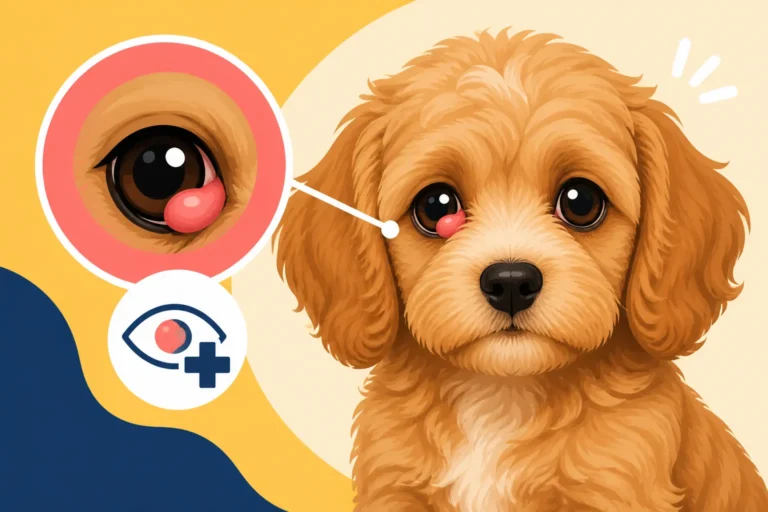
It’s a common worry for many Cockapoo owners: that beautiful, flowing hair around their eyes, while undeniably adorable, might actually be causing harm. We spend so much time marveling at their expressive faces, but in the back of our minds, there's often that nagging question – can this fluffy fringe scratch their delicate corneas? It’s a completely valid concern, and one that absolutely deserves our attention. This guide will dive deep into how your Cockapoo's eye hair can indeed become an irritant, what serious issues it might lead to, and most importantly, how you can proactively protect those precious peepers.
The Real Risk of Hair Scratching Your Cockapoo's Cornea
Let's get straight to it: Yes, hair absolutely can scratch your Cockapoo's cornea. It's not just an old wives' tale or an overblown fear. The hair around a Cockapoo's eyes, especially if it's long, stiff, or constantly wet, poses a very real threat to the health and comfort of their eyes. It's one of those silent issues that can escalate quickly if not managed, leaving your furry friend in discomfort or even severe pain.
How Eye Hair Becomes a Danger
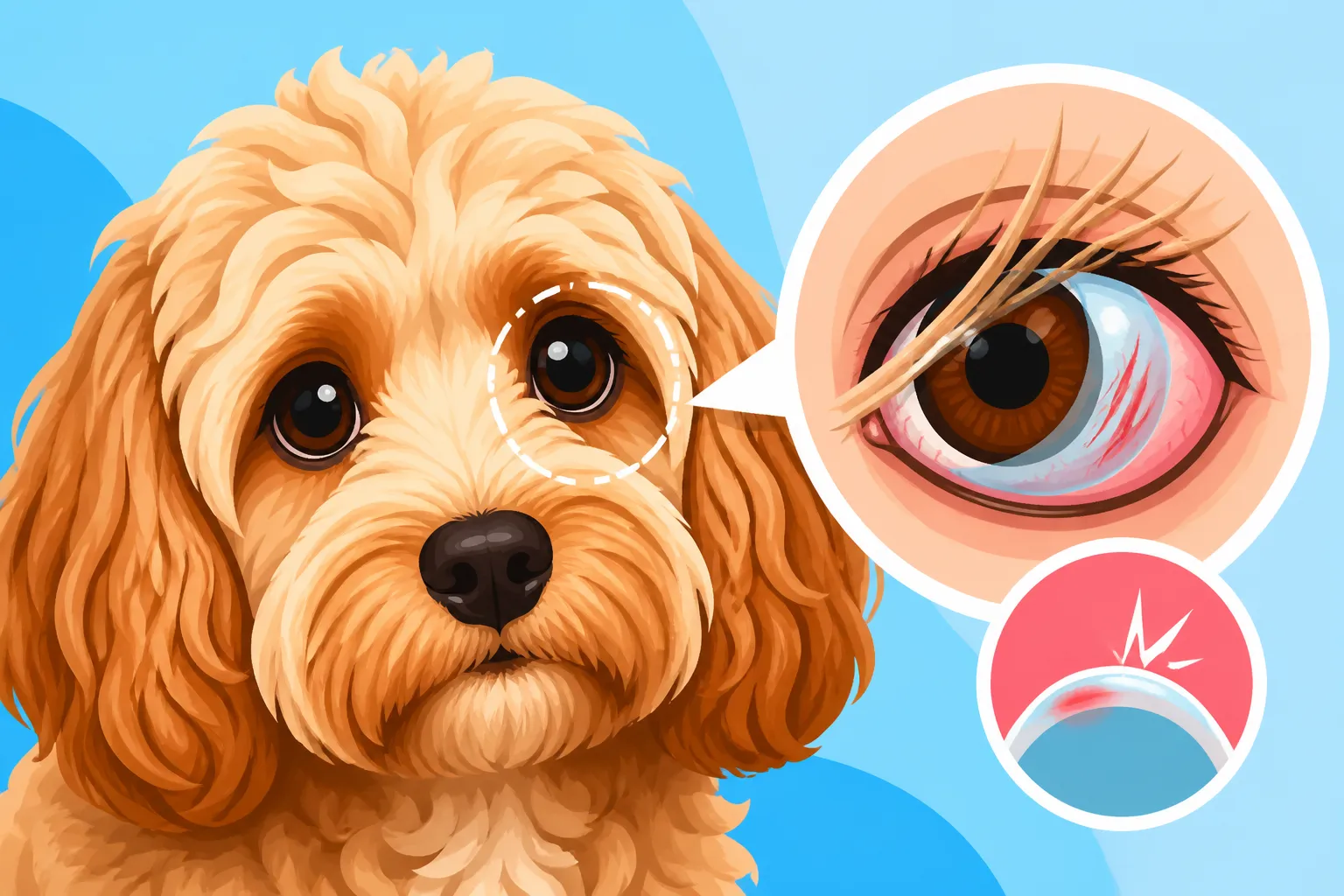
Think about the texture of your Cockapoo's facial hair. While it might feel soft to your touch, individual strands, especially if they are coarser or have split ends, can be surprisingly rigid. Now imagine those strands constantly brushing against the incredibly sensitive surface of the eyeball. Every blink, every shake of the head, every time they rub their face, those hairs act like tiny, abrasive brushes, repeatedly dragging across the cornea.
This constant friction isn't just annoying; it creates microscopic scratches. These minor abrasions might not seem like much at first, but with continuous irritation, they can deepen. Moreover, the area around a Cockapoo's eyes is often moist due to natural tear production or, in many cases, tear staining. This moisture can cause the fine hairs to clump together and stiffen, turning what might have been a soft wisp into a rigid, irritating cluster. Imagine having a piece of rough string stuck in your own eye all day, every day – that's a bit what it can feel like for them. Over time, these constantly irritated spots become vulnerable entry points for bacteria, leading to infections that can further complicate the issue. It's a compounding problem, where minor irritation can pave the way for something far more serious.
Understanding Corneal Abrasions and Ulcers
The cornea is the transparent outer layer at the front of your dog's eye. It's like the clear window through which they see the world. This tissue is incredibly delicate and vital for vision. When hair, or any foreign object, rubs against it, it can cause a corneal abrasion – essentially a superficial scratch. These are painful, much like a scratch on your own eye, causing discomfort, squinting, and excessive tearing. If you’ve ever had an eyelash get stuck and relentlessly poke your eye, you have a tiny glimpse into their experience.
The real danger, however, is when these abrasions are ignored or become infected. A persistent scratch can develop into a corneal ulcer. An ulcer is a deeper, more severe wound on the cornea, involving the loss of tissue. These are not only intensely painful but can lead to serious complications, including vision impairment or even rupture of the eyeball in extreme, untreated cases. Treating an ulcer is often a lengthy and expensive process, requiring antibiotics, pain medication, and sometimes even surgical intervention. This is why prompt attention is crucial. Early intervention can prevent a simple scratch from spiraling into a sight-threatening ulcer, underscoring why proactive grooming and knowing The Red Eye That Means a Cockapoo Needs a Vet Tonight is so important.
Navigating the Unique Challenges of Cockapoo Eye Anatomy and Coat
Cockapoos are renowned for their charming, often fluffy faces, which are a direct result of their unique genetic makeup. This very charm, however, brings with it specific considerations when it comes to eye health. Understanding these inherent traits is the first step in creating an effective preventative care routine.
The Cockapoo's Signature Furnishings and Eye Shape
One of the defining characteristics of a Cockapoo's appearance is their "furnishings" – that delightful facial hair that includes their beard, mustache, and the hair over their eyebrows. This trait comes from their Poodle heritage and is determined by the RSPO2 gene. While these furnishings are responsible for their teddy-bear look and contribute to their low-shedding qualities, they also mean more hair around the eyes. Without regular maintenance, this hair grows long and can easily fall into or rub against the eyes.
Beyond the furnishings, the shape and set of a Cockapoo's eyes can also play a role. Many Cockapoos inherit the expressive, somewhat rounder eye shape from their Cocker Spaniel side. While beautiful, these eyes can sometimes appear more prominent or "bug-eyed" compared to breeds with deeper-set eyes. This increased exposure means there’s less protective bone structure around the eye, making the cornea more vulnerable to external irritants, including their own facial hair. The constant production of tears, especially if a Cockapoo's Whether a Cockapoo's Eyes Run All Year and lead to visible tear staining, can also make the hair around the eyes wet and matted, creating a stiff, abrasive surface that increases the risk of corneal irritation.
Identifying Predisposing Factors and Other Eye Irritants
While hair is a primary culprit, it's essential to remember that a Cockapoo's eyes can be irritated by a multitude of factors. Environmental elements like dust, dirt, pollen, and even strong winds can cause significant discomfort. If your Cockapoo loves to explore tall grass, grass seeds can easily become lodged in their eyes, causing acute pain and damage. Even seemingly innocuous things like residue from shampoo or conditioner during bath time can lead to chemical irritation.
Genetics can also contribute to eye irritation. Some Cockapoos might inherit conditions such as entropion, where the eyelids roll inward, causing eyelashes and surrounding hair to rub against the cornea. Although hair itself might not cause entropion, it can certainly exacerbate the discomfort it creates, and sometimes, loose hair can mimic the symptoms of an inward-rolling lid. Conversely, Whether a Cockapoo Gets Dry Eye (Keratoconjunctivitis Sicca or KCS) can make the eyes more susceptible to irritation and damage because there isn't enough tear film to lubricate and protect the corneal surface adequately. When the eyes are dry, any foreign body, including hair, becomes much more irritating and damaging. Neglecting regular grooming can also contribute to the problem, allowing mats to form tightly around the eyes, pulling on delicate skin and directing hair inward, causing pain and discomfort even before the hair makes contact with the cornea itself.
Proactive Grooming and Daily Care to Protect Those Precious Eyes
The good news is that most eye irritation from hair is entirely preventable with consistent and correct grooming practices. It's all about being proactive and making eye care a regular, gentle part of your Cockapoo's routine. Think of it as investing in their long-term comfort and health, avoiding costly and painful vet visits down the line.
Essential Trimming Techniques for the Eye Area
Regular trimming of the hair around your Cockapoo's eyes is perhaps the most critical preventative measure. You'll want to use blunt-nosed scissors, specifically designed for pet grooming, to minimize any risk of accidental injury. Small, precise clippers can also be used, but require extra caution.
Here’s a safe approach:
- Get Them Comfortable: Start by making sure your Cockapoo is calm and relaxed. A well-timed treat and gentle praise can go a long way. If they're a puppy, start early and often to desensitize them to facial handling; this will make future grooms much easier. Knowing How Early a Cockapoo Should Meet a Groomer is key for puppies to get accustomed to this kind of handling.
- Stabilize: Gently hold your Cockapoo’s head still. If working alone, you might need to lean them against your body. With one hand, gently lift the hair above the eye and pull it slightly away from the eyeball. For hair growing from the bridge of the nose, pull it forward.
- Trim Carefully: Using only the tips of your blunt-nosed scissors, carefully snip the hair that is clearly touching or is likely to fall into the eye. Always point the scissors away from the eye, never towards it. Aim to create a clear, unobstructed perimeter around the eye, typically trimming hair to about ½ inch to an inch away from the lid.
- Frequency: For many Cockapoos, trimming the eye area every 2-4 weeks is necessary, depending on how quickly their hair grows. Some might need it more frequently, especially during the adolescent coat change phase.
- Professional Help: Don't hesitate to ask a professional groomer or your veterinarian for a demonstration if you're unsure. They can show you exactly Trimming a Cockapoo's Face Without Cutting an Eye safely. Regular professional grooming should always include careful attention to the eye area, ensuring any excess hair is expertly removed. Remember that routine check-ups should include The Kidney and Eye Checks a Cockapoo Needs Yearly, which provides another opportunity for your vet to assess their eye health and hair situation.
Beyond the Trim: Wipes, Solutions, and Preventative Habits
Trimming is just one piece of the puzzle. Daily attention to your Cockapoo's eyes can significantly reduce irritation and prevent issues.
- Daily Wiping: Make it a habit to gently wipe around your Cockapoo's eyes daily. Use a soft, damp cloth or specifically formulated pet eye wipes. This helps remove eye boogers, dust, and any crust that might accumulate, preventing it from drying and making the surrounding hair stiff and abrasive. This is particularly important for managing Whether a Cockapoo Gets Tear Stains, which often result from chronic moisture.
- Safe Eye Solutions: If your Cockapoo has persistent tear staining or discharge, consult your vet about appropriate, pet-safe eye cleaning solutions. Never use human eye drops or harsh chemicals around your dog’s eyes. Some solutions are designed to safely clean and lighten tear stains without irritating the eyes.
- Dietary Considerations: While not a direct solution for hair-in-eye issues, some owners find that certain diets or supplements can reduce tear staining by addressing potential allergies or sensitivities that lead to excessive tearing. Always discuss dietary changes with your vet.
- Tie-Backs (for longer hair): If your Cockapoo has particularly long hair on their head, beyond what you feel comfortable trimming, you might consider using a soft, pet-safe hair tie or clip to keep the topknot out of their eyes. Ensure it's not too tight and doesn't pull on the skin.
- Awareness During Baths: When bathing your Cockapoo, be extra careful to keep shampoo and conditioner out of their eyes. Use a tearless puppy shampoo for their face or create a barrier with your hand. A gentle rinse with a low-pressure sprayer is also key to prevent irritation.
By integrating these practices into your routine, you’re not just grooming; you’re building a strong foundation for your Cockapoo’s long-term eye health and comfort.
Recognizing and Responding to Signs of Eye Irritation
Even with the most diligent preventative care, our Cockapoos can still occasionally get something in their eye or develop an irritation. Knowing what to look for and when to act is crucial for minimizing discomfort and preventing more serious complications. Your quick response can make all the difference.
What to Look For: Red Flags and Symptoms
Your Cockapoo's eyes should normally be clear, bright, and free of excessive discharge. Any deviation from this can be a sign of trouble. Here are the red flags to watch for:
- Excessive Tearing (Epiphora): If one or both of your Cockapoo's eyes suddenly start watering profusely, beyond their normal tear staining, it's a strong indicator of irritation. It’s their body’s way of trying to flush out a foreign object or soothe an inflamed surface.
- Squinting or Holding Eye Shut: This is often the most obvious sign of pain or discomfort. If your Cockapoo is squinting, blinking excessively, or holding one eye partially or completely shut, it's definitely time to investigate.
- Redness: The whites of the eyes (sclera) or the conjunctiva (the pink tissue inside the eyelids) appearing red or bloodshot indicates inflammation.
- Discharge: While a small amount of clear discharge can be normal, thick, yellow, green, or goopy discharge is a sign of infection.
- Pawing or Rubbing at the Eye: If your Cockapoo is constantly rubbing their face on furniture or pawing at their eye, they’re trying to tell you something is bothering them. This action can also worsen any existing irritation or scratch.
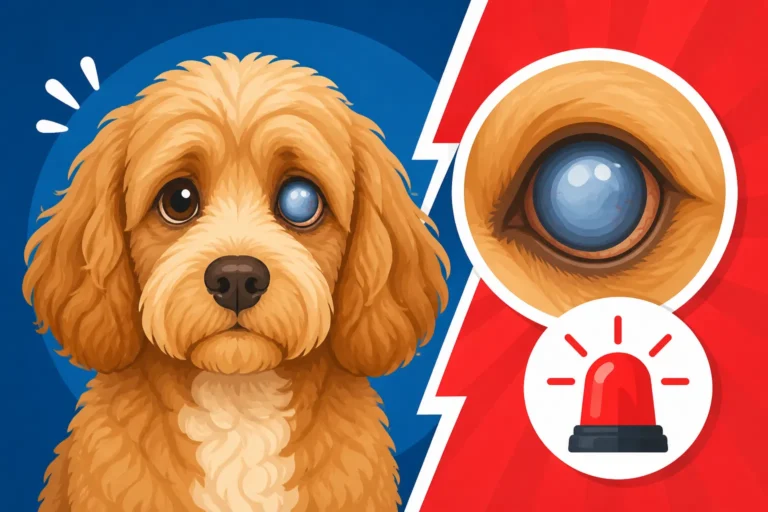
- Cloudiness or Change in Eye Appearance: Any cloudiness on the cornea, a visible scratch line, or a dull appearance to the eye can indicate a serious injury.
- Swelling: Swelling around the eyelids or the eye itself can be a sign of infection, injury, or an allergic reaction.
- Sensitivity to Light (Photophobia): If your Cockapoo seems to avoid bright light, it can be a symptom of eye pain or inflammation.
Imagine your normally playful and confident Cockapoo suddenly becoming withdrawn, hesitant to open one eye fully, or constantly rubbing their face against your leg. These are not just quirks; they are clear communications of distress. A good example might be if your Cockapoo just came in from a romping session in the yard, and now one eye is visibly watery and they keep blinking hard. This could easily be a tiny piece of grass or dirt, or indeed, a hair that has worked its way in and caused a minor abrasion.
When to Seek Veterinary Care
With eye issues, it's always better to be safe than sorry. Do not attempt to self-diagnose or treat anything beyond a very minor, clear discharge that resolves quickly with gentle wiping. If you notice any of the red flags mentioned above, especially squinting, redness, or colored discharge, contact your veterinarian immediately. Eye injuries and infections can progress rapidly and lead to permanent vision loss if not treated promptly.
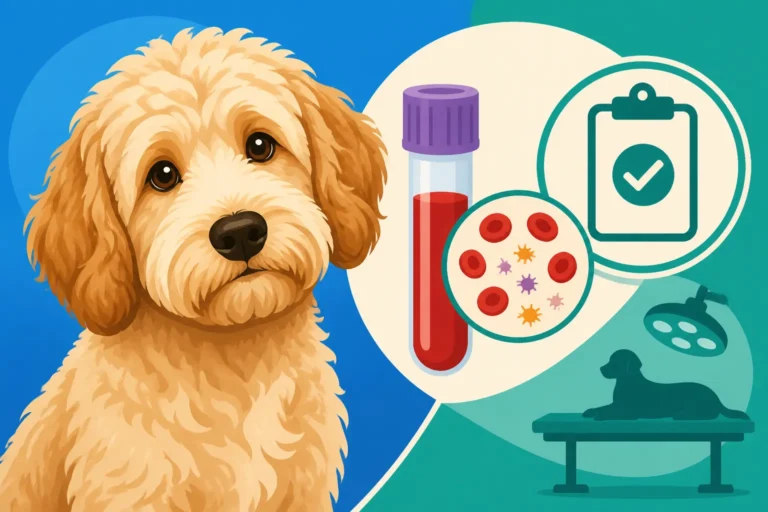
Your vet will likely perform a thorough eye examination. This usually includes:
- Ophthalmic Exam: A detailed visual inspection of the eye and surrounding structures.
- Fluorescein Stain Test: A special dye is applied to the eye. If there's a scratch or ulcer on the cornea, the dye will stick to the damaged area and glow under a blue light, revealing the extent of the injury.
- Schirmer Tear Test: Measures tear production, especially if dry eye is suspected.
- Intraocular Pressure (IOP) Measurement: Checks the pressure inside the eye to rule out conditions like glaucoma.
Treatment for corneal abrasions or ulcers typically involves medicated eye drops (antibiotics to prevent infection, pain relief, or sometimes serum drops to aid healing). In severe cases of deep ulcers or if the eye is at risk of rupture, surgery might be necessary. The cost of such treatments can quickly add up, ranging from simple prescription drops to hundreds or even thousands of dollars for surgical interventions. This is where having pet insurance, such as Healthy Paws, can be a huge relief, helping to cover unexpected veterinary expenses for sudden illnesses or injuries like a corneal ulcer. It means you can focus on your Cockapoo's recovery without the added stress of crushing vet bills. Many pet owners find Healthy Paws invaluable for managing these unpredictable health challenges that come with pet ownership, ensuring their furry family member gets the best care when they need it most.
Eye Care and Grooming Symptom Checklist
To help you keep track of your Cockapoo's eye health and when to act, here's a quick reference table:
| Symptom / Observation | Possible Cause | Recommended Action | Urgency Level |
|---|---|---|---|
| Long hair near eyes | Normal Cockapoo growth | Regular trimming every 2-4 weeks, gentle daily wiping | Preventative |
| Clear, watery discharge | Minor irritation, allergies, dust, early stage of foreign object | Gentle daily wiping, observe for worsening symptoms | Low |
| Squinting / Holding eye shut | Pain, foreign object, abrasion/ulcer, inflammation | Immediate vet visit | High |
| Redness of eye or eyelids | Inflammation, infection, injury, allergy | Vet visit within 24 hours; immediate if severe | Moderate-High |
| Thick, yellow/green discharge | Bacterial infection | Vet visit within 24 hours | High |
| Pawing or rubbing at eye | Irritation, pain, foreign object | Check gently for visible irritants; if persistent, vet visit within 24 hours | Moderate |
| Cloudiness on cornea | Corneal abrasion/ulcer, glaucoma | Immediate vet visit | High |
| Swelling around eye | Infection, injury, allergic reaction | Immediate vet visit | High |
| Dryness/Crusty eyes | Dry Eye (KCS) | Vet visit for diagnosis and management | Moderate |
| Hair matting around eyes | Neglected grooming | Carefully demat (or professional groomer), increase grooming frequency | Moderate |
| White specks in eye | Dust, debris | Gentle flush with sterile saline (pet-specific); if persistent, vet visit | Low-Moderate |
Keeping a close eye on your Cockapoo's eyes is an ongoing commitment, but it's one of the most loving and effective things you can do for their well-being. Their health relies on your vigilance and prompt action.
Disclaimer
The information provided in this article is for educational and informational purposes only and does not constitute veterinary advice. Always consult with a qualified veterinarian for any health concerns or before making any decisions related to your pet's health and treatment.