Telling Nuclear Sclerosis From Cataracts in a Cockapoo
It’s incredibly unsettling to look into your beloved Cockapoo’s eyes and notice a cloudiness that wasn't there before. Your mind races with questions, often jumping to the worst conclusions, like vision loss or serious illness. This guide aims to clear up some of that worry by helping you understand the difference between nuclear sclerosis and cataracts, two common eye conditions that can cause that milky, cloudy appearance in our furry friends.
Understanding Nuclear Sclerosis in Cockapoos
When your Cockapoo starts to get a little older, you might notice their eyes taking on a bluish-gray, hazy look. It’s natural to feel a pang of concern, but more often than not, this is a perfectly normal, age-related change called nuclear sclerosis. It’s not a disease, and it certainly doesn't mean your pup is going blind. It's simply a natural part of the aging process, much like how our own vision changes as we get older.
What Nuclear Sclerosis Actually Is
Imagine the lens of your Cockapoo's eye. It’s composed of fibers, much like an onion. Over time, as new fibers are produced, the older, denser fibers are compressed into the center of the lens, or the nucleus. This compression causes the lens to become denser and less transparent, leading to that characteristic grayish-blue haze we see. It’s a very gradual process, often so subtle that you might not even notice it until it's quite advanced. It typically affects both eyes symmetrically, meaning you'll see the same cloudiness in both eyes. Many owners mistakenly think their dog has cataracts when they first observe this, and it’s a perfectly understandable confusion given the similar appearance. However, the underlying cause and impact on vision are quite different.
How Nuclear Sclerosis Affects Your Cockapoo's Vision
Here’s the good news: nuclear sclerosis has very little, if any, impact on your Cockapoo's vision. While the lens is denser, light can still pass through it relatively easily. Think of it like looking through a slightly frosted window – you can still see outside, just not with crystal-clear precision. Your Cockapoo might experience a very minor reduction in their ability to focus on close objects or see fine details, but for the most part, their day-to-day life and ability to navigate their world remain completely unaffected. They’ll still chase squirrels, fetch balls, and find their food bowl with no trouble at all. This is a stark contrast to cataracts, which we'll discuss next, where vision impairment can be significant. It's important to remember that this isn't usually something that requires intervention or treatment; it's just a cosmetic change that comes with age.
When Nuclear Sclerosis Typically Appears
Nuclear sclerosis is almost exclusively seen in middle-aged to senior dogs. You’ll typically start noticing it in Cockapoos around the age of six or seven years old, and it becomes progressively more common and noticeable as they enter their golden years. So, if your beloved Cockapoo, who might be living a long and happy life, perhaps even reaching The Fourteen to Eighteen Years a Cockapoo Lives, is starting to show a slight cloudiness in their eyes, and they're well past their puppy prime, nuclear sclerosis is likely the culprit. It's a hallmark sign that your pup is gracefully aging, and while it might make them look a little wise and distinguished, it's not a cause for alarm regarding their sight. Understanding What Changes in a Cockapoo After Ten often includes these visual developments.
Delving Into Cataracts in Cockapoos
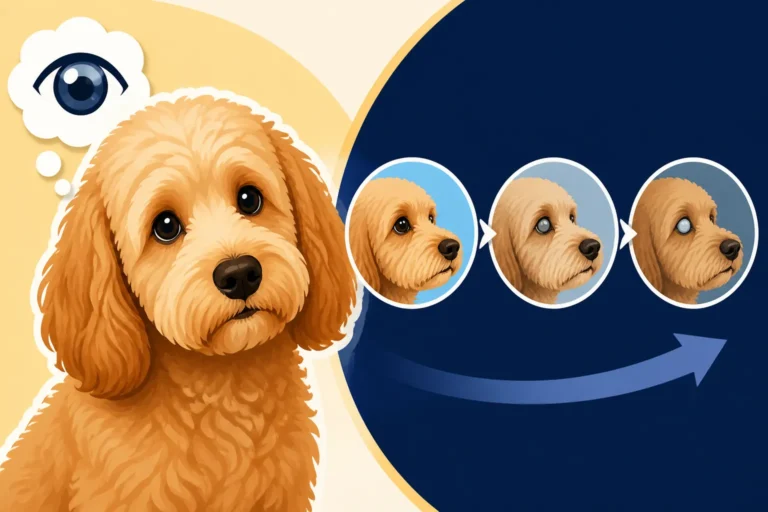
Cataracts, unlike nuclear sclerosis, are a more serious eye condition that does significantly affect vision and can lead to blindness if left untreated. When your Cockapoo develops cataracts, the lens of their eye becomes truly opaque, preventing light from reaching the retina. This isn't just a haziness; it's like a dense fog rolling in, blocking their view. It’s a common misconception that all cloudy eyes are cataracts, but knowing the distinction is crucial for proper care.
The Different Types of Cataracts
Cataracts aren't a one-size-fits-all condition; they can manifest in several ways and for various reasons. For Cockapoos, some of the most common causes include:
- Hereditary/Congenital Cataracts: Unfortunately, genetics play a significant role. Cockapoos, inheriting traits from both Cocker Spaniels and Poodles, can be predisposed to certain hereditary eye conditions. This means some puppies are born with cataracts (congenital) or develop them at a very young age (juvenile). Responsible breeders will screen their breeding stock for these genetic predispositions, so it’s always a good idea to be Asking for a Cockapoo's Eye Certificates when looking for a puppy. Conditions like Progressive Retinal Atrophy in a Cockapoo are also important to screen for.
- Diabetic Cataracts: This is a rapidly progressing type of cataract that can develop in dogs with diabetes mellitus. If your Cockapoo has untreated or poorly managed diabetes, the excess sugar in their blood can lead to changes in the eye's lens, causing cataracts to form very quickly, sometimes within weeks.
- Traumatic Cataracts: An injury to the eye, such as a poke or blunt force trauma, can damage the lens and result in a cataract.
- Age-Related Cataracts: While nuclear sclerosis is a normal aging change, true cataracts can also develop with age. However, these are generally less common than hereditary or diabetic cataracts in dogs.
- Secondary Cataracts: Sometimes, cataracts can develop as a secondary complication of other eye diseases, like uveitis (inflammation inside the eye) or Glaucoma From the Cocker Side of a Cockapoo.
Cataracts are also classified by their stage of progression:
- Incipient: Very small, localized cataracts that don't usually affect vision much.
- Immature: The cataract affects less than 100% of the lens, and vision is usually impaired but not entirely lost. This is often the ideal time for surgical intervention.
- Mature: The entire lens is opaque, resulting in blindness.
- Hypermature: The lens starts to shrink and shrivel, sometimes leading to inflammation and further complications.
It’s definitely worth considering Whether a Cockapoo's Lenses Cloud Before Ten if you're seeing cloudiness in a younger dog, as it could indicate an early-onset cataract rather than age-related nuclear sclerosis.
How Cataracts Impact Your Cockapoo's Eyesight
The impact of cataracts on your Cockapoo's vision can range from mild impairment to complete blindness, depending on the size and density of the cataract. Unlike nuclear sclerosis, which allows light to pass through, a cataract actively blocks light. Imagine trying to see through a dense, white curtain – that's what a mature cataract looks like from the inside.
As cataracts progress, you might notice your Cockapoo becoming hesitant in unfamiliar environments, bumping into furniture, or having trouble navigating stairs, especially in dim light. Their confidence can decrease, and they might become more clingy or anxious. It can be heartbreaking to watch, but remember that dogs are incredibly resilient and can adapt remarkably well to vision loss, especially if it happens gradually. Still, the goal with cataracts is often to intervene before significant vision is lost, which is why early detection is so important. Many owners wonder Whether a Cockapoo Goes Blind Slowly, and with cataracts, the answer is often yes, unless it's a rapidly progressing type like diabetic cataracts.
Common Signs and Progression of Cataracts
Recognizing the signs of cataracts early can make a big difference. Beyond the obvious cloudy appearance of the eye itself, pay attention to your Cockapoo’s behavior.
Observable Changes:
- White or Gray Opacity: The most noticeable sign is a white or grayish cloudiness in the pupil of one or both eyes. Unlike the diffuse haze of nuclear sclerosis, cataracts tend to look more like a distinct, solid white or icy gray mass within the lens.
- Reflectivity: If you shine a light into your dog's eye, the cataract might look quite dense and block the light reflection, whereas with nuclear sclerosis, you'd still see a reflection, just perhaps a duller one.
Behavioral Signs (indicating vision loss):
- Clumsiness: Bumping into objects, especially in dim lighting or new surroundings.
- Hesitation: Being reluctant to jump off furniture, go up or down stairs, or navigate familiar paths.
- Difficulty with Depth Perception: Missing toys during fetch, misjudging distances.
- Increased Anxiety or Startle Response: Being easily startled by sudden movements or noises, as they can't see things approaching.
- Changes in Eye Appearance: Beyond the cloudiness, you might notice other changes if the cataract leads to secondary issues, such as redness or excessive tearing, though these are less common initial signs of the cataract itself.
The progression of cataracts varies widely depending on the cause. Hereditary cataracts might develop slowly over years, while diabetic cataracts can mature in a matter of weeks. Regular veterinary check-ups, including thorough eye exams, are crucial for monitoring any changes and catching cataracts in their earlier, more treatable stages.
Key Differences Between Nuclear Sclerosis and Cataracts
Distinguishing between nuclear sclerosis and cataracts is absolutely vital for your Cockapoo's eye health and your peace of mind. While both cause a cloudy appearance, their impact and necessary interventions are poles apart. Getting an accurate diagnosis from your veterinarian is the first step, but understanding what they're looking for can help you communicate your observations effectively.
Visual Appearance and Cloudiness
This is often the first thing owners notice, but it's also where the confusion begins.
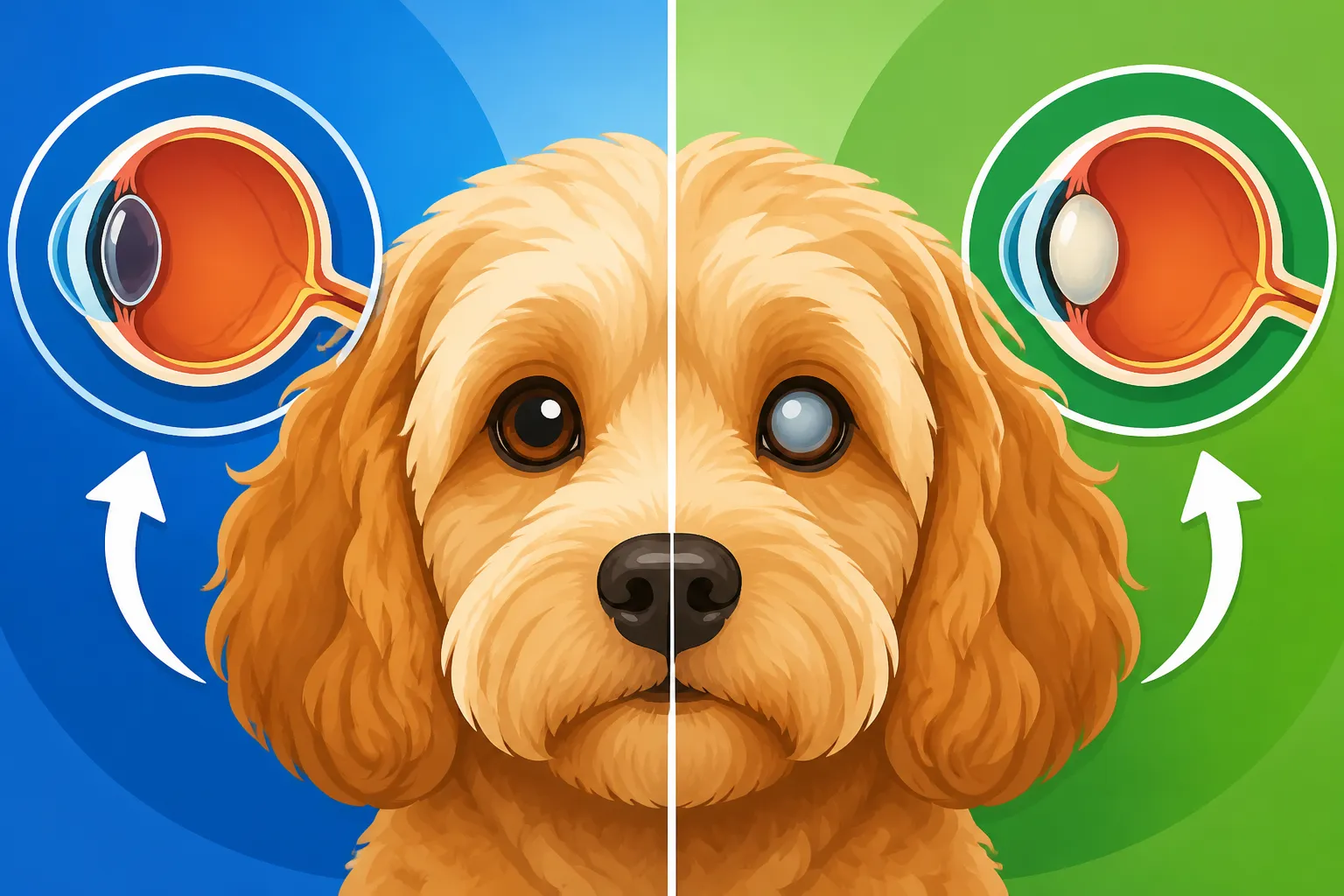
- Nuclear Sclerosis: Think of it as a soft, bluish-gray haze that appears deep within the pupil, behind the iris. It looks like a gentle fog, a light cloudiness that doesn't completely block your view of the back of the eye if you try to peer in. If you shine a light directly at your Cockapoo's eye, with nuclear sclerosis, the light will typically pass through, and you might still see a tapetal reflection (the glow from the back of the eye, like in photos). The lens itself often maintains a slightly reflective quality. It's a uniform haziness across the entire lens.
- Cataracts: This is a more distinct, often opaque, white or icy-gray cloudiness. It can range from small, discrete spots (incipient) to a complete opacification of the entire lens (mature). With a mature cataract, the pupil will look solid white, and it will be impossible to see into the back of the eye. Light will not pass through the affected area, meaning you won't get that normal tapetal reflection. Cataracts can sometimes appear to shimmer or have a "cracked ice" appearance, particularly in certain types. The opacity is much denser and more disruptive to the passage of light.
A simple at-home test can sometimes offer a clue, though it's never a substitute for a vet's diagnosis. In a darkened room, shine a penlight directly into your Cockapoo's eye. If you can still see a reddish-orange reflection (the tapetal reflex), it's more likely to be nuclear sclerosis. If the light is completely blocked by a dense white opacity, a cataract is more probable.
Impact on Vision and Daily Life
This is the most critical difference from your Cockapoo's perspective.
- Nuclear Sclerosis: As we discussed, the impact on vision is minimal to none. Your Cockapoo might experience a slight reduction in visual acuity, especially for very fine print or in low light, but their overall ability to see and navigate their world remains largely intact. They won't bump into things, they'll still track their favorite toy, and their confidence in familiar environments won't wane due to their eyesight. Owners often report no change in their dog's behavior despite the cloudy eyes.
- Cataracts: The impact here can be severe. Depending on the density and size of the cataract, vision can be significantly impaired, leading to partial or complete blindness. A Cockapoo with progressive cataracts will start to show behavioral changes: hesitating on stairs, bumping into furniture, being reluctant to go outside at night, becoming more anxious or easily startled. Their quality of life can be affected, especially if they lose vision rapidly or completely. This is why prompt veterinary assessment is so important, especially when considering if Whether a Cockapoo's Cataracts Are Worth Operating On.
Age of Onset and Underlying Causes
While both can appear in older dogs, their typical presentation ages and root causes often differ.
- Nuclear Sclerosis: This is almost always an age-related change, typically seen in dogs over six or seven years old. It’s a natural process of lens hardening and compression, not a disease. There are no underlying health conditions that cause nuclear sclerosis; it simply comes with time.
- Cataracts: These can appear at any age. Congenital cataracts are present at birth, juvenile cataracts in young dogs, and diabetic cataracts can develop very quickly, regardless of age. While age can be a factor, cataracts are often caused by a disease (like diabetes), genetics, or trauma. If you notice eye cloudiness in a younger Cockapoo, especially if it appears suddenly or progresses quickly, a cataract is much more likely than nuclear sclerosis. This emphasizes the importance of thorough health screenings by reputable breeders, including eye examinations, to minimize the risk of hereditary conditions.
| Feature | Nuclear Sclerosis | Cataracts |
|---|---|---|
| Appearance | Diffuse, bluish-gray haze, uniform, deep within lens | Opaque white/gray, can be focal or cover entire lens |
| Light Reflection | Light generally passes through, tapetal reflex visible | Light blocked, tapetal reflex absent or severely diminished |
| Impact on Vision | Minimal to none; minor loss of fine detail/focus | Significant impairment to complete blindness |
| Age of Onset | Typically 6-7+ years (older dogs) | Any age (congenital, juvenile, adult, diabetic) |
| Progression | Very slow, stable | Variable, can be rapid (diabetic) or slow |
| Underlying Cause | Normal aging process (lens compression) | Genetics, diabetes, trauma, inflammation |
| Treatment Required? | No | Often yes (surgery) if vision is affected |
When to Seek Veterinary Advice for Your Cockapoo's Eyes
Any time you notice a change in your Cockapoo's eyes or behavior, it warrants a visit to the veterinarian. While nuclear sclerosis isn't an emergency, only a professional can definitively tell you the difference and rule out more serious conditions. Delaying a visit for what might be a cataract could mean the difference between saving or losing your Cockapoo's vision.
The Importance of Regular Eye Check-ups
Just like us, our Cockapoos benefit immensely from regular health screenings. Eye health is a crucial component of their overall well-being and quality of life. Even if you don't notice any obvious cloudiness, yearly veterinary check-ups should always include a thorough examination of their eyes. These routine visits are where your vet can spot subtle changes that you might miss, or differentiate between benign age-related conditions and progressive diseases. Proactive care is truly the best defense. These check-ups are also essential for other vital health considerations, much like The Kidney and Eye Checks a Cockapoo Needs Yearly to catch issues early. When considering pet insurance, a good provider like Healthy Paws understands the value of these regular check-ups in preventing more serious conditions down the line.
What Your Vet Looks For During an Exam
When you bring your Cockapoo in for an eye concern, your veterinarian will perform a comprehensive ophthalmic examination. This isn't just a quick glance; it's a detailed assessment using specialized tools.
Here’s what they might do:
- Visual Acuity Assessment: Observing how your dog navigates the exam room, reacts to visual cues, and tracks objects.
- Ophthalmoscopy: Using an ophthalmoscope, your vet will look directly into your Cockapoo’s eye to examine the lens, retina, and optic nerve. This allows them to see the exact location and characteristics of any cloudiness. The difference in how light reflects off the lens with nuclear sclerosis versus a cataract is usually quite evident to a trained eye.
- Slit Lamp Biomicroscopy: For a more detailed view, especially of the lens, some vets might use a slit lamp. This instrument provides a magnified, three-dimensional view of the eye's structures, making it easier to distinguish the subtle internal changes of nuclear sclerosis from the distinct opacities of cataracts.
- Pupillary Light Reflexes: Checking how your dog's pupils constrict in response to light, which can give clues about retinal function and nerve pathways.
- Tonometry: Measuring the pressure within the eye to rule out conditions like glaucoma.
- Other Tests: Depending on what they find, your vet might recommend additional tests, such as blood work (especially if diabetes is suspected), or a referral to a veterinary ophthalmologist for advanced diagnostics and treatment planning.
The detailed nature of these exams ensures an accurate diagnosis, which is the cornerstone of effective treatment, and can also help rule out other serious eye conditions, such as those that might lead to Whether a Glaucomatous Cockapoo Loses the Eye.
Preparing for a Vet Visit About Eye Changes
To make the most of your vet visit, it helps to be prepared. Think about what you've observed and be ready to share that information clearly.
Here are some things to note before your appointment:
- When did you first notice the cloudiness? Was it sudden or gradual?
- Does it affect one eye or both? Is it symmetrical?
- Has your Cockapoo’s behavior changed? Are they bumping into things? Hesitant to jump? More easily startled?
- Are they experiencing any other symptoms? (e.g., redness, tearing, squinting, rubbing their eyes, discharge, changes in appetite or thirst).
- Any known medical conditions? (e.g., diabetes, previous eye injuries).
- Family history: Do you know if the parents or siblings had any eye issues? This is where having access to breeder information and health certificates is so valuable.
Being thorough in your observations helps your vet piece together the puzzle and arrive at the correct diagnosis more efficiently.
Managing and Treating Eye Conditions in Cockapoos
Once you have a clear diagnosis, you can then consider the best course of action for your Cockapoo. The good news is that for nuclear sclerosis, "management" often means little to no intervention, while cataracts have specific, often very effective, treatment options.
Living with Nuclear Sclerosis
If your veterinarian confirms that your Cockapoo has nuclear sclerosis, you can breathe a sigh of relief! This condition typically does not require any treatment at all. Since it doesn't significantly impair vision, your Cockapoo can continue to live a perfectly normal, happy life without any medical intervention.
Your main "management" strategy here is simply observation. Continue with your regular annual vet check-ups, where your vet can monitor the eyes as part of the overall health assessment. There are no special diets, medications, or surgical procedures recommended for nuclear sclerosis. It’s a benign condition, and your Cockapoo won't even realize they have it. Instead, focus on enjoying your time with your furry companion, knowing that their eyesight is likely just fine, despite the cloudy appearance. Just like you would budget for regular vet care, pet insurance providers like Healthy Paws can cover unexpected illnesses or accidents, but routine age-related changes like nuclear sclerosis typically fall outside treatment needs.
Treatment Options for Cataracts
When it comes to cataracts, the approach is very different. Because cataracts can lead to significant vision loss or even blindness, treatment is often recommended, especially if your Cockapoo's quality of life is affected.
The primary and most effective treatment for cataracts is surgical removal. This procedure, performed by a veterinary ophthalmologist, involves carefully removing the clouded lens and, in many cases, replacing it with an artificial intraocular lens (IOL). This is a highly specialized surgery, similar to human cataract surgery, and it has a very high success rate in restoring vision.
Here’s what you should know about cataract surgery:
- Timing is Key: Surgery is most successful when cataracts are still immature (meaning some vision remains, and the lens isn't yet hardened or inflamed). Waiting too long can make the surgery more complicated and less successful, or even impossible.
- Pre-Surgical Evaluation: Before surgery, your Cockapoo will undergo a thorough pre-surgical evaluation, including blood tests, an electroretinogram (ERG) to ensure the retina is healthy enough to receive light, and an ocular ultrasound to check for any underlying issues behind the lens.
- Recovery: Post-operative care involves administering eye drops multiple times a day for several weeks, restricting activity, and wearing an E-collar to prevent rubbing.
- Cost: Cataract surgery can be expensive, often ranging from several thousand dollars per eye. This is where pet insurance, such as a comprehensive plan from Healthy Paws, can be an absolute lifesaver, helping to cover a significant portion of the costs associated with such a specialized procedure. This is a big decision, and it’s important to carefully consider Whether a Cockapoo's Cataracts Are Worth Operating On.
For cataracts caused by diabetes, managing the diabetes effectively with insulin is paramount. While this won't reverse existing cataracts, it can help prevent their rapid progression or the development of new ones. In cases where surgery isn't an option (due to other health concerns, advanced stage, or financial limitations), the focus shifts to managing the vision loss and supporting your Cockapoo's quality of life.
Supporting Your Cockapoo with Vision Loss
Whether your Cockapoo has untreatable cataracts or is recovering from surgery, adapting your home environment can make a huge difference in their comfort and confidence.
- Maintain Routine: Dogs thrive on routine. Keep feeding times, potty breaks, and walks consistent.
- Don't Rearrange Furniture: Keep furniture in the same place to allow your Cockapoo to create a mental map of their home. If you must move something, guide them around it several times.
- Create Safe Zones: Use baby gates to block off stairs or areas with potential hazards.
- Auditory Cues: Use verbal cues for directions ("step up," "watch out," "this way") and distinct sounds (like jingling keys) to signal your presence.
- Scent Markers: Place different scented items (e.g., a drop of essential oil on a cotton ball, placed safely) near key areas like their water bowl or dog bed to help them locate things.
- Non-Slip Surfaces: Use rugs or mats on slippery floors to prevent falls and provide better traction.
- Supervised Outdoors: Always keep your vision-impaired Cockapoo on a leash when outside, even in a fenced yard, to prevent them from wandering into danger.
- Halo Vests: For dogs with significant vision loss, a "halo" vest can provide a physical bumper to prevent them from bumping their head into objects.
- Patience and Empathy: Remember that adjusting to vision loss is a journey. Be patient, offer plenty of reassurance, and celebrate their small successes.
With your love and thoughtful adaptations, your Cockapoo can continue to lead a rich and fulfilling life, even with impaired vision.
Disclaimer
The information provided in this article is for general informational purposes only and is not a substitute for professional veterinary advice. Always consult with a qualified veterinarian for any health concerns or before making any decisions related to your Cockapoo's health and treatment.