Whether FN Is Why Cockapoo Clubs Formed
It’s truly disheartening when you’re looking into getting a Cockapoo, or perhaps you already have one, and you stumble upon terrifying terms like “Familial Nephropathy” or “kidney disease” that make your heart sink. The worry that your furry family member might inherit a life-limiting condition is a heavy burden, and it makes you question everything, including how serious breeders and clubs really are about preventing such genetic problems. You might even wonder if the very existence of Cockapoo clubs came about because of health crises like FN. Let's delve into the history and purpose of these clubs to understand their role in safeguarding our beloved Cockapoos.
Understanding the Genesis of Cockapoo Clubs
When we talk about whether Familial Nephropathy (FN) was the sole or even primary reason Cockapoo clubs first formed, it's important to set the historical stage. The Cockapoo, as a hybrid, has a unique origin story, predating many of the other "doodles" we see today. These charming dogs first appeared in the United States back in the 1950s and 60s, largely as accidental, then later deliberate, crosses between Cocker Spaniels and Poodles. At that time, the concept of widespread genetic health testing for dogs, especially for novel crossbreeds, was far from what it is today.
The initial motivations for creating Cockapoo clubs were multifaceted, extending beyond any single health concern. Picture this: you have a delightful crossbreed gaining popularity, known for its friendly temperament and often low-shedding coat. People started falling in love with these dogs, but there was no consistency. Breeders were working independently, often without shared goals or guidelines. The need for some form of organization arose naturally from a desire to foster community, share best practices, and perhaps, most importantly, to bring a sense of legitimacy and predictability to the breeding of Cockapoos.
The Early Goals Beyond Health
When the first dedicated Cockapoo clubs, such as the Cockapoo Club of America (CCA), were established, their mission wasn't solely to combat specific genetic diseases. While health was undoubtedly a component, the overarching aim was often about defining the "Cockapoo" itself. Think about it: without a breed standard, how do you know what a Cockapoo should look like, or how it should behave? These early groups sought to:
- Define a Standard: Establish what makes a Cockapoo a Cockapoo, from its ideal size and coat type to its temperament. This was crucial for breeders aiming for consistency. You can learn more about this by reading What the Cockapoo Club of America Set in 1999.
- Promote Responsible Breeding Practices: This is where health testing certainly comes in, but it's part of a larger picture that includes ethical breeding, puppy care, and proper socialization.
- Educate the Public: Help prospective owners understand what to expect from a Cockapoo, dispelling myths and providing accurate information.
- Foster Community: Create a network for Cockapoo owners and breeders to connect, share experiences, and support one another.
So, while health was always a piece of the puzzle, FN wasn't necessarily the singular catalyst. It was more about bringing order and purpose to a burgeoning hybrid.
The Formation of Key Organizations
The Cockapoo Club of America (CCA) was formed in 1999, followed by the American Cockapoo Club (ACC) in 2004. These two main registries, as you might guess, both aim to promote the Cockapoo, but they have distinct approaches. The CCA, for instance, focuses heavily on promoting multi-generational breeding, believing it leads to greater predictability in traits like coat and temperament. The ACC also supports responsible breeding but might have different nuances in its standards and requirements. Understanding The Standard the American Cockapoo Club Wrote can shed more light on their specific goals. The fact that there are two separate clubs, and why they might have split, is a fascinating topic that you can explore further in Why the Two Cockapoo Clubs Split.
The Gravity of Familial Nephropathy in Cockapoos
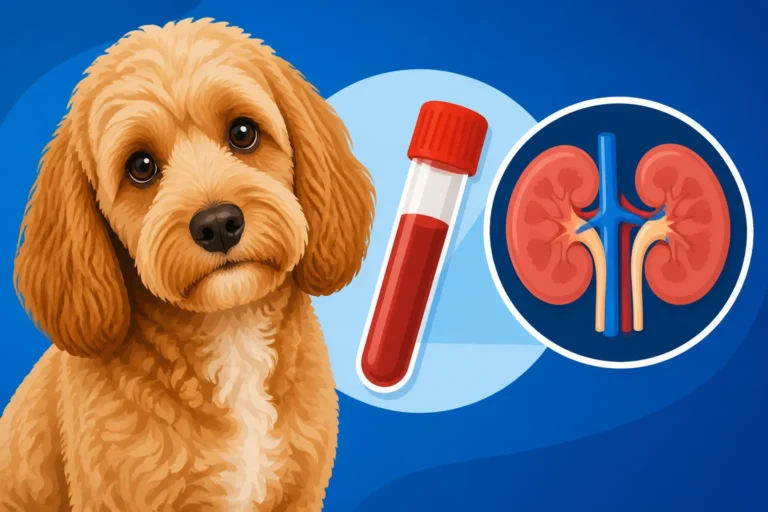
Familial Nephropathy (FN) is a devastating inherited kidney disease that predominantly affects Cocker Spaniels, especially English Cocker Spaniels, and by extension, Cockapoos. It's a progressive condition, meaning it gets worse over time, and sadly, it's often fatal. For a long time, FN was a silent threat, lurking in breeding lines without breeders even realizing it.
What FN Does to a Cockapoo
Imagine a young, vibrant Cockapoo, full of life, suddenly starting to show subtle signs of illness. That's often how FN manifests. The kidneys, which are vital for filtering waste from the blood, slowly lose their ability to function properly. This leads to a buildup of toxins in the body, causing a range of symptoms that can be easily mistaken for other ailments in their early stages.
The disease targets the glomeruli, the tiny filtering units within the kidneys. In affected dogs, these filters develop structural abnormalities, leading to excessive protein loss in the urine and, eventually, kidney failure. It’s a heartbreaking process to witness. You can get a deeper understanding of the specific physiological impacts by reading What Familial Nephropathy Does to a Cockapoo.
How FN is Inherited
FN is inherited in an autosomal recessive pattern. This means a puppy must inherit two copies of the defective gene—one from each parent—to be affected by the disease. Dogs that inherit only one copy are considered carriers; they won't typically show symptoms themselves, but they can pass the gene on to their offspring. This is why responsible breeding, and especially proper health testing, is so incredibly crucial. It’s a direct link from the Cocker Spaniel side of the Cockapoo, as outlined in Familial Nephropathy and the Kidneys a Cockapoo Can Inherit.
The Crucial Role of Genetic Testing
The good news, if there can be any in such a serious disease, is that a DNA test is available for FN. This test allows breeders to identify whether their breeding dogs are clear, carriers, or affected. By only breeding clear dogs, or by carefully breeding a carrier to a clear dog (never two carriers), breeders can prevent the birth of affected puppies. This highlights why asking for health certificates is so important; for example, you should always be Asking a Cockapoo Breeder for the FN Certificate.
The availability of this DNA test has been a game-changer. Before it, breeders were essentially breeding in the dark, and FN could strike unexpectedly, leaving families devastated and contributing to the belief that crossbreeds were inherently healthier, which isn't always true without diligent testing. The process of DNA testing is explained in detail in The FN DNA Test a Cockapoo Breeder Runs.
Health as a Central Pillar for Cockapoo Clubs Today
While FN might not have been the sole reason Cockapoo clubs initially formed, health concerns, including FN, have certainly become a central, undeniable pillar of their missions. As the understanding of canine genetics and inherited diseases grew, so did the imperative for these clubs to address them head-on.
Establishing Health Testing Recommendations
Modern Cockapoo clubs actively promote and, in some cases, require specific health screenings for breeding dogs. This isn't just about FN; it encompasses a range of potential issues inherited from both the Cocker Spaniel and Poodle lines. These often include:
- Eye Conditions: Progressive Retinal Atrophy (PRA), cataracts, and glaucoma.
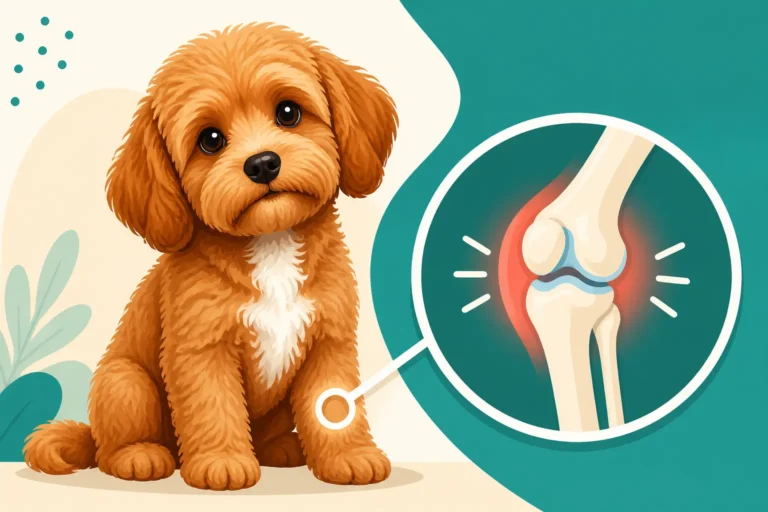
- Joint Issues: Patellar luxation (slipping kneecaps) and hip dysplasia.
- Blood Disorders: Von Willebrand's Disease (vWD).
- Endocrine Disorders: Addison's disease or hypothyroidism.
By recommending or mandating these tests, clubs aim to significantly reduce the incidence of these debilitating conditions in future generations. This directly impacts the quality of life for countless Cockapoos and provides peace of mind for prospective owners.
The Breeder's Responsibility and Club Accountability
When you’re looking for a puppy, the breeder’s commitment to health testing is paramount. Reputable breeders associated with these clubs will not only perform the recommended tests but will also be transparent about the results. They should be able to provide you with The Five Certificates a Cockapoo Breeder Should Show for their breeding dogs.
Some clubs have moved towards more stringent health requirements for puppies to be registered. This means that a puppy coming from a club-registered litter has a higher likelihood of having parents who underwent essential health screenings. This might also factor into What a Cockapoo Club Registered Puppy Costs, as responsible breeding practices and health testing add to the overall investment.
Here’s a snapshot of common health tests and why they’re crucial for Cockapoos:
| Health Condition | Parent Breed Origin (Primary) | Type of Test | Why It Matters |
|---|---|---|---|
| Familial Nephropathy | Cocker Spaniel | DNA Test | Prevents fatal kidney disease. |
| prcd-PRA | Poodle / Cocker Spaniel | DNA Test | Prevents progressive blindness. |
| Patellar Luxation | Poodle / Cocker Spaniel | Orthopedic Exam | Prevents painful knee issues, potential surgery. |
| Hip Dysplasia | Cocker Spaniel / Poodle | X-ray Evaluation (OFA/PennHIP) | Prevents painful hip arthritis and mobility issues. |
| Eye Certification | Cocker Spaniel / Poodle | Ophthalmologist Exam | Checks for various eye diseases like cataracts, glaucoma. |
| Von Willebrand's Disease | Poodle | DNA Test | Prevents severe bleeding disorders. |
This table illustrates the range of health considerations beyond just FN that responsible breeders and clubs address.
The Role of Pet Insurance
Even with diligent health testing, no dog is immune to all health issues, accidental injuries, or illnesses that develop later in life. This is where pet insurance becomes an invaluable tool for Cockapoo owners. Companies like Healthy Paws offer comprehensive plans that can cover unexpected veterinary costs, helping you provide the best possible care for your furry friend without financial strain. Having a good pet insurance policy, especially one that covers hereditary conditions if the policy is in place before diagnosis, can be a huge relief, enabling you to focus on your dog's well-being. It’s worth investigating if Whether a Cockapoo Guarantee Covers Familial Nephropathy is a concern for you, as pet insurance often picks up where breeder guarantees might end.
The Broader Impact of Club Formation on Cockapoo Well-being
Beyond specific health concerns like FN, the very act of forming breed clubs for Cockapoos has had a profound, holistic impact on their well-being. These organizations serve as crucial hubs for knowledge, advocacy, and community, all of which indirectly or directly contribute to healthier, happier dogs.
Elevating Breeding Standards
Before clubs existed, breeding Cockapoos was a free-for-all. Anyone could cross a Cocker Spaniel with a Poodle and call the offspring a Cockapoo. While many early breeders were undoubtedly well-intentioned, the lack of a collective standard meant a wide disparity in quality, temperament, and health outcomes. Clubs stepped in to provide guidelines, even if they aren't universally adopted or legally binding.
By encouraging practices like health testing, proper socialization of puppies, and thoughtful selection of breeding pairs, clubs elevate the overall standard of Cockapoo breeding. This naturally leads to healthier dogs, not just those free of FN, but dogs with sound temperaments and proper physical structure, too.
Education and Resources for Owners
New Cockapoo owners often arrive with many questions, and reputable clubs become a fantastic resource. They provide educational materials on everything from grooming specific coat types to understanding typical Cockapoo behavior and training needs. This knowledge empowers owners to provide optimal care, recognize potential health issues early, and build a stronger bond with their dogs. This includes information on the nuances of What Cockapoo Club of America Registration Costs and what it truly signifies for a puppy.
This supportive environment is particularly vital for a hybrid breed like the Cockapoo, where specific traits can be quite variable depending on the parentage. Owners learn how to manage the Cocker's innate desire to flush or the Poodle's intelligent, sometimes mischievous, nature.
A Path Towards Future Recognition and Health Improvements
For many involved in Cockapoo clubs, there's a long-term vision: the eventual recognition of the Cockapoo as a distinct breed by major kennel clubs. While this is a contentious and often slow process, it's driven by the belief that recognition could further improve the breed's health and consistency.
Formal recognition would typically involve even more rigorous health testing mandates, standardized pedigrees, and a greater emphasis on genetic diversity within a defined gene pool. This could certainly help to consolidate efforts to eradicate conditions like FN and other hereditary diseases. The question of Whether Recognition Would Improve Cockapoo Health is a complex one, but it’s a driving force for many dedicated club members. Regardless of formal recognition, the ongoing efforts of these clubs contribute significantly to the Cockapoo's health and longevity. It’s comforting to know that pet insurance options like Healthy Paws exist to support owners through any health challenges that might arise, whether from recognized breeds or beloved crossbreeds like the Cockapoo.
Disclaimer
This article is for general informational purposes only and does not constitute professional advice. Laws, prices and regulations vary by location and change over time. Consult a qualified professional for guidance on your specific situation.