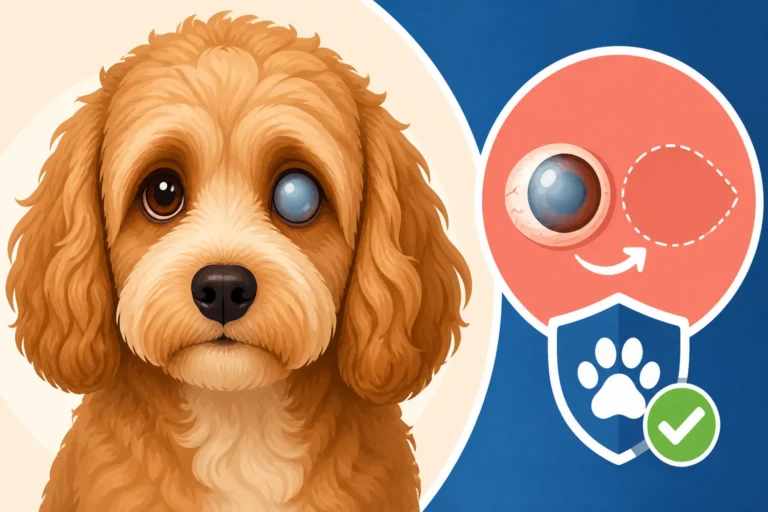
Whether a Carrier Cockapoo Ever Gets Sick
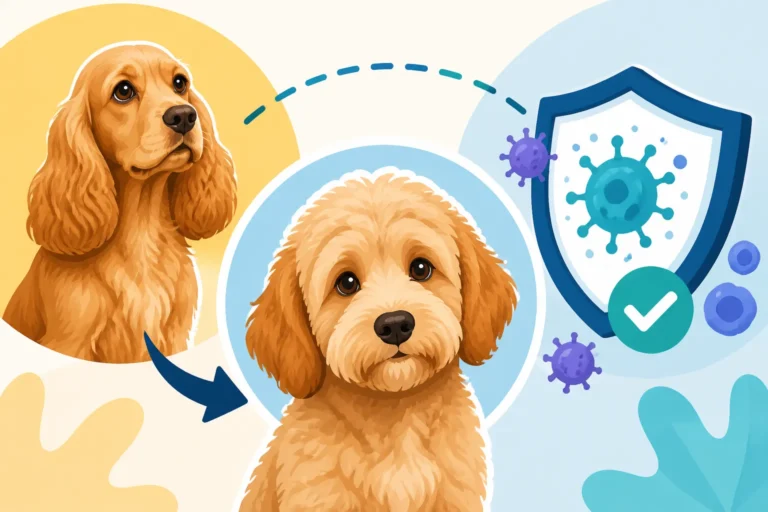
It's incredibly unsettling to receive genetic test results for your beloved Cockapoo and see the word "carrier," even if it’s not "affected." It immediately sparks a worry: does being a carrier mean your furry family member is destined to get sick, or that a hidden health issue is just waiting to emerge? It's a completely understandable concern, and it's time we dive deep into what being a genetic carrier truly signifies for your Cockapoo's health, separating fact from fear.
Unpacking the "Carrier" Label in Cockapoo Genetics
When you hear that your Cockapoo is a "carrier" for a genetic condition, it’s natural for alarm bells to ring. We’re so used to associating any mention of genetic issues with impending sickness or complications. But with recessive genetic conditions, the term "carrier" holds a very specific, and often reassuring, meaning.
What Being a Genetic Carrier Truly Means
To truly grasp what being a carrier means, we need a quick, simple refresher on how genetics work. Most of the inherited diseases we test for in Cockapoos are recessive. Think back to high school biology, specifically Mendelian genetics. For a recessive disease to manifest, your dog needs to inherit two copies of the faulty gene – one from each parent.
If your Cockapoo is labeled a "carrier," it means they have inherited one copy of a specific faulty gene, but they also have one normal, healthy copy of that same gene. This single healthy copy acts as a biological safeguard. It's perfectly capable of performing the necessary function, completely compensating for the faulty gene. Imagine you have a spare tire in your car. You're carrying the potential for a flat, but as long as your other three tires are solid, you're driving smoothly without any issues. Your Cockapoo's healthy gene is that solid tire, ensuring everything works as it should. They are healthy themselves, not sick, and will not become sick from simply being a carrier.
Common Genetic Conditions Where Cockapoos Can Be Carriers
Cockapoos, being a crossbreed of Cocker Spaniels and Poodles, can be carriers for a range of genetic conditions found in their parent breeds. Understanding these can help demystify the "carrier" label. Here are some of the most common ones that breeders test for:
- Familial Nephropathy (FN): This is a severe, early-onset kidney disease that typically affects Cocker Spaniels. An affected Cockapoo with two copies of the faulty gene would develop kidney failure at a young age, often before two years old. However, a carrier Cockapoo with one normal gene will have perfectly healthy kidneys. If you want to know more about this condition, read our post on What Familial Nephropathy Does to a Cockapoo.
- Progressive Retinal Atrophy (prcd-PRA): This group of genetic eye diseases causes the progressive degeneration of the retina, eventually leading to blindness. It's present in both Cocker Spaniels and Poodles. An affected Cockapoo would gradually lose their sight, often becoming night blind first, then fully blind. But a carrier Cockapoo will have normal, healthy vision their entire life. We have a detailed guide on Whether a prcd Carrier Cockapoo Ever Goes Blind.
- Phosphofructokinase (PFK) Deficiency: This condition, more common in Cocker Spaniels, affects the red blood cells' ability to produce energy, leading to exercise intolerance, muscle weakness, and sometimes anemia. An affected dog would struggle with physical activity and might show dark urine after exertion. A carrier Cockapoo, however, will have normal energy levels and no symptoms of the disease. For more on this, check out our article, What PFK Deficiency Does to a Cockapoo.
- Von Willebrand Disease (vWD): This is a common inherited bleeding disorder found in Poodles. An affected dog might experience excessive bleeding from minor cuts, nosebleeds, or prolonged bleeding after surgery. A carrier Cockapoo has normal blood clotting abilities and faces no increased risk of bleeding complications. This is crucial information, especially if you're ever considering surgery for your dog; even though carriers are healthy, vets always want to know about potential bleeding disorders.
In all these cases, the carrier status means your Cockapoo is healthy. The issues only arise if they inherit two copies of the problematic gene.
Why a Carrier Cockapoo Stays Healthy and Happy
This is the big question, isn't it? The core of your worry is whether that "carrier" status is a silent threat. Let me assure you, for the vast majority of recessive genetic conditions, a carrier Cockapoo will live a life indistinguishable from a Cockapoo that is "clear" of the gene entirely.
The Biological Safeguard: One Healthy Gene Copy
The magic, or rather, the science, lies in that single healthy gene copy your carrier Cockapoo possesses. Think of it like a recipe. If the recipe calls for two ingredients, and one of them is slightly off, but you have another copy of the recipe that has a perfect version of that ingredient, you'll still end up with a delicious meal. The good copy of the gene produces all the necessary proteins or enzymes that the body needs to function correctly.
Because the healthy gene copy is doing its job perfectly, there are no symptoms of the disease. Your carrier Cockapoo will not experience pain, discomfort, or any reduced quality of life due to their carrier status. Their lifespan will not be shortened, and they won't require special diets or medications related to that specific genetic condition. They will run, play, eat, and snuggle just like any other healthy Cockapoo. It’s a completely normal life for them.
Dispelling the Myth of the "Ticking Time Bomb"
Perhaps the most persistent fear associated with a carrier diagnosis is the idea that it's a "ticking time bomb"—that the disease will eventually develop, perhaps later in life. Let me be very clear: for purely recessive genetic conditions, this is a myth. A carrier Cockapoo does not "develop" the disease later. They either have the disease (if they inherited two faulty copies) or they don't (if they have at least one healthy copy). There is no progression from carrier status to affected status.
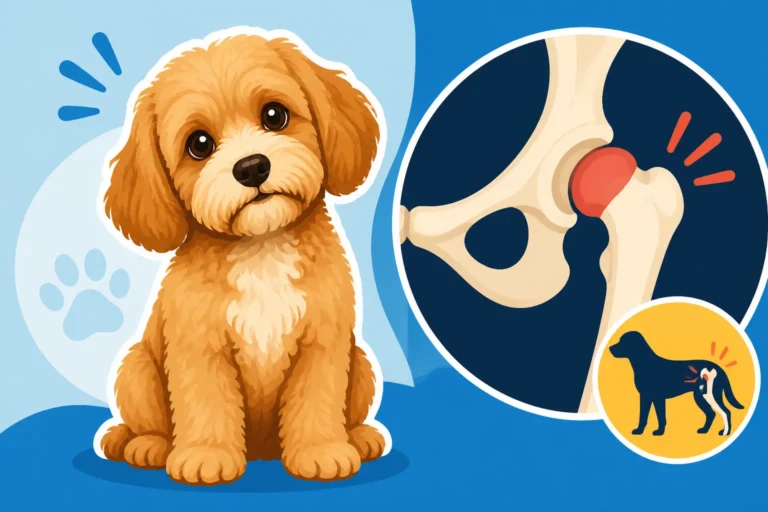
It's vital to distinguish this from other health issues that can manifest later in life, such as some forms of cancer, autoimmune diseases like A Cockapoo's Addison's and the Poodle Line or A Cockapoo's Autoimmune Anemia and the Cocker Line, or orthopedic problems like hip or elbow dysplasia. These conditions are often polygenic (influenced by multiple genes and environmental factors) or simply age-related, and they are entirely separate from being a carrier for a single recessive gene.
Your carrier Cockapoo needs the same excellent preventative care as any other dog: a high-quality diet, regular exercise, routine veterinary check-ups, and lots of love. Their genetic carrier status doesn't change these fundamental needs or increase their risk for other common ailments. You don't need to live in fear of the "what if" because when it comes to recessive genes, being a carrier means being healthy.
Living with a Carrier Cockapoo: Practicalities and Peace of Mind
So, if a carrier Cockapoo is healthy, what is the point of knowing their status? The answer primarily revolves around responsible breeding and, for you as a pet owner, maintaining peace of mind through proactive general wellness.
The Only True Implication: Responsible Breeding Decisions
For a pet owner who has no intention of breeding their Cockapoo, knowing their dog is a carrier is largely for informational purposes and offers peace of mind about their dog's current and future health. However, if you were considering breeding, the carrier status becomes critically important.
The risk of producing affected puppies arises only when two carriers are bred together. If both parents carry the same recessive gene, there's a 25% chance with each puppy that it will inherit two copies of the faulty gene and thus be affected by the disease. There's also a 50% chance it will be a carrier itself, and a 25% chance it will be completely clear.
This is why reputable breeders prioritize DNA testing for all their breeding dogs. They aim to avoid breeding two carriers together for the same condition. A responsible breeder will breed a carrier dog only with a "clear" mate. In such a pairing, while some puppies might still be carriers (50% chance), none will be affected by the disease. This is a cornerstone of ethical breeding practices, and it’s why it’s so important to ask a Cockapoo breeder for the FN certificate or other relevant health clearances for both parents.
Prioritizing Overall Wellness, Not Just Carrier Status
Since your carrier Cockapoo is inherently healthy, your focus should remain on their overall well-being, just as you would for any dog. Genetic testing offers valuable insights, but it doesn't replace the importance of good husbandry and regular veterinary care.
- Routine Veterinary Visits: Annual check-ups are paramount for detecting any potential health issues early, regardless of genetic status. Your vet will monitor for things like Heart Murmurs in an Aging Cockapoo, dental health, weight management, and any changes in behavior or physical condition.
- Nutrition and Exercise: A balanced, high-quality diet appropriate for your Cockapoo's age and size, coupled with adequate daily exercise, will keep them in top physical condition. This helps prevent obesity and supports joint health, which can be a concern for Cockapoos, especially smaller ones prone to conditions like Slipping Kneecaps in a Toy Cockapoo.
- Grooming and Hygiene: Cockapoos have diverse coats that require regular grooming to prevent matting and skin issues. Proper ear cleaning is also crucial, as their floppy ears can be prone to infections. These are everyday care considerations that aren't impacted by carrier status.
- Pet Insurance: While a carrier diagnosis doesn't mean your dog will get sick from that specific condition, unexpected accidents or illnesses can still happen to any dog. A robust pet insurance plan, from a reputable provider like Healthy Paws, can offer a crucial financial safety net. It helps cover the costs of emergency vet visits, surgeries, or treatments for unforeseen conditions, allowing you to focus on your dog's recovery without added financial stress. Many owners choose pet insurance, and a provider such as Healthy Paws can help cover the costs of routine care or unexpected veterinary needs, regardless of carrier status. A proactive approach to health, supported by understanding your dog's genetic profile and potentially a good insurance plan like those offered by Healthy Paws, allows you to enjoy your Cockapoo without unnecessary worry.
Deep Dive into Common Carrier Conditions for Cockapoos
Let's break down a few of the most common genetic conditions for which a Cockapoo might be a carrier, reinforcing why this status doesn't mean your dog is sick or will become sick.
Familial Nephropathy (FN) Carriers
Familial Nephropathy is a devastating kidney disease, particularly prevalent in English Cocker Spaniels and thus a concern for Cockapoos with English Cocker lineage. Affected puppies with two copies of the faulty gene develop kidney failure, typically showing symptoms such as excessive thirst, frequent urination, and lethargy, often tragically early in life. You can learn more about The Age Kidney Failure Appears in an Affected Cockapoo.
However, if your Cockapoo is an FN carrier, it means they inherited only one copy of the faulty gene and one healthy copy. This one healthy copy is completely sufficient to ensure their kidneys function normally. Your carrier Cockapoo will not develop FN, their kidneys will be perfectly healthy throughout their life, and they won't require any special dietary considerations or monitoring related to this condition. The only relevance of this carrier status is for breeding, to avoid pairing with another carrier.
Progressive Retinal Atrophy (prcd-PRA) Carriers
Progressive Retinal Atrophy (prcd-PRA) is a group of inherited eye diseases that lead to the degeneration of the light-sensing cells in the retina. It's a progressive condition, meaning vision loss worsens over time, eventually leading to complete blindness. This condition is found in many breeds, including Poodles and Cocker Spaniels.
For a Cockapoo to be affected by prcd-PRA and go blind, they must inherit two copies of the faulty gene. If your Cockapoo is a prcd-PRA carrier, they have one faulty gene and one healthy gene. This healthy gene ensures that their retinal cells develop and function normally. Your carrier Cockapoo will have perfect vision and will not develop prcd-PRA or go blind due to this genetic status. They do not need extra eye checks beyond what any Cockapoo needs, such as a Whether a Cockapoo Needs a Yearly CAER Exam. This is another condition where the carrier status is only relevant for breeding purposes.
Phosphofructokinase (PFK) Deficiency Carriers
PFK Deficiency is a metabolic disorder that affects how red blood cells produce energy, leading to a range of symptoms in affected dogs, including exercise intolerance, muscle cramps, and sometimes even hemolytic anemia, where red blood cells are destroyed. Episodes can be triggered by excitement, exercise, or even stress.
Thankfully, if your Cockapoo is a carrier for PFK Deficiency, they will not experience any of these debilitating symptoms. Their single healthy gene copy ensures that enough functional PFK enzyme is produced for their red blood cells to work efficiently. They will have normal stamina and energy levels, and you won't need to adjust their exercise routine or worry about them crashing after a fun play session. They are healthy and free from the effects of this disease.
Von Willebrand Disease (vWD) Carriers
Von Willebrand Disease (vWD) is the most common inherited bleeding disorder in dogs, affecting their blood's ability to clot properly. Dogs affected by vWD can experience prolonged bleeding from minor injuries, heavy bleeding during surgery, or spontaneous nosebleeds. There are different types of vWD, with Type I being the most common in Poodles.
A Cockapoo that is a carrier for vWD possesses one normal gene and one faulty gene, allowing their blood to clot perfectly fine. They produce enough of the von Willebrand factor (the protein essential for clotting) to avoid any bleeding issues. You won't notice any unusual bleeding or bruising in a carrier Cockapoo. Their carrier status does not increase their risk of bleeding during surgery, though it's always good practice for your vet to be aware of any carrier status. It's why a breeder will often provide certificates for conditions like vWD, giving you full transparency and peace of mind.
To further clarify the distinction, here's a table summarizing the key differences:
| Condition Status | Genetic Makeup | Symptoms Exhibited | Health Outlook | Breeding Implication |
|---|---|---|---|---|
| Clear | Two normal gene copies | None | Healthy, no risk of developing condition. | Can be bred with any dog without risk of affected pups. |
| Carrier | One normal, one faulty gene copy (recessive) | None | Healthy, no risk of developing condition. | Should only be bred with a "clear" mate to avoid affected pups. |
| Affected | Two faulty gene copies (recessive) | Symptoms of the disease | Will develop or has developed the condition. | Should not be bred. |
As you can see, the crucial takeaway is that a carrier Cockapoo is a healthy Cockapoo. Your dog's carrier status means they are safeguarding against the condition by carrying a healthy gene, not succumbing to it. Enjoy your wonderful companion, knowing they are healthy and well!
Disclaimer
The information provided in this article is for general informational purposes only and does not constitute veterinary advice. Always consult with a qualified veterinarian for any health concerns or before making any decisions about your pet's health or treatment. Genetic test results should be discussed thoroughly with your veterinarian and, if applicable, your breeder.