Whether FN Shows Before a Cockapoo Turns Two
Bringing a new Cockapoo puppy into your home is an incredibly exciting time, filled with dreams of long walks, cuddles on the sofa, and years of joyful companionship. However, it's also a period of immense responsibility, and for many, a nagging worry about potential inherited health conditions can cast a shadow. One of the most heartbreaking of these concerns is Familial Nephropathy (FN), a severe kidney disease that can strike young dogs. This guide will delve deep into understanding FN in Cockapoos, specifically addressing the difficult question of whether it typically manifests before your beloved pup even celebrates its second birthday.
Understanding Familial Nephropathy and Its Genetic Roots
Familial Nephropathy, often just called FN, is a truly devastating inherited kidney disease that can affect certain dog breeds, and tragically, English Cocker Spaniels are known carriers. Since Cockapoos are a cross between Cocker Spaniels (either American or English) and Poodles, this condition is a very real concern for our curly-coated companions. It's not just a generic kidney problem; it's a specific, genetically-linked defect in the kidneys that prevents them from filtering waste properly.
What Familial Nephropathy Actually Does to the Kidneys
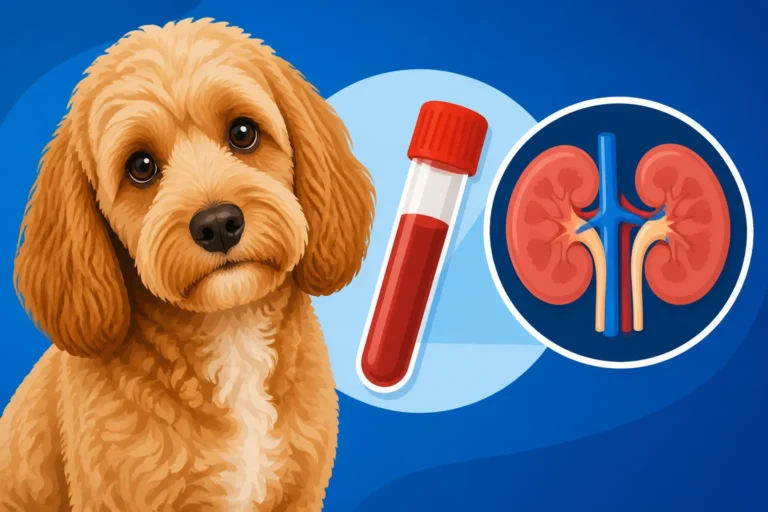
Imagine your kidneys as the ultimate filtration system, constantly cleaning your blood and removing toxins. In dogs affected by FN, there's a problem with the tiny filtering units within the kidneys, called glomeruli. These units are supposed to be like fine sieves, letting waste products pass through while keeping essential proteins in the blood. With FN, these sieves become leaky and eventually scarred, allowing vital proteins to escape into the urine. This isn't just about losing protein; it's a progressive breakdown of kidney function that ultimately leads to kidney failure. It’s a relentless disease, and once the damage starts, it unfortunately cannot be reversed. This is why understanding this condition is so critical for any Cockapoo owner. For a deeper dive into the mechanics, you can read more about What Familial Nephropathy Does to a Cockapoo.
How This Devastating Condition Is Inherited
FN is an autosomal recessive inherited disease. What does that mean for you and your Cockapoo? Well, it means a dog must inherit two copies of the faulty gene – one from each parent – to actually develop the disease. If a dog inherits only one copy of the faulty gene, it's considered a "carrier." Carriers themselves typically don't show any symptoms of FN because their one healthy gene is enough to compensate, but they can pass the faulty gene on to their offspring. This is why careful breeding practices are paramount. A common misconception is that FN only comes from the Cocker side, but for a Cockapoo to be affected, both parents must contribute the gene. If you're curious about the genetic pathways, we have a helpful guide on Why Two Carrier Parents Produce an Affected Cockapoo.
The Concerning Reality of Early Onset and Progression
One of the most heart-wrenching aspects of Familial Nephropathy is its tendency to strike early in a dog's life. Unlike some age-related kidney issues, FN often rears its head when a Cockapoo is still very much a puppy or a young adult, making the question "whether FN shows before a Cockapoo turns two" a painfully relevant one for prospective and current owners.
When Symptoms Typically Emerge in Young Cockapoos
While individual cases can vary, it is a sad reality that symptoms of FN commonly begin to manifest before a Cockapoo reaches two years of age. In some particularly severe cases, you might even see signs as early as six months to a year old. This early onset is part of what makes FN so devastating, as it robs dogs and their families of what should be their most vibrant, carefree years. You're expecting a playful, energetic puppy, not one battling a chronic, life-limiting illness. The severity of the symptoms and the speed of progression can differ, but the window of 6 months to 2 years is unfortunately a common period for the initial indicators to appear. It's truly a shock for owners who envisioned a long, healthy life for their young companion.
Spotting the Subtle Early Signs
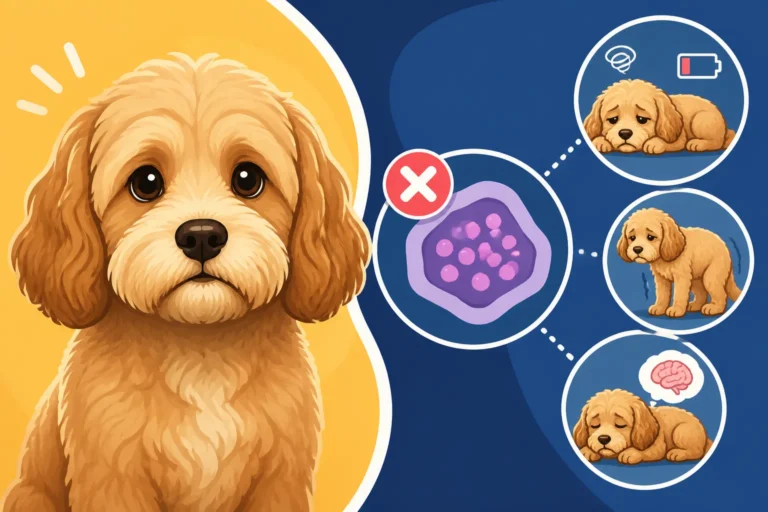
The early signs of FN can be frustratingly subtle and easily dismissed, especially in an active young Cockapoo. Owners might attribute a slight increase in thirst to more play or warmer weather, or a bit of lethargy to a growth spurt. However, recognizing these early indicators is crucial.
Here are some of the signs to watch out for in your young Cockapoo:
- Increased Thirst (Polydipsia): Your puppy might be drinking noticeably more water than usual, and their water bowl might empty faster. This is often one of the very first signs, as the kidneys struggle to conserve water. A continuous thirst is a big red flag, and if you notice Whether a Cockapoo Drinking Constantly Should Be Tested, it's time for a vet visit.
- Increased Urination (Polyuria): Correspondingly, with increased drinking comes increased urination. You might notice more frequent potty breaks, larger volumes of urine, or even accidents in the house from a previously house-trained pup.
- Lethargy and Reduced Energy: A young Cockapoo is typically a bundle of boundless energy. If your puppy seems unusually tired, less enthusiastic about play, or generally less active, it could be a sign something is amiss.
- Weight Loss and Poor Appetite: Despite eating, an affected Cockapoo might start losing weight. They might also show a decreased interest in food, which is always concerning for a growing pup. Sudden Whether Weight Loss in a Young Cockapoo Means Kidneys is a serious symptom that needs immediate investigation.
- Poor Coat Condition: The coat might lose its luster, appearing dull or unhealthy. While not a primary symptom, it can be a secondary indicator of underlying health issues.
- Vomiting and Diarrhea: As kidney function declines and toxins build up in the system, gastrointestinal upset can occur.
It's important to remember that these symptoms can also point to other, less severe issues. However, if you notice a combination of these, especially in a young dog, it absolutely warrants a conversation with your veterinarian. Being proactive is your best defense.
Why FN Is So Difficult to Catch Early
Part of the challenge with FN showing before two years old is that many of the initial symptoms are non-specific and can mimic other common puppy ailments or even normal puppy behavior. A puppy is naturally active, prone to growth spurts, and sometimes has a finicky appetite. Owners might not immediately jump to a severe kidney disease diagnosis. Furthermore, young dogs often have a remarkable ability to compensate for illness, masking symptoms until the disease is quite advanced. This makes a thorough veterinary check-up and specific testing all the more vital if you have any concerns. This is also why proactive breeder screening is indispensable – more on that later!
Diagnosing Familial Nephropathy in Young Dogs
When you’re facing concerns about a young Cockapoo, getting an accurate diagnosis for something as serious as Familial Nephropathy is paramount. It involves a combination of looking at their clinical signs, doing some standard lab work, and, crucially, utilizing genetic testing. You really can't cut corners here.
The Essential Diagnostic Steps
If your young Cockapoo is showing any of the signs we've discussed, your veterinarian will likely recommend a series of tests to investigate their kidney function. These tests are standard, but interpreting them correctly in a young, growing dog with potential FN can require a keen eye.
- Urinalysis: This is a basic but incredibly important test. Your vet will check for things like protein in the urine (proteinuria), which is a hallmark of FN. Healthy kidneys should hold onto protein, so its presence in significant amounts is a red flag. They'll also look at the urine's specific gravity, which indicates how well the kidneys are concentrating urine. Dilute urine, even when the dog hasn't been excessively drinking, can suggest kidney issues.
- Bloodwork: A full blood panel, particularly focusing on kidney values like BUN (Blood Urea Nitrogen) and Creatinine, is critical. In advanced kidney disease, these levels will be elevated. However, in early stages of FN, especially in young dogs, these values might still be within the normal range or only slightly elevated because the kidneys have significant reserve capacity. This is why relying solely on BUN and Creatinine can be misleading in the early phase of FN. More sensitive indicators like SDMA (Symmetric Dimethylarginine) can detect kidney disease earlier, sometimes even before the BUN and Creatinine rise. Knowing The Bloodwork That Catches a Cockapoo's Kidney Disease is truly empowering for owners.
- Blood Pressure Measurement: High blood pressure can both be a cause and a consequence of kidney disease, so it's often checked.
- Imaging (Ultrasound): An ultrasound of the kidneys can reveal changes in kidney size, shape, and internal structure. While not diagnostic for FN itself, it helps rule out other causes of kidney problems and can show the progressive scarring associated with FN.
It's a difficult journey, but getting these tests done is the first step towards understanding what's truly going on with your precious pup.
The Definitive Role of Genetic Testing
While clinical signs and routine blood and urine tests can strongly suggest kidney disease, only a DNA test can definitively diagnose Familial Nephropathy. There's a specific genetic test available that identifies the mutation responsible for FN in English Cocker Spaniels.
- How it works: A small sample (usually a cheek swab or blood sample) is sent to a specialized laboratory. The test screens for the presence of the FN gene mutation.
- Results: The results will typically categorize your dog as "Clear" (no copies of the mutation), "Carrier" (one copy of the mutation, generally unaffected but can pass it on), or "Affected" (two copies of the mutation, meaning they have or will develop the disease).
- Why it's crucial for young, symptomatic dogs: If your young Cockapoo is showing signs of kidney disease, a positive "Affected" result from an FN DNA test confirms the diagnosis. This eliminates guesswork and allows for specific management strategies. Many reputable labs, such as Paw Print Genetics, offer these panels. You can learn more about The FN DNA Test a Cockapoo Breeder Runs.
What If My Cockapoo is a Carrier?
If your Cockapoo is tested and found to be a carrier, it means they inherited one copy of the faulty gene. As mentioned, carriers are typically healthy and do not develop FN themselves. However, if a carrier is bred with another carrier, some of their offspring will be affected. This is why responsible breeders are so diligent about testing their breeding stock. Whether a Carrier Cockapoo Ever Gets Sick is a common concern for owners, but generally, carriers live full, healthy lives.
| Diagnostic Test | What it Checks For | Why it's Important for FN |
|---|---|---|
| Urinalysis | Protein in urine, urine concentration | Early sign of kidney damage (proteinuria) |
| Blood Chemistry | BUN, Creatinine, SDMA | Kidney function indicators |
| Blood Pressure | Hypertension | Can accompany kidney disease |
| Kidney Ultrasound | Kidney structure, size, signs of scarring | Rules out other issues, shows damage |
| DNA Test (FN Panel) | Presence of the specific FN gene mutation | Definitive diagnosis |
Managing an FN-Affected Young Cockapoo
Receiving a diagnosis of Familial Nephropathy for your young Cockapoo is undeniably devastating. There's no sugarcoating it; this is a progressive, terminal disease. However, a diagnosis isn't an immediate end. Instead, it shifts the focus to providing the best possible quality of life through diligent management and supportive care.
The Reality of Treatment: No Cure, Only Management
It's important to understand upfront that there is no cure for Familial Nephropathy. The genetic defect causes irreversible damage to the kidneys. The goal of treatment is to slow the progression of the disease, manage symptoms, and improve your dog's comfort and quality of life for as long as possible. This often means a multifaceted approach, tailored to your individual dog's needs and the stage of their disease. Many owners ask Whether an Affected Cockapoo Can Be Treated, and the answer is yes, but it's about supportive care, not a cure.
Key Aspects of Supportive Care
Managing an FN-affected Cockapoo, especially a young one, requires dedication and close collaboration with your veterinarian.
-
Specialized Renal Diet: Diet plays a massive role in kidney disease management. Your vet will likely recommend a prescription renal diet. These diets are typically:
- Lower in Protein: To reduce the workload on the kidneys and minimize the buildup of nitrogenous waste products.
- Low in Phosphorus: High phosphorus levels can be very detrimental to kidneys and can cause further damage.
- Supplemented with Omega-3 Fatty Acids: These have anti-inflammatory properties that can be beneficial for kidney health.
- Higher in B Vitamins: These are often lost in the urine due to kidney dysfunction.
Transitioning a young, sometimes picky, dog to a new diet can be challenging, but it's one of the most effective ways to support their kidneys. Many commercial brands, like Royal Canin or Hill's Prescription Diet, offer excellent renal formulas. Knowing What a Kidney Diet Costs a Cockapoo Owner is also an important financial consideration.
-
Fluid Therapy: As kidneys lose their ability to concentrate urine, dogs with FN often become dehydrated. Your vet might recommend subcutaneous (under the skin) fluid therapy, which you can often administer at home. This helps to flush toxins and maintain hydration, making your dog feel much better.
-
Medications to Manage Symptoms:
- Blood Pressure Medication: Hypertension is common with kidney disease and needs to be controlled to protect the kidneys and other organs.
- Anti-Nausea Medications: To combat vomiting and help improve appetite.
- Phosphate Binders: If dietary restrictions aren't enough, these medications help bind excess phosphorus in the gut, preventing its absorption.
- Erythropoietin (EPO): Kidney disease can lead to anemia because the kidneys produce a hormone that stimulates red blood cell production. EPO injections can help correct this.
-
Regular Veterinary Monitoring: Your vet will want to see your Cockapoo frequently for bloodwork and urinalysis to monitor kidney function, adjust medications, and track progression. This can be as often as every few weeks initially, then every 1-3 months once stable.
The Emotional and Financial Toll
Caring for a young dog with FN is incredibly tough, both emotionally and financially. Watching your vibrant puppy gradually succumb to a terminal illness is heartbreaking. The treatments, specialized diets, and frequent vet visits can also add up quickly. This is where pet insurance can be a lifeline. Companies like Healthy Paws offer comprehensive plans that, if taken out before a diagnosis, can significantly alleviate the financial burden of managing a chronic condition like FN. Without insurance, the costs associated with ongoing care, including bloodwork, medication, and specialized food, can easily run into thousands of dollars annually. It's truly something to consider seriously when you first bring a puppy home.
Prognosis and Quality of Life
The prognosis for Cockapoos affected by FN, especially those diagnosed young, is unfortunately guarded. The disease is progressive, and kidney function will continue to decline. With diligent management, some dogs can maintain a good quality of life for months or even a couple of years. However, the lifespan is often significantly shortened. It's a difficult conversation to have with your vet, but understanding your dog's likely trajectory is important for making informed decisions about their care and, eventually, their comfort. You might also want to research How Long an FN Affected Cockapoo Lives to prepare yourself.
Preventing FN: The Non-Negotiable Role of Responsible Breeding
While managing FN is crucial once diagnosed, the real fight against this devastating disease lies in prevention. And for that, we turn to the breeders. As a prospective Cockapoo owner, understanding and demanding responsible breeding practices is your most powerful tool.
The Power of Genetic Screening for Breeding Dogs
Because Familial Nephropathy is an inherited condition with a known genetic marker, breeders have the ability, and indeed the responsibility, to screen their breeding dogs. Both the Cocker Spaniel and Poodle parents used to create a Cockapoo should be DNA tested for FN.
- Clearance is Key: A responsible breeder will ensure that at least one, and ideally both, parent dogs are "Clear" of the FN gene. If one parent is a carrier, the other absolutely must be clear to ensure no puppies are "Affected." If a breeder knowingly breeds two carriers, they are deliberately risking producing affected puppies. This is why it’s so critical to understand Whether a Breeder Must Test Both Cockapoo Parents.
- No Affected Puppies: When at least one parent is clear, you can be guaranteed that none of the puppies will be genetically "Affected" by FN. They might be carriers if one parent was a carrier, but they won't develop the disease.
- The F1 Generation and FN: Even in a first-generation (F1) Cockapoo, where one parent is a purebred Cocker Spaniel and the other a purebred Poodle, FN is a risk if the Cocker parent carries the gene. Some might mistakenly think F1 crosses are automatically healthier, but this isn't always the case, particularly with specific genetic conditions. It’s worth exploring Whether an F1 Cockapoo Can Be Affected by FN.
What to Ask and Demand from Your Breeder
When you're looking for a Cockapoo puppy, your questions about health screening should be robust and non-negotiable. Don't be shy about asking for proof.
- Ask for Genetic Health Certificates: A reputable breeder will have genetic health certificates for both parent dogs, demonstrating they have been screened for FN (and other relevant conditions like PRA for the eyes and vWD for clotting disorders). These certificates should clearly state the results (Clear, Carrier, or Affected) for each condition. You should definitely be Asking a Cockapoo Breeder for the FN Certificate.
- Understand the Generations: While FN isn't directly tied to a specific generation (F1, F1b, Multigen), understanding the parents' health status is always paramount, regardless of generation.
- Visit the Breeder and See the Parents: A good breeder will welcome visits and be transparent about their breeding program. Meeting the mother (and sometimes the father) gives you insight into their temperament and general health.
- Inquire About Health Guarantees: Reputable breeders often provide a health guarantee in their contract, usually covering genetic diseases for a certain period. Read this carefully to understand what it covers and for how long.
The Role of Registries and Clubs
While Cockapoos aren't recognized by major kennel clubs like the AKC, there are Cockapoo-specific clubs, such as the Cockapoo Club of America (CCA) and the American Cockapoo Club (ACC). These clubs often advocate for responsible breeding practices, including health testing. While membership doesn't automatically guarantee a perfect breeder, it often signals a commitment to ethical standards beyond simply selling puppies. When these clubs promote health testing, they help to raise the bar for the breed.
Ultimately, your best defense against the heartbreak of FN, and the question of whether it shows before your Cockapoo turns two, is to choose a breeder who prioritizes genetic health testing above all else. This proactive step helps ensure that the future of this wonderful crossbreed is as healthy and happy as possible.
Disclaimer
The information provided in this article is for educational purposes only and is not intended to be a substitute for professional veterinary advice, diagnosis, or treatment. Always seek the advice of your veterinarian or other qualified health provider with any questions you may have regarding a medical condition.