Whether Adenitis Reaches a Cockapoo From the Poodle
It’s truly disheartening when you bring a Cockapoo into your home, full of dreams for a healthy, happy companion, only to realize that inherited conditions can cast a shadow. One such concern that often surfaces, especially given the Poodle lineage, is Sebaceous Adenitis (SA). It's a tricky skin condition that can cause a lot of discomfort and worry for owners. This comprehensive guide will peel back the layers on Sebaceous Adenitis, exploring its Poodle origins, how it might present in your beloved Cockapoo, and how dedicated care can still ensure a good quality of life.
Understanding Sebaceous Adenitis in Dogs
When we talk about inherited health issues, skin conditions are often overlooked, but they can be incredibly frustrating for both dogs and their families. Sebaceous Adenitis, or SA, is one of those conditions that really highlight the complexities of canine genetics. It's not just a minor skin irritation; it's a chronic, progressive disease that demands understanding and commitment.
What Exactly Is Sebaceous Adenitis?
At its core, Sebaceous Adenitis is an inflammatory disease that specifically targets and ultimately destroys the sebaceous glands in a dog's skin. These tiny glands are usually tucked away in the dermis, right next to hair follicles, and their job is crucial: they produce sebum, a natural, oily secretion that helps keep the skin hydrated and supple, and the coat shiny and healthy. Think of sebum as your dog’s built-in conditioner and protective barrier.
When SA strikes, for reasons still not fully understood but believed to be immune-mediated and hereditary, these vital glands become inflamed. Over time, this inflammation leads to their gradual destruction. Without healthy sebaceous glands producing sebum, the skin can no longer properly moisturize itself, leading to a cascade of problems. The coat becomes dry and brittle, the skin flakes, and protective barriers weaken, making the dog vulnerable to secondary infections. It’s a frustrating cycle for everyone involved, watching your dog lose its lustrous coat and suffer from constant discomfort.
Recognizing the Early Signs and Symptoms
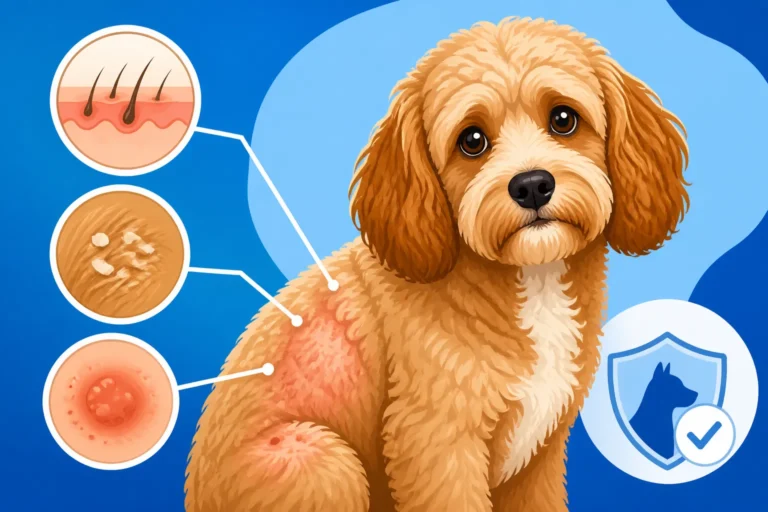
Catching Sebaceous Adenitis early can make a real difference in managing its progression, though it’s often subtle in its initial presentation. Many owners first notice a dullness to their Cockapoo’s normally vibrant coat. The hair might start to feel brittle, almost straw-like, and you might see an increase in what looks like ordinary dandruff or dry, scaly patches, particularly along the back, ears, and the top of the head. Sometimes, the tail might also show signs of thinning or a poor quality coat.
As the disease progresses, the symptoms tend to become more pronounced and symmetrical. You might observe significant hair loss, known as alopecia, which can appear patchy or widespread. The skin beneath can become thickened, discolored (often darker or redder), and excessively flaky. The loss of sebum also leaves the skin vulnerable to secondary bacterial or yeast infections, which can lead to intense itching, discomfort, and a distinctive, often unpleasant odor. It’s a challenging condition to distinguish from other common skin ailments like allergies, hypothyroidism, or even just dry winter skin, which is why a proper veterinary diagnosis is absolutely essential to avoid misdirected treatments and prolonged suffering. For other skin concerns, it’s helpful to understand the broader context of Skin and Coat Disease in a Cockapoo.
The Poodle Connection to Sebaceous Adenitis
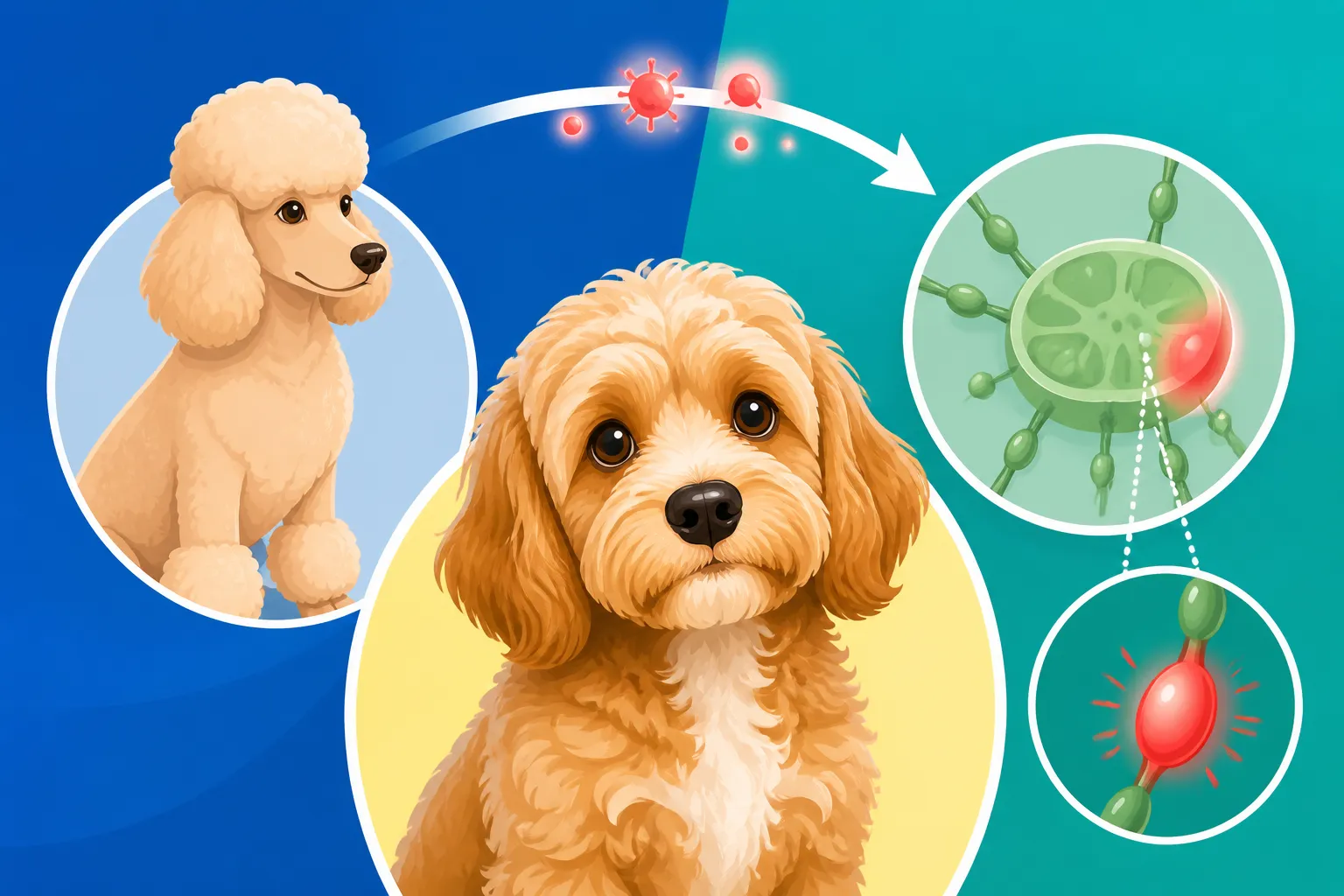
When we talk about Cockapoos, we're discussing a wonderful hybrid that draws traits from both the Cocker Spaniel and the Poodle. While both parent breeds contribute to the Cockapoo’s overall health profile, the Poodle side, particularly the Standard Poodle, is where the concern for Sebaceous Adenitis largely originates. Understanding this connection is key for any prospective or current Cockapoo owner.
Prevalence in Standard Poodles
Standard Poodles, with their elegant conformation and intelligent nature, are unfortunately one of the breeds most frequently and severely affected by Sebaceous Adenitis. This isn't just a casual observation; it's a well-documented genetic predisposition within the breed, recognized by veterinary dermatologists and Poodle enthusiasts alike. While SA can appear in various breeds, including Akitas, Samoyeds, and Havanese, the Standard Poodle often stands out due to the higher incidence and, sometimes, the more severe manifestation of the disease.
For dedicated Poodle breeders, screening for SA has become a critical part of their health protocols. They understand the impact this condition can have on a dog's quality of life and the heartache it causes for owners. This proactive approach in the purebred Poodle community serves as a vital reminder for Cockapoo breeders and owners to be equally vigilant, as the genetic thread that carries SA can undeniably be passed down.
How Genes Play a Role in Inheritance
The exact genetic mechanism behind Sebaceous Adenitis is complex and not fully understood, but it's largely believed to be an autosomal recessive trait, or possibly polygenic, meaning multiple genes might be involved. What does this mean in practical terms for dog owners? In a classic autosomal recessive scenario, a dog needs to inherit two copies of the "affected" gene—one from each parent—to develop the disease. Dogs that inherit only one copy are considered carriers; they won't typically show symptoms themselves but can pass the gene on to their offspring.
This mode of inheritance is particularly tricky because healthy-looking carrier parents can unknowingly produce affected puppies. This is why thorough health testing and understanding the lineage of both parents is so critical. While genetic testing for SA isn't as straightforward as some other conditions (like the DNA test that clears a Cockapoo of PFK), responsible Poodle breeders work diligently to identify and remove affected and carrier dogs from their breeding programs through careful pedigree analysis and, often, skin biopsies of potential breeding stock. The more we understand about these genetic links, the better we can protect our beloved companions.
Tracing SA in Cockapoos: The Poodle Influence
Many people adopt a mixed breed like a Cockapoo hoping to bypass some of the genetic health issues seen in purebred dogs, often citing "hybrid vigor." While mixed breeds can sometimes be heartier in certain respects, it's a misconception to think they are immune to inherited conditions. When it comes to Sebaceous Adenitis, the Poodle parentage in a Cockapoo means the potential for this condition absolutely exists.
The Reality of Mixed Breed Inheritance
The concept of "hybrid vigor," or heterosis, suggests that crossing two different purebreds can lead to healthier offspring by increasing genetic diversity and reducing the likelihood of inheriting two copies of a harmful recessive gene. And, to an extent, this can be true for some conditions. However, it's not a magic shield against all genetic diseases. A Cockapoo inherits 50% of its genetic material from its Cocker Spaniel parent and 50% from its Poodle parent. If either parent carries a gene for a specific condition, that gene can very well be passed down to the Cockapoo puppy.
For conditions like Sebaceous Adenitis, which has a strong presence in the Poodle gene pool, a Cockapoo puppy remains at risk if its Poodle parent either carries the gene or is themselves affected. The hope of "diluting" the risk often doesn't fully account for the direct inheritance of specific genes from a parent known to carry them. While the overall incidence of SA in Cockapoos might be lower than in purebred Standard Poodles due to the outcrossing, the genetic potential for the disease is still very much alive and well.
Why Cockapoos Can Still Inherit SA
Given that one side of the Cockapoo's lineage is a Poodle, the genetic blueprint for Sebaceous Adenitis is undeniably present in the hybrid's ancestral background. If a Cockapoo's Poodle parent has Sebaceous Adenitis or is a carrier for the condition, that Cockapoo puppy has a definite chance of inheriting the genes that could lead to developing SA, or becoming a carrier themselves. This is true whether the Poodle parent is a Standard, Miniature, or Toy Poodle, as SA has been observed across all sizes, though Standard Poodles are most commonly cited.
This makes the health history of the Poodle parent absolutely critical when considering a Cockapoo puppy. A responsible breeder will be transparent about the health screenings of both parent dogs, including any history of SA in their Poodle lines. Simply because a dog is a mixed breed does not mean it bypasses the need for careful health considerations. It really underlines the importance of parent testing for all potential inherited conditions, much like the discussion around Whether Both Cockapoo Parents Must Be prcd-PRA Clear for eye health. Without this due diligence, you might unwittingly bring home a puppy predisposed to a challenging, lifelong condition.
Diagnosing and Managing Sebaceous Adenitis in Your Cockapoo
When you start noticing concerning changes in your Cockapoo's skin or coat, it's natural to feel a knot of worry in your stomach. Diagnosing Sebaceous Adenitis can be a journey, as its symptoms often mimic other, more common skin ailments. However, reaching a definitive diagnosis is the crucial first step toward effective management and ensuring your beloved companion's comfort.
The Diagnostic Process: From Vet Visit to Biopsy
Your first step, naturally, is a visit to your trusted veterinarian. They'll start with a thorough physical examination, paying close attention to your Cockapoo's skin and coat. It's common for vets to initially rule out other prevalent skin issues that share similar symptoms. This might involve skin scrapes to check for parasites like mites, fungal cultures to identify ringworm, or blood tests to screen for hormonal imbalances such as hypothyroidism, which can also cause hair loss and skin problems. Your vet might also discuss allergies, as these can lead to persistent itching and secondary infections that complicate the clinical picture.
However, the definitive diagnosis for Sebaceous Adenitis almost always requires a skin biopsy. This involves taking small tissue samples from several affected areas of your Cockapoo's skin, usually under sedation or local anesthetic. These samples are then sent to a specialized veterinary pathologist who examines them under a microscope. What they look for is the characteristic inflammation and destruction of the sebaceous glands, confirming whether SA is indeed the culprit. This step is vital because without it, you could be treating the wrong condition, delaying proper care and potentially prolonging your Cockapoo's discomfort.
Treatment Options and Long-Term Care
Once a diagnosis of Sebaceous Adenitis is confirmed, it's important to understand that there isn't a cure, but it is absolutely a manageable condition. The goal of treatment is to control the inflammation, restore skin and coat health as much as possible, and prevent secondary infections. This is typically a lifelong commitment, requiring patience and consistency.
Treatment regimens often combine topical and oral therapies. Topically, your vet might recommend specialized medicated shampoos, often containing ingredients like salicylic acid or benzoyl peroxide, to help remove scales and flush out follicles. These are usually followed by moisturizing conditioners or emollients to rehydrate the skin. Regular bathing, sometimes weekly or bi-weekly, is critical to loosen and remove the scales and keep the skin barrier healthy. In addition to baths, sprays and spot treatments can help address specific dry or flaky areas.
Orally, medications can play a significant role. Immunosuppressants like cyclosporine are frequently prescribed to modulate the immune response that is attacking the sebaceous glands. Fatty acid supplements, particularly omega-3s, and high doses of Vitamin A, can also be beneficial in improving skin health and reducing inflammation. Should secondary bacterial or yeast infections arise (which are very common with compromised skin), antibiotics or antifungals will be prescribed. It’s a multi-faceted approach, and the costs associated with chronic conditions like SA can add up. This is where having comprehensive pet insurance, such as a plan from providers like Healthy Paws, can be an absolute lifesaver, helping to manage the ongoing veterinary expenses, medications, and specialized grooming products needed for long-term care.
Here’s a look at common symptoms of SA and how they evolve:
| Symptom Category | Early Signs of Sebaceous Adenitis | Advanced Signs of Sebaceous Adenitis |
|---|---|---|
| Coat Appearance | Dull, dry, brittle, sparse hair | Significant, often symmetrical, hair loss (alopecia), matted fur (due to scales) |
| Skin Condition | Fine, white to silvery scales/dandruff, dry patches, mild redness | Thickened skin, hyperpigmentation (darkening), crusting, fissures, severe redness |
| Skin Texture | Rough to the touch, easily flaky | Greasy feel (secondary infection), waxy buildup, uneven texture |
| Behavioral Changes | Increased scratching, rubbing, general discomfort | Persistent itching, lethargy, irritability due to discomfort, foul odor from infections |
| Affected Areas | Head (especially ears), back, neck, tail base | Widespread, can include trunk, limbs, and even face |
Breeding Responsibly to Reduce Risk
The best defense against inherited conditions like Sebaceous Adenitis in Cockapoos is responsible breeding practices. While it might feel overwhelming to navigate the health testing landscape, understanding what to look for in a breeder can make all the difference in bringing home a healthier puppy.
The Importance of Parent Testing
For some genetic conditions, like Progressive Retinal Atrophy (PRA), there's a straightforward DNA test. We often discuss Whether Both Cockapoo Parents Must Be prcd-PRA Clear as a non-negotiable for responsible breeding. Unfortunately, for Sebaceous Adenitis, a simple "yes/no" DNA test isn't widely available or fully comprehensive for all breeds yet. However, this doesn't mean responsible breeders are without tools.
In Poodle lines, where SA is a recognized concern, ethical breeders often screen their breeding dogs through skin biopsies. These biopsies are typically performed when the dog is between 2 and 4 years of age, as symptoms often manifest within this timeframe. A veterinary dermatologist evaluates the biopsy results to determine if a potential breeding dog is affected or shows signs of the condition. While this isn't a perfect system for identifying carriers, it's the most reliable method currently available to help prevent passing the condition to offspring. A reputable breeder will be completely transparent about any history of SA in their Poodle lines and will share any screening results they have. If they can’t or won’t provide this information, it’s a significant red flag.
Finding a Reputable Cockapoo Breeder
Finding a truly reputable Cockapoo breeder requires diligence and asking the right questions. A good breeder isn't just selling puppies; they're passionate about the health and well-being of their dogs and the breed as a whole. They will be keen to ask you questions about your lifestyle and experience, ensuring their puppies go to suitable homes. Crucially, they should also allow you to visit their facility, meet the parent dogs (especially the mother), and be completely open about health clearances.
When it comes to SA, specifically ask about the health history of the Poodle parent. Inquire if they have had skin biopsies for SA, or if there's any incidence of the condition in their Poodle's lineage. A top-notch breeder will readily provide health certificates for both the Cocker Spaniel and Poodle parents, covering conditions like eye diseases, hip and elbow dysplasia, and genetic diseases common to both breeds. This level of transparency and proactive health management is a hallmark of quality. While a What a Cockapoo Club Registered Puppy Costs might be higher from such breeders, that price often reflects the significant investment they make in health testing and responsible breeding practices, which ultimately saves you heartache and potentially substantial vet bills down the line. Look for breeders who openly discuss The Five Certificates a Cockapoo Breeder Should Show as proof of their commitment.
Living with a Cockapoo Affected by Sebaceous Adenitis
Discovering your Cockapoo has Sebaceous Adenitis can feel like a heavy burden. It’s a chronic condition that requires dedication and ongoing care, but it’s absolutely possible for an affected Cockapoo to live a happy, fulfilling life. It simply means adjusting your routine and committing to their specialized needs.
Daily Grooming and Skincare Routines
Living with a Cockapoo affected by Sebaceous Adenitis means adopting a consistent and sometimes demanding grooming and skincare routine. This isn't just about aesthetics; it's fundamental to managing the disease and preventing discomfort and secondary infections. Regular bathing, often weekly or bi-weekly, with specific medicated shampoos and rich conditioners, becomes a cornerstone of care. These products help to loosen and remove the scales, rehydrate the skin, and keep the follicles clear.
After bathing, thoroughly rinsing and then applying leave-in conditioners or moisturizing sprays is crucial. Brushing, using soft brushes and combs, also needs to be a daily ritual to help distribute natural oils (or applied moisturizers) and to prevent mats from forming on compromised skin. The type of coat your Cockapoo has can significantly impact this routine; for example, a tightly curled coat, as discussed in The Three Cockapoo Coat Types and Their Upkeep, might require even more meticulous attention to prevent matting and ensure products reach the skin. This routine demands patience and consistency, but it makes a world of difference in keeping your dog comfortable and reducing flare-ups.
Supporting Your Dog's Overall Well-being
Beyond the physical care, supporting your Cockapoo’s overall well-being is paramount. A dog dealing with chronic itching, discomfort, or frequent veterinary visits can experience stress, so creating a calm and loving environment is essential. Stick to a consistent schedule, provide plenty of comfortable resting spots, and ensure they feel secure and loved. Regular, gentle exercise that doesn't exacerbate skin irritation can also contribute to their mental and physical health.
Ongoing veterinary oversight is non-negotiable. Regular check-ups allow your vet to monitor the condition's progression, adjust medications as needed, and address any secondary infections promptly. Discuss nutritional support with your vet; supplements like omega fatty acids can be hugely beneficial for skin barrier health, and some dogs might benefit from specific diets. It's a journey, and having a good relationship with your veterinary team is key. Remember, while Sebaceous Adenitis presents challenges, with dedicated care and a supportive home, many Cockapoos live long and happy lives, often reaching their full potential of The Fourteen to Eighteen Years a Cockapoo Lives. The financial aspect of managing a chronic condition is real, and it’s important to acknowledge that pet insurance providers like Healthy Paws can be incredibly helpful in alleviating some of that financial pressure, allowing you to focus on giving your dog the best possible care without constant worry about escalating costs.
Disclaimer
This article is for general informational purposes only and does not constitute professional advice. Laws, prices and regulations vary by location and change over time. Consult a qualified professional for guidance on your specific situation.