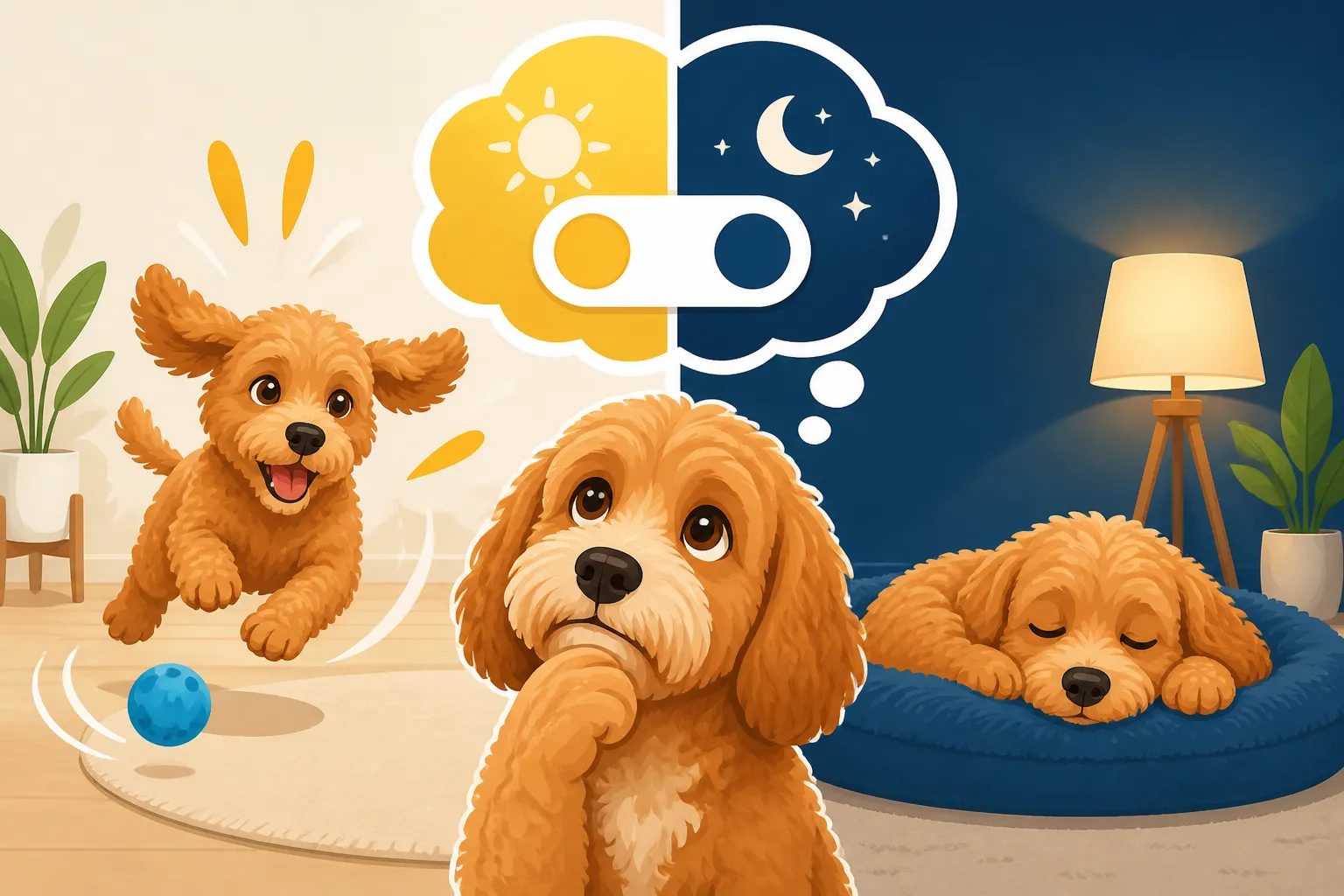
Whether a Cockapoo Ever Switches Off Indoors
Bringing a new Cockapoo puppy home, or even adopting an adult, often comes with visions of a cuddly companion happily napping at your feet. But the reality can sometimes be a whirlwind of constant motion, curious investigations, and an energy level that makes you wonder if your sweet dog ever truly settles down indoors. This guide is here to unravel the truth about Cockapoo energy, exploring why some seem to have an inexhaustible battery and offering practical, empathetic strategies to help your beloved companion find their "off switch" inside the home.
The Cockapoo's Innate Drive: Why "Off Switch" Can Be Elusive
It's easy to look at a Cockapoo's adorable face and assume they're just naturally mellow, but their genetic makeup tells a different story. Both sides of their lineage contribute to an intelligent, active, and often busy disposition that needs careful management to truly settle indoors.
The Cocker Spaniel's Hunting Heritage
Let's start with the Cocker Spaniel, whether American or English. These dogs were bred for specific, demanding jobs in the field. They are flushing dogs, meaning their historical role was to burst into dense cover, startling birds into flight for hunters. This requires an incredible amount of stamina, a keen nose, and an insatiable desire to explore and work. They weren't meant to sit idly; they were meant to be on the move, investigating every rustle and scent.
This strong instinct doesn't just vanish when they become a beloved house pet. Many Cockapoos inherit that deep-seated drive to "flush" and explore. You might see it in their tendency to zig-zag across the yard, nose to the ground, or their sudden bursts of energy when a leaf blows by. This isn't naughtiness; it's simply a genetic blueprint for action. Understanding The Flushing Drive Still Alive in a Cockapoo is crucial to managing their energy.
The Poodle's High Intelligence and Energy Needs
Then we have the Poodle, often misunderstood as a delicate lapdog. In reality, Poodles, in all their sizes, are highly intelligent, athletic, and surprisingly energetic dogs. Standard Poodles, in particular, were originally water retrievers, a job demanding significant strength, stamina, and problem-solving skills. Even Miniature and Toy Poodles retain much of this sharp wit and vivacity.
A Poodle's intelligence means they need mental stimulation as much as physical exercise. A bored Poodle is an unhappy Poodle, and an unhappy Poodle can easily become a destructive or overly "on" Poodle. This intelligence, combined with the Cocker's drive, creates a Cockapoo that needs consistent engagement. They are problem-solvers, and if you don't give them appropriate puzzles, they'll find their own – which might not always align with your household rules.
How Both Parent Breeds Contribute to Busy Behavior
When you combine the Cocker's enthusiastic searching and flushing instincts with the Poodle's intelligent, often bouncy nature, you get a dog that is, by design, quite dynamic. They aren't wired to be couch potatoes without effort. They are companion animals who thrive on interaction, activity, and a purpose, however small. This combination means a Cockapoo often craves both physical exertion and mental challenges to truly feel satisfied and, therefore, capable of relaxing.
It's not just about one parent breed; it's about the wonderful, sometimes overwhelming, blend. You might have a Cockapoo who is incredibly agile and loves to jump (Poodle trait) but also obsessed with chasing squirrels in the park (Cocker trait). This dual heritage means their energy isn't just a simple case of "they need a walk." It's multifaceted, requiring a holistic approach to tire them out both physically and mentally.
What a Cockapoo's "On" Switch Looks Like Indoors
When a Cockapoo struggles to switch off, it manifests in various behaviors that can be frustrating for owners. It's not just about them being "hyper"; it's about unmet needs boiling over into restless or attention-seeking actions.
Constant Motion and Seeking Interaction
A Cockapoo who isn't settled might seem to be in perpetual motion around the house. They might follow you from room to room, unable to simply lie down and observe. This isn't always separation anxiety; sometimes, it's just their way of trying to engage with you, to initiate play, or to find something interesting to do. They might bring you toys repeatedly, nudge your hand, or patrol windows and doorways, always on alert.
This constant movement can make a home feel chaotic, especially if you're trying to relax after a long day. It’s their way of saying, "I'm still ready for action!" or "What's next?" When you sit down, they might lie down for a moment, but their eyes are scanning, their ears twitching, ready to spring up at the slightest sound or movement. This can be exhausting for owners who hoped for a calmer indoor presence.
The Barking and Nipping for Attention
An unsettled Cockapoo often resorts to more overt methods of gaining attention or releasing pent-up energy. Barking can become a significant issue. They might bark at every passerby, every leaf falling outside, or simply at you because you're not actively engaging with them. This isn't necessarily malicious; it's often a desperate plea for stimulation or a release valve for their excitement.
Nipping, especially in puppies or adolescent Cockapoos, can also stem from an inability to settle. They might "mouth" your hands, clothing, or even your ankles in an attempt to get a reaction or to instigate play. This behavior, while seemingly cute in small doses, can quickly become problematic and painful if not redirected. It's a clear sign that their internal "on" switch is stuck, and they're looking for an outlet. Many owners find themselves asking Teaching a Cockapoo to Stop Barking when their dog just won't settle.
Destructive Chewing and Restlessness
Perhaps one of the most frustrating signs of an unsettled Cockapoo is destructive chewing. A dog who can't relax and hasn't had its mental and physical needs met will often find its own entertainment, and that often involves your furniture, shoes, or anything else within reach. This isn't because they're spiteful; it's usually boredom, anxiety, or an excess of energy that needs to go somewhere.
Restlessness also manifests as pacing, an inability to get comfortable, or constantly changing sleeping spots. They might sigh a lot, shift around, or seem unable to truly relax into a deep sleep, remaining in a state of hyper-awareness. This behavior can be a clear indicator that their daily routine isn't quite hitting the mark in terms of providing enough structured activity to allow for peaceful downtime. Understanding What a Bored Cockapoo Chews Through can help you recognize these signs early.
When a Cockapoo Does Manage to Settle Indoors
It's not all non-stop action! Cockapoos absolutely can learn to settle indoors and become the calm, affectionate companions we all desire. It just takes intentional effort and understanding of their unique needs.
The Importance of Sufficient Mental and Physical Exercise
The golden rule for a calm Cockapoo indoors is ensuring they get adequate mental and physical exercise outdoors or in designated activity times. This isn't just a quick walk around the block. A Cockapoo often needs dedicated time to sniff, explore, and run. Think about engaging activities like fetch in a secure yard, long walks in varied environments, or even dog park visits if they're well-socialized and enjoy them.
Beyond physical exertion, mental stimulation is paramount. This breed is smart, and a tired mind is just as important as a tired body. Think puzzle toys, interactive feeders from places like Chewy, or short training sessions that challenge their brains. A ten-minute scent work session can be as tiring as a thirty-minute walk for a clever Cockapoo. When they've had appropriate outlets for their innate drives, they are far more likely to voluntarily choose to relax indoors. This can significantly reduce the amount of time A Cockapoo That Cannot Be Left struggles with separation anxiety too.
Establishing a Consistent Routine and Boundaries
Dogs thrive on routine and clear expectations. A predictable schedule for walks, meals, playtime, and quiet time helps your Cockapoo understand when it's appropriate to be active and when it's time to settle. If their day is a free-for-all, they'll always be 'on' because they never know what might happen next. Consistency teaches them self-control.
Boundaries are equally important. This might mean having a designated "place" command where they learn to go to their bed and relax, even when you're busy. It might mean not always responding to their attempts to initiate play, instead teaching them that quiet time is also valued. When they understand what's expected of them, and that there are times for quiet, they can internalize that "off switch." This structured approach is vital in Building a Cockapoo's Tolerance for Being Alone.
Recognizing and Rewarding Calm Behavior
We often inadvertently reward frantic behavior by giving attention, even if it's negative attention. To cultivate an "off switch," you need to actively look for and reward moments of calm. When your Cockapoo lies down quietly on their bed, even for a moment, gently praise them or offer a small, calm treat. Avoid big, exciting reactions; the reward should match the desired calm demeanor.
The more you acknowledge and reinforce those quiet moments, the more your Cockapoo learns that settling down is a rewarding behavior. This isn't about ignoring them when they're active, but rather making a conscious effort to capture and encourage the moments of stillness. Over time, they'll start offering this behavior more frequently, understanding that this is what earns them your quiet approval.
Strategies to Encourage the Indoor "Off Switch"
So, what specific actions can you take to help your Cockapoo become a master of relaxation indoors? It involves a combination of enrichment, training, and careful consideration of their overall well-being.
Enriching the Environment Beyond Physical Activity
Physical activity is important, but a Cockapoo's smart mind also needs challenges. Providing enriching activities indoors can burn mental energy and lead to a calmer dog.
- Puzzle Toys and Treat Dispensers: These are fantastic for keeping their minds engaged. Fill a Kong with peanut butter (check ingredients for xylitol!), or use a slow feeder bowl from Chewy, or puzzle toys that require them to manipulate parts to get treats. These can keep them occupied for extended periods, encouraging focus and mental exertion.
- Scent Games: Capitalize on their amazing noses! Hide treats around the house and encourage them to "find it." This is a natural instinct for them and provides immense satisfaction. Scent Work That Satisfies a Cockapoo isn't just for serious competitors; it's a wonderful way to tire out your dog mentally.
- Chew Items: Providing appropriate, long-lasting chew toys gives them an outlet for natural chewing behaviors, which can also be very calming and stress-relieving. Always supervise new chew items to ensure they are safe and appropriately sized for your Cockapoo.
Training for Calmness and Relaxation Protocols
Training isn't just for teaching commands; it can also teach your dog how to relax on cue.
- "Place" or "Mat" Training: Teach your Cockapoo to go to a designated bed or mat and stay there calmly. Start with short durations and gradually increase the time, rewarding them for staying put. This gives them a safe, quiet space and teaches them to settle on command.
- Capturing Calm: As mentioned, actively reward them when they are already calm. If they lie down naturally and quietly, mark that moment with a gentle "yes" and a calm treat. This helps them understand that quiet moments are appreciated.
- Relaxation Protocol: There are structured training programs designed specifically to teach dogs to relax. These often involve slowly introducing distractions while the dog is on their mat, helping them generalize calmness to various situations. Look up "Karen Overall's Relaxation Protocol" for a detailed guide.
The Role of Diet and Veterinary Health
Sometimes, an inability to settle isn't just about training or exercise; it can be influenced by diet or underlying health issues.
- Balanced Nutrition: Ensure your Cockapoo is on a high-quality, balanced diet appropriate for their age, size, and activity level. Some dogs can be sensitive to certain ingredients or overly high protein levels, which might contribute to excess energy or restlessness. Discuss diet options with your vet. Websites like Chewy offer a wide range of reputable dog foods. When considering Feeding Four Sizes of Cockapoo From Teacup to Maxi, remember that even small differences in nutritional needs can impact behavior.
- Avoid Excessive Sugary Treats: Just like with kids, too many sugary or highly processed treats can lead to energy spikes. Opt for natural, healthy treats.
- Rule Out Medical Issues: If your Cockapoo's inability to settle is sudden or extreme, it's always wise to consult your veterinarian. Pain, discomfort, hormonal imbalances (like hyperthyroidism), or even some neurological conditions can manifest as restlessness or changes in energy levels. A clean bill of health is foundational to addressing behavioral challenges.
Common Misconceptions About Cockapoo Energy
It's easy to fall into traps of thinking certain things about Cockapoo energy that just aren't true. Dispelling these myths can help you approach their behavior with more accurate expectations and more effective solutions.
Assuming Small Size Means Low Energy
This is perhaps the biggest misconception. Many people choose smaller breeds, or small mixes like Cockapoos, believing they will naturally be less energetic than larger dogs. While a Teacup or Toy Cockapoo might not need the same mileage as a Maxi Cockapoo, they still often pack a surprising amount of vigor into their compact frames. A small dog can be just as, if not more, energetic than a larger one, especially if they hail from working lines.
Their small size doesn't negate their inherent drive from their Cocker and Poodle ancestors. In fact, sometimes smaller dogs can seem more hyper indoors because their energy manifests as intense bursts and quick movements rather than sustained, long-distance running. Never underestimate the activity requirements of a small Cockapoo; they need just as much, if not more, dedicated engagement to satisfy their active minds and bodies. Remember, The Miles a Cockapoo Wants Every Day can vary, but generally, they are not sedentary dogs.
Confusing Boredom with Hyperactivity
It's tempting to label a constantly active Cockapoo as "hyperactive," but often, what we're seeing is simply boredom. A dog that doesn't have enough to do – either physically or mentally – will invent its own activities, and these often look like boundless, restless energy. This isn't true hyperactivity, which is a rare clinical condition; it's a dog telling you, in the only way they know how, that their needs aren't being met.
A Cockapoo bouncing off the walls might actually just need a good long sniffy walk, a challenging puzzle toy, or a focused training session. Once their natural drives are fulfilled, that "hyperactivity" often dissipates, revealing a calm, contented dog. If your Cockapoo seems endlessly energetic, consider if they're truly getting enough quality stimulation, not just quantity.
Believing They'll "Grow Out Of It"
While puppies are naturally more energetic and learn to regulate themselves as they mature, waiting for a Cockapoo to simply "grow out" of being unsettled indoors is often a recipe for frustration. Without proper guidance, training, and consistent management, an overly energetic puppy can easily develop into an overly energetic adult.
Behavioral patterns are established early, and while age brings some natural calming, it's not a magical cure. If you want a calm adult Cockapoo, you need to actively train for calmness, provide appropriate outlets for their energy, and set clear boundaries from puppyhood. Investing time in training and enrichment early on will pay dividends in a much more settled and enjoyable adult companion.
Living with a High-Energy Cockapoo in a Smaller Space
Not everyone has a sprawling estate or acres for their Cockapoo to roam, but living in an apartment or smaller home doesn't mean you can't have a well-adjusted, calm Cockapoo. It just requires a bit more creativity and commitment.
Creative Solutions for Exercise in Limited Areas
When outdoor space is limited, you need to think outside the box for exercise.
- Long, Structured Walks: Prioritize long walks, not just potty breaks. Explore different parks, trails, or even cityscapes. Let them sniff! Sniffing is incredibly mentally stimulating and tiring. A 30-minute sniffari can be more exhausting for a Cockapoo than a 10-minute jog.
- Indoor Games: Utilize hallways for games of fetch or hide-and-seek. Teach them "find it" with toys or treats. These games can burn energy without needing vast outdoor space.
- Doggy Daycare or Walks: If your schedule is packed, consider professional dog walkers or doggy daycare a few times a week. This provides structured exercise and socialization that can make a huge difference in their indoor behavior. When your Cockapoo needs The Miles a Cockapoo Wants Every Day, a professional can help.
- Stair Work: If you have stairs and your vet confirms it's safe for your dog's joints, short sessions of walking up and down stairs can be a great energy burner.
Managing Stimulation and Preventing Overwhelm
In a smaller space, it's easy for a high-energy dog to become overstimulated or overwhelmed, leading to more restless behavior.
- Designated Quiet Zone: Create a specific, cozy "den" for your Cockapoo – a crate, a soft bed in a quiet corner, or even a covered exercise pen. This is their safe space where they can retreat and relax without constant human interaction or visual stimulation. Encourage them to use it regularly, especially after periods of activity.
- Controlled Play Sessions: Don't let playtime become a free-for-all. Have structured play sessions with toys, then put the toys away. This teaches them that play has a beginning and an end, and not every moment is an opportunity for excitement.
- Limit Visual Stimuli: If your Cockapoo barks at everything outside the window, consider using privacy film on lower windows or drawing blinds during certain times. Reducing constant visual triggers can help them settle down.
The Benefits of Dedicated Quiet Zones
Dedicated quiet zones are not just a luxury; for a high-energy Cockapoo in a smaller home, they are a necessity. This space serves as a calm sanctuary, a place where they can truly decompress without feeling the pressure to be "on" or engaged.
Think of it as their bedroom. It should be comfortable, perhaps with a calming scent diffuser, and stocked with safe, long-lasting chews. Teaching your Cockapoo to self-settle in this zone is an invaluable skill. It provides them with the emotional regulation tools they need to manage their natural exuberance, transforming them from a restless shadow to a cherished, calm companion, capable of enjoying quiet moments right alongside you. This can be especially important if A Cockapoo That Follows You Room to Room is becoming overwhelming.
In the end, while a Cockapoo's innate energy might make their "off switch" seem elusive at times, it's absolutely within reach. With understanding, consistent effort, and a whole lot of love, your Cockapoo can learn to be that cuddly, relaxed companion you always dreamed of, happy to settle down by your side indoors.
Disclaimer
This article is for general informational purposes only and does not constitute professional advice. Laws, prices and regulations vary by location and change over time. Consult a qualified professional for guidance on your specific situation.